

ADVERTISEMENT

Inflation uptick in September likely on rice import ban, pricier fish

Published Oct 1, 2025 12:47 pm  |  Updated Oct 1, 2025 02:39 pm

At A Glance

  • Faster price hike in rice, coupled with faster fish inflation, could have pushed overall inflation in September, as the two-month rice import ban—which is eyed to be extended—might have tightened rice supply during the month.
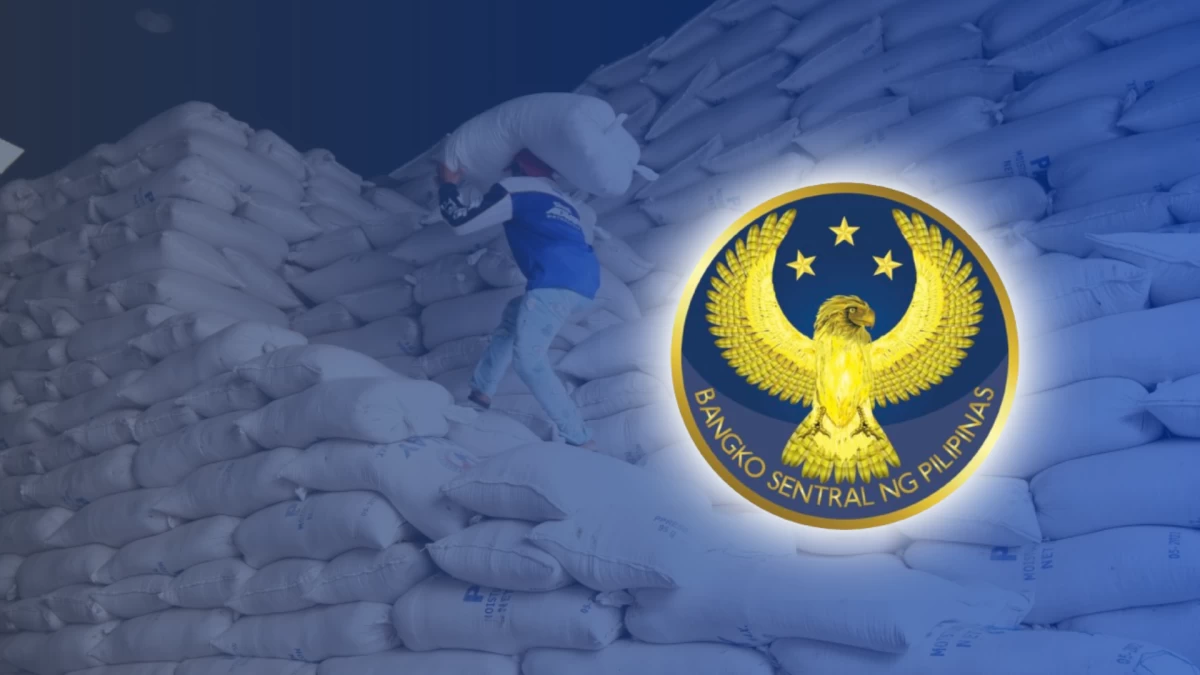
Higher rice prices, coupled with faster fish inflation, could have pushed headline inflation up in September, as the two-month rice import ban—which the government will prolong—might have tightened the supply of the Filipino staple food during the month.
Last month’s inflation rate is expected to clock within the range of 1.5 to 2.3 percent, according to the forecast by the Bangko Sentral ng Pilipinas (BSP). The lower end of the central bank’s projection matched the five-month high headline inflation rate in August.
“Upward price pressures for the month [of September] are likely to arise from higher prices of rice and fish,” the BSP said in an Oct. 1 statement.
It can be recalled that President Ferdinand R. Marcos, Jr. ordered a two-month suspension of rice imports starting Sept. 1, in a bid to protect Filipino farmers during harvest season and stabilize rice prices.
While the temporary ban was originally set to end on Nov. 2, the Department of Agriculture (DA) is preparing to extend the ban on rice imports by one more month, following the President’s orders. This comes as farmgate prices of palay, or unmilled rice, continue to shrink.
John Paolo Rivera, senior research fellow at state policy think tank Philippine Institute for Development Studies (PIDS), said that the ban “could disrupt availability and elevate prices faster than usual, hence the upward adjustment in the BSP’s forecast.”
Rizal Commercial Banking Corp. (RCBC) chief economist Michael Ricafort also said a tight supply is among the factors contributing to faster price acceleration, which also include easing base effects.
Rivera explained that the expected higher inflation is reflective of “heightened risks of food-driven inflation, particularly from rice, due to the temporary import ban. With supply expected to tighten and local output not sufficient to meet demand, price pressures may accelerate, especially in the near term.”
“This also shows how sensitive Philippine inflation remains to agricultural policy and supply-side shocks,” Rivera added.
Other contributors to higher inflation in September are “elevated” fuel costs in the local market, the BSP said. However, the central bank added that these pressures could be “partially offset by the decline in vegetables and meat prices along with lower electricity rates.”
For Jonathan Ravelas, senior adviser at Reyes Tacandong & Co., inflation in September could have risen to 1.9 percent. He blamed this on “higher food and vegetable prices, plus some transport cost adjustments. It’s a reminder that food supply remains vulnerable.”
“For the rest of the year, there is a chance inflation could edge up with holiday demand, weather risks, and global oil price movements. But barring major shocks, it would likely stay below or at two percent.”
For this year, the government is targeting inflation to settle within two to four percent.
ADVERTISEMENT
.most-popular .layout-ratio{ padding-bottom: 79.13%; } @media (min-width: 768px) and (max-width: 1024px) { .widget-title { font-size: 15px !important; } }

{{ articles_filter_1561_widget.title }}

.most-popular .layout-ratio{ padding-bottom: 79.13%; } @media (min-width: 768px) and (max-width: 1024px) { .widget-title { font-size: 15px !important; } }

{{ articles_filter_1562_widget.title }}

.most-popular .layout-ratio{ padding-bottom: 79.13%; } @media (min-width: 768px) and (max-width: 1024px) { .widget-title { font-size: 15px !important; } }

{{ articles_filter_1563_widget.title }}

{{ articles_filter_1564_widget.title }}

.mb-article-details { position: relative; } .mb-article-details .article-body-preview, .mb-article-details .article-body-summary{ font-size: 17px; line-height: 30px; font-family: "Libre Caslon Text", serif; color: #000; } .mb-article-details .article-body-preview iframe , .mb-article-details .article-body-summary iframe{ width: 100%; margin: auto; } .read-more-background { background: linear-gradient(180deg, color(display-p3 1.000 1.000 1.000 / 0) 13.75%, color(display-p3 1.000 1.000 1.000 / 0.8) 30.79%, color(display-p3 1.000 1.000 1.000) 72.5%); position: absolute; height: 200px; width: 100%; bottom: 0; display: flex; justify-content: center; align-items: center; padding: 0; } .read-more-background a{ color: #000; } .read-more-btn { padding: 17px 45px; font-family: Inter; font-weight: 700; font-size: 18px; line-height: 16px; text-align: center; vertical-align: middle; border: 1px solid black; background-color: white; } .hidden { display: none; }
function initializeAllSwipers() { // Get all hidden inputs with cms_article_id document.querySelectorAll('[id^="cms_article_id_"]').forEach(function (input) { const cmsArticleId = input.value; const articleSelector = '#article-' + cmsArticleId + ' .body_images'; const swiperElement = document.querySelector(articleSelector); if (swiperElement && !swiperElement.classList.contains('swiper-initialized')) { new Swiper(articleSelector, { loop: true, pagination: false, navigation: { nextEl: '#article-' + cmsArticleId + ' .swiper-button-next', prevEl: '#article-' + cmsArticleId + ' .swiper-button-prev', }, }); } }); } setTimeout(initializeAllSwipers, 3000); const intersectionObserver = new IntersectionObserver( (entries) => { entries.forEach((entry) => { if (entry.isIntersecting) { const newUrl = entry.target.getAttribute("data-url"); if (newUrl) { history.pushState(null, null, newUrl); let article = entry.target; // Extract metadata const author = article.querySelector('.author-section').textContent.replace('By', '').trim(); const section = article.querySelector('.section-info ').textContent.replace(' ', ' '); const title = article.querySelector('.article-title h1').textContent; // Parse URL for Chartbeat path format const parsedUrl = new URL(newUrl, window.location.origin); const cleanUrl = parsedUrl.host + parsedUrl.pathname; // Update Chartbeat configuration if (typeof window._sf_async_config !== 'undefined') { window._sf_async_config.path = cleanUrl; window._sf_async_config.sections = section; window._sf_async_config.authors = author; } // Track virtual page view with Chartbeat if (typeof pSUPERFLY !== 'undefined' && typeof pSUPERFLY.virtualPage === 'function') { try { pSUPERFLY.virtualPage({ path: cleanUrl, title: title, sections: section, authors: author }); } catch (error) { console.error('ping error', error); } } // Optional: Update document title if (title && title !== document.title) { document.title = title; } } } }); }, { threshold: 0.1 } ); function showArticleBody(button) { const article = button.closest("article"); const summary = article.querySelector(".article-body-summary"); const body = article.querySelector(".article-body-preview"); const readMoreSection = article.querySelector(".read-more-background"); // Hide summary and read-more section summary.style.display = "none"; readMoreSection.style.display = "none"; // Show the full article body body.classList.remove("hidden"); } document.addEventListener("DOMContentLoaded", () => { let loadCount = 0; // Track how many times articles are loaded const offset = [1, 2, 3, 4, 5, 6, 7, 8, 9, 10]; // Offset values const currentUrl = window.location.pathname.substring(1); let isLoading = false; // Prevent multiple calls if (!currentUrl) { console.log("Current URL is invalid."); return; } const sentinel = document.getElementById("load-more-sentinel"); if (!sentinel) { console.log("Sentinel element not found."); return; } function isSentinelVisible() { const rect = sentinel.getBoundingClientRect(); return ( rect.top < window.innerHeight && rect.bottom >= 0 ); } function onScroll() { if (isLoading) return; if (isSentinelVisible()) { if (loadCount >= offset.length) { console.log("Maximum load attempts reached."); window.removeEventListener("scroll", onScroll); return; } isLoading = true; const currentOffset = offset[loadCount]; window.loadMoreItems().then(() => { let article = document.querySelector('#widget_1690 > div:nth-last-of-type(2) article'); intersectionObserver.observe(article) loadCount++; }).catch(error => { console.error("Error loading more items:", error); }).finally(() => { isLoading = false; }); } } window.addEventListener("scroll", onScroll); });

Sign up by email to receive news.