







Filipina in Space? Yes, Please
Published Oct 1, 2025 10:20 am
|
Updated Nov 7, 2025 09:46 am


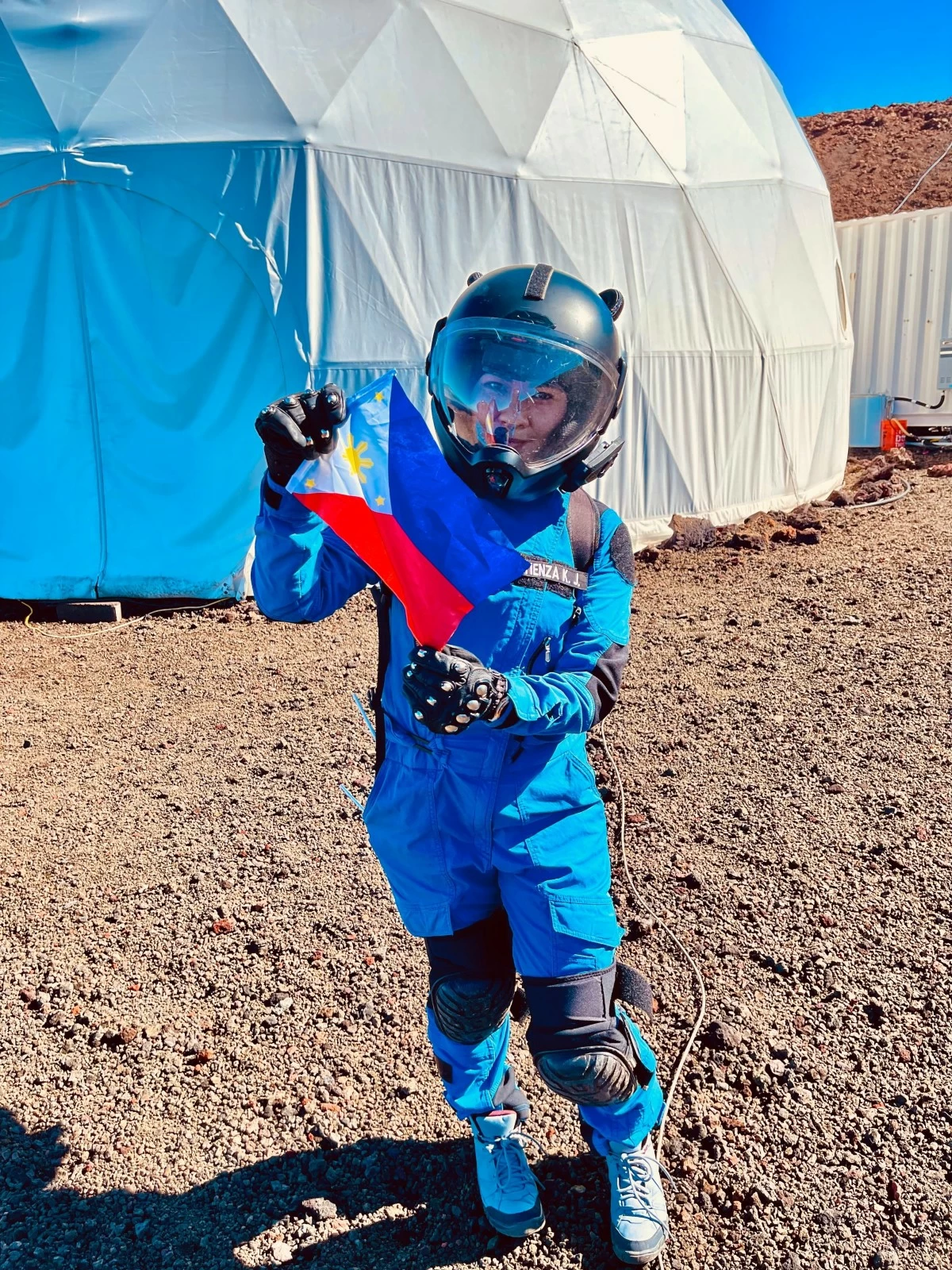
Photos by Kristine Jane Atienza
When Kristine Jane Atienza announced she was aiming to be the first Filipino in space, social media lit up like a launch pad. Some were thrilled, exclaiming that we’ll finally have a Pinoy astronaut. Others rolled their eyes: “Space? We can’t even fix EDSA.” This skepticism is fair. After all, why dream of rockets when jeepney drivers are protesting for fare hikes and hospitals are running out of beds? But maybe that’s exactly why we should pay attention. In a country where we are always told to keep our feet on the ground, Atienza is asking us to look up.
Anthropologists talk about the “capacity to aspire” - a term coined by Arjun Appadurai, which is really just a fancy way of saying we learn how to dream by practicing it. Supporting Atienza’s bid is not just about sending one person to space; it’s about stretching the Filipino imagination. It is saying that our future does not have to be forever bound by traffic, corruption, or climate anxiety - that we, too, can take part in humanity’s grand experiment beyond Earth.
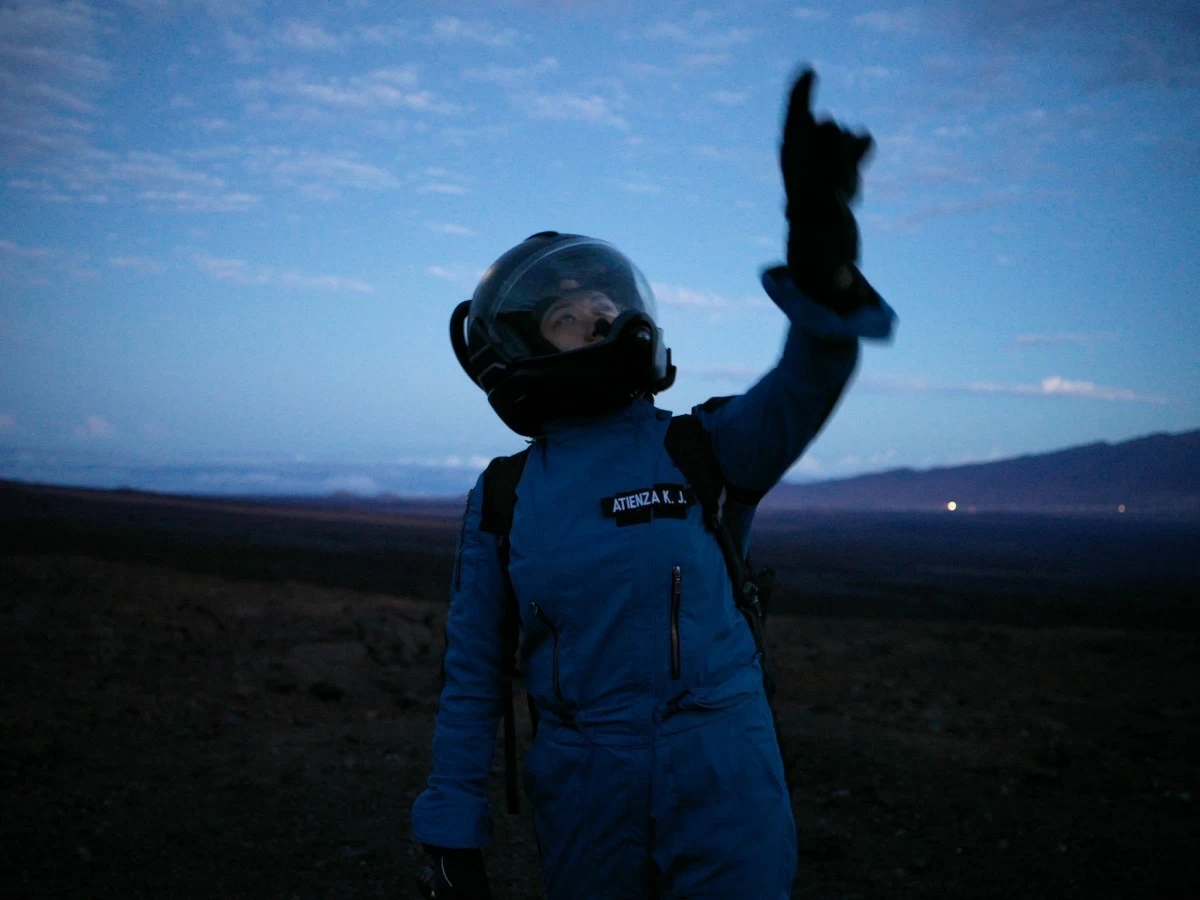
Photos by Kristine Jane Atienza
Former UP Diliman Chancellor and medical anthropologist Michael Tan once wrote that a nation’s future depends on what it collectively dreams. For decades, our national dream has been outward but earthbound - sending nurses, seafarers, engineers, and domestic workers abroad. These are heroic pursuits, but they are tied to survival. Atienza represents a different kind of journey: one not of sacrifice but of aspiration. Imagine the symbolism of seeing a Filipino in space. It would signal that we are more than a labor-exporting nation - we are capable of scientific ambition, of spacefaring dreams.
And this is not just about science; it is also about politics. Space has always been political. Planting a flag on the moon was as much about Cold War rivalry as it was about exploration. For too long, the Philippines has been sitting quietly in the audience. Our neighbors are already on that stage: Thailand sent a payload specialist in 1992, Malaysia in 2007. Even as we proudly launched satellites like Diwata and Maya, we have yet to send a human being. Supporting Atienza means stepping onto that global stage and saying, “The Philippines is here.”
Of course, we cannot ignore the deep inequalities that make space travel seem frivolous. We still need trains that run efficiently, hospital beds that aren’t broken, and teachers who are paid fairly. But this is not an either/or question. Space exploration can galvanize investment in science, engineering, and education. NASA’s moonshot gave us water filters, improved prosthetics, even the scratch-resistant lenses on our glasses. Imagine what a serious investment in space science could do for Philippine research and technology.
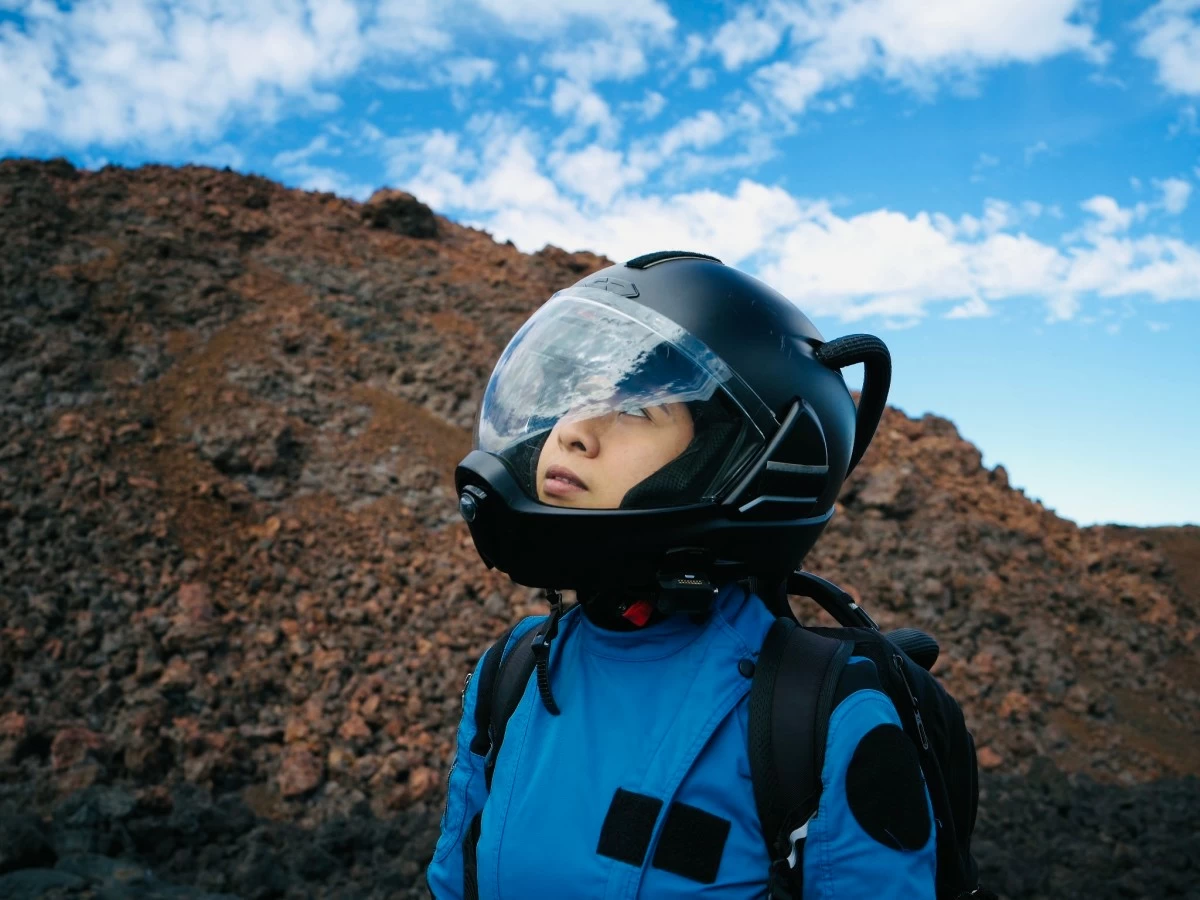
Photos by Kristine Jane Atienza
One spaceflight will not fix traffic or lower diesel prices. But astronauts often speak of the “overview effect,” or the awe of seeing Earth as small and fragile. Perhaps a Filipino voice describing that view might help us see our problems - and possibilities - differently.
Filipinos have always looked skyward, from ancestors who read the stars to navigate the archipelago, to myths of heroes climbing to the heavens. Supporting Atienza is a way to reclaim this cosmic imagination and reimagine it for the 21st century.
Yes, let’s fix the trains and support our farmers - but let’s also dare to dream beyond our atmosphere. Because Atienza’s journey, if it happens, will not be hers alone. It will be a collective leap, proof that the Philippines is not just a country that sends its people abroad, but one that can, quite literally, reach for the stars.
And who knows, maybe it will take a Filipina in space to teach us how to look at home with fresh eyes.