







Are you 'wearing out' the planet?
Your clothes and the circular economy
Published Oct 1, 2025 11:36 am


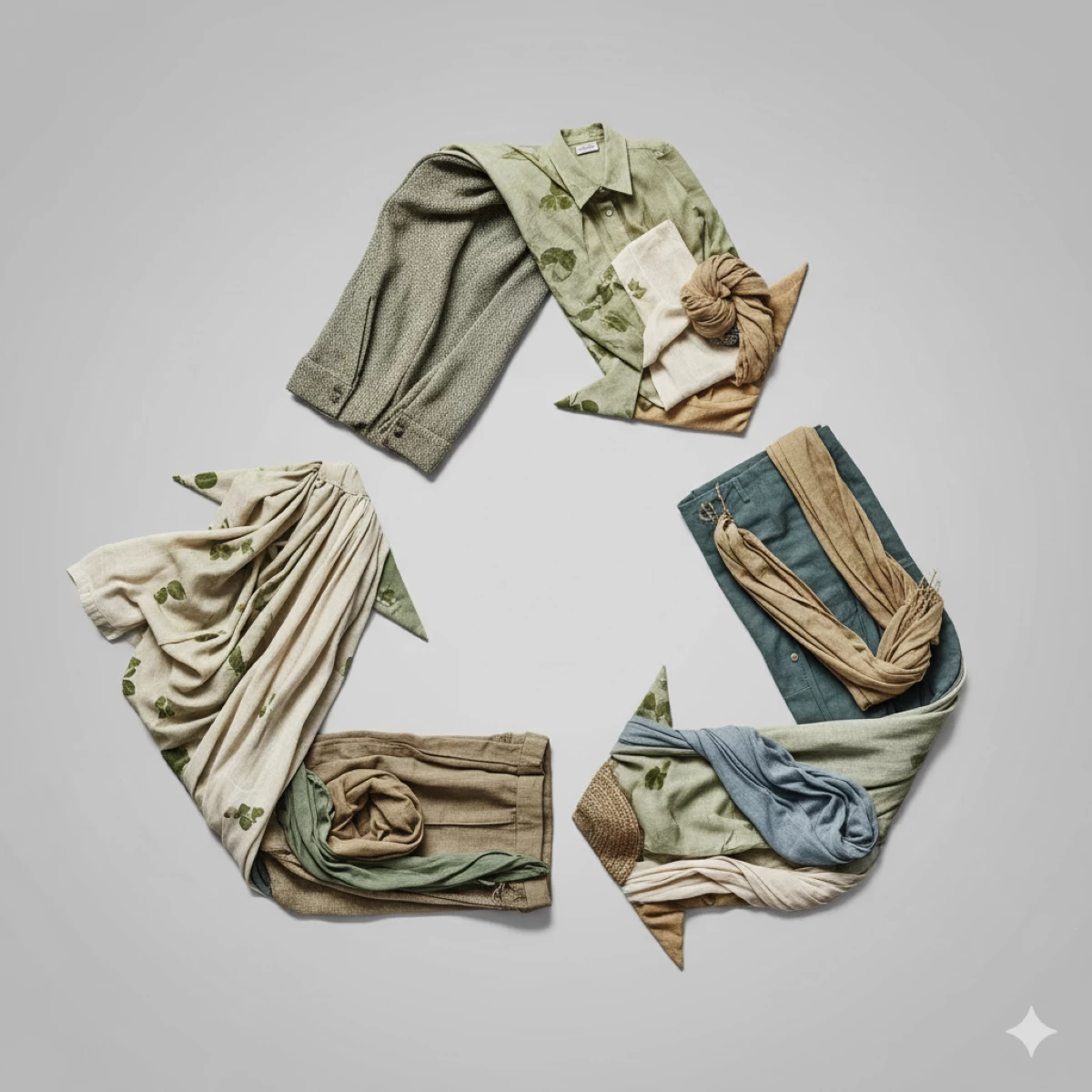
(Created with Gemini)
Last year, the world discarded enough clothing to fill more than 200 Olympic stadiums.
Let that sink in. That’s 120 million metric tons of clothes, according to the Boston Consulting Company. And a thorough review of your closet can help assess if you actually contribute to the problem.
E-commerce and fast fashion (the rapid production of inexpensive, often low-quality clothing) have undoubtedly increased consumer spending and hastened clothing turnover. What sounds like a harmless shirt color requirement for a family reunion or work outing, for example, can easily sway us to grab a new top. We’d rather spend a small amount than dig deep into our closets or borrow from someone at home. After all, we’ll only wear the shirt once. Eventually, we’ll forget about it and discard it after some time.
What we do not realize is that we have options that can help the world make the much-needed shift toward a circular rather than linear way of utilizing things, according to organizations such as the United Nations Development Programme (UNDP). Many of us are used to buying, using, and throwing things. We are now called upon to minimize waste, prolong the use of things, recycle, reuse, and more.
These actions promote what is called a “circular economy” by reducing waste, reusing things, and demanding less from nature – allowing it to regenerate instead. According to the UNDP, a circular economy plays a crucial role in solving other complex challenges such as climate change and biodiversity loss. It can be employed in sectors such as construction and in various stages of product development from design to disposal.
The organization reveals that humans will require three planets’ worth of resources by 2050 if our use of the Earth’s finite resources is mismanaged. A circular economy will be instrumental for the survival and well-being of people and the planet, it adds. Consuming less will mean needing to extract less from nature.
How are the textiles and fashion industries evolving to contribute to the circular economy? The UNDP says “initiatives that employ regenerative agriculture to produce organic cotton and other natural fibers, using natural colorings and dye” and ensure “higher quality and safer garments” favor the consumer and positively impact environmental health. Higher-quality garments last longer, can be repaired, thrifted, and recycled, the agency explains in the article “What is circular economy and why does it matter?”
So how can what you wear be part of the circular economy? These responsible choices are key to more sustainable fashion practices:
Responsible Purchasing. Stanford University defines this practice as considering the total value of goods and services when purchasing these. How was an item manufactured? How was it transported? Can it be reused? How will it be disposed of? These additional levels of checking from consumers add pressure to companies to produce things and provide services sustainably. Some clothing brands price their sustainable lines higher, but an in-depth look into the process of producing a piece of clothing that did not fully require new materials justifies the price tag.
Go for Repairs. A lost button, broken zipper, or snag can urge us to remove a piece of clothing from our wardrobe. The cost (and chore) of getting clothes repaired is usually compared to the price (and fun) of buying new clothes. Why not get a new set of buttons and give your tops a new look? Gather all clothes that require repairs to maximize the errand. See if you can wear pieces with snags at home, especially if you work from your place on some days, and only need to attend meetings on video.
Rent or Borrow. Unlike jeans, gowns, Filipiniana wear, and costumes are worn less. Renting or borrowing these are circular-friendly practices, can cost you less, and save space in your closet.
Earn from It! There are plenty of online selling platforms that can prolong the lifespan of clothes, shoes, bags, accessories, and more. There is really no benefit in keeping things you do not need or no longer use. Let go of them before they go out of trend or look less pristine because of storage.
Go for Classics. Trends come and go, so opt for clothes in timeless colors, cuts, and materials. These are more versatile and can be styled in different ways. Just think of how creative you have been with your favorite black dress or pair of jeans. While going for more premium brands can cost more, the longevity of their products will make these buys truly smart ones over the long run.