ADVERTISEMENT

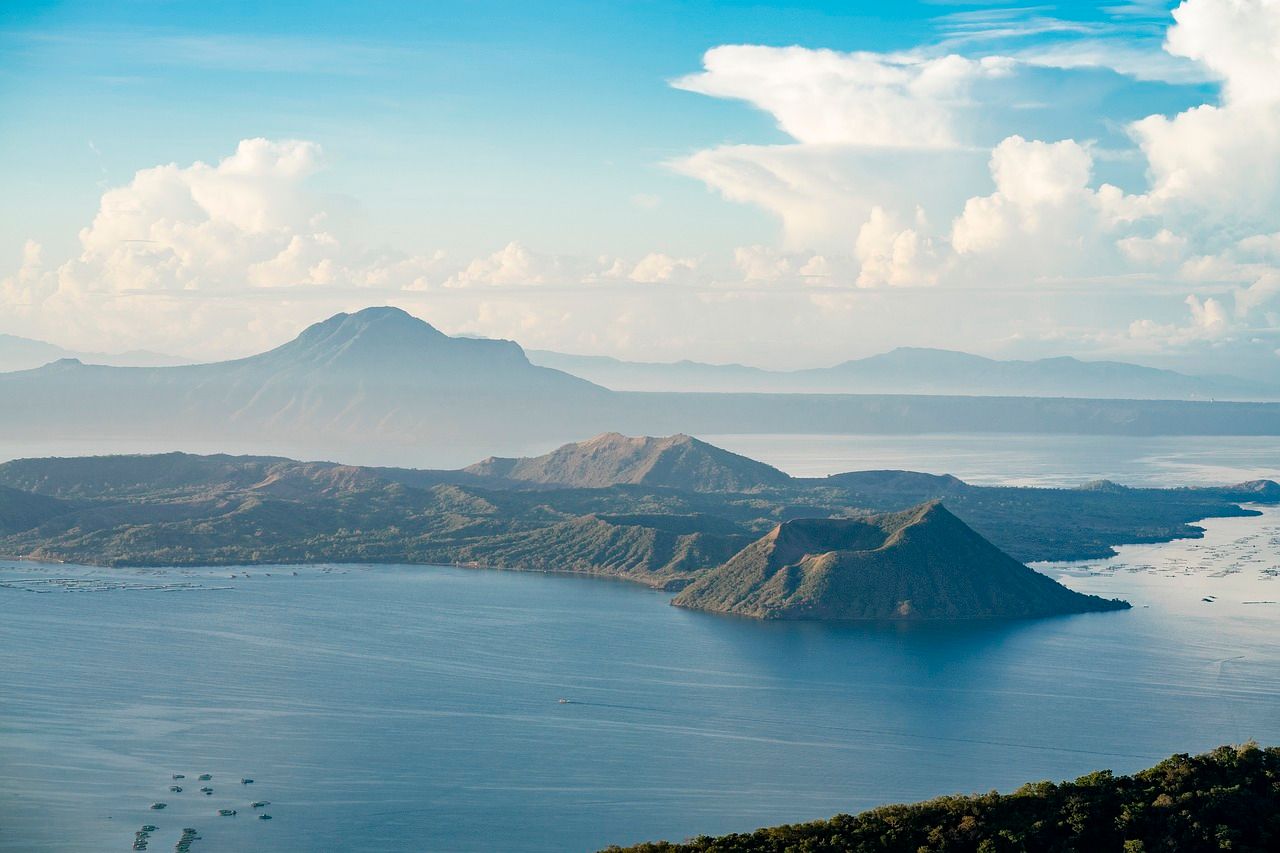
Phivolcs warns of increased seismic activity at Taal Volcano, cites risk of phreatic eruption

Published Jan 6, 2025 05:25 am
IMG_4694.jpeg
Photo from Pixabay

The Philippine Institute of Volcanology and Seismology (Phivolcs) on Monday, Jan. 6 reported an increase in  “seismic energy release” from Taal Volcano, which could trigger “a phreatic or even a minor phreatomagmatic eruption.”

Phivolcs said that since Jan. 4, the Taal Volcano Network has recorded a significant surge in real-time seismic energy measurements (RSAM) from stations located on Taal Volcano Island (TVI).

Over the past six days, 12 volcanic earthquakes, including six tremor events, have been detected, it added.

Despite the seismic uptick, Phivolcs said visual observations indicate that there has been no visible degassing plume from Taal’s Main Crater since the increase in RSAM.

It noted that Taal has been emitting steady levels of sulfur dioxide (SO2) for the past four years, with the most recent measurement, taken on Dec. 30, 2024, showing an average emission of 2,753 tons per day.

“The sharp increase in RSAM and the lack of observable degassing from the Main Crater may indicate blockage or plugging of volcanic gas pathways within the volcano, which may lead to short-term pressurization and trigger a phreatic or even a minor phreatomagmatic eruption,” Phivolcs said in an advisory.

READ MORE: https://mb.com.ph/2024/10/3/what-happened-during-taal-volcano-s-eruption-on-october-2

Phivolcs reiterated that Taal remains under Alert Level 1, meaning the volcano is in an “abnormal” state.

The agency explained that this does not signify the end of the threat of eruptive activity.

Under Alert Level 1, there is a risk of sudden steam-driven or phreatic eruptions, minor phreatomagmatic events, volcanic earthquakes, minor ashfall, and the accumulation or release of harmful volcanic gases.

The persistent release of high concentrations of SO2 continues to pose health risks for communities around the Taal Caldera.

Phivolcs urged local government units to closely monitor the situation, assess the potential impacts of volcanic gas exposure, and take necessary actions to mitigate health risks.

It strongly advised against entering Taal Volcano Island, especially the areas surrounding the Main Crater and Daang Kastila fissure, which remain within the permanent danger zone.

Related Tags

phreatic eruption seismic event PHIVOLCS Taal Volcano
ADVERTISEMENT
.most-popular .layout-ratio{ padding-bottom: 79.13%; } @media (min-width: 768px) and (max-width: 1024px) { .widget-title { font-size: 15px !important; } }

{{ articles_filter_1561_widget.title }}

.most-popular .layout-ratio{ padding-bottom: 79.13%; } @media (min-width: 768px) and (max-width: 1024px) { .widget-title { font-size: 15px !important; } }

{{ articles_filter_1562_widget.title }}

.most-popular .layout-ratio{ padding-bottom: 79.13%; } @media (min-width: 768px) and (max-width: 1024px) { .widget-title { font-size: 15px !important; } }

{{ articles_filter_1563_widget.title }}

{{ articles_filter_1564_widget.title }}

.mb-article-details { position: relative; } .mb-article-details .article-body-preview, .mb-article-details .article-body-summary{ font-size: 17px; line-height: 30px; font-family: "Libre Caslon Text", serif; color: #000; } .mb-article-details .article-body-preview iframe , .mb-article-details .article-body-summary iframe{ width: 100%; margin: auto; } .read-more-background { background: linear-gradient(180deg, color(display-p3 1.000 1.000 1.000 / 0) 13.75%, color(display-p3 1.000 1.000 1.000 / 0.8) 30.79%, color(display-p3 1.000 1.000 1.000) 72.5%); position: absolute; height: 200px; width: 100%; bottom: 0; display: flex; justify-content: center; align-items: center; padding: 0; } .read-more-background a{ color: #000; } .read-more-btn { padding: 17px 45px; font-family: Inter; font-weight: 700; font-size: 18px; line-height: 16px; text-align: center; vertical-align: middle; border: 1px solid black; background-color: white; } .hidden { display: none; }
function initializeAllSwipers() { // Get all hidden inputs with cms_article_id document.querySelectorAll('[id^="cms_article_id_"]').forEach(function (input) { const cmsArticleId = input.value; const articleSelector = '#article-' + cmsArticleId + ' .body_images'; const swiperElement = document.querySelector(articleSelector); if (swiperElement && !swiperElement.classList.contains('swiper-initialized')) { new Swiper(articleSelector, { loop: true, pagination: false, navigation: { nextEl: '#article-' + cmsArticleId + ' .swiper-button-next', prevEl: '#article-' + cmsArticleId + ' .swiper-button-prev', }, }); } }); } setTimeout(initializeAllSwipers, 3000); const intersectionObserver = new IntersectionObserver( (entries) => { entries.forEach((entry) => { if (entry.isIntersecting) { const newUrl = entry.target.getAttribute("data-url"); if (newUrl) { history.pushState(null, null, newUrl); let article = entry.target; // Extract metadata const author = article.querySelector('.author-section').textContent.replace('By', '').trim(); const section = article.querySelector('.section-info ').textContent.replace(' ', ' '); const title = article.querySelector('.article-title h1').textContent; // Parse URL for Chartbeat path format const parsedUrl = new URL(newUrl, window.location.origin); const cleanUrl = parsedUrl.host + parsedUrl.pathname; // Update Chartbeat configuration if (typeof window._sf_async_config !== 'undefined') { window._sf_async_config.path = cleanUrl; window._sf_async_config.sections = section; window._sf_async_config.authors = author; } // Track virtual page view with Chartbeat if (typeof pSUPERFLY !== 'undefined' && typeof pSUPERFLY.virtualPage === 'function') { try { pSUPERFLY.virtualPage({ path: cleanUrl, title: title, sections: section, authors: author }); } catch (error) { console.error('ping error', error); } } // Optional: Update document title if (title && title !== document.title) { document.title = title; } } } }); }, { threshold: 0.1 } ); function showArticleBody(button) { const article = button.closest("article"); const summary = article.querySelector(".article-body-summary"); const body = article.querySelector(".article-body-preview"); const readMoreSection = article.querySelector(".read-more-background"); // Hide summary and read-more section summary.style.display = "none"; readMoreSection.style.display = "none"; // Show the full article body body.classList.remove("hidden"); } document.addEventListener("DOMContentLoaded", () => { let loadCount = 0; // Track how many times articles are loaded const offset = [1, 2, 3, 4, 5, 6, 7, 8, 9, 10]; // Offset values const currentUrl = window.location.pathname.substring(1); let isLoading = false; // Prevent multiple calls if (!currentUrl) { console.log("Current URL is invalid."); return; } const sentinel = document.getElementById("load-more-sentinel"); if (!sentinel) { console.log("Sentinel element not found."); return; } function isSentinelVisible() { const rect = sentinel.getBoundingClientRect(); return ( rect.top < window.innerHeight && rect.bottom >= 0 ); } function onScroll() { if (isLoading) return; if (isSentinelVisible()) { if (loadCount >= offset.length) { console.log("Maximum load attempts reached."); window.removeEventListener("scroll", onScroll); return; } isLoading = true; const currentOffset = offset[loadCount]; window.loadMoreItems().then(() => { let article = document.querySelector('#widget_1690 > div:nth-last-of-type(2) article'); intersectionObserver.observe(article) loadCount++; }).catch(error => { console.error("Error loading more items:", error); }).finally(() => { isLoading = false; }); } } window.addEventListener("scroll", onScroll); });

Sign up by email to receive news.