ADVERTISEMENT

Yemen's Houthis to limit their attacks in the Red Sea corridor to Israeli ships

Published Jan 21, 2025 03:44 am

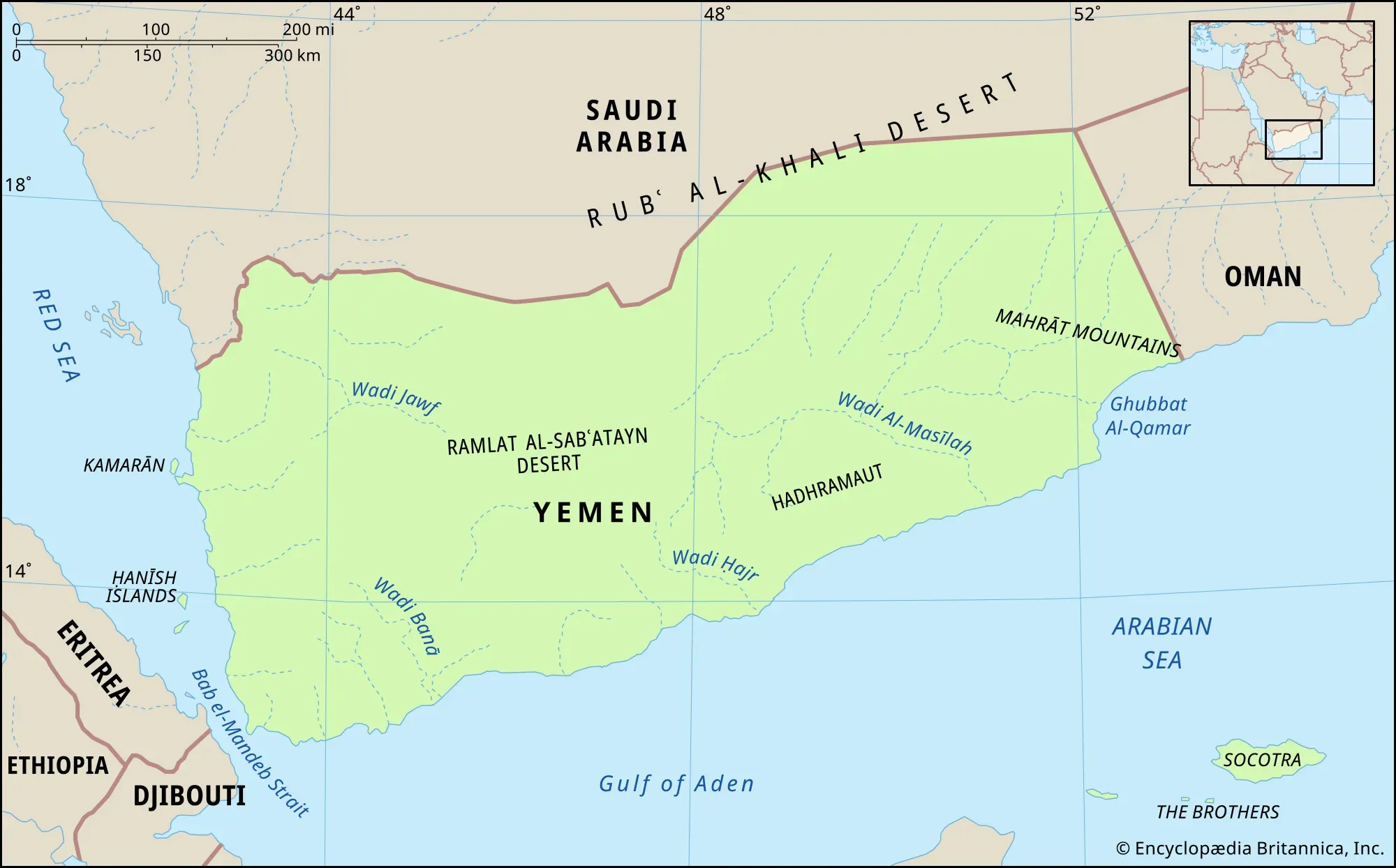
Map of Yemen.webp

Map of Yemen (Britannica)


DUBAI, United Arab Emirates (AP) — Yemen's Houthi rebels signaled Monday they now will limit their attacks in the Red Sea corridor to only Israeli-affiliated ships after a ceasefire began in the Gaza Strip, but warned wider assaults could resume if needed.

The Houthis' announcement, first made in an email sent to shippers and others late Sunday, likely won't be enough to encourage global firms to reenter the route that's crucial for cargo and energy shipments moving between Asia and Europe. Their attacks have halved traffic through the region, cutting deeply into revenues for Egypt, which runs the Suez Canal linking the Red Sea to the Mediterranean.

"The ceasefire is considered fragile," said Jakob P. Larsen, the head of maritime security for BIMCO, the largest international association representing shipowners.

"It is assessed that even minor deviations from the ceasefire agreements could lead to hostilities, which would subsequently prompt the Houthis to again direct threats against a broader range of international shipping."

That was underscored by a speech aired Monday from the Houthis' enigmatic supreme leader, Abdul-Malik al-Houthi.

We are "maintaining constant readiness to intervene immediately should the Israeli enemy resume any escalation, commit acts of genocide, impose a siege on Gaza or deny food and medicine to the people of Gaza," al-Houthi said. "We are ready to return to escalation again alongside our brothers, the fighters in Palestine."

The Houthis separately planned a military statement on Monday, likely about the decision, though it still hadn't been issued hours later.

The Houthis made the initial announcement through their Humanitarian Operations Coordination Center, saying it was "stopping sanctions" on the other vessels it has previously targeted since November 2023.

For Israeli ships, those "sanctions ... will be stopped upon the full implementation of all phases" of the ceasefire, it added.

However, the center left open resuming attacks against both the United States and the United Kingdom, which have launched airstrikes targeting the rebels over their seaborne assaults.

"In the event of any aggression ... the sanctions will be reinstated against the aggressor state," the center said. "You will be promptly informed of such measures should they be implemented."

However, the shipping industry reacted with caution to the Houthi pledge.

"The coming weeks will provide the proof of whether the Houthi follow suit with their stated intent," the maritime security firm Ambrey warned.

The Houthis have targeted over 100 merchant vessels with missiles and drones since the Israel-Hamas war in the Gaza Strip started in October 2023, after Hamas' surprise attack on Israel that killed 1,200 people and saw 250 others taken hostage. Israel's military offensive in Gaza has killed over 46,000 Palestinians, according to local health officials who do not distinguish between civilians and combatants but say women and children make up more than half the fatalities.

The Iranian-backed Houthis have seized one vessel and sunk two in a campaign that has also killed four sailors. Other missiles and drones have either been intercepted by separate U.S.- and European-led coalitions in the Red Sea or failed to reach their targets, which have also included Western military vessels.

The rebels had maintained that they target ships linked to Israel, the U.S. or the U.K. to force an end to Israel's campaign against Hamas in Gaza. However, many of the ships attacked had little or no connection to the conflict, including some bound for Iran.

The tempo of Houthi attacks has slowed in recent weeks, particularly involving ships at sea. That may be due in part to the U.S. airstrike campaign. The U.S. and its partners alone have struck the Houthis over 260 times, according to the International Institute for Strategic Studies.

However, the rebels had continued to launch drones and missiles targeting Israel, which has warned it will continue to strike Houthi leadership.

Another wild card is President Donald Trump, who started his second term Monday. He may reapply a foreign terrorist organization designation on the Houthis that President Joe Biden revoked, which could spark attacks again.

"Uncertainty is further exacerbated by today's inauguration of Trump," Larsen said. "It remains unclear how the Trump administration will act in the conflict with the Houthis and whether potential punitive actions against them will be considered."


Related Tags

Houthi rebels WORLDNEWS
ADVERTISEMENT
.most-popular .layout-ratio{ padding-bottom: 79.13%; } @media (min-width: 768px) and (max-width: 1024px) { .widget-title { font-size: 15px !important; } }

{{ articles_filter_1561_widget.title }}

.most-popular .layout-ratio{ padding-bottom: 79.13%; } @media (min-width: 768px) and (max-width: 1024px) { .widget-title { font-size: 15px !important; } }

{{ articles_filter_1562_widget.title }}

.most-popular .layout-ratio{ padding-bottom: 79.13%; } @media (min-width: 768px) and (max-width: 1024px) { .widget-title { font-size: 15px !important; } }

{{ articles_filter_1563_widget.title }}

{{ articles_filter_1564_widget.title }}

.mb-article-details { position: relative; } .mb-article-details .article-body-preview, .mb-article-details .article-body-summary{ font-size: 17px; line-height: 30px; font-family: "Libre Caslon Text", serif; color: #000; } .mb-article-details .article-body-preview iframe , .mb-article-details .article-body-summary iframe{ width: 100%; margin: auto; } .read-more-background { background: linear-gradient(180deg, color(display-p3 1.000 1.000 1.000 / 0) 13.75%, color(display-p3 1.000 1.000 1.000 / 0.8) 30.79%, color(display-p3 1.000 1.000 1.000) 72.5%); position: absolute; height: 200px; width: 100%; bottom: 0; display: flex; justify-content: center; align-items: center; padding: 0; } .read-more-background a{ color: #000; } .read-more-btn { padding: 17px 45px; font-family: Inter; font-weight: 700; font-size: 18px; line-height: 16px; text-align: center; vertical-align: middle; border: 1px solid black; background-color: white; } .hidden { display: none; }
function initializeAllSwipers() { // Get all hidden inputs with cms_article_id document.querySelectorAll('[id^="cms_article_id_"]').forEach(function (input) { const cmsArticleId = input.value; const articleSelector = '#article-' + cmsArticleId + ' .body_images'; const swiperElement = document.querySelector(articleSelector); if (swiperElement && !swiperElement.classList.contains('swiper-initialized')) { new Swiper(articleSelector, { loop: true, pagination: false, navigation: { nextEl: '#article-' + cmsArticleId + ' .swiper-button-next', prevEl: '#article-' + cmsArticleId + ' .swiper-button-prev', }, }); } }); } setTimeout(initializeAllSwipers, 3000); const intersectionObserver = new IntersectionObserver( (entries) => { entries.forEach((entry) => { if (entry.isIntersecting) { const newUrl = entry.target.getAttribute("data-url"); if (newUrl) { history.pushState(null, null, newUrl); let article = entry.target; // Extract metadata const author = article.querySelector('.author-section').textContent.replace('By', '').trim(); const section = article.querySelector('.section-info ').textContent.replace(' ', ' '); const title = article.querySelector('.article-title h1').textContent; // Parse URL for Chartbeat path format const parsedUrl = new URL(newUrl, window.location.origin); const cleanUrl = parsedUrl.host + parsedUrl.pathname; // Update Chartbeat configuration if (typeof window._sf_async_config !== 'undefined') { window._sf_async_config.path = cleanUrl; window._sf_async_config.sections = section; window._sf_async_config.authors = author; } // Track virtual page view with Chartbeat if (typeof pSUPERFLY !== 'undefined' && typeof pSUPERFLY.virtualPage === 'function') { try { pSUPERFLY.virtualPage({ path: cleanUrl, title: title, sections: section, authors: author }); } catch (error) { console.error('ping error', error); } } // Optional: Update document title if (title && title !== document.title) { document.title = title; } } } }); }, { threshold: 0.1 } ); function showArticleBody(button) { const article = button.closest("article"); const summary = article.querySelector(".article-body-summary"); const body = article.querySelector(".article-body-preview"); const readMoreSection = article.querySelector(".read-more-background"); // Hide summary and read-more section summary.style.display = "none"; readMoreSection.style.display = "none"; // Show the full article body body.classList.remove("hidden"); } document.addEventListener("DOMContentLoaded", () => { let loadCount = 0; // Track how many times articles are loaded const offset = [1, 2, 3, 4, 5, 6, 7, 8, 9, 10]; // Offset values const currentUrl = window.location.pathname.substring(1); let isLoading = false; // Prevent multiple calls if (!currentUrl) { console.log("Current URL is invalid."); return; } const sentinel = document.getElementById("load-more-sentinel"); if (!sentinel) { console.log("Sentinel element not found."); return; } function isSentinelVisible() { const rect = sentinel.getBoundingClientRect(); return ( rect.top < window.innerHeight && rect.bottom >= 0 ); } function onScroll() { if (isLoading) return; if (isSentinelVisible()) { if (loadCount >= offset.length) { console.log("Maximum load attempts reached."); window.removeEventListener("scroll", onScroll); return; } isLoading = true; const currentOffset = offset[loadCount]; window.loadMoreItems().then(() => { let article = document.querySelector('#widget_1690 > div:nth-last-of-type(2) article'); intersectionObserver.observe(article) loadCount++; }).catch(error => { console.error("Error loading more items:", error); }).finally(() => { isLoading = false; }); } } window.addEventListener("scroll", onScroll); });

Sign up by email to receive news.