ADVERTISEMENT

Lord even of the Sabbath

Published Jan 21, 2025 12:43 am

REFLECTIONS TODAY

Gird your loins

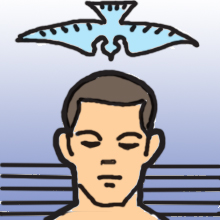
The Hebrew shabbath means to cease or to rest. The Sabbath day commemorated God’s day of rest after he finished the work of creation. It was a sign of the covenant between God and his people. “Remember the Sabbath day—keep it holy,” God commanded his people (Ex 20:8). And the Israelites observed it from generation to generation, seeing it as a special gift from the Lord. However, some Jewish leaders in Jesus’ time made many unnecessary rules about the Sabbath. They “fenced” it with prohibitions to safeguard its holiness. They decided how far people could walk, what kind of knots they could tie, and so forth. In the Gospel, when certain Pharisees criticize Jesus allowing his disciples to pick heads of grain which they say is prohibited on the Sabbath, Jesus reminds them that the Sabbath was made for the benefit of man. 


Now the “Sabbath” for Christians commemorates the resurrection of Jesus Christ. The “Lord’s Day” is now the first day of the week—Sunday— when Jesus rose triumphant from the tomb, conquering the last enemy: death. It is a holy day ordained by God also for believers to rest from their labors and worship him. 


“The sabbath was made for man” (v 27). The purpose of the Sabbath is to give people a certain day of the week on which to direct their thoughts and actions toward God. It is not a day merely to rest from work. It is a sacred day to be spent in worship and reverence. As people rest from their usual daily activities, their minds are freed to ponder on spiritual matters. On this day they renew their relationship with the Lord and feed their souls on the things of the Spirit.


First Reading • Heb 6:10-20 


Brothers and sisters: For God is not unjust so as to overlook your work and the love you have demonstrated for his name by having served and continuing to serve the holy ones. We earnestly desire each of you to demonstrate the same eagerness for the fulfillment of hope until the end, so that you may not become sluggish, but imitators of those who, through faith and patience, are inheriting the promises. 


When God made the promise to Abraham, since he had no one greater by whom to swear, he swore by himself, and said, I will indeed bless you and multiply you. And so, after patient waiting, he obtained the promise. Now, men swear by someone greater than themselves; for them an oath serves as a guarantee and puts an end to all argument. So when God wanted to give the heirs of his promise an even clearer demonstration of the immutability of his purpose, he intervened with an oath, so that by two immutable things, in which it was impossible for God to lie, we who have taken refuge might be strongly encouraged to hold fast to the hope that lies before us. This we have as an anchor of the soul, sure and firm, which reaches into the interior behind the veil, where Jesus has entered on our behalf as forerunner, becoming high priest forever according to the order of Melchizedek.

Source: “365 Days with the Lord 2025,” St. Paul’s, 7708 St. Paul Rd., SAV, Makati City (Phils.); Tel.: 632-895-9701; E-mail: [email protected]; Website: http://www.stpauls.ph.

Related Tags

Reflections Today 366 Days with the Lord
ADVERTISEMENT
.most-popular .layout-ratio{ padding-bottom: 79.13%; } @media (min-width: 768px) and (max-width: 1024px) { .widget-title { font-size: 15px !important; } }

{{ articles_filter_1561_widget.title }}

.most-popular .layout-ratio{ padding-bottom: 79.13%; } @media (min-width: 768px) and (max-width: 1024px) { .widget-title { font-size: 15px !important; } }

{{ articles_filter_1562_widget.title }}

.most-popular .layout-ratio{ padding-bottom: 79.13%; } @media (min-width: 768px) and (max-width: 1024px) { .widget-title { font-size: 15px !important; } }

{{ articles_filter_1563_widget.title }}

{{ articles_filter_1564_widget.title }}

.mb-article-details { position: relative; } .mb-article-details .article-body-preview, .mb-article-details .article-body-summary{ font-size: 17px; line-height: 30px; font-family: "Libre Caslon Text", serif; color: #000; } .mb-article-details .article-body-preview iframe , .mb-article-details .article-body-summary iframe{ width: 100%; margin: auto; } .read-more-background { background: linear-gradient(180deg, color(display-p3 1.000 1.000 1.000 / 0) 13.75%, color(display-p3 1.000 1.000 1.000 / 0.8) 30.79%, color(display-p3 1.000 1.000 1.000) 72.5%); position: absolute; height: 200px; width: 100%; bottom: 0; display: flex; justify-content: center; align-items: center; padding: 0; } .read-more-background a{ color: #000; } .read-more-btn { padding: 17px 45px; font-family: Inter; font-weight: 700; font-size: 18px; line-height: 16px; text-align: center; vertical-align: middle; border: 1px solid black; background-color: white; } .hidden { display: none; }
function initializeAllSwipers() { // Get all hidden inputs with cms_article_id document.querySelectorAll('[id^="cms_article_id_"]').forEach(function (input) { const cmsArticleId = input.value; const articleSelector = '#article-' + cmsArticleId + ' .body_images'; const swiperElement = document.querySelector(articleSelector); if (swiperElement && !swiperElement.classList.contains('swiper-initialized')) { new Swiper(articleSelector, { loop: true, pagination: false, navigation: { nextEl: '#article-' + cmsArticleId + ' .swiper-button-next', prevEl: '#article-' + cmsArticleId + ' .swiper-button-prev', }, }); } }); } setTimeout(initializeAllSwipers, 3000); const intersectionObserver = new IntersectionObserver( (entries) => { entries.forEach((entry) => { if (entry.isIntersecting) { const newUrl = entry.target.getAttribute("data-url"); if (newUrl) { history.pushState(null, null, newUrl); let article = entry.target; // Extract metadata const author = article.querySelector('.author-section').textContent.replace('By', '').trim(); const section = article.querySelector('.section-info ').textContent.replace(' ', ' '); const title = article.querySelector('.article-title h1').textContent; // Parse URL for Chartbeat path format const parsedUrl = new URL(newUrl, window.location.origin); const cleanUrl = parsedUrl.host + parsedUrl.pathname; // Update Chartbeat configuration if (typeof window._sf_async_config !== 'undefined') { window._sf_async_config.path = cleanUrl; window._sf_async_config.sections = section; window._sf_async_config.authors = author; } // Track virtual page view with Chartbeat if (typeof pSUPERFLY !== 'undefined' && typeof pSUPERFLY.virtualPage === 'function') { try { pSUPERFLY.virtualPage({ path: cleanUrl, title: title, sections: section, authors: author }); } catch (error) { console.error('ping error', error); } } // Optional: Update document title if (title && title !== document.title) { document.title = title; } } } }); }, { threshold: 0.1 } ); function showArticleBody(button) { const article = button.closest("article"); const summary = article.querySelector(".article-body-summary"); const body = article.querySelector(".article-body-preview"); const readMoreSection = article.querySelector(".read-more-background"); // Hide summary and read-more section summary.style.display = "none"; readMoreSection.style.display = "none"; // Show the full article body body.classList.remove("hidden"); } document.addEventListener("DOMContentLoaded", () => { let loadCount = 0; // Track how many times articles are loaded const offset = [1, 2, 3, 4, 5, 6, 7, 8, 9, 10]; // Offset values const currentUrl = window.location.pathname.substring(1); let isLoading = false; // Prevent multiple calls if (!currentUrl) { console.log("Current URL is invalid."); return; } const sentinel = document.getElementById("load-more-sentinel"); if (!sentinel) { console.log("Sentinel element not found."); return; } function isSentinelVisible() { const rect = sentinel.getBoundingClientRect(); return ( rect.top < window.innerHeight && rect.bottom >= 0 ); } function onScroll() { if (isLoading) return; if (isSentinelVisible()) { if (loadCount >= offset.length) { console.log("Maximum load attempts reached."); window.removeEventListener("scroll", onScroll); return; } isLoading = true; const currentOffset = offset[loadCount]; window.loadMoreItems().then(() => { let article = document.querySelector('#widget_1690 > div:nth-last-of-type(2) article'); intersectionObserver.observe(article) loadCount++; }).catch(error => { console.error("Error loading more items:", error); }).finally(() => { isLoading = false; }); } } window.addEventListener("scroll", onScroll); });

Sign up by email to receive news.