

ADVERTISEMENT

Mondelēz International's journey to sustainability: Branding the way for a greener future

Published Jan 20, 2025 01:11 am

Mondelēz International in the Philippines has been a prominent name in the snacking industry for over 60 years, offering beloved brands like Oreo, Tang, Toblerone, Cadbury Dairy Milk, Eden Cheese, and Cheez Whiz.

Recently, Mondelēz International announced a significant milestone in its sustainability efforts by earning the Plastic Cleanup Partner badge, during the Manila Bulletin Sustainability Forum 2024.

The badge highlights their adherence to the Extended Producer Responsibility (EPR) law and continuous efforts to promote sustainable practices in the snacking industry.

The Plastic Cleanup Partner badge is granted by PCX Markets to partners who demonstrate a substantial and measurable impact in reducing plastic waste. PCX Markets is a fully transparent plastic credit marketplace for audited, traceable plastic waste recovery and responsible processing worldwide. They provide a full suite of plastic responsibility services, from baselining and strategy support to impact delivery and verification.
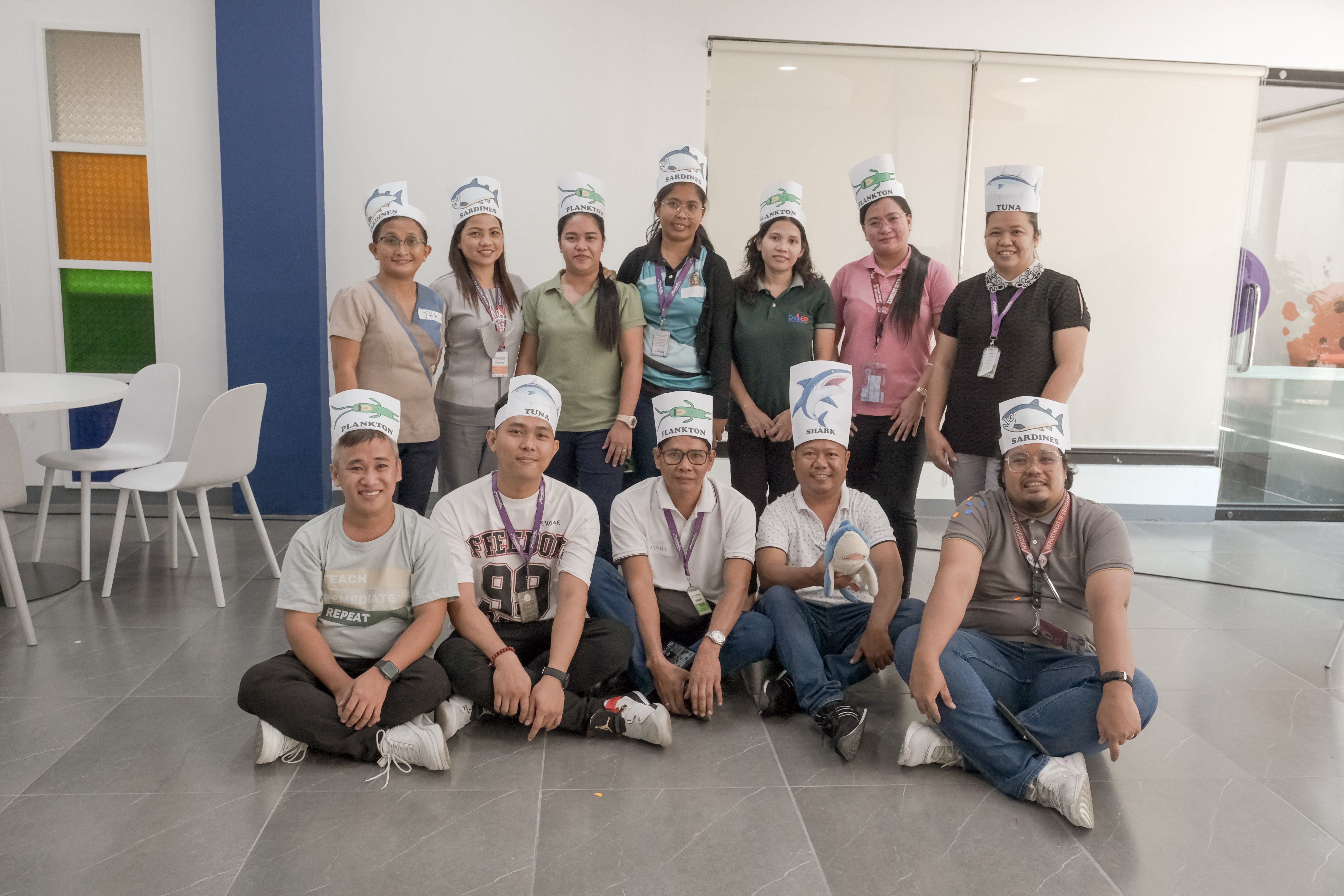
Trash Right Mondelez International (4).jpg
Trash Right Mondelez International

Before achieving this milestone, Mondelēz International in the Philippines faced the challenge of fostering internal discussions among its management to gain support for initiatives aimed at collecting and diverting plastic waste equivalent to its annual footprint—a commitment they secured and vowed to uphold in the long term.

Earning this badge signifies a commitment to meeting and exceeding legal requirements, showcasing a strong dedication to environmental stewardship. Mondelēz International remains dedicated to sustainability and, in 2025, will continue to support the EPR law by committing to collect and divert post-consumer plastic waste equivalent to its net annual plastic footprint.

Minimizing environmental impact in packaging and delivery without compromising quality

As part of its commitment to the sustainable snacking strategy—delivering the right snack in the right way— Mondelēz International adopts a three-part approach to packaging sustainability, focusing on three key areas: reducing packaging, evolving packaging materials, and improving systems.

Globally, the company focuses on using lightweight, safe, and recyclable packaging. It improves packaging by designing it to be recyclable and incorporating recycled plastic content to minimize waste.

As part of their efforts to enhance systems, they adhere to policy development and the EPR law, which supports establishing systems for collecting all types of plastic packaging. Additionally, they actively collaborate with governments, industry peers, and other stakeholders to drive sustainable progress.
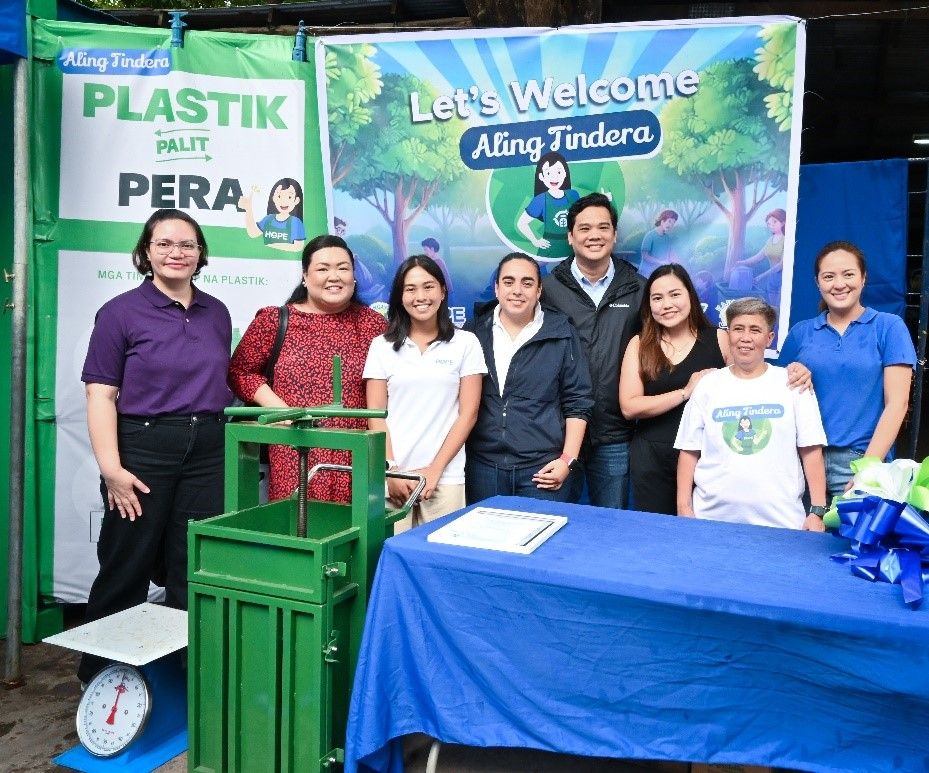
Aling Tindera opening.jpg
Aling Tindera opening

Furthermore, Mondelēz International is committed to continuously improving its packaging to support the long-term goal of fostering a more circular economy. Globally, the company aims to achieve approximately 98 percent recyclable packaging by 2025, incorporate 5 percent recycled content in plastic packaging by the same year, reduce virgin rigid plastic usage, and decrease overall virgin plastic usage for all packaging by 5 percent.

Flagship sustainability initiatives

The company’s commitment to reducing plastic pollution for a more sustainable future is central to its comprehensive strategy for responsible plastic practices. To support this, Mondelēz International has developed programs and initiatives that empower communities and set a high standard for sustainability in business.

According to Aleli Arcilla, the managing director of Mondelēz International in the Philippines, during the MB Sustainability Forum, they are committed to supporting sustainability initiatives that support awareness, education, and community action.

One of these initiatives is the Southeast Asia-wide Trash Right program. Across five countries, it has engaged 50 primary schools, reached 26,855 students and teachers, and successfully collected 44.93 metric tons of plastic waste from local communities. This program is designed to raise awareness and educate individuals, especially the younger generation, about the critical role everyone plays in waste management.

In addition, the Aling Tindera program addresses a major challenge in the Philippines—the lack of plastic waste collection centers. Through this initiative, Mondelēz International has set up new collection points in local communities, incentivizing waste collection by offering monetary rewards for every kilogram of plastic waste collected.
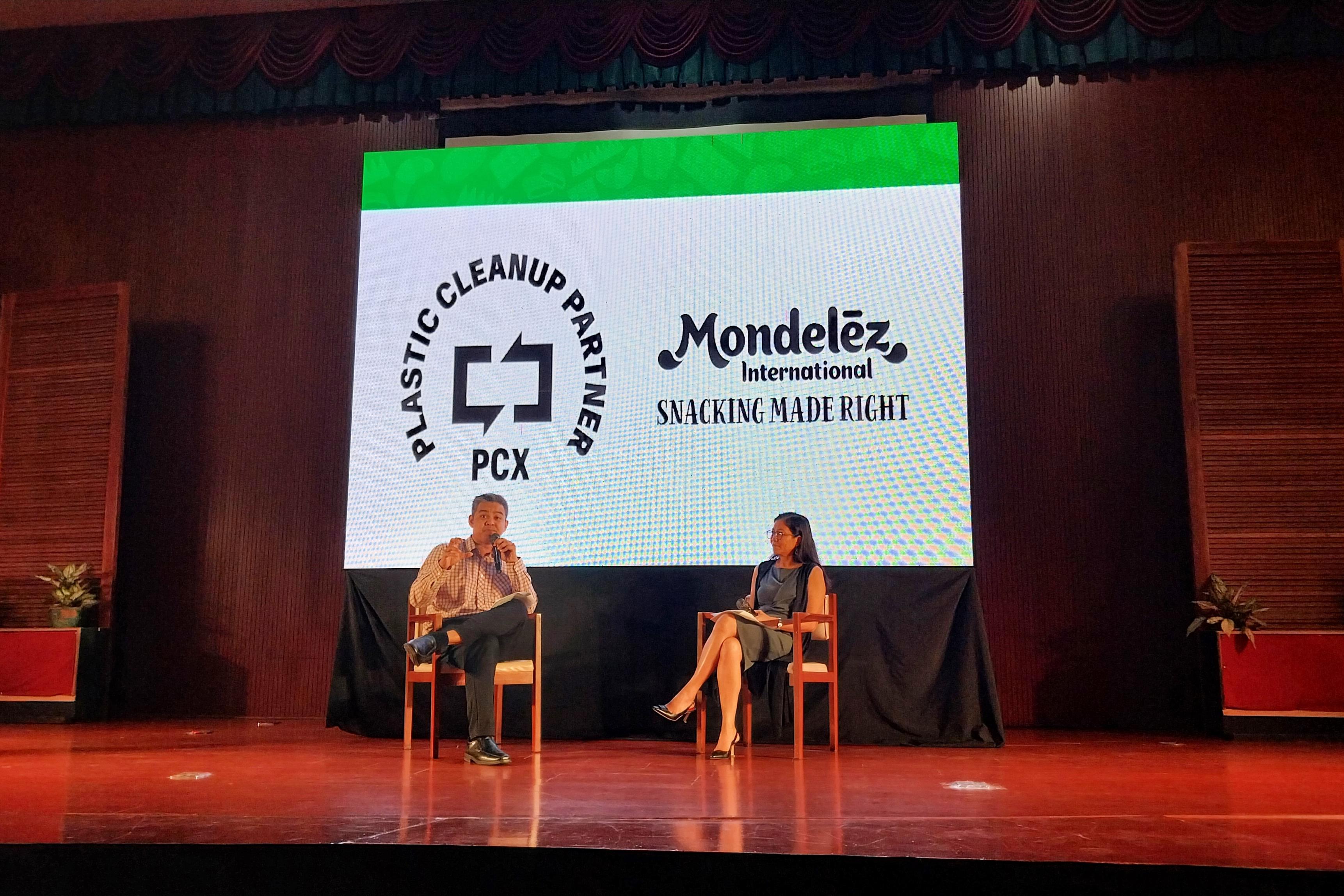
PCP Mondelez International PCX 2.JPG
PCP Mondelez International

Mondelēz International is also dedicated to advancing community efforts with initiatives like its YouTube series “Miming and Friends,” which aims to make environmental education more relatable and accessible to children and families, fostering a better understanding of sustainability.

The Plastic Cleanup Partner badge, along with Mondelēz International's commitment to a greener future, sends a strong message to their stakeholders, consumers, and partners. It highlights their active efforts to divert plastic waste from nature and landfills while ensuring that the right snack is delivered in the right way.

Related Tags

MB Sustainability Forum Plastic Cleanup Partner Mondelez International Bridging The Gap Trash Right Mondelez International
ADVERTISEMENT
.most-popular .layout-ratio{ padding-bottom: 79.13%; } @media (min-width: 768px) and (max-width: 1024px) { .widget-title { font-size: 15px !important; } }

{{ articles_filter_1561_widget.title }}

.most-popular .layout-ratio{ padding-bottom: 79.13%; } @media (min-width: 768px) and (max-width: 1024px) { .widget-title { font-size: 15px !important; } }

{{ articles_filter_1562_widget.title }}

.most-popular .layout-ratio{ padding-bottom: 79.13%; } @media (min-width: 768px) and (max-width: 1024px) { .widget-title { font-size: 15px !important; } }

{{ articles_filter_1563_widget.title }}

{{ articles_filter_1564_widget.title }}

.mb-article-details { position: relative; } .mb-article-details .article-body-preview, .mb-article-details .article-body-summary{ font-size: 17px; line-height: 30px; font-family: "Libre Caslon Text", serif; color: #000; } .mb-article-details .article-body-preview iframe , .mb-article-details .article-body-summary iframe{ width: 100%; margin: auto; } .read-more-background { background: linear-gradient(180deg, color(display-p3 1.000 1.000 1.000 / 0) 13.75%, color(display-p3 1.000 1.000 1.000 / 0.8) 30.79%, color(display-p3 1.000 1.000 1.000) 72.5%); position: absolute; height: 200px; width: 100%; bottom: 0; display: flex; justify-content: center; align-items: center; padding: 0; } .read-more-background a{ color: #000; } .read-more-btn { padding: 17px 45px; font-family: Inter; font-weight: 700; font-size: 18px; line-height: 16px; text-align: center; vertical-align: middle; border: 1px solid black; background-color: white; } .hidden { display: none; }
function initializeAllSwipers() { // Get all hidden inputs with cms_article_id document.querySelectorAll('[id^="cms_article_id_"]').forEach(function (input) { const cmsArticleId = input.value; const articleSelector = '#article-' + cmsArticleId + ' .body_images'; const swiperElement = document.querySelector(articleSelector); if (swiperElement && !swiperElement.classList.contains('swiper-initialized')) { new Swiper(articleSelector, { loop: true, pagination: false, navigation: { nextEl: '#article-' + cmsArticleId + ' .swiper-button-next', prevEl: '#article-' + cmsArticleId + ' .swiper-button-prev', }, }); } }); } setTimeout(initializeAllSwipers, 3000); const intersectionObserver = new IntersectionObserver( (entries) => { entries.forEach((entry) => { if (entry.isIntersecting) { const newUrl = entry.target.getAttribute("data-url"); if (newUrl) { history.pushState(null, null, newUrl); let article = entry.target; // Extract metadata const author = article.querySelector('.author-section').textContent.replace('By', '').trim(); const section = article.querySelector('.section-info ').textContent.replace(' ', ' '); const title = article.querySelector('.article-title h1').textContent; // Parse URL for Chartbeat path format const parsedUrl = new URL(newUrl, window.location.origin); const cleanUrl = parsedUrl.host + parsedUrl.pathname; // Update Chartbeat configuration if (typeof window._sf_async_config !== 'undefined') { window._sf_async_config.path = cleanUrl; window._sf_async_config.sections = section; window._sf_async_config.authors = author; } // Track virtual page view with Chartbeat if (typeof pSUPERFLY !== 'undefined' && typeof pSUPERFLY.virtualPage === 'function') { try { pSUPERFLY.virtualPage({ path: cleanUrl, title: title, sections: section, authors: author }); } catch (error) { console.error('ping error', error); } } // Optional: Update document title if (title && title !== document.title) { document.title = title; } } } }); }, { threshold: 0.1 } ); function showArticleBody(button) { const article = button.closest("article"); const summary = article.querySelector(".article-body-summary"); const body = article.querySelector(".article-body-preview"); const readMoreSection = article.querySelector(".read-more-background"); // Hide summary and read-more section summary.style.display = "none"; readMoreSection.style.display = "none"; // Show the full article body body.classList.remove("hidden"); } document.addEventListener("DOMContentLoaded", () => { let loadCount = 0; // Track how many times articles are loaded const offset = [1, 2, 3, 4, 5, 6, 7, 8, 9, 10]; // Offset values const currentUrl = window.location.pathname.substring(1); let isLoading = false; // Prevent multiple calls if (!currentUrl) { console.log("Current URL is invalid."); return; } const sentinel = document.getElementById("load-more-sentinel"); if (!sentinel) { console.log("Sentinel element not found."); return; } function isSentinelVisible() { const rect = sentinel.getBoundingClientRect(); return ( rect.top < window.innerHeight && rect.bottom >= 0 ); } function onScroll() { if (isLoading) return; if (isSentinelVisible()) { if (loadCount >= offset.length) { console.log("Maximum load attempts reached."); window.removeEventListener("scroll", onScroll); return; } isLoading = true; const currentOffset = offset[loadCount]; window.loadMoreItems().then(() => { let article = document.querySelector('#widget_1690 > div:nth-last-of-type(2) article'); intersectionObserver.observe(article) loadCount++; }).catch(error => { console.error("Error loading more items:", error); }).finally(() => { isLoading = false; }); } } window.addEventListener("scroll", onScroll); });

Sign up by email to receive news.