ADVERTISEMENT

Addressing the challenges of public healthcare in the Philippines

Published Jan 2, 2025 10:45 pm

NIGHT OWL

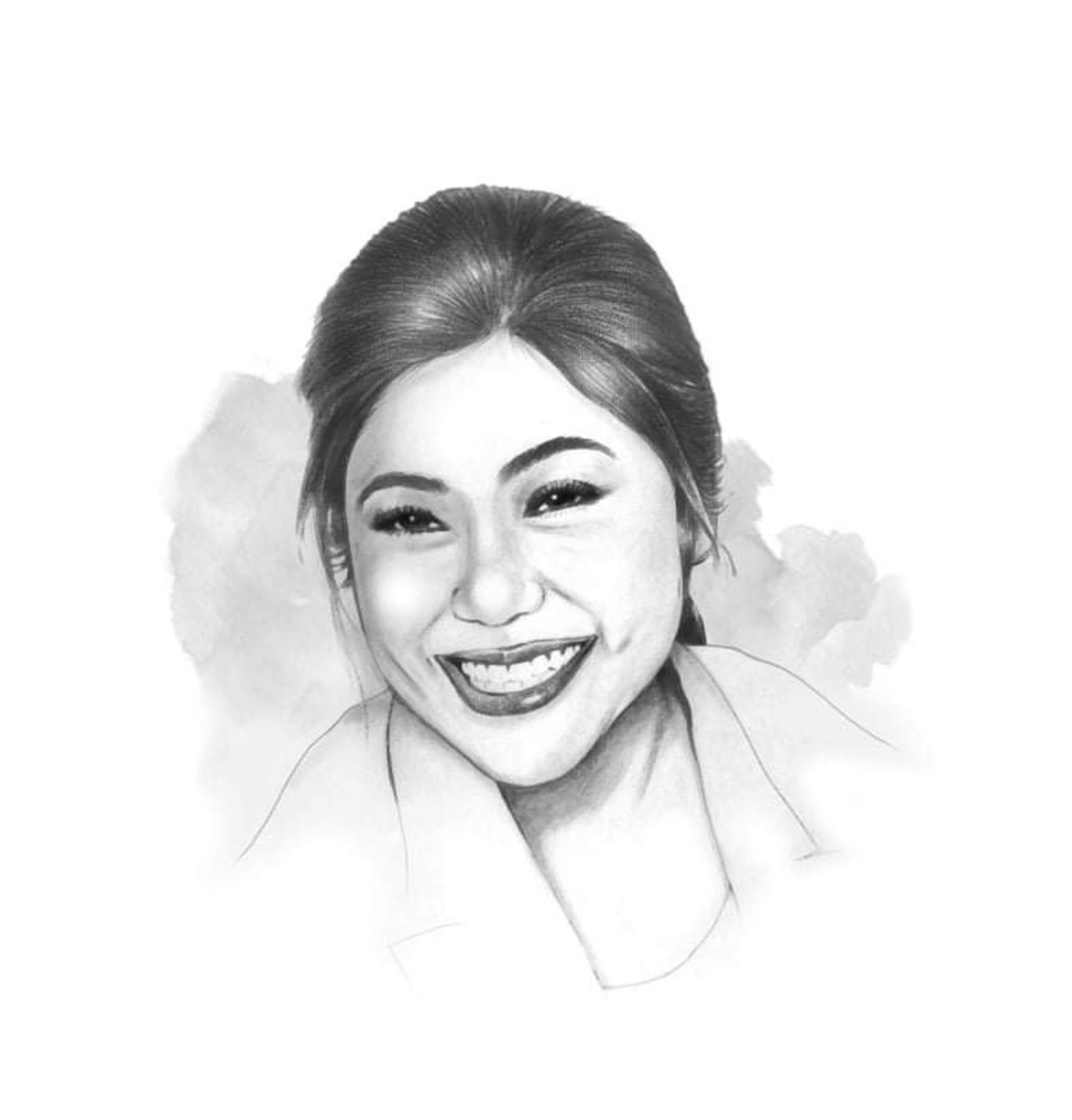
Anna Mae Lamentillo.jpg


An ideal healthcare system ensures equitable, accessible, and high-quality care for every individual, regardless of socioeconomic status or geographic location. Such a system would meet the World Health Organization’s (WHO) standard of at least one doctor per 1,000 people, provide universal coverage, a well-distributed workforce, robust infrastructure, and sustainable financing. 


Preventive care and health literacy would empower individuals to make informed decisions about their well-being, and the system would be resilient, capable of responding to public health emergencies while maintaining routine services. However, for the Philippines, where the healthcare system faces significant challenges, this vision remains far from reality.


In 2021, only 29 percent of Filipinos expressed satisfaction with public healthcare, starkly lower than the Asia-Pacific average of 61 percent and Singapore’s impressive 82 percent satisfaction rate. This dissatisfaction reflects systemic issues, including a physician-to-population ratio of just one doctor per 25,300 people, far below the WHO recommendation of 1:1,000. The shortage of medical professionals, coupled with inadequate infrastructure and public funding, has left the Filipino population vulnerable to numerous health challenges.


One of the most pressing issues in the Philippines is the burden of non-communicable diseases. Preliminary figures for 2023 indicate that ischaemic heart disease remained the leading cause of death, claiming an estimated 124,437 lives. Cancer was the second-leading cause, resulting in around 71,000 deaths. 


Alongside heart and cerebrovascular diseases, Filipinos face exposure to infections, diabetes, and skin diseases, often exacerbated by dietary habits such as high meat consumption. In 2020, over 700,000 Filipinos contracted acute respiratory tract infections, and over 400,000 were diagnosed with hypertension. Regions prone to heavy rainfall further grapple with dengue infections and leptospirosis, illustrating the diverse health risks confronting the population.


The vulnerability extends to the country’s children, where preventable diseases remain a leading cause of mortality. In 2021, diarrhea and gastroenteritis of presumed infectious origin accounted for 611 deaths among children aged one to four years, making it the leading cause of mortality in this age group. 


Other significant causes include sepsis and respiratory tuberculosis. These statistics highlight the critical need for public health interventions targeting childhood illnesses, improved sanitation, and enhanced access to primary care.


Despite these alarming figures, cutting healthcare subsidies or neglecting financial reserves would worsen the already strained system. Public funding is crucial to address these challenges by increasing the number of healthcare workers, upgrading infrastructure, and expanding programs for disease prevention and health education. 


Steady reserves play an equally vital role in maintaining the healthcare system’s stability. Reserves provide a financial buffer for emergencies like pandemics or natural disasters and enable long-term investments in infrastructure and workforce development.


Public satisfaction with healthcare in the Philippines will remain low until systemic reforms are implemented. Learning from regional neighbors like Singapore, the Philippines must prioritize increasing investment in healthcare, maintaining steady reserves, and addressing workforce shortages. 


Health is not only a fundamental human right but also a cornerstone of economic development. Bridging the gap between the country’s current state and global standards requires a sustained commitment to ensure every Filipino receives the quality healthcare they deserve.

Related Tags

NIGHT OWL
ADVERTISEMENT
.most-popular .layout-ratio{ padding-bottom: 79.13%; } @media (min-width: 768px) and (max-width: 1024px) { .widget-title { font-size: 15px !important; } }

{{ articles_filter_1561_widget.title }}

.most-popular .layout-ratio{ padding-bottom: 79.13%; } @media (min-width: 768px) and (max-width: 1024px) { .widget-title { font-size: 15px !important; } }

{{ articles_filter_1562_widget.title }}

.most-popular .layout-ratio{ padding-bottom: 79.13%; } @media (min-width: 768px) and (max-width: 1024px) { .widget-title { font-size: 15px !important; } }

{{ articles_filter_1563_widget.title }}

{{ articles_filter_1564_widget.title }}

.mb-article-details { position: relative; } .mb-article-details .article-body-preview, .mb-article-details .article-body-summary{ font-size: 17px; line-height: 30px; font-family: "Libre Caslon Text", serif; color: #000; } .mb-article-details .article-body-preview iframe , .mb-article-details .article-body-summary iframe{ width: 100%; margin: auto; } .read-more-background { background: linear-gradient(180deg, color(display-p3 1.000 1.000 1.000 / 0) 13.75%, color(display-p3 1.000 1.000 1.000 / 0.8) 30.79%, color(display-p3 1.000 1.000 1.000) 72.5%); position: absolute; height: 200px; width: 100%; bottom: 0; display: flex; justify-content: center; align-items: center; padding: 0; } .read-more-background a{ color: #000; } .read-more-btn { padding: 17px 45px; font-family: Inter; font-weight: 700; font-size: 18px; line-height: 16px; text-align: center; vertical-align: middle; border: 1px solid black; background-color: white; } .hidden { display: none; }
function initializeAllSwipers() { // Get all hidden inputs with cms_article_id document.querySelectorAll('[id^="cms_article_id_"]').forEach(function (input) { const cmsArticleId = input.value; const articleSelector = '#article-' + cmsArticleId + ' .body_images'; const swiperElement = document.querySelector(articleSelector); if (swiperElement && !swiperElement.classList.contains('swiper-initialized')) { new Swiper(articleSelector, { loop: true, pagination: false, navigation: { nextEl: '#article-' + cmsArticleId + ' .swiper-button-next', prevEl: '#article-' + cmsArticleId + ' .swiper-button-prev', }, }); } }); } setTimeout(initializeAllSwipers, 3000); const intersectionObserver = new IntersectionObserver( (entries) => { entries.forEach((entry) => { if (entry.isIntersecting) { const newUrl = entry.target.getAttribute("data-url"); if (newUrl) { history.pushState(null, null, newUrl); let article = entry.target; // Extract metadata const author = article.querySelector('.author-section').textContent.replace('By', '').trim(); const section = article.querySelector('.section-info ').textContent.replace(' ', ' '); const title = article.querySelector('.article-title h1').textContent; // Parse URL for Chartbeat path format const parsedUrl = new URL(newUrl, window.location.origin); const cleanUrl = parsedUrl.host + parsedUrl.pathname; // Update Chartbeat configuration if (typeof window._sf_async_config !== 'undefined') { window._sf_async_config.path = cleanUrl; window._sf_async_config.sections = section; window._sf_async_config.authors = author; } // Track virtual page view with Chartbeat if (typeof pSUPERFLY !== 'undefined' && typeof pSUPERFLY.virtualPage === 'function') { try { pSUPERFLY.virtualPage({ path: cleanUrl, title: title, sections: section, authors: author }); } catch (error) { console.error('ping error', error); } } // Optional: Update document title if (title && title !== document.title) { document.title = title; } } } }); }, { threshold: 0.1 } ); function showArticleBody(button) { const article = button.closest("article"); const summary = article.querySelector(".article-body-summary"); const body = article.querySelector(".article-body-preview"); const readMoreSection = article.querySelector(".read-more-background"); // Hide summary and read-more section summary.style.display = "none"; readMoreSection.style.display = "none"; // Show the full article body body.classList.remove("hidden"); } document.addEventListener("DOMContentLoaded", () => { let loadCount = 0; // Track how many times articles are loaded const offset = [1, 2, 3, 4, 5, 6, 7, 8, 9, 10]; // Offset values const currentUrl = window.location.pathname.substring(1); let isLoading = false; // Prevent multiple calls if (!currentUrl) { console.log("Current URL is invalid."); return; } const sentinel = document.getElementById("load-more-sentinel"); if (!sentinel) { console.log("Sentinel element not found."); return; } function isSentinelVisible() { const rect = sentinel.getBoundingClientRect(); return ( rect.top < window.innerHeight && rect.bottom >= 0 ); } function onScroll() { if (isLoading) return; if (isSentinelVisible()) { if (loadCount >= offset.length) { console.log("Maximum load attempts reached."); window.removeEventListener("scroll", onScroll); return; } isLoading = true; const currentOffset = offset[loadCount]; window.loadMoreItems().then(() => { let article = document.querySelector('#widget_1690 > div:nth-last-of-type(2) article'); intersectionObserver.observe(article) loadCount++; }).catch(error => { console.error("Error loading more items:", error); }).finally(() => { isLoading = false; }); } } window.addEventListener("scroll", onScroll); });

Sign up by email to receive news.