ADVERTISEMENT

Lebanon's opportunity for a fresh start

Published Jan 18, 2025 04:20 pm

PEACE-MAKER

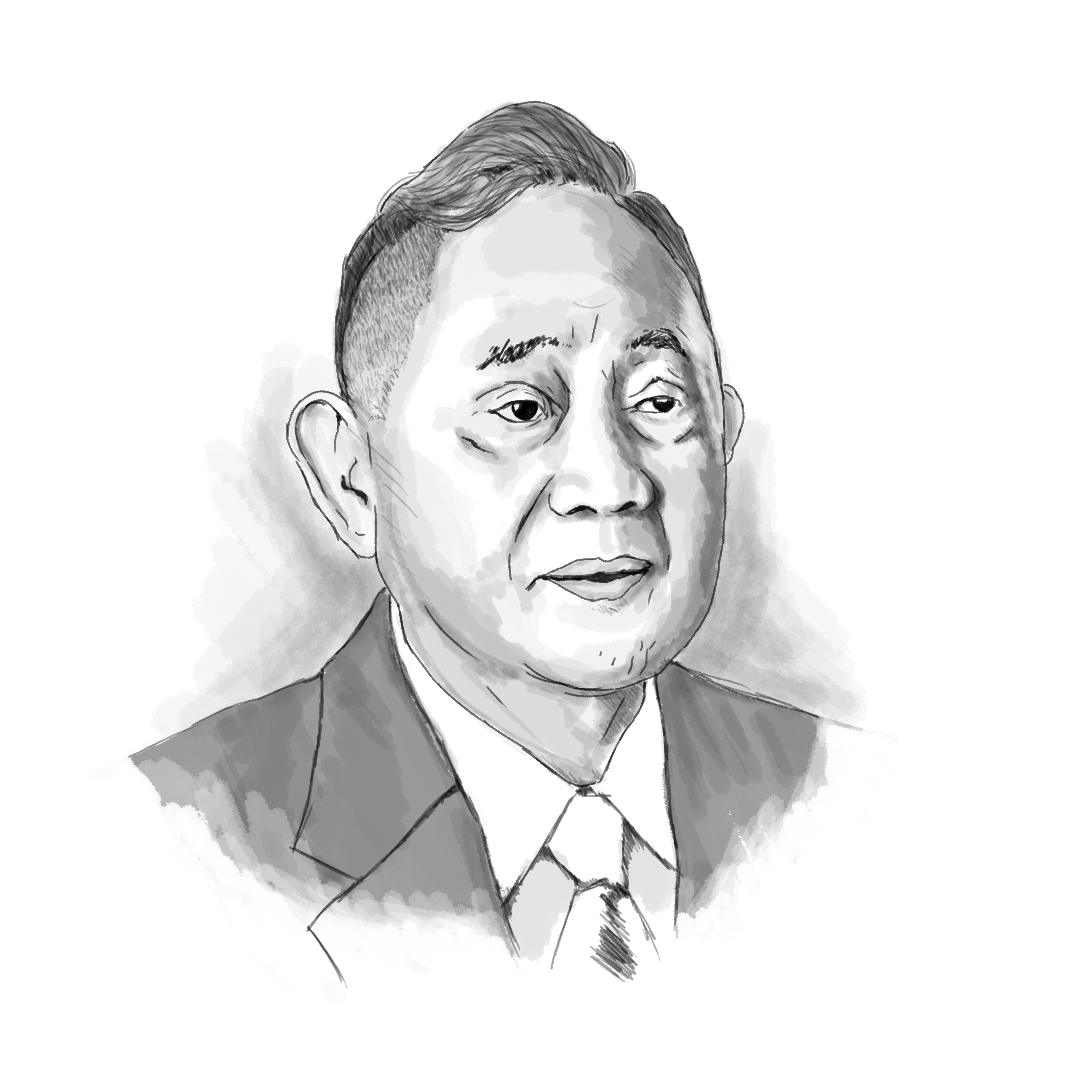
Remembering Judge Jose R. de Venecia Sr.

In previous columns, we shared stories of our visits to Lebanon — first in the early 1970s, during our time as a young entrepreneur in the Middle East and North Africa, and later in 2019, where we engaged in discussions with senior leaders of parliament and of political parties affiliated with the International Conference of Asian Political Parties, which we founded and led as chairman for many years. The last visit was part of our ongoing modest efforts to foster dialogue and cooperation in the international community through the platform of political parties.


As mentioned in our earlier columns, during our 2019 visit, we conferred with Speaker Nabih Berri of the Lebanese parliament, a Shia Muslim, who is most knowledgeable in geopolitics and religious history. We exchanged ideas on enhancing Philippines-Lebanon parliamentary cooperation as well as on the prospects of peace in the Middle East. We also met with then Deputy Speaker Elie Ferzil, a Greek Orthodox Christian, who is also very conversant in geopolitics. We discussed possible ways and means of helping advance the causes of peace and security in Asia through the channel of political parties under ICAPP.


Lebanon is the most religiously diverse country in the Middle East, composed of the two divisions of Islam (Sunni and Shia) and Christianity (Maronite Church, Orthodox Church, Melkite Greek Catholic Church, Protestant churches, and the Armenian Apostolic Church.


Lebanon’s political system is based on a confessionalist framework, which allocates political power among the country’s religious groups. Under this arrangement, the president must be a Maronite Christian, the prime minister must be a Sunni Muslim, the speaker of Parliament must be a Shia Muslim, and the deputy prime minister and deputy speaker of parliament positions are reserved for Greek Orthodox Christians. This system helps provide unity and stability in a country of diverse religions.


Since our last visit, the country has endured numerous heartbreaking events. We are glad that after two years of political paralysis, Lebanon has finally broken its stalemate with the election of a new president and prime minister, offering a glimmer of hope in a nation burdened by overlapping crises. This pivotal moment marks not just the end of an impasse but the potential for a new chapter — one that could steer Lebanon away from the brink and toward recovery and reform.


This moment is also an opportunity to redefine Lebanon’s regional and international relationships. Renewed engagement with the global community — particularly with Gulf countries, which have historically been key allies — could bring much-needed financial support and investment.


The challenges ahead are formidable. Lebanon’s economy is in shambles, with a collapsing currency, soaring inflation, and over three-quarters of its population living below the poverty line.


While the challenges are immense, Lebanon’s resilience is legendary. Its people have endured and rebuilt through wars, occupations, and crises. Today, they stand at a crossroads. The next few months will be critical. Success will depend not only on the actions of the President Joseph Aoun and Prime Minister Nawaf Salam, but also on the support and pressure of the international community and, most importantly, the resolve of the Lebanese people to demand and sustain reform. This is a rare chance to turn the page on decades of dysfunction. For Lebanon, new beginnings are not guaranteed — but they are possible.

Related Tags

PEACE-MAKER Former Speaker of the House Jose C. De Venecia Jr.
ADVERTISEMENT
.most-popular .layout-ratio{ padding-bottom: 79.13%; } @media (min-width: 768px) and (max-width: 1024px) { .widget-title { font-size: 15px !important; } }

{{ articles_filter_1561_widget.title }}

.most-popular .layout-ratio{ padding-bottom: 79.13%; } @media (min-width: 768px) and (max-width: 1024px) { .widget-title { font-size: 15px !important; } }

{{ articles_filter_1562_widget.title }}

.most-popular .layout-ratio{ padding-bottom: 79.13%; } @media (min-width: 768px) and (max-width: 1024px) { .widget-title { font-size: 15px !important; } }

{{ articles_filter_1563_widget.title }}

{{ articles_filter_1564_widget.title }}

.mb-article-details { position: relative; } .mb-article-details .article-body-preview, .mb-article-details .article-body-summary{ font-size: 17px; line-height: 30px; font-family: "Libre Caslon Text", serif; color: #000; } .mb-article-details .article-body-preview iframe , .mb-article-details .article-body-summary iframe{ width: 100%; margin: auto; } .read-more-background { background: linear-gradient(180deg, color(display-p3 1.000 1.000 1.000 / 0) 13.75%, color(display-p3 1.000 1.000 1.000 / 0.8) 30.79%, color(display-p3 1.000 1.000 1.000) 72.5%); position: absolute; height: 200px; width: 100%; bottom: 0; display: flex; justify-content: center; align-items: center; padding: 0; } .read-more-background a{ color: #000; } .read-more-btn { padding: 17px 45px; font-family: Inter; font-weight: 700; font-size: 18px; line-height: 16px; text-align: center; vertical-align: middle; border: 1px solid black; background-color: white; } .hidden { display: none; }
function initializeAllSwipers() { // Get all hidden inputs with cms_article_id document.querySelectorAll('[id^="cms_article_id_"]').forEach(function (input) { const cmsArticleId = input.value; const articleSelector = '#article-' + cmsArticleId + ' .body_images'; const swiperElement = document.querySelector(articleSelector); if (swiperElement && !swiperElement.classList.contains('swiper-initialized')) { new Swiper(articleSelector, { loop: true, pagination: false, navigation: { nextEl: '#article-' + cmsArticleId + ' .swiper-button-next', prevEl: '#article-' + cmsArticleId + ' .swiper-button-prev', }, }); } }); } setTimeout(initializeAllSwipers, 3000); const intersectionObserver = new IntersectionObserver( (entries) => { entries.forEach((entry) => { if (entry.isIntersecting) { const newUrl = entry.target.getAttribute("data-url"); if (newUrl) { history.pushState(null, null, newUrl); let article = entry.target; // Extract metadata const author = article.querySelector('.author-section').textContent.replace('By', '').trim(); const section = article.querySelector('.section-info ').textContent.replace(' ', ' '); const title = article.querySelector('.article-title h1').textContent; // Parse URL for Chartbeat path format const parsedUrl = new URL(newUrl, window.location.origin); const cleanUrl = parsedUrl.host + parsedUrl.pathname; // Update Chartbeat configuration if (typeof window._sf_async_config !== 'undefined') { window._sf_async_config.path = cleanUrl; window._sf_async_config.sections = section; window._sf_async_config.authors = author; } // Track virtual page view with Chartbeat if (typeof pSUPERFLY !== 'undefined' && typeof pSUPERFLY.virtualPage === 'function') { try { pSUPERFLY.virtualPage({ path: cleanUrl, title: title, sections: section, authors: author }); } catch (error) { console.error('ping error', error); } } // Optional: Update document title if (title && title !== document.title) { document.title = title; } } } }); }, { threshold: 0.1 } ); function showArticleBody(button) { const article = button.closest("article"); const summary = article.querySelector(".article-body-summary"); const body = article.querySelector(".article-body-preview"); const readMoreSection = article.querySelector(".read-more-background"); // Hide summary and read-more section summary.style.display = "none"; readMoreSection.style.display = "none"; // Show the full article body body.classList.remove("hidden"); } document.addEventListener("DOMContentLoaded", () => { let loadCount = 0; // Track how many times articles are loaded const offset = [1, 2, 3, 4, 5, 6, 7, 8, 9, 10]; // Offset values const currentUrl = window.location.pathname.substring(1); let isLoading = false; // Prevent multiple calls if (!currentUrl) { console.log("Current URL is invalid."); return; } const sentinel = document.getElementById("load-more-sentinel"); if (!sentinel) { console.log("Sentinel element not found."); return; } function isSentinelVisible() { const rect = sentinel.getBoundingClientRect(); return ( rect.top < window.innerHeight && rect.bottom >= 0 ); } function onScroll() { if (isLoading) return; if (isSentinelVisible()) { if (loadCount >= offset.length) { console.log("Maximum load attempts reached."); window.removeEventListener("scroll", onScroll); return; } isLoading = true; const currentOffset = offset[loadCount]; window.loadMoreItems().then(() => { let article = document.querySelector('#widget_1690 > div:nth-last-of-type(2) article'); intersectionObserver.observe(article) loadCount++; }).catch(error => { console.error("Error loading more items:", error); }).finally(() => { isLoading = false; }); } } window.addEventListener("scroll", onScroll); });

Sign up by email to receive news.