






Manila Bulletin
 Lifestyle
Health and Wellness
What is heart rate variability and how can it guide smarter leadership decisions
Lifestyle
Health and Wellness
What is heart rate variability and how can it guide smarter leadership decisions
Lifestyle
Health and Wellness
What is heart rate variability and how can it guide smarter leadership decisions
What is heart rate variability and how can it guide smarter leadership decisions
Published Sep 30, 2025 12:09 am


At A Glance
- People with higher HRV bounce back faster from setbacks, sleep more deeply, and stay emotionally steady when everything around them is chaos.
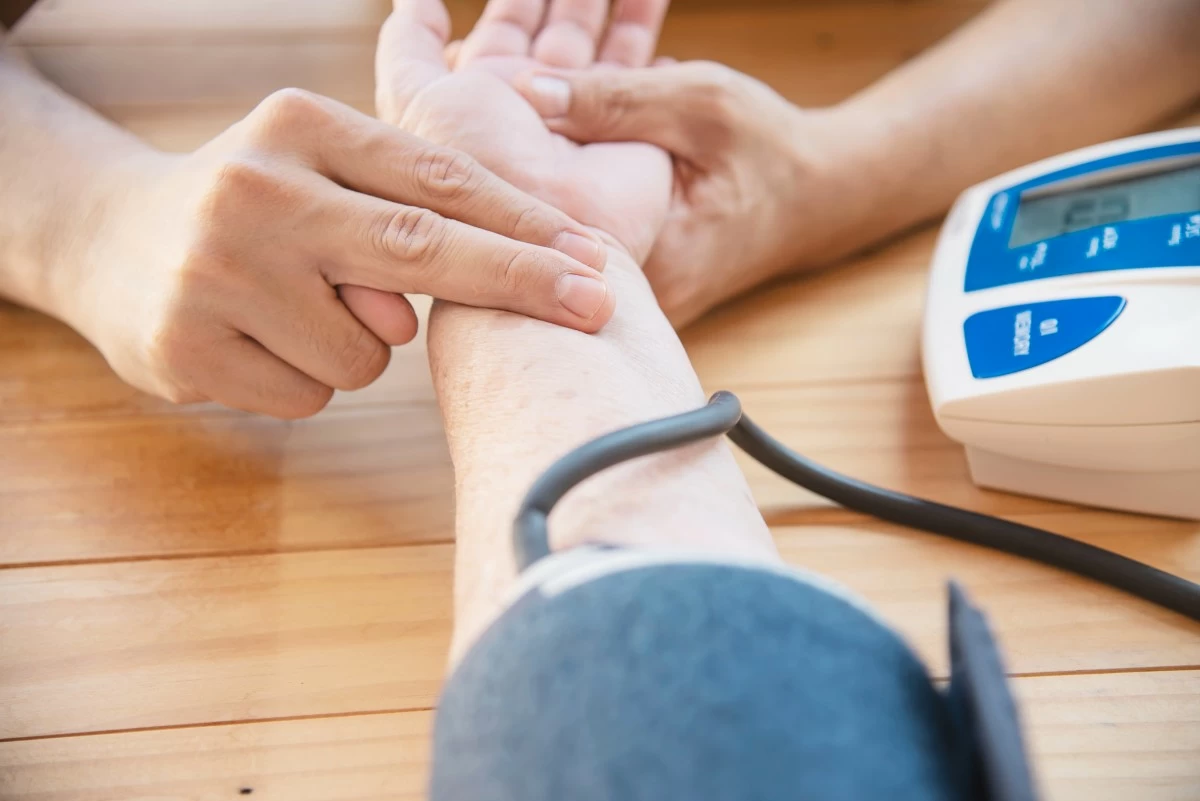
Photo from Freepik
Last week, I watched a CEO in Ortigas break down during our coffee meeting—not from any corporate crisis or market meltdown, but from sheer exhaustion. “I don’t understand,” he said, stirring his third espresso of the morning. “I’m doing everything right—hitting targets, pushing through 16-hour days, never missing deadlines. So why do I feel like I’m falling apart?”
His question struck me because I’d heard variations of it countless times before, from startup founders in BGC to government officials in Malacañang. We’ve become so good at measuring business performance that we’ve forgotten to measure our own human performance. That’s where heart rate variability—or HRV—comes in, offering a surprisingly intimate window into how stress is actually affecting our bodies.
When your heartbeat tells a story
Most people think a healthy heart beats like a metronome: steady, consistent, and reliable. But here’s what fascinates me—a truly healthy heart actually stutters a bit. Those tiny variations between each beat, measured in milliseconds, reveal whether your nervous system is adapting well to stress or getting stuck in permanent overdrive.
Think of it this way: When you’re relaxed, your heart can afford to be playful, speeding up slightly when you inhale, slowing down when you exhale. But when chronic stress takes hold—the kind that comes from endless Zoom calls, traffic-clogged commutes, and the relentless ping of WhatsApp notifications—your heart loses that flexibility. It becomes rigid, mechanical, almost fearful of variation.
Scientists call this heart rate variability, and it turns out to be one of the most reliable indicators of how well someone handles pressure. People with higher HRV bounce back faster from setbacks, sleep more deeply, and stay emotionally steady when everything around them is chaos. In other words, their hearts have learned the art of resilient leadership.
Making the invisible visible
The beautiful thing about HRV is that you don’t need a medical degree or hospital equipment to track it. I’ve started recommending simple chest-strap monitors to the executives I work with—the kind athletes use, paired with smartwatches that translate complex cardiac rhythms into digestible scores.
Take my morning routine: I wake up, still lying in bed, and check my HRV reading from the night before. If it’s low, I know my body needs gentleness that day. Maybe I can skip the intense workout and opt for a walk instead. Maybe I can build extra buffer time between meetings. It’s not about being lazy—it’s about being strategic with my energy.
The key is consistency. Your HRV baseline is as individual as your fingerprint, influenced by everything from genetics to that late-night Netflix binge. What matters isn’t comparing your numbers to anyone else’s, but noticing your own patterns. When does your HRV tank? What helps it recover? These insights become a personalized roadmap for sustainable performance.
The wisdom of workplace recovery
Here’s what surprised me most when organizations started tracking HRV collectively: The patterns told stories that no employee survey ever could. One company noticed its team’s HRV plummeted every Monday morning—turns out, weekend email expectations were preventing real rest. Another saw stress levels spike during quarterly planning, leading them to redesign those intense sessions with built-in recovery breaks.
This isn’t about turning workplaces into wellness retreats. It’s about recognizing that human beings aren’t machines that can run at maximum capacity indefinitely. Even the most sophisticated race car needs pit stops.
I think about that CEO from Ortigas often. After three months of HRV tracking, he discovered something revelatory: His most productive days weren’t when he powered through low readings, but when he honored them. When his HRV signaled stress, he’d take 10 minutes for breathing exercises, schedule walking meetings, or simply go to bed an hour earlier. His output didn’t decrease—if anything, the quality of his decisions improved.
Beyond the numbers
Of course, HRV isn’t a crystal ball. Age, genetics, and even the weather can influence your readings. Some mornings, you’ll feel fantastic despite a low score, or anxious despite high variability. That’s why I always tell people to pair their HRV data with old-fashioned self-awareness: How’s your mood? Your energy? Your sense of purpose?
The real magic happens when objective data meets subjective wisdom. Your smartwatch might say you’re stressed, but only you know whether that stress is the energizing kind that comes from meaningful challenge, or the depleting kind that comes from chronic overwhelm.
In our hyperconnected world, where Metro Manila never truly sleeps and global markets demand constant attention, perhaps the most radical act of leadership is learning to pause and listen—not just to the noise around us, but to the quiet rhythm within us. After all, the heart that beats with variability isn’t weak—it’s wise enough to know that true strength lies not in rigid consistency, but in the graceful ability to adapt.
Your heart is already teaching you about resilience. The question is: Are you ready to listen?