ADVERTISEMENT

Understanding hernia

Where, why, and when it happens

By MBrand
Published Sep 30, 2025 09:47 am  |  Updated Oct 2, 2025 11:43 am
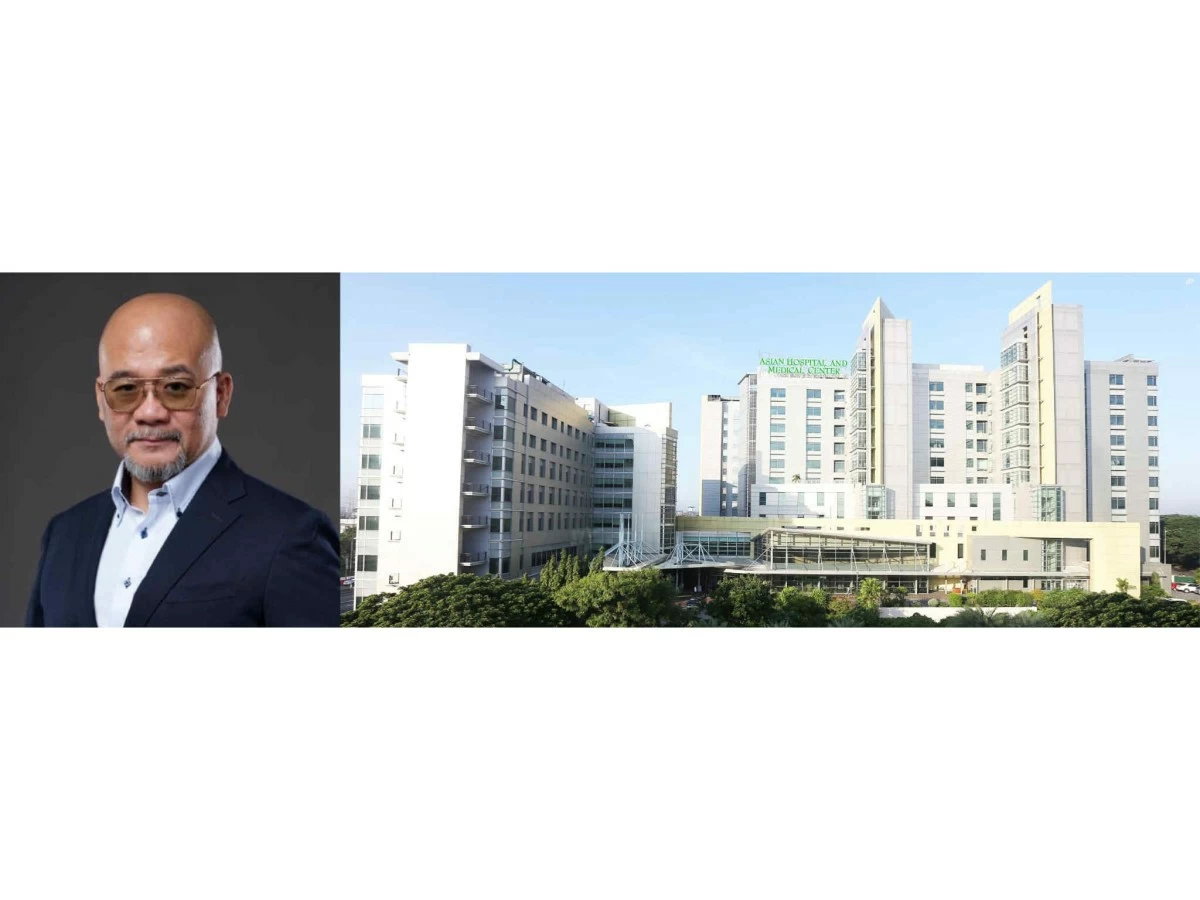
By Dr. Carlos E. Ejercito, Jr.
Chairman, Asian Institute of Surgery
Asian Hospital and Medical Center
Hernias are among the most common surgical conditions worldwide, yet many people remain unaware of how and why they occur. Simply put, a hernia happens when an internal organ or tissue pushes through a weak spot in the muscle or connective tissue that normally holds it in place. They usually present as a bulge. While often not immediately life-threatening, hernias can cause discomfort, pain, and complications if left untreated. Although inguinal hernias occur more often in males, females are also susceptible to developing them.
Where Hernias happen
Hernias can occur in different parts of the body, but they most often develop in the abdomen. The most common types include inguinal hernias, which appear in the groin; femoral hernias, which occur in the upper thigh; umbilical hernias, near the belly button; and hiatal hernias, where part of the stomach bulges into the chest through the diaphragm. Surgical scars can also create weak spots, leading to incisional hernias. Essentially, any area where muscle or tissue is thin or weakened is at risk.
Why Hernias happen
The underlying cause of a hernia is a weakness in the muscle or fascia, combined with pressure inside the body. This pressure may come from heavy lifting, chronic coughing, straining during bowel movements, pregnancy, obesity, or even aging. Some people are born with naturally weak abdominal walls, making them more prone to hernias later in life. Over time, everyday activities—coughing, sneezing, or even laughing—can exploit these weak points, allowing tissue to push through.
When Hernias happen
Hernias can develop at any age, from newborns with congenital abdominal wall defects to elderly adults whose muscles have weakened over decades. While some hernias appear suddenly after a strain or injury, many develop slowly over months or years as pressure repeatedly acts on a weak area. They often start small and painless but may enlarge and become uncomfortable over time. Prompt medical attention is advised when symptoms such as pain, swelling, or a visible bulge appear, especially if the hernia becomes hard, tender, or cannot be pushed back—signs of a possible emergency called strangulation.
Prevention and treatment
Though not all hernias can be prevented, maintaining a healthy weight, practicing proper lifting techniques, treating chronic coughs or constipation, and strengthening core muscles can reduce risk. Once a hernia forms, however, surgery is usually the definitive treatment to repair the defect and prevent complications.
Hernias are common but not to be ignored. Recognizing where they occur, why they develop, and when to seek care can mean the difference between a simple outpatient procedure and a life-threatening emergency.
The Asian Institute of Surgery of the Asian Hospital and Medical Center has a center that provides care for hernia patients. We offer various options for hernia repair, from open surgery to minimally invasive surgery. The type of intervention depends on the case and patient preference. Although the open surgical technique is the most commonly used in the country, with the advanced surgical skills at the Asian Institute of Surgery, laparoscopic hernia repair has become the more common procedure.
It is a minimally invasive intervention wherein small incisions are made, a camera and instruments are inserted to repair the hernia, and a mesh is used to reinforce the abdominal wall. Recovery time is significantly faster, and patients can expect less post-operative pain and minimal scarring. Open surgery may still be advised for complicated cases.
If you or someone you know notices a bulge in the groin or is experiencing symptoms of a hernia, consult the highly skilled and extensively trained doctors at the Asian Institute of Surgery at Asian Hospital and Medical Center for exceptional surgical care.
For inquiries, call the Asian Hospital and Medical Center’s Asian Institute of Surgery at 8771-9000 local 5729 and 8243 or send us an email at [email protected]. Follow Asian Hospital social media pages for up-to-date information at //AsianHospitalPH.

Related Tags

Health and Wellness Asian Hospital and Medical Center
ADVERTISEMENT
.most-popular .layout-ratio{ padding-bottom: 79.13%; } @media (min-width: 768px) and (max-width: 1024px) { .widget-title { font-size: 15px !important; } }

{{ articles_filter_1561_widget.title }}

.most-popular .layout-ratio{ padding-bottom: 79.13%; } @media (min-width: 768px) and (max-width: 1024px) { .widget-title { font-size: 15px !important; } }

{{ articles_filter_1562_widget.title }}

.most-popular .layout-ratio{ padding-bottom: 79.13%; } @media (min-width: 768px) and (max-width: 1024px) { .widget-title { font-size: 15px !important; } }

{{ articles_filter_1563_widget.title }}

{{ articles_filter_1564_widget.title }}

.mb-article-details { position: relative; } .mb-article-details .article-body-preview, .mb-article-details .article-body-summary{ font-size: 17px; line-height: 30px; font-family: "Libre Caslon Text", serif; color: #000; } .mb-article-details .article-body-preview iframe , .mb-article-details .article-body-summary iframe{ width: 100%; margin: auto; } .read-more-background { background: linear-gradient(180deg, color(display-p3 1.000 1.000 1.000 / 0) 13.75%, color(display-p3 1.000 1.000 1.000 / 0.8) 30.79%, color(display-p3 1.000 1.000 1.000) 72.5%); position: absolute; height: 200px; width: 100%; bottom: 0; display: flex; justify-content: center; align-items: center; padding: 0; } .read-more-background a{ color: #000; } .read-more-btn { padding: 17px 45px; font-family: Inter; font-weight: 700; font-size: 18px; line-height: 16px; text-align: center; vertical-align: middle; border: 1px solid black; background-color: white; } .hidden { display: none; }
function initializeAllSwipers() { // Get all hidden inputs with cms_article_id document.querySelectorAll('[id^="cms_article_id_"]').forEach(function (input) { const cmsArticleId = input.value; const articleSelector = '#article-' + cmsArticleId + ' .body_images'; const swiperElement = document.querySelector(articleSelector); if (swiperElement && !swiperElement.classList.contains('swiper-initialized')) { new Swiper(articleSelector, { loop: true, pagination: false, navigation: { nextEl: '#article-' + cmsArticleId + ' .swiper-button-next', prevEl: '#article-' + cmsArticleId + ' .swiper-button-prev', }, }); } }); } setTimeout(initializeAllSwipers, 3000); const intersectionObserver = new IntersectionObserver( (entries) => { entries.forEach((entry) => { if (entry.isIntersecting) { const newUrl = entry.target.getAttribute("data-url"); if (newUrl) { history.pushState(null, null, newUrl); let article = entry.target; // Extract metadata const author = article.querySelector('.author-section').textContent.replace('By', '').trim(); const section = article.querySelector('.section-info ').textContent.replace(' ', ' '); const title = article.querySelector('.article-title h1').textContent; // Parse URL for Chartbeat path format const parsedUrl = new URL(newUrl, window.location.origin); const cleanUrl = parsedUrl.host + parsedUrl.pathname; // Update Chartbeat configuration if (typeof window._sf_async_config !== 'undefined') { window._sf_async_config.path = cleanUrl; window._sf_async_config.sections = section; window._sf_async_config.authors = author; } // Track virtual page view with Chartbeat if (typeof pSUPERFLY !== 'undefined' && typeof pSUPERFLY.virtualPage === 'function') { try { pSUPERFLY.virtualPage({ path: cleanUrl, title: title, sections: section, authors: author }); } catch (error) { console.error('ping error', error); } } // Optional: Update document title if (title && title !== document.title) { document.title = title; } } } }); }, { threshold: 0.1 } ); function showArticleBody(button) { const article = button.closest("article"); const summary = article.querySelector(".article-body-summary"); const body = article.querySelector(".article-body-preview"); const readMoreSection = article.querySelector(".read-more-background"); // Hide summary and read-more section summary.style.display = "none"; readMoreSection.style.display = "none"; // Show the full article body body.classList.remove("hidden"); } document.addEventListener("DOMContentLoaded", () => { let loadCount = 0; // Track how many times articles are loaded const offset = [1, 2, 3, 4, 5, 6, 7, 8, 9, 10]; // Offset values const currentUrl = window.location.pathname.substring(1); let isLoading = false; // Prevent multiple calls if (!currentUrl) { console.log("Current URL is invalid."); return; } const sentinel = document.getElementById("load-more-sentinel"); if (!sentinel) { console.log("Sentinel element not found."); return; } function isSentinelVisible() { const rect = sentinel.getBoundingClientRect(); return ( rect.top < window.innerHeight && rect.bottom >= 0 ); } function onScroll() { if (isLoading) return; if (isSentinelVisible()) { if (loadCount >= offset.length) { console.log("Maximum load attempts reached."); window.removeEventListener("scroll", onScroll); return; } isLoading = true; const currentOffset = offset[loadCount]; window.loadMoreItems().then(() => { let article = document.querySelector('#widget_1690 > div:nth-last-of-type(2) article'); intersectionObserver.observe(article) loadCount++; }).catch(error => { console.error("Error loading more items:", error); }).finally(() => { isLoading = false; }); } } window.addEventListener("scroll", onScroll); });

Sign up by email to receive news.