







HSBC marks 150 years of strengthening global connections for Filipinos
By MBrand
Published Sep 30, 2025 06:21 am


At A Glance
- While its core purpose has remained the same for 150 years, HSBC Philippines has never stood still despite wars, economic shifts, and rapid change. It continues to adapt to the times, investing in technology, strengthening its services, and pushing for innovations that make banking simpler, faster, and more secure.
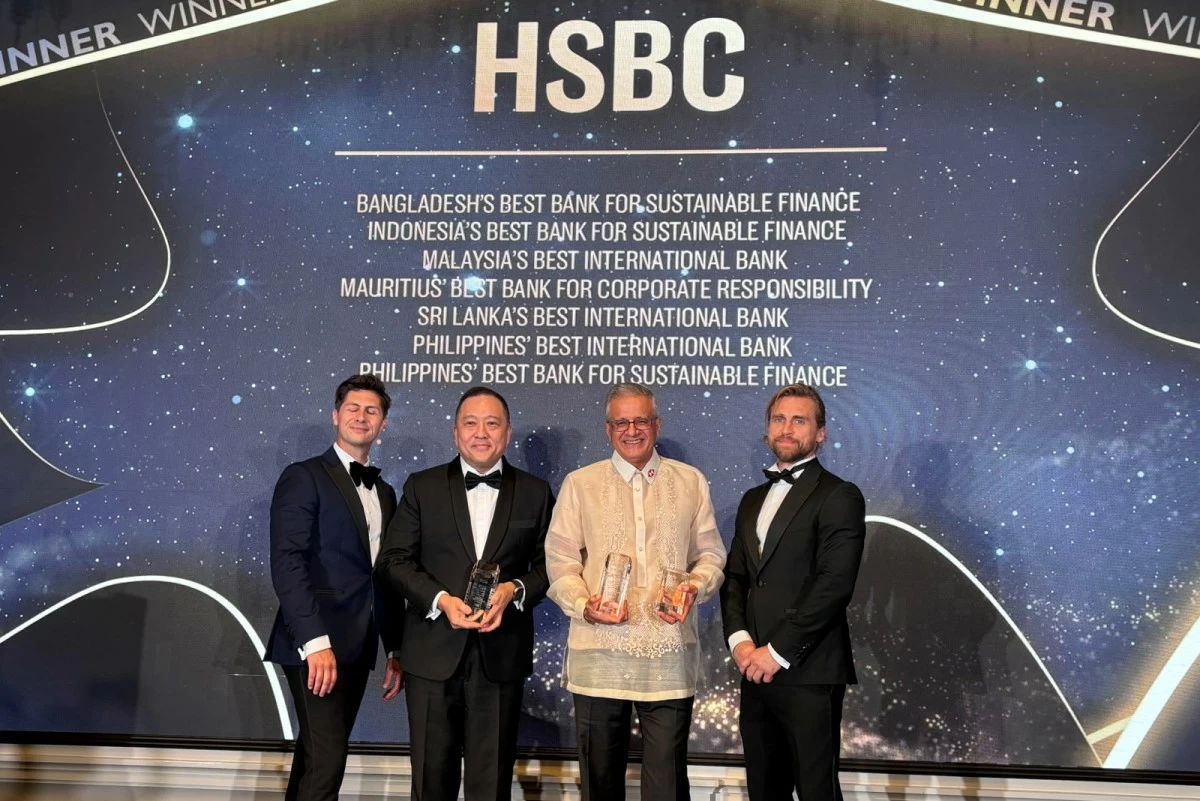
HSBC Philippines CEO Sandeep Uppal (third from left) receives recognition from Euromoney as Philippines Best International Bank.
HSBC has been part of the Philippine story for 150 years. What began in Binondo in 1875 supporting the sugar trade has grown into a bank that has helped shape many chapters of the country’s history, from financing the country’s first railway, restoring pre-war balances after World War II, to supporting generations of entrepreneurs and families.
“HSBC has been part of the Philippines’ story for 150 years,” said Sandeep Uppal, CEO of HSBC Philippines. “We are proud of our heritage, but even more proud of the trust that generations of Filipinos have given us, which has inspired us to keep serving, adapting, and finding opportunities to connect the Philippines to the world.”
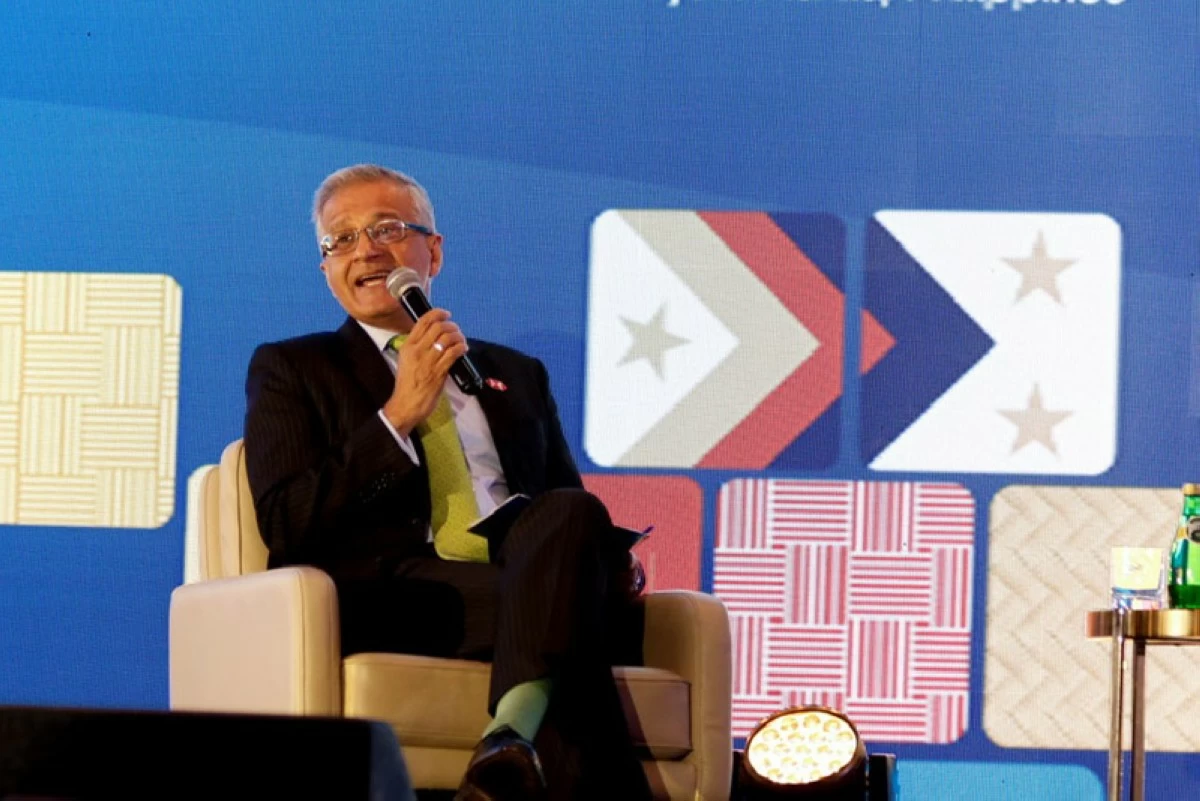
HSBC Philippines CEO Sandeep Uppal talks about the bank's local and global investment opportunities.
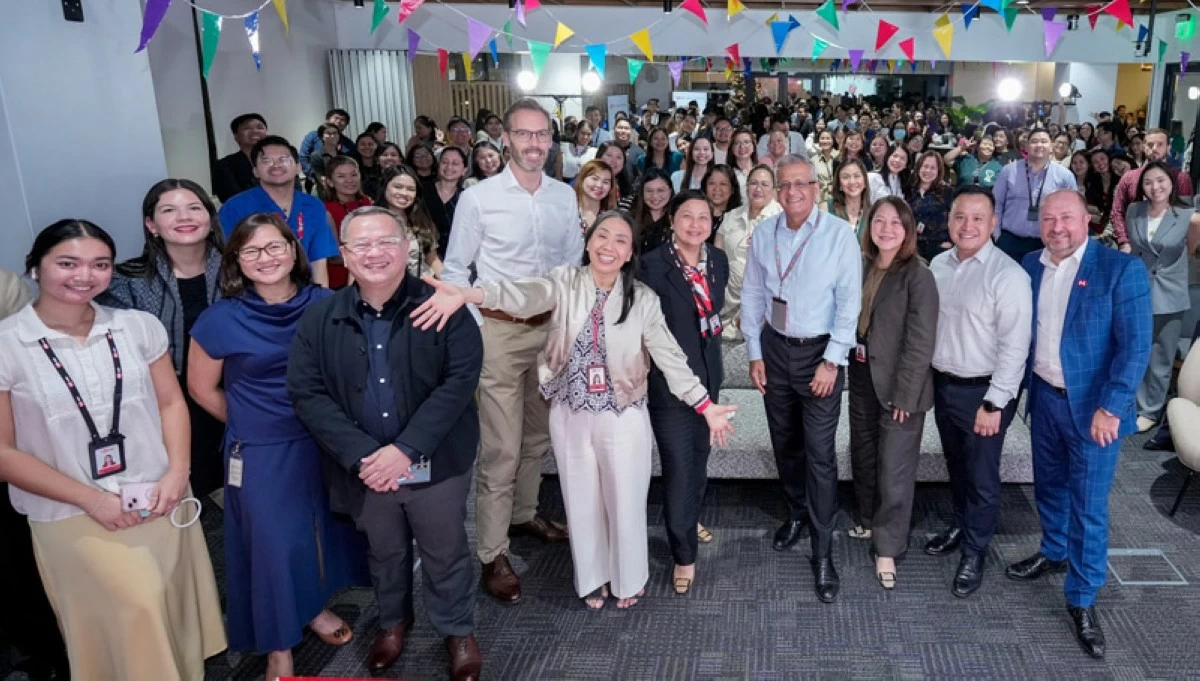
HSBC Philippines CEO Sandeep Uppal with the Bank’s executive committee at a recent town hall.
While its core purpose has remained the same for 150 years, HSBC Philippines has never stood still despite wars, economic shifts, and rapid change. It continues to adapt to the times, investing in technology, strengthening its services, and pushing for innovations that make banking simpler, faster, and more secure. That ability to evolve while staying grounded in its mission has kept HSBC relevant across generations.
Recognition from the industry
Because of their unwavering commitment, HSBC has earned recognition in the Philippines and abroad.
Euromoney, Finance Asia, and Global Frontier Awards named it the Philippines’ Best International Bank. While in retail banking, Asian Banking & Finance awarded HSBC the International Retail Bank of the Year for the fifth consecutive year. More recently, the Global Retail Banking Innovation Awards recognized it as Best International Retail Bank for the Philippines.
Euromoney also named it Best International Private Bank in the Philippines for the third consecutive year. HSBC was also honored as Employer of the Year by the Asian Banking and Finance Retail Banking Awards, a reminder that its focus on people goes beyond clients.
HSBC Philippines Euromoney Award for the second year in a row.
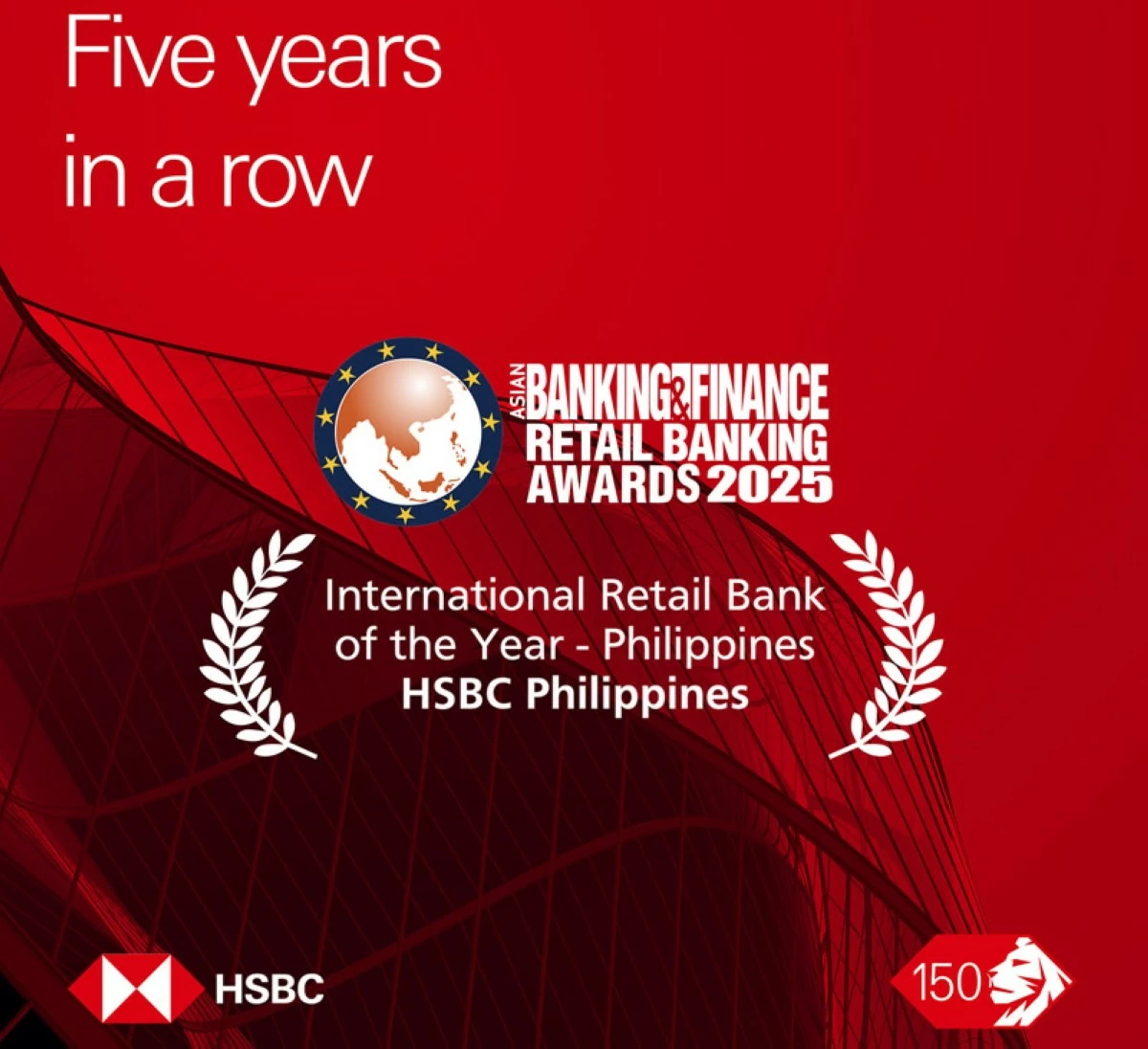
HSBC has also been cited for leadership in cash management, trade finance, sustainable finance, and supply chain solutions. The said awards and recognition of HSBC through the years shows its consistency and strengthen its reputation and reliability in the field of banking and finance.
Banking in the digital age
The way people bank has changed dramatically, and HSBC Philippines has moved with it. Customers now expect banking to be safe, simple, and always within reach.
With this in mind, HSBC Philippines continues to reinforce its digital solutions. Its mobile app, for instance, offers biometric login for speed and security, an intuitive layout, and a digital secure key to protect accounts. Customers are given the convenience to open accounts, avail of wealth products, and promos digitally, avoiding the need for paperwork. HSBC’s wide global network makes it possible for customers to conveniently move money instantly and without fees, no matter where they are in the world.
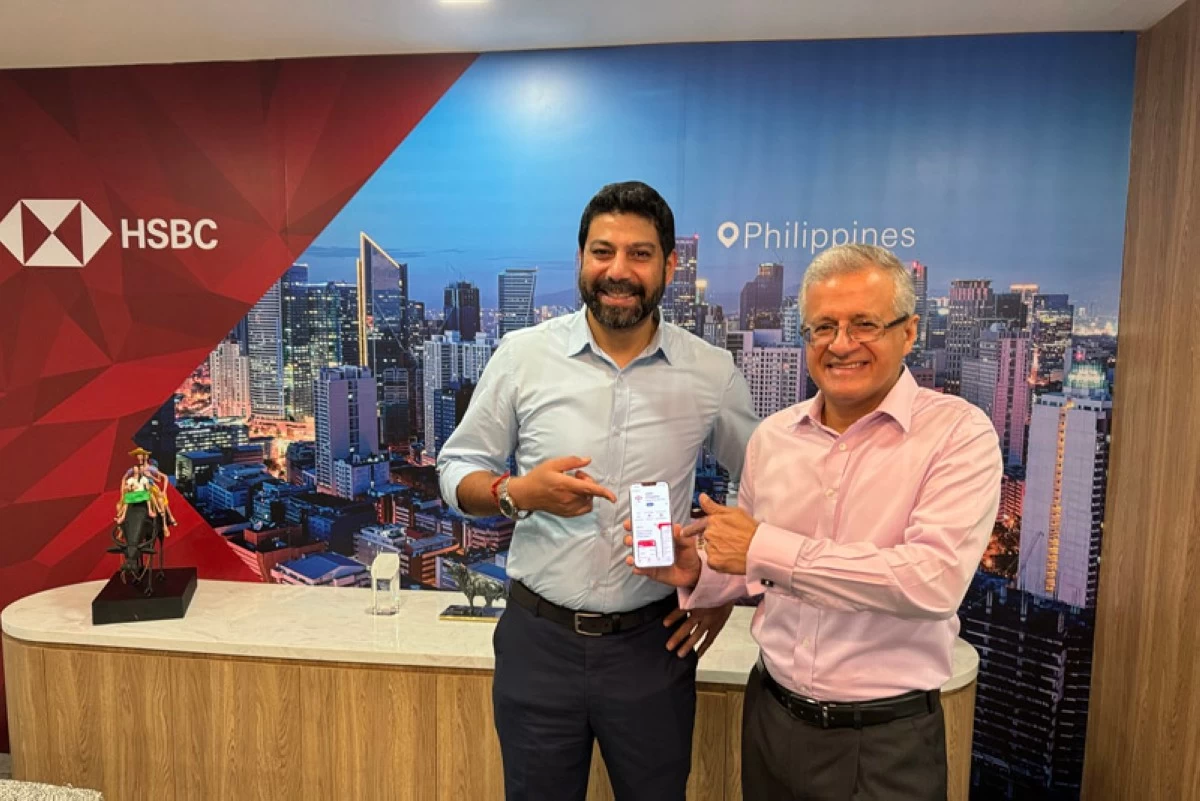
HSBC Philippines Head of International Wealth and Premier Banking Pramoth Rajendran and CEO Sandeep Uppal showcasing the bank's mobile app.

HSBC Philippines Markets and Securities Services team led by Corrie Purisima.

HSBC Philippines Global Payments Solutions—Client Services team.
Digital platforms now support wealth planning, giving customers easier ways to grow their investments. For companies, HSBC Philippines has remained at the forefront supporting the market’s digital transformation with adoption of technologies that help to improve efficiency and customer experience. It enables institutions to realise a fully digital collections and payments process through Omni Collect, a single payment gateway across online and offline, as well as the full deployment of Instapay to allow institutions to send and receive payments via Real Time Payments rail channel. It also helps facilitate more efficient trade flows with HSBC TradePay, an innovative digital trade finance solution that allow clients effortlessly drawdown trade loans and concurrently pay suppliers.
The push into digital is about more than convenience. It’s about preparing for a future where speed, efficiency, and security define how people and businesses manage money.
Balancing Technology with Personal Service
HSBC understands that not everything can be solved with an app. Many customers still want someone they can talk to, and HSBC makes sure that option is there through its Relationship Managers and dedicated team of experts who can sit down with families to plan for overseas education, guide professionals in managing their wealth, and help businesses explore opportunities abroad.
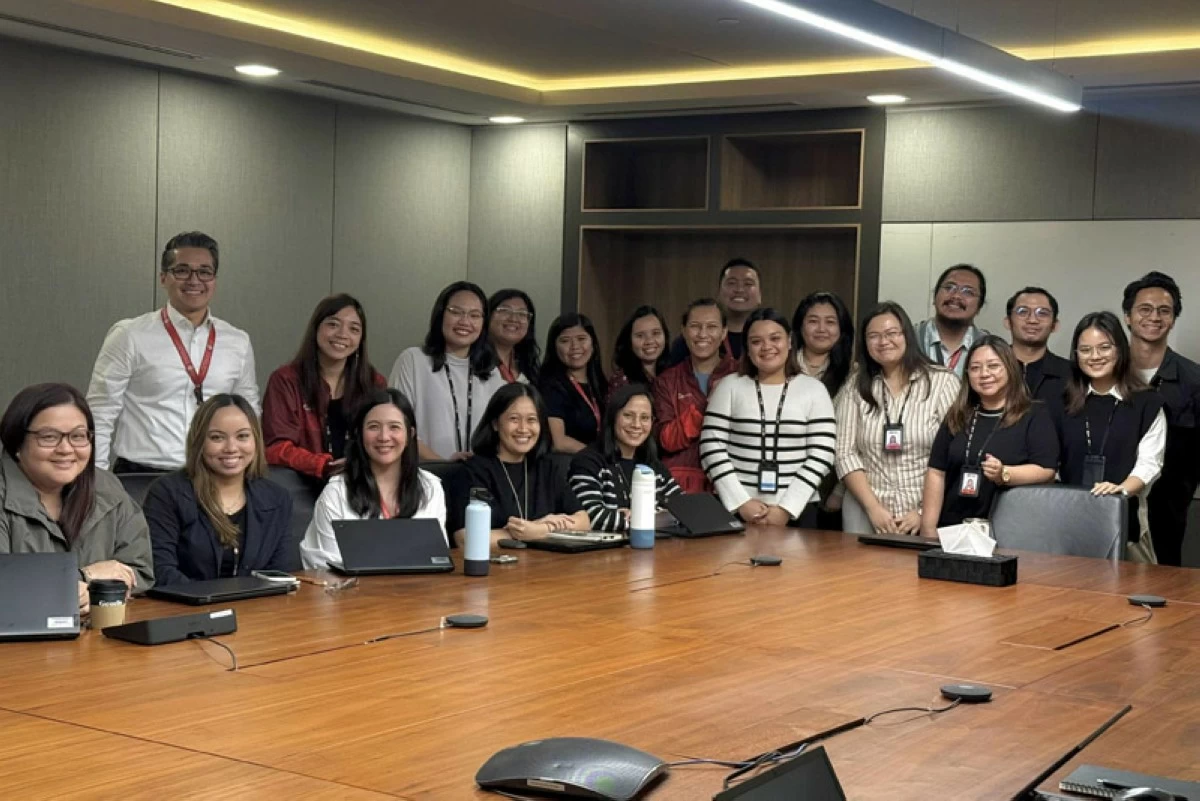
HSBC Philippines Global Trade Solutions team
HSBC Premier is designed for this kind of support as it provides customers global recognition, real-time me-to-me transfers between accounts in different countries, and access to wealth hubs overseas. Families can even extend Premier privileges to spouses and children, making banking simpler across generations.
Supporting the nation’s growth
HSBC has also been a steady partner to both government and business. It has worked with the Department of Trade and Industry and the Philippine Economic Zone Authority to showcase the country as an investment destination.

HSBC Philippines Head of International Wealth and Premier Banking Pramoth Rajendran with HSBC Wealth Heads.
The bank helped the government raise USD 2.5 billion through a sustainability bond—the largest of its kind in Asia Pacific outside Japan. It also stood behind companies like SM Investments Corporation and Vista Land as they tapped the international bond market. They also provided working capital for women-led small and medium enterprises through a USD 115 million social loan co-financed with the Asian Development Bank.
Commitment to people and communities
HSBC puts priority on providing its employees a workplace built on care and inclusion, giving them strong healthcare coverage, mental health support, expanded parental leave, and solid retirement plans. It also offers training and development programs that allow growth and skills enhancement for the future. Because of its employee initiatives, HSBC has been named Employer of the Year by countless award-giving organizations.
Beyond the workplace, HSBC is active in the community. In partnership with WWF Philippines, it supports a mangrove protection program along the Ticao-Burias Pass, which aims to safeguard coastal ecosystems while giving local communities better ways to sustain their livelihoods.
Looking ahead
As HSBC marks 150 years in the Philippines, its mission remains the same—to connect Filipinos to opportunities around the world. What started with sugar traders in the 19th century has grown into a relationship that now covers trade, investment, and digital banking. Through the years, it has stayed relevant by adapting to change and remained trusted by keeping its purpose clear.
This milestone is not only about honoring the past but also about looking ahead to the role HSBC will continue to play in the country’s progress—built on its heritage, strengthened by innovation, and guided by its commitment to be a long-term partner in the Philippines’ growth.