








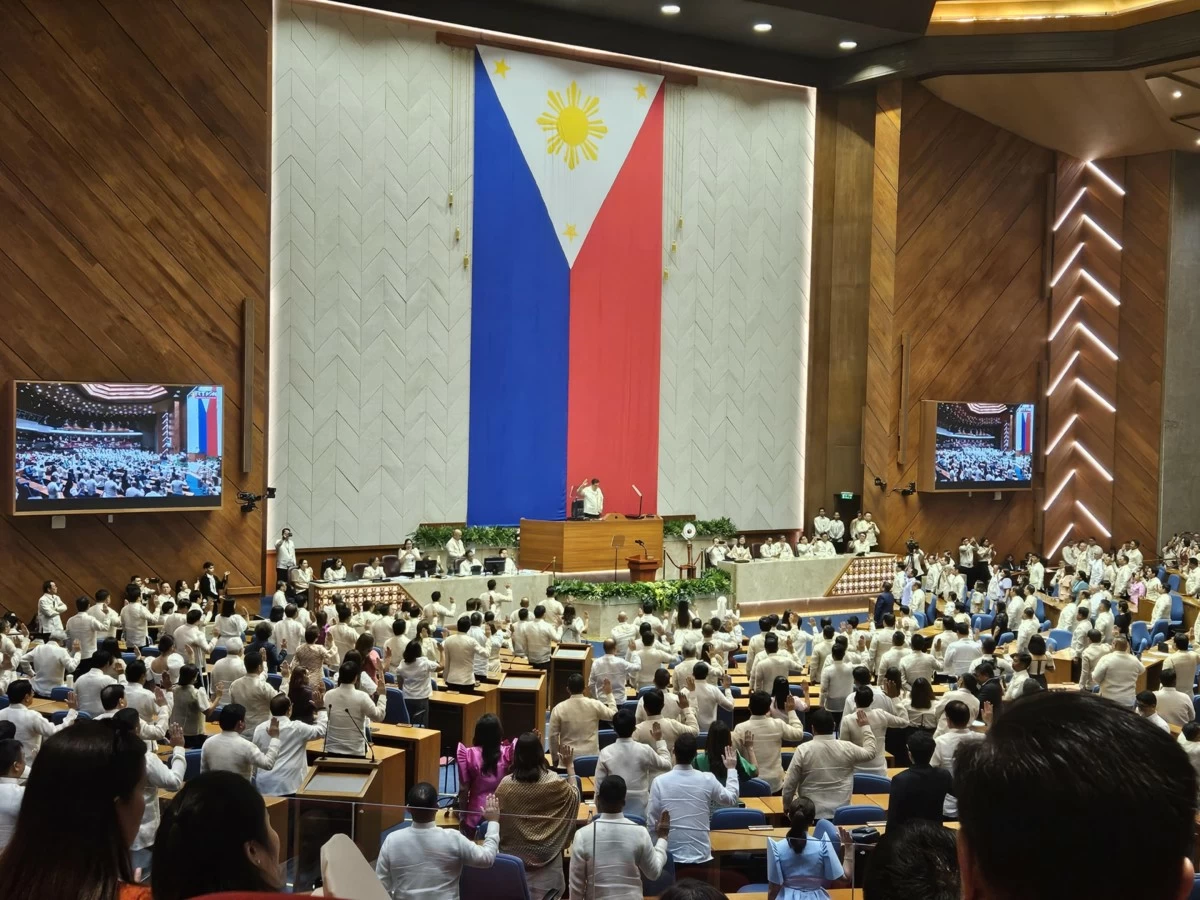
The ongoing House plenary debates on the 2026 national budget have shed light on why Department of Health (DOH) Secretary Ted Herbosa has described non-functioning health centers across the country as the agency’s version of the flood control projects mess.
Akbayan Party-list Rep. Chel Diokno, during his interpellation of the Department of Health (DOH) budget Monday, Sept. 29, highlighted the sorry state of the Health Facilities Enhancement Program (HFEP).
"Kung hindi maayos ang pagtakbo ng HFEP, ang nadedehado ang mga mahihirap na pamilyang Pilipino. Dehado na sila sa pagkain, dehado na sila sa trabaho. Pati sa health kung palpak ang HFEP ay dehado din," Diokno told the DOH budget sponsor, Bataan 2nd district Rep. Albert Garcia.
(If the HFEP does not run properly, poor Filipino families are the ones disadvantaged. They’re already disadvantaged when it comes to food, already disadvantaged in employment. Even in health, if the HFEP fails, they’re disadvantaged too.)
Citing DOH data, P170 billion has been allocated to HFEP infrastructure and equipment in the past decade, rising to about P400 billion if commodities and human resources are included.
However, only 200 out of 600 health centers are functioning nationwide, with many facilities not functioning or remaining idle, the House, members learned.
“Yun po ba ang dahilan kung bakit itinuring ni Secretary Herbosa na yung HFEP ang ‘flood control’ version ng DOH? (Is this why Secretary Herbosa considers the HFEP as DOH's version of 'flood control?)'” Diokno asked, alluding to the DOH chief's statement earlier this month.
So disenchanted is Herbosa with HFEP that he's looking at shelving the program.
Public outrage against the government has been on a high due the Department of Public Works and Highways (DPWH) flood control projects corruption scandal.
Diokno also raised concern about the DOH's failure to immediately address the 2017 Commission on Audit (COA) performance audit recommending stronger procurement, monitoring, and evaluation systems for HFEP.
"Kaya ko po tinatanong iyan dahil noon pang 2017 ang [COA] sa isang performance audit report ay inisa-isa po nila itong dapat ginawa ng [DOH]. Hindi po ng mga LGU (local government unit) kundi ng [DOH] mismo para ayusin ang HFEP dahil nga ang nadedehado, kung hindi maayos ang delivery ng health facilities enhancement program, ay ang mga mahihirap po na mga Pilipino, mga pamilya," he pointed out.
(I’m asking that because as early as 2017, the [COA], in a performance audit report, listed what the [DOH] should have done. Not the LGU, but the [DOH] itself, to fix the HFEP because if the delivery of the Health Facilities Enhancement Program is not done properly, the ones disadvantaged are poor Filipino families.)
"I'm wondering why it's been seven years since this performance audit report was made but only now that these controls are being strengthened by the department," added the Akbayan solon.
Citing a study conducted by the Philippine Institute of Development Studies (PIDS), Diokno also called out the unequal HFEP fund distribution, with some wealthier LGUs still receiving allocations despite not being among those with the greatest need.
“Yung talagang nangangailangan ay hindi nabibigyan or hindi napopondohan ng [HFEP] (,Those who are truly in need don't benefit or are not funded by HFEP)," he said.
Diokno also called on the DOH to allocate sufficient budget for the implementation of a health-based approach to the drug problem, in line with President Marcos' statement that the administration’s anti-drug campaign will be “more humane and health-based".