






Manila Bulletin
 Business
Trade & Industry
Asia Pacific airlines see double-digit growth in passenger traffic
Business
Trade & Industry
Asia Pacific airlines see double-digit growth in passenger traffic
Business
Trade & Industry
Asia Pacific airlines see double-digit growth in passenger traffic
Asia Pacific airlines see double-digit growth in passenger traffic
Published Sep 30, 2025 09:51 pm
|
Updated Oct 1, 2025 07:01 am


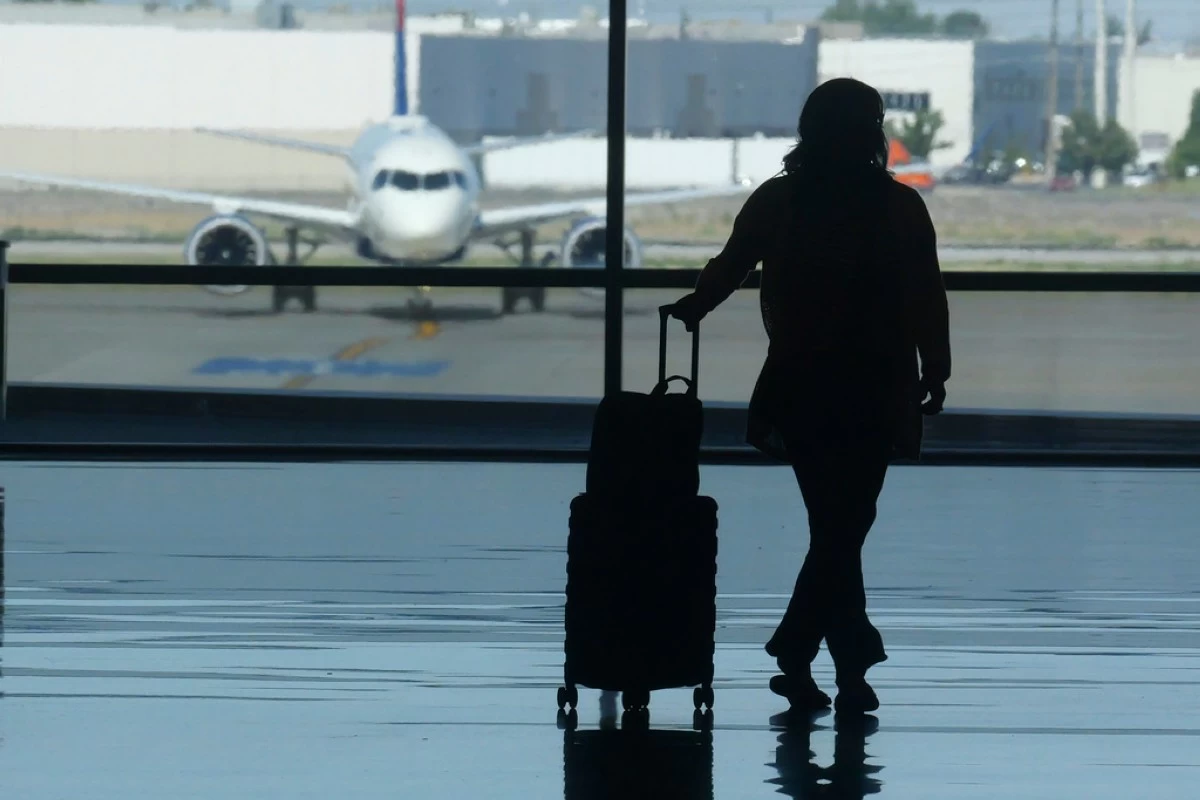
FILE - A traveler looks out at an airplane at Salt Lake City International Airport, in Salt Lake City, July 3, 2024. (AP Photo/Rick Bowmer, File)
Passenger volume across airlines in the Asia Pacific rose by 11 percent from January to August, as demand for air travel continues to soar, with both leisure and business trips reaching new heights despite tariff-induced setbacks.
Based on the latest report of the Association of Asia Pacific Airlines (AAPA), the region’s airlines carried 258.04 million passengers in the first eight months, higher than 232.89 million passengers in the same period in 2024.
The airlines registered a 12 percent growth in traffic, as measured in revenue passenger kilometers (RPK), by the end of August driven by an upswing in longer-haul markets.
RPK, a key indicator of demand, determines the number of kilometers traveled by a paying passenger.
The average load factor in the eight-month period stood at 82.2 percent, inching up from last year’s 81.6 percent, indicating that the number of seats booked against total capacity increased this year.
AAPA aggregates data from 37 carriers based in Asia Pacific.
In the Philippines, it covers flag carrier Philippine Airlines (PAL) and low-cost carriers Cebu Pacific and AirAsia.
AAPA Director General Subhas Menon said the strong figures over the eight months reflect the continued growth in international passenger demand “on the back of strong business and leisure travel activity across the region and globally.”
With four months left in the year, Menon said the region’s carriers remain optimistic that travel demand will stay resilient.
Looking ahead, he noted that the steady growth will be “underpinned by continued expansion in global economic activity, particularly in Asia.”
“On the cargo front, the near-term outlook is likely to be shaped by further developments in global trade policy and inventory cycles,” said Menon.
By the end of August, international air cargo demand—as measured in freight tonne kilometres (FTK)—grew by six percent, with offered freight capacity growing by seven percent.
Menon said the strong activity in cargo, particularly in August, was driven by stockpiling activity as firms sought to mitigate the impact of tariff-related price pressures.
“Shifts in trade flows, driven by higher tariffs, also lent support to cargo traffic growth from the region’s major manufacturing hubs,” he said.
The United States (US) officially imposed on Aug. 7 reciprocal tariffs on the majority of its trading partners. The Philippines was slapped with a 19 percent tariff rate.
Menon said that despite these protectionist measures, coupled with supply chain constraints, the passenger and cargo markets remain resilient.
He, however, said that airlines should not be complacent and instead focus on remaining agile in responding to market demand while maintaining vigilance in cost management.
“Overall, Asia Pacific airlines are well-positioned to navigate the wider economic and operational challenges that present themselves in the coming months,” Menon said.