







What is syndromic testing?
Introducing state-of-the-art testing for patients
Published Sep 29, 2025 12:16 am
|
Updated Sep 29, 2025 05:56 am


At A Glance
- If you can test one organism with an automated PCR test, why not test many organisms at the same time? This idea gave rise to the concept of syndromic testing.
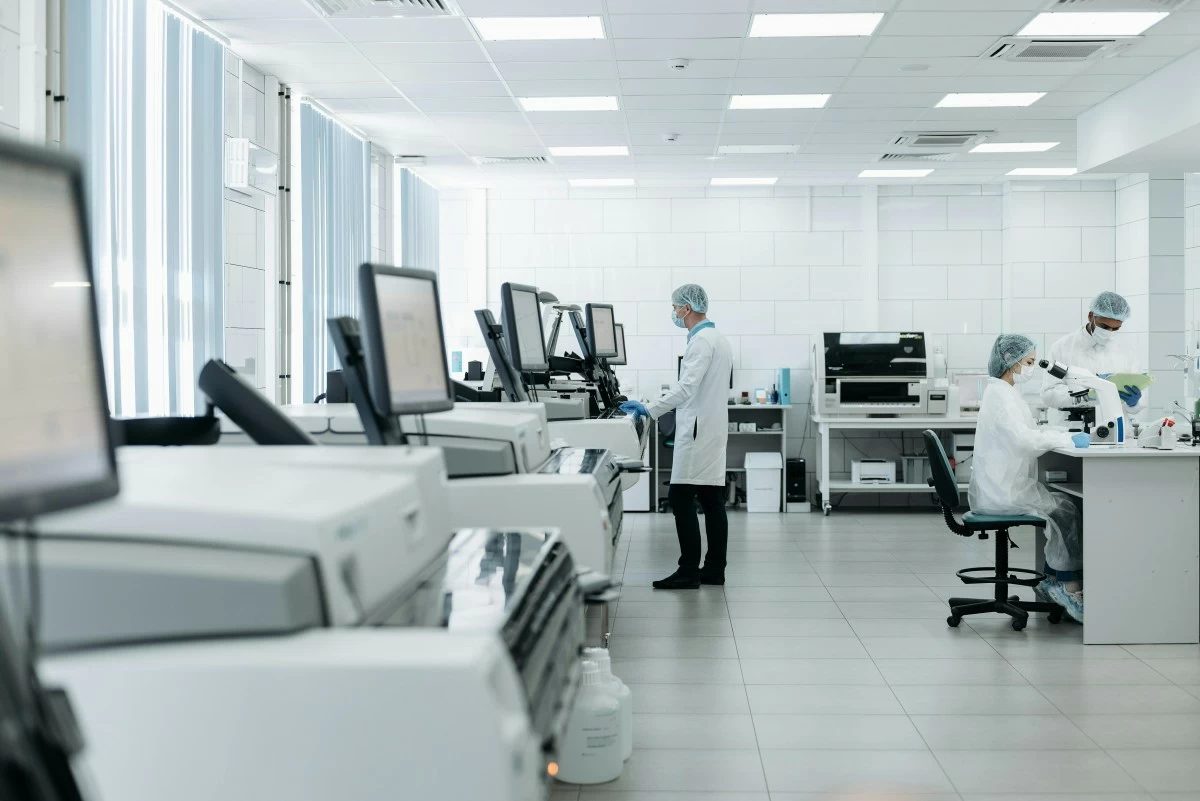
When I was a medical student at the Philippine General Hospital, we had to think long and hard about what tests we ordered for patients. Aside from the expense, there was limited information you could get with each test, and you had to explain your rationale for doing the test, or you would get into trouble with your senior. Testing for infectious diseases was basically taking cultures of body fluids such as blood, phlegm, and urine and waiting for three to five days. In the meantime, you made your best guess as to what could be causing the patient’s infection and started antibiotics that were most likely to be active against those bacteria.
This approach usually results in the overuse of antibiotics. For critically ill patients, we used very strong antibiotics that covered almost every pathogenic bacterium possible because missing the correct bug could be fatal to the patient. In some cases, we added antifungals and antivirals. This approach, termed empiric therapy, is done mostly because we cannot get our tests back fast enough to guide the decision to treat.
Once the results came back, we could tailor our treatment to the narrowest coverage possible. Sometimes, nothing grew on culture, and the next step would be to decide if we could bring down the antibiotics, keep going, or escalate. If the patient was clinically improving, stepping down wouldn’t be an issue. This situation, however, could be nerve-wracking in patients with marginal improvement, where it was unclear if the causative agent was merely hard to culture or if the culture just failed. Conventional culture methods can fail to grow the causative organism up to 40 percent of the time, not to mention if the specimen was improperly collected or antibiotics had already been started at the time of collection. If a resistant bacterium came back and it wasn’t covered by the initial antibiotic, we might have to start the treatment from scratch, especially if the patient wasn’t getting better.
Conventional bacterial culture methods have come a long way in the last few decades. There are now automated systems that can keep track of cultures continuously and flag the microbiology laboratory technician if they detect some growth. However, even the best culture systems take at least 24 hours to properly work up a culture, and in some cases, it can take five days or more.
During the Covid-19 pandemic, people became familiar with the RT-PCR test for SARS-CoV-2. PCR stands for polymerase chain reaction, which is a test for the genetic material of the virus. The RT stands for reverse transcription, the process of transcribing viral RNA into DNA, which needs to be done for RNA viruses like SARS-CoV-2. For DNA viruses as well as bacteria and fungi (which have DNA for their genetic material), no RT step is needed, and the test is just a simple PCR.
PCR can detect very small amounts of genetic material, and it is very sensitive and specific for most pathogens. It can be used on any organism that has DNA or RNA. It is a great test for finding the causative agent when there are many possible culprits, especially for difficult-to-culture pathogens like viruses and fastidious bacteria, and fungi. The major drawback of PCR is that it cannot distinguish between live and dead organisms. This was an issue with COVID-19 since it took weeks for the PCR to become negative, even after the patient had fully recovered and was no longer shedding infectious virus. Due to this drawback, any PCR result should be taken in the context of a patient’s clinical status.
PCR is a molecular test that needs to be performed under very stringent conditions. Otherwise, it is easily contaminated, or it might not work. In the past, you needed a well-equipped molecular laboratory to perform PCR. In recent years, automated systems that are self-contained have allowed PCR to move out from the specialized molecular laboratory to regular laboratories where minimal specimen processing is needed.
A great example of this is the GeneXpert system, which was first used on tuberculosis but has since been expanded to many diseases, such as hepatitis B, HIV, and human papillomavirus. It can even detect sexually transmitted infections such as gonorrhea and chlamydia, as well as test for the presence of bacterial resistance genes and human cancer genes. The GeneXpert MTB/Rif cartridge requires just a small amount of the specimen, which is placed into a port, and the entire cartridge is inserted into the machine. After 45 minutes, the results are displayed on a computer screen, which shows if Mycobacterium tuberculosis was detected, and whether it is rifampicin resistant. This test has transformed the way we detect and treat TB and is now the preferred test recommended by the World Health Organization.
With the success of the GeneXpert system, molecular diagnostics companies have proliferated and taken the concept a step further. If you can test one organism with an automated PCR test, why not test many organisms at the same time? This idea gave rise to the concept of syndromic testing. For patients presenting with a specific symptom set, syndromic testing can cast a very wide net and provide results in one to two hours. This is fast enough to affect the course of a patient and allows for rapid escalation or de-escalation of antibiotics depending on the results.
For instance, a patient presenting with pneumonia can be tested with a pneumonia panel. A pneumonia panel such as the one made by BioFire can perform the equivalent of 33 PCRs at the same time, testing for the most common bacteria, viruses, and atypical pathogens that cause pneumonia. It also tests for some of the most common resistance genes to guide antibiotic therapy. A pneumonia panel can come back in about 75 minutes.
When I have a patient with severe pneumonia in the emergency room, I usually start two or three kinds of antibiotics to cover for different organisms, and I would keep this on for two to three days, depending on how fast the cultures come back. With a pneumonia panel, I can determine if the pneumonia is being caused by a virus, which would then allow me to quickly step down the antibiotics. If it was caused by MRSA (Methicillin-resistant Staphylococcus aureus), the pneumonia panel would come back positive for both Staphylococcus aureus and the mecA gene, which is responsible for methicillin resistance, and I can start additional antibiotics like vancomycin or linezolid right away. Coinfections can also be picked up by these tests, and so the test result needs to be interpreted in the correct context. There are many other panels available, such as the meningitis and encephalitis panel for people with possible brain infection, a blood culture panel for positive blood cultures, a joint infection panel for infectious arthritis, and a gastrointestinal panel for diarrhea.
Syndromic panels aren’t perfect. They are still relatively expensive and need to be used in the correct type of patient and not haphazardly. They still have the same issue with any PCR test in terms of not being able to distinguish between live and dead organisms. Syndromic panels can also detect organisms that are just bystanders or colonizers, which may not be causing any disease at all. Nevertheless, these tools have proven useful to us clinicians when used properly. Despite the expense, these panels can save patients money in the long run in terms of shorter hospital stays and less antibiotic usage. Most importantly, they help doctors make quick decisions that can very well save your life.