







Quality assurance for homes and property developments
Third-party inspections ensure that properties are safe, compliant, and built to quality standards



Launched in April 2024, Philinspect Property Inspection Services became the country’s first third-party property inspection company. Certified by the International Association of Certified Home Inspectors (InterNACHI), Philinspect conducts independent and unbiased technical inspections aimed at protecting and elevating the quality of Filipino homes and property developments.
“Our role is to serve as a trusted partner who ensures that every property is safe, compliant, and built to quality standards. By identifying defects early and pushing for proper rectification, we help homeowners avoid unsafe living conditions, assist developers in improving workmanship, and encourage the entire industry to embrace transparency and accountability. In the long term, independent inspections will drive a culture of quality that benefits every Filipino investing in real estate,” said Philinspect Property Inspection Services founder and CEO Mark Christopher Almeria Ignacio.
Filipino-American Ignacio, who has firsthand experience as a realtor in Los Angeles, California, observed that Filipino homeowners often accept construction defects as "normal" and noted the lack of third-party inspectors to uphold construction standards in the country. “In the U.S., it is normal to have an independent inspector, even when homes are built to higher standards. Here, where construction quality can sometimes be questionable, the need for independent inspection is even greater,” stressed Ignacio.
This realization motivated Ignacio to build a company that can help raise the bar for property developments by holding projects to higher standards. “By identifying defects early and pushing for proper rectification, we help homeowners avoid unsafe living conditions, assist developers in improving workmanship, and encourage the entire industry to embrace transparency and accountability. In the long term, independent inspections will drive a culture of quality that benefits every Filipino investing in real estate,” Ignacio added.
The company’s frontliners are Professional Regulation Commission-licensed engineers with strong backgrounds in construction management, quality assurance, and quality control across both vertical and horizontal projects. Beyond technical expertise, the inspectors bring extensive field experience and professionalism, delivering reports that are accurate, reliable, and defensible, even in dispute or legal scenarios.
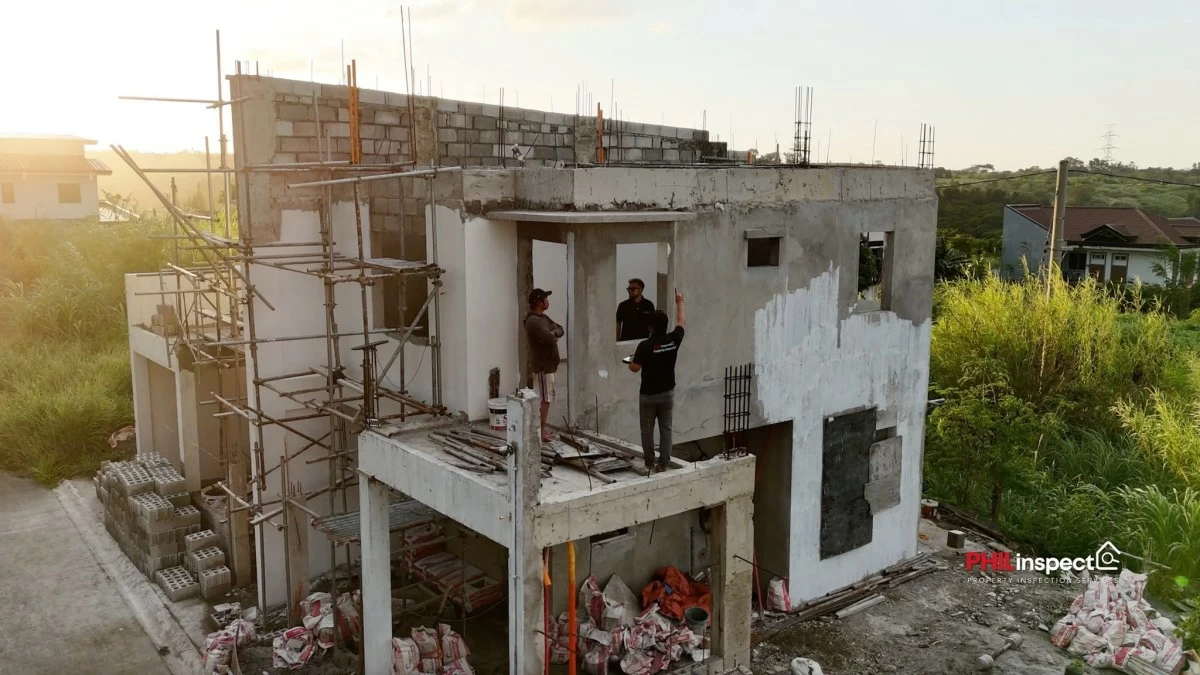
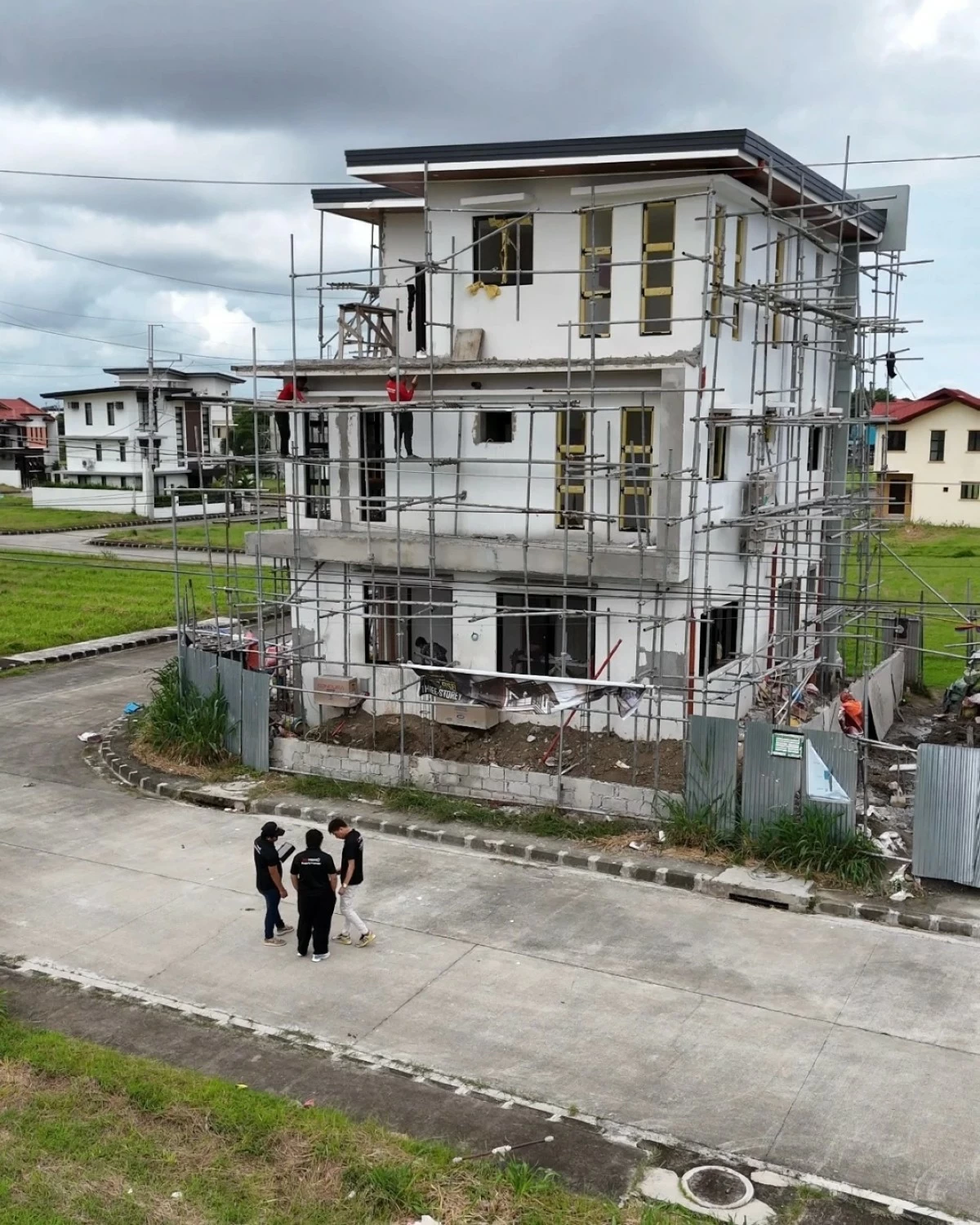
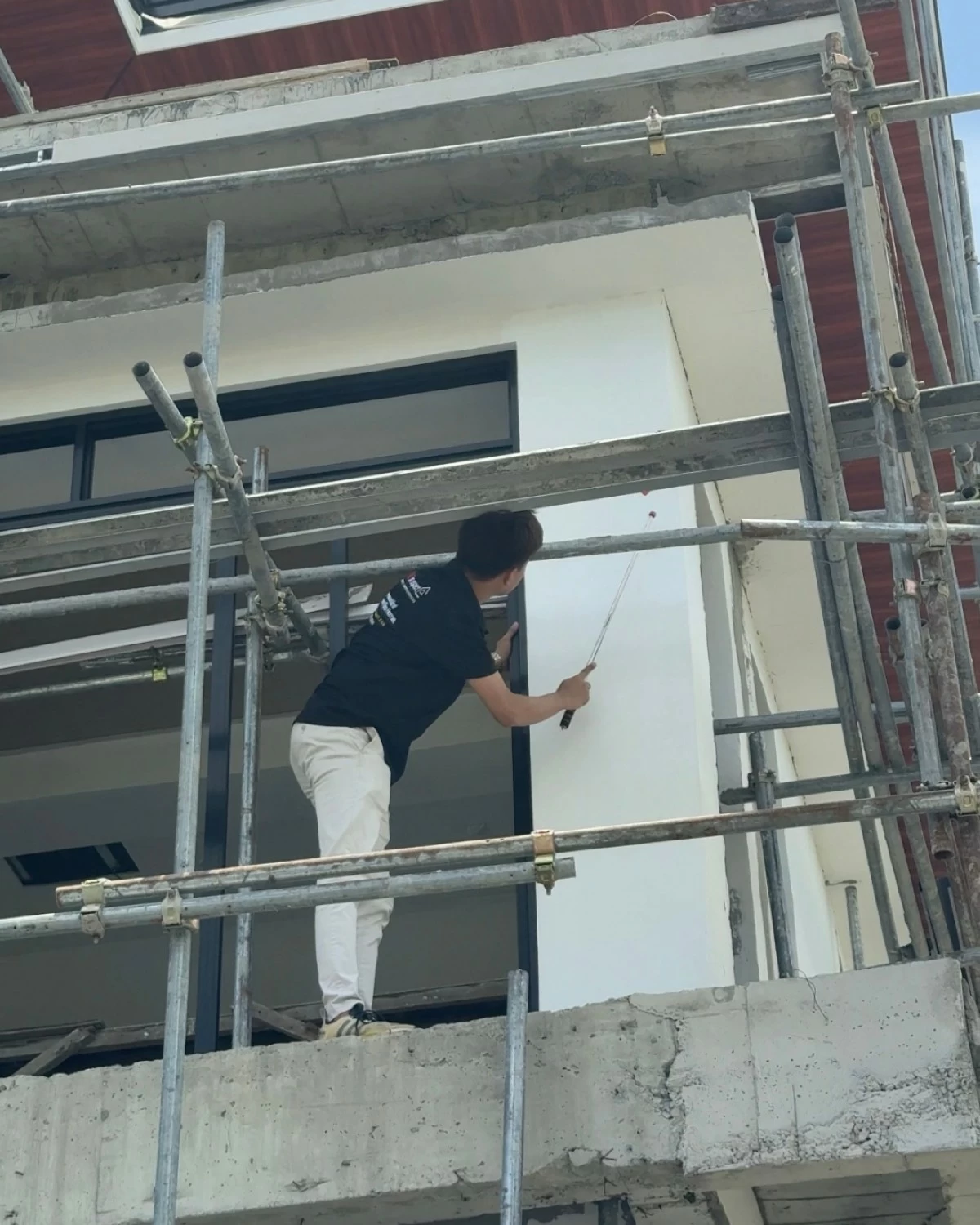
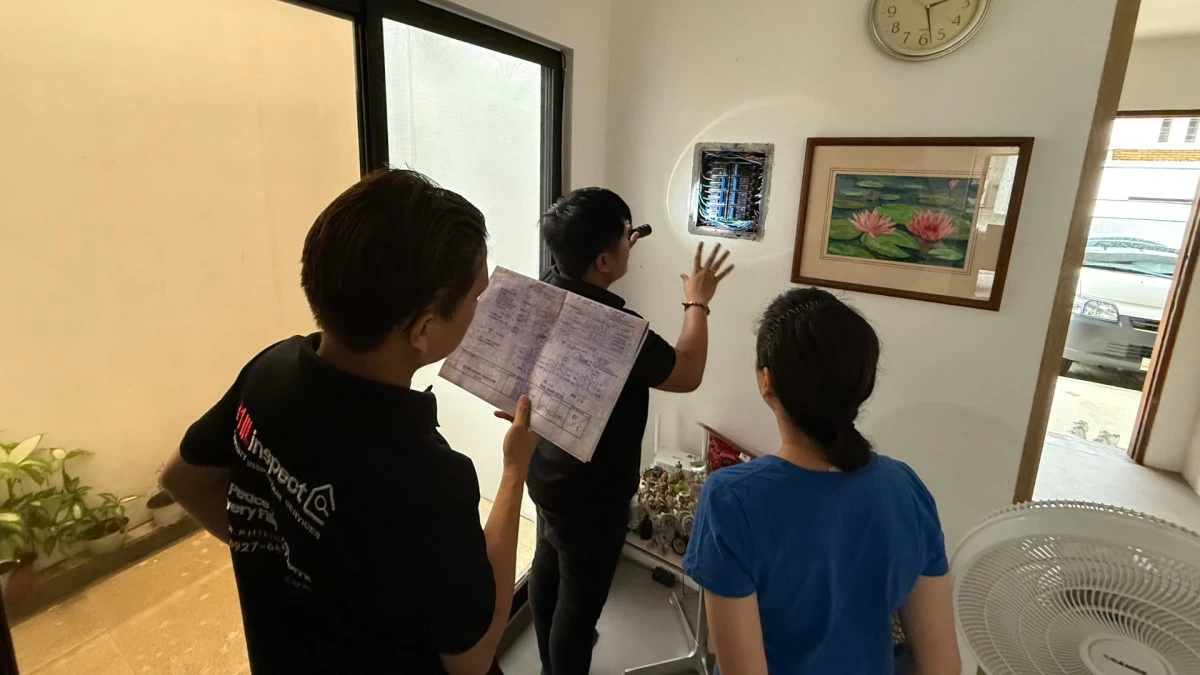
While the team is trained under international benchmarks such as InterNACHI, all inspections are conducted in line with the National Building Code of the Philippines (PD 1096) to ensure compliance with local standards.
The process begins with a consultation with a client care specialist, who helps clients determine the right service. The clients are then advised to avail of services such as pre-purchase inspections for buyers, turnover inspections for new unit owners, construction inspections for ongoing projects, defect liability or quality defect inspections for owners checking for warranty or post-warranty issues, post-repair inspections to ensure proper fixes, and legal assist inspections for cases requiring legal documentation.
Ignacio explained that on inspection day, our engineers carry out a thorough walkthrough, utilizing tools such as drones, infrared scanners, and moisture meters to reveal hidden issues.
Clients are then issued with a comprehensive, unbiased report detailing defects, possible causes, effects, and clear recommendations. These reports are written to be contractor-friendly, making it easy to see what to repair in line with the client’s best interests.
Far from an added expense, Ignacio considers the inspection process a proactive investment. “For homeowners, this means catching defects and avoiding expensive repairs. For developers, it demonstrates transparency and strengthens reputation. By being proactive rather than reactive, inspections save time, money, and stress in the long run.”