







Bohol receives 'life-saving maps'
Published Sep 27, 2025 06:23 pm


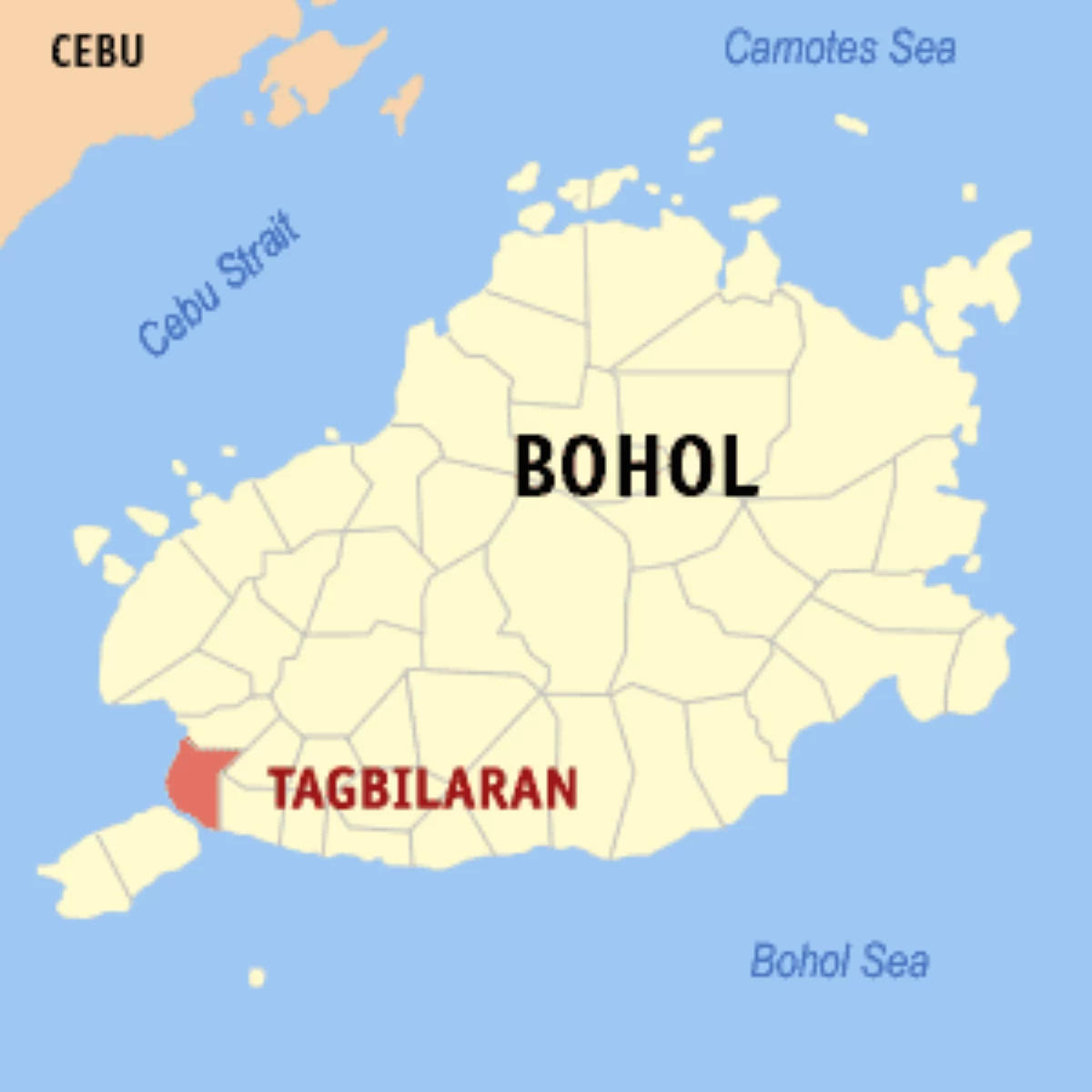
CEBU CITY – The province of Bohol welcomed the acquisition of “life-saving maps.”
The Department of Science and Technology-Philippine Institute of Volcanology and Seismology on Thursday, Sept. 25, officially handed over the Ground Shaking and Earthquake-Induced Landslide Hazard Maps to the provincial government of Bohol.
The turnover of the maps, a result of the OMEGA Project (Deterministic Ground Shaking and Earthquake-Induced Landslide Hazard Modeling Using Geophysics, Remote Sensing, and Artificial Intelligence), is a vital step in strengthening the province’s disaster resilience and preparedness.
The pioneering initiative is part of the Accelerated Earthquake Multi-Hazards Mapping and Risk Assessment (ACER) program, which aims to enhance methodologies and accelerate the creation of detailed and accurate hazard maps crucial for disaster risk reduction.
On behalf of Gov. Erico Aristotle Aumentado, Vice Gov. Pacifico Nicanor Besas Jr. welcomed the turnover, emphasizing the importance of science-based planning in protecting communities.
“As we receive these life-saving maps, we are not only safeguarding our communities but also securing our future through the data they provide. These highly accurate and detailed maps will serve as a foundation for our resilience, underscoring the value of science, foresight, and partnership in building safer communities,” Besas said.
The turnover was led by Dr. Arturo Daag, DOST Associate Scientist and ACER program leader. He highlighted the importance of using innovative technologies such as artificial intelligence, remote sensing, and geophysics to understand hazards.
Discussions during the event included earthquake hazards in Bohol, the impacts of ground shaking and landslides, map reading through an interactive lecture, and an introduction to HazardHunterPH, an online tool for hazard assessment.
The OMEGA project is funded by the DOST Grants-In-Aid and is monitored by the DOST-Philippine Council for Industry, Energy, and Emerging Technology Research and Development.