






Manila Bulletin
 Philippines
National
With TRAIN safeguard long gone, Elago demands government action on costly fuel
Philippines
National
With TRAIN safeguard long gone, Elago demands government action on costly fuel
Philippines
National
With TRAIN safeguard long gone, Elago demands government action on costly fuel
With TRAIN safeguard long gone, Elago demands government action on costly fuel
Published Sep 26, 2025 10:48 pm


At A Glance
- Gabriela Party-list Rep. Sarah Elago believes she has exposed a loophole in the government's response to runaway oil prices during the plenary debates on the proposed P6.793-trillion national budget for 2026.
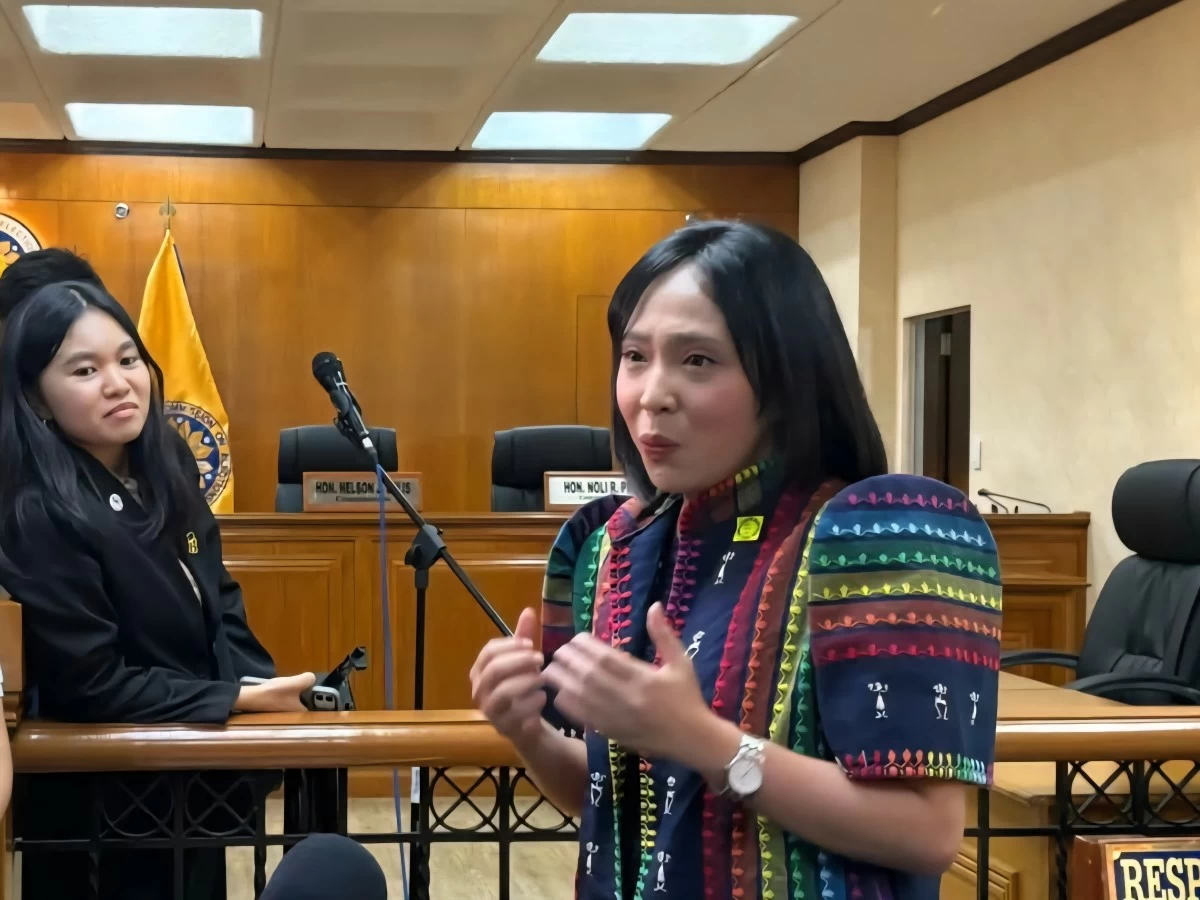
Gabriela Party-list Rep. Sarah Elago (Facebook)
Gabriela Party-list Rep. Sarah Elago believes she has exposed a loophole in the government’s response to runaway oil prices during the plenary debates on the proposed P6.793-trillion national budget for 2026.
During her interpellation Friday, Sept. 26 on the Department of Energy's (DOE) 2026 budget, Elago gained confirmation that the international crude oil price has breached the $80 per barrel mark—the same trigger set under the Tax Reform for Acceleration and Inclusion (TRAIN) Law to suspend fuel excise tax increases.
However, the DOE budget sponsor admitted that no suspension can be enforced because the TRAIN Law’s safeguard provision expired after 2020 and has not been renewed by Congress.
“The government admits oil prices have breached the threshold, but hides behind an expired safeguard while ordinary Filipinos drown in rising pump prices and soaring food costs,” Elago said.
The assistant minority leader warned that continued collection of excise taxes on fuel while prices remain volatile will further worsen inflation, hunger, and economic hardship, especially for women and the poor.
With this, Elago called for the immediate scrapping of fuel excise taxes and the passage of urgent relief measures to ease the burden on households.
“Hangga’t pinapabayaan lang ng gobyerno ang patuloy na pagsirit ng presyo ng langis, lalong mababaon ang kababaihan sa krisis (As long as the government continues to neglect skyrocketing oil prices, women will sink deeper into crisis),” she stressed.
“Congress must act now to repeal excise tax to protect Filipinos from relentless price shocks,” the Gabriela solon reckoned.
Moreover, Elago underscored that this fiasco highlights the dangers of a market-driven economy. “Umaasa tayo sa galaw ng pandaigdigang merkado kaya walang tunay na kontrol ang bansa sa presyo ng langis at pagkain."
(We are shackled to the movements of the world market, that's why the country doesn't have real control on fuel and food prices.)
"The solution is clear: national industrialization so we can build self-reliant industries, secure energy sources, and free our economy from foreign profiteering,” she concluded.