







Davao City gov't to boost public transport with 10 new buses
By Ivy Tejano
Published Sep 23, 2025 09:40 pm


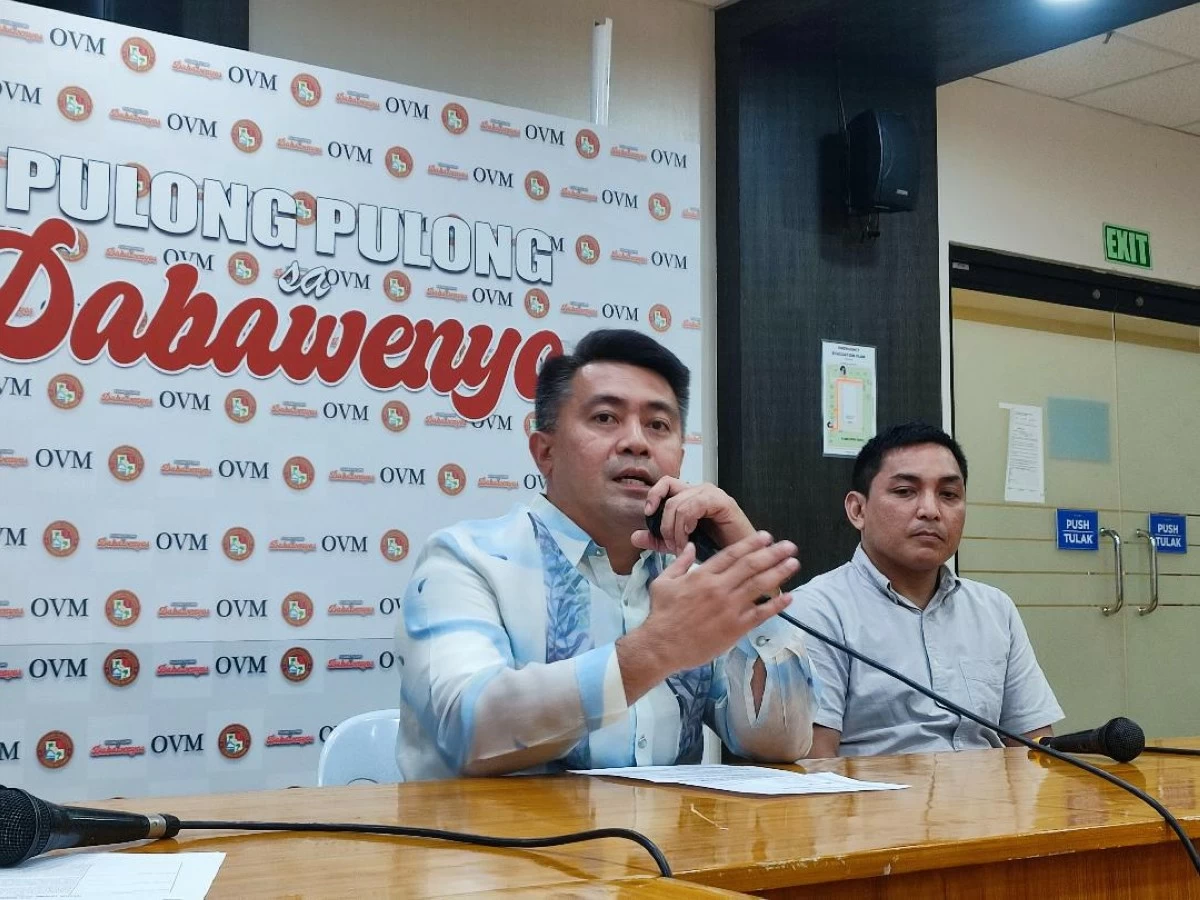
BALURAN (Ivy Tejano)
DAVAO CITY – A Davao City councilor announced on Tuesday, Sept. 23, that the city government will strengthen public transportation by adding 10 new buses under the Peak Hours Augmentation Bus System (PHABS) this year.
Speaking at the Pulong-Pulong sa Dabawenyos media forum, Committee on Transportation and Communication Chairman Councilor Jopet Baluran attributed this development to acting Davao City Mayor Sebastian Duterte.
“These buses will significantly help our commuters, especially during the rush hour when many struggle to get home,” Baluran said, seeing the decrease in public utility jeepneys as a step forward in modernizing the city’s transport system.
Although the buses have not yet arrived, Councilor J. Melchor Quitain Jr. added that Floor Leader Bai Hundra Cassandra Advincula reviews contract renewals with operators like Land Car Inc. and Metro Shuttle.
The number of buses will depend on how many commuters they can carry. Priority areas include Roxas Ave., GMall, Uniqlo Acacia, and the University of Mindanao Matina, where commuters often get stranded.
Baluran said the program is part of a broader modernization effort in the city’s public transportation system, building on initiatives launched by then city mayor and now Vice President Sara Duterte, including the High Priority Bus System (HPBS).
He added that the program has affected jeepney operators, many of who chose not to renew their franchises and joined the HPBS, which gives subsidies from the Department of Transportation for operators and drivers.
Baluran also reported attending the “Love Bus” program launch, led by former DOTr Secretary Vince Dizon, on behalf of Mayor Duterte, which saw eight additional buses deployed last month. These buses are ready for deployment anytime, he said.
Looking ahead, Baluran said his committee is also focusing on implementing existing transportation ordinances more effectively, particularly on illegal parking, which needs reinforcement.
The councilor highlighted issues such as illegal parking on highways in subdivisions like Obrero and Bangkal, stressing the need to coordinate with government agencies to enforce these rules correctly.
Regarding communications, Baluran proposed that applications for cell sites be handled directly by the City Council rather than the City Planning and Development Office, to address gaps in coverage, particularly in the second and third districts.
He noted that telecommunications companies face minimum population requirements before establishing new cell sites, a challenge the city plans to discuss further in upcoming meetings.
Baluran said the committee’s goal is to maximize the city’s existing ordinances and ensure that the modernization programs, from buses to telecommunications, truly serve the communities.