






Manila Bulletin
 Lifestyle
Youth
No laptop, no problem: How I'm surviving student life without my own device
Lifestyle
Youth
No laptop, no problem: How I'm surviving student life without my own device
Lifestyle
Youth
No laptop, no problem: How I'm surviving student life without my own device
No laptop, no problem: How I'm surviving student life without my own device
Published Sep 22, 2025 10:07 am


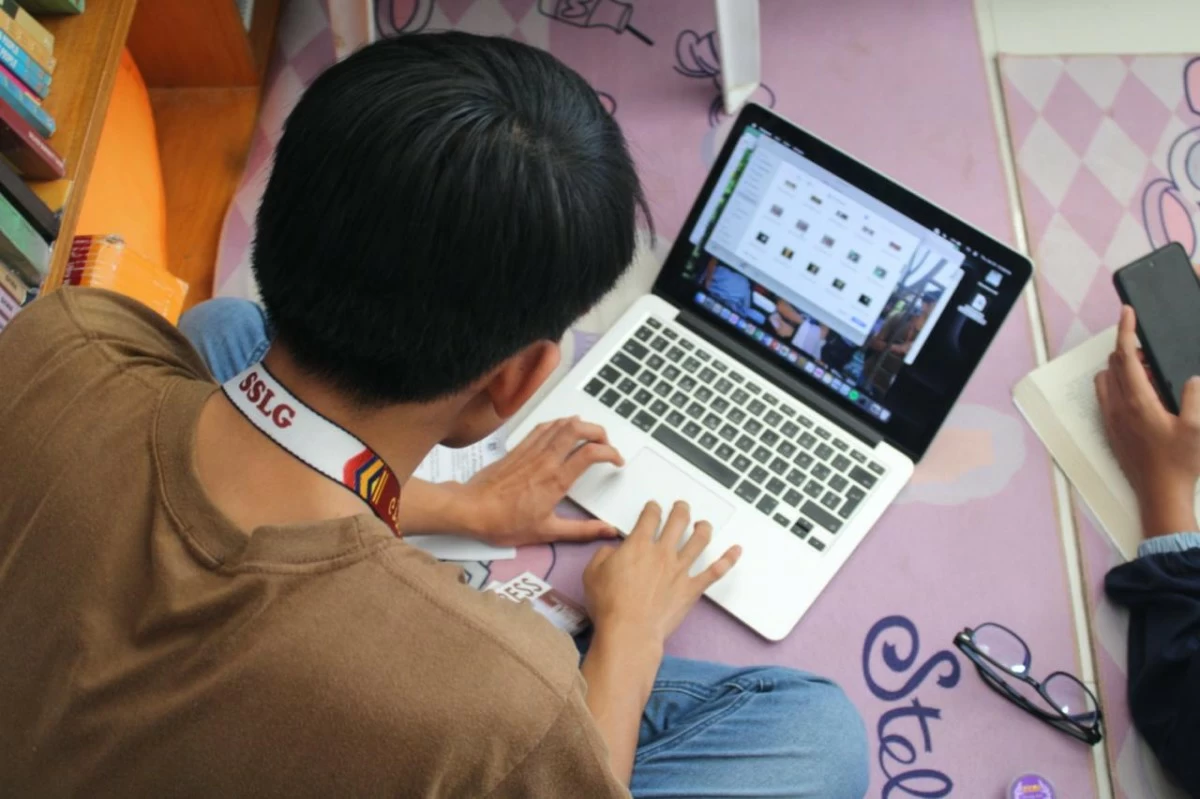
By Harold Areola
Grade 12
Vicente D. Trinidad National High School
When you think of being a student in 2025, you probably imagine typing away on a sleek laptop at a café, submitting online quizzes with a few clicks, or attending virtual meetings for group projects. That’s not my reality. I don’t have my own laptop.
No, I’m not writing this on a MacBook or even a budget Chromebook. I’m borrowing—sometimes from the school computer laboratory, sometimes from my peers, and occasionally from my teache’'s laptop. It sounds inconvenient? It is. But strangely enough, it’s also taught me some of the most unexpected lessons about resilience, resourcefulness, and what it really means to be a student today.
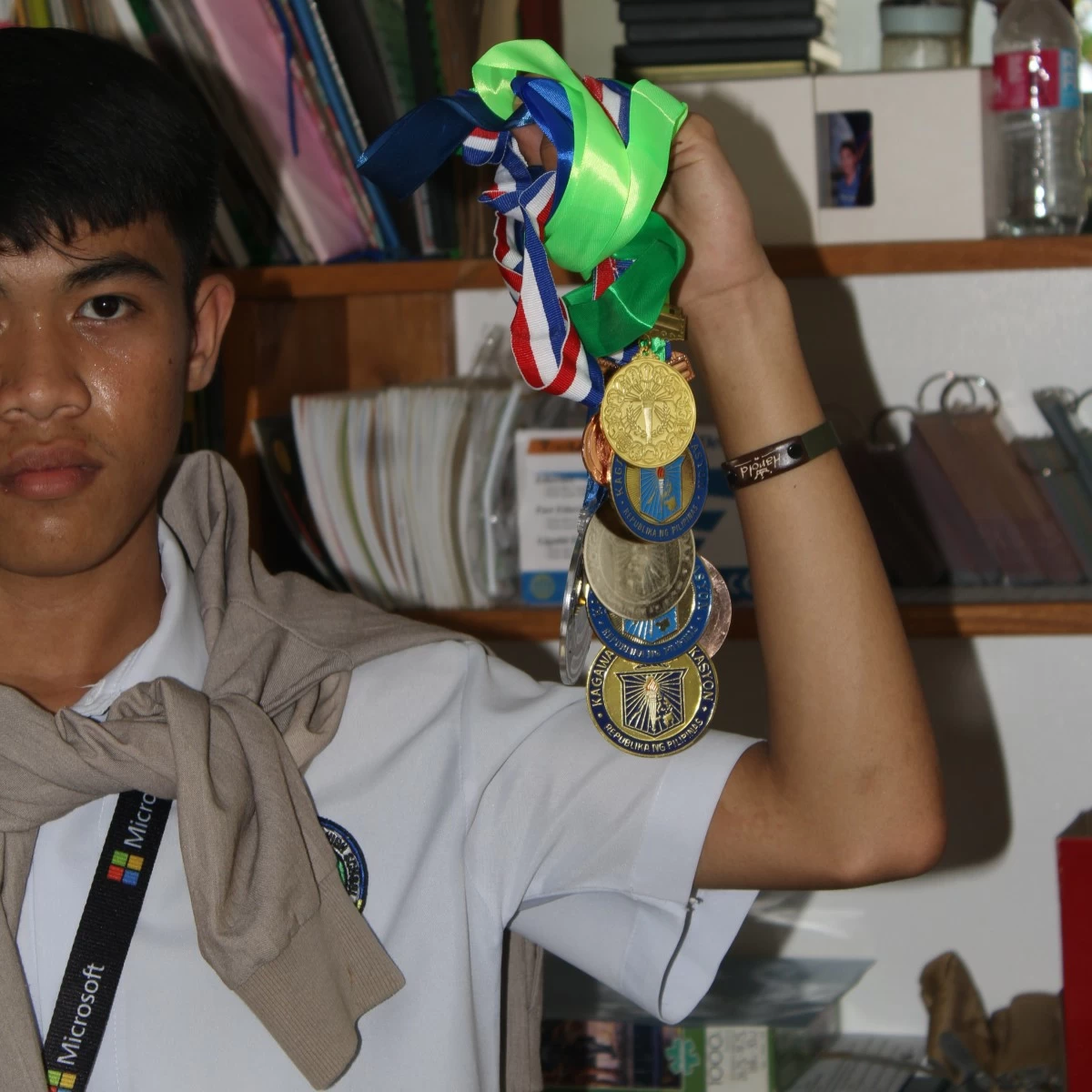
The author
The ‘Digital Divide’ hits close to home
We always hear about the “Digital Divide,” the gap between those who have easy access to technology and those who don’t. But until it’s your own reality, it’s easy to dismiss. When the pandemic hit, I managed with an old phone and mobile data. Now that we’re back to hybrid or fully in-person classes, most people assume that everyone has their own device again. The truth? Not all of us do.
It’s awkward when you’re the only one in class not opening a laptop during a research session. Or when a teacher says, “Just work on this at home,” and you know you’ll need to borrow from your friends and teachers.
Borrowed time, borrowed tech
There’s an art to sharing gadgets. I’ve memorized time slots: When my cousin logs off from studying, when the computer lab has fewer users, or when I can sneak in an hour on my friend’s laptop after school. I save everything on a flash drive. I write drafts of essays on my phone’s Notes app so I can paste them into Docs later. I email myself reminders since I can’t rely on desktop sticky notes.
Yes, it’s not ideal. But it works—kind of.
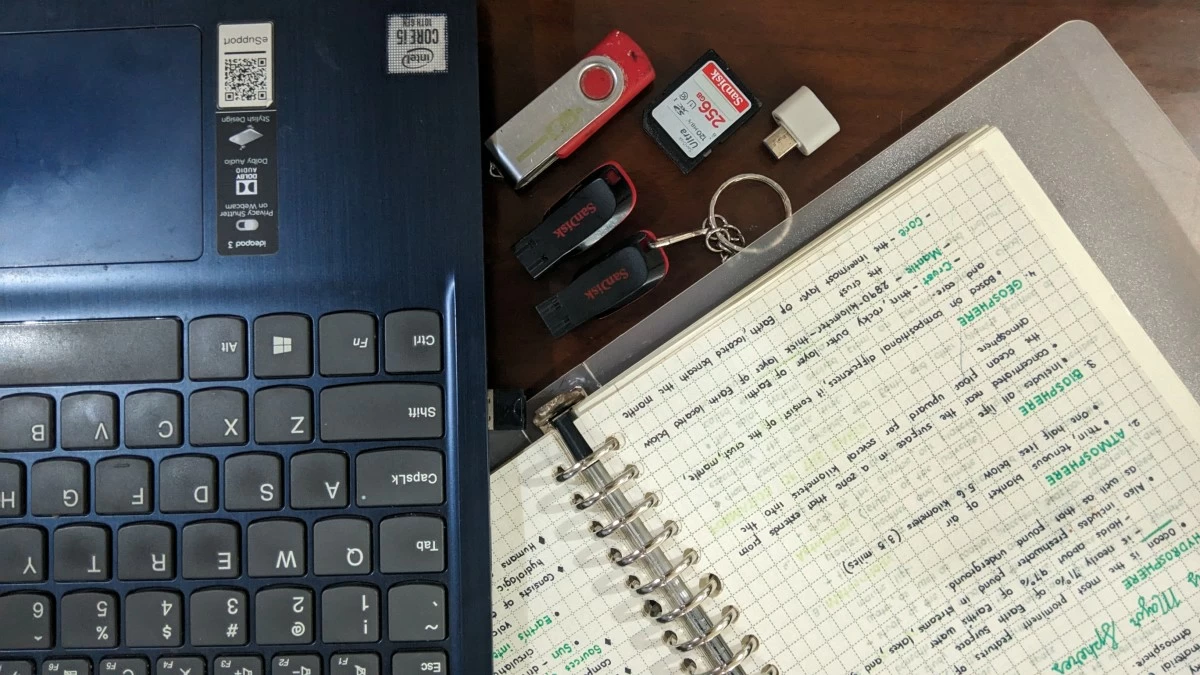
Learning time management the hard way
Not having a laptop means I can’t procrastinate. If I don’t finish my work within my “device window,” I’m doomed. Groupmates have learned that I reply early in the morning or late at night, not because I’m ignoring them, but because I literally can’t open the files during the day.
Deadlines have become sacred. I plan everything: What time I’ll do my research, when I’ll borrow a device, and how long I’ll take to write and revise. I’ve become the queen of Google Keep and alarms. And somehow, I’ve managed to stay on top of my grades.
What I miss—and what I don’t
Do I wish I had my own laptop? Absolutely. There’s a kind of freedom in having your own space to work, your own shortcuts, even your own folder clutter. Sometimes I get frustrated when people don’t understand how hard it is to keep up. It’s not just about doing the work—it’s how you do it.
But oddly enough, not having a laptop has also given me a strange kind of mental break. I don’t spend hours binge-watching or doomscrolling (because I literally can’t). I’ve learned to rest without tech. I read more. I sleep earlier. I spend more time actually talking to my family instead of just coexisting with them in silence, screens glowing in the dark.
Community support
This journey has also taught me the power of a community. I’ve had classmates offer their laptops for last-minute submissions, teachers who print out materials because they know I might not be able to read them at home, and friends who lend chargers, power banks, and even hotspots.
It’s made me more empathetic, too. I now realize that many students—quietly, silently—are also managing with less. We just don’t talk about it, maybe because of shame or fear of being judged.
A call for understanding and change
I’m lucky. Some students have even less than I do. What I hope educators, administrators, and policymakers understand is that access is not equal. We can’t assume every student has a personal laptop, or even stable internet. Sometimes, equity starts with asking: Do you have what you need to succeed?
Until then, we adjust, we hustle, and we make do. But we also hope.
Harold Areola is a student journalist and the current editor-in-chief of The Cavalry, Vicente D. Trinidad National High School’s official school publication. He is passionate about storytelling, media ethics, and youth advocacy.
‘Voices’ is Manila Bulletin Lifestyle’s dedicated space for young writers and future journalists as they talk about the topics that matter to their generation—from pop culture and social trends to mental health, education, and everything in between.
If you have an article you want to publish, send your submissions to [email protected] with the subject line—Voices: (Article Title)—or send us a DM @manilabulletinlifestyle on Instagram. We can’t wait to read your stories!