







Nissan closing US and Brazil design studios
Reshaping Nissan's creative network
Published Sep 22, 2025 05:27 pm


At A Glance
- Nissan officially confirms the closure of its U.S. and Brazil design studios and downsizing in London and Japan under its Re:Nissan plan.
- Philippine operations remain stable, with President Masao Tsutsumi reaffirming the company's long-term commitment and new model launches.
- The consolidation of global design hubs aims to accelerate the development of electrified models and streamline production pipelines.
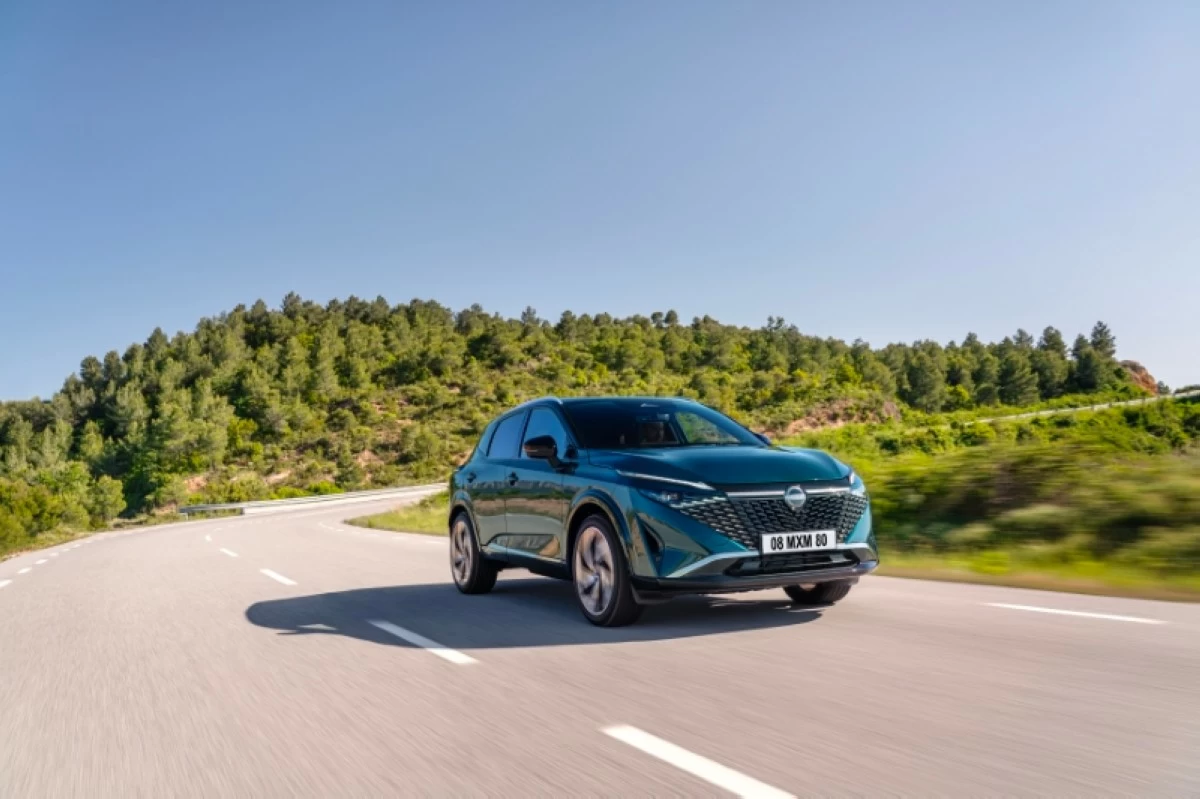
Nissan Motor Co. will be shutting its design studios in the United States and Brazil and reducing staff at design centers in London and Japan. These are part of a plan to consolidate its global design operations under the Re:Nissan plan. This initiative was revealed in the company’s September 17, 2025, press release. Nissan stated this restructuring will streamline creative operations, reduce costs, and enable faster, globally coordinated vehicle development.
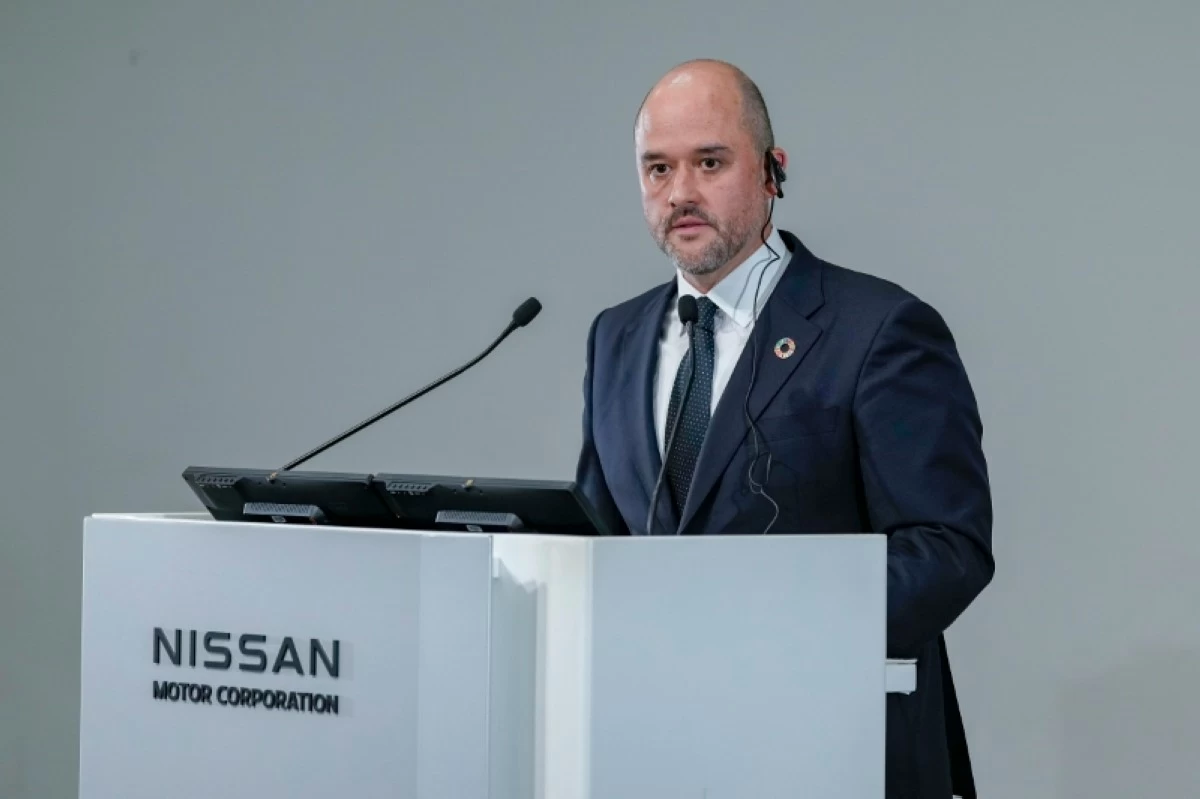
Nissan CEO Ivan Espinosa is undertaking big steps to tighten the company's operations.
Under the new Global Design organization, Nissan Design America (NDA) in San Diego, California, and Nissan Design Latin America (NDLA) in São Paulo, Brazil, will wind down operations, with ongoing projects transitioning to other studios to ensure continuity and alignment with evolving priorities. Operations in London and Japan will also be downsized but remain active. Moving forward, Nissan’s core design operations will be centered at the Nissan Global Design Center in Atsugi, Japan; the Creative Box Studio in Tokyo; Nissan Design Europe in London; Studio Six in Los Angeles, which will serve as the primary U.S. hub; and Nissan Design China in Shanghai.
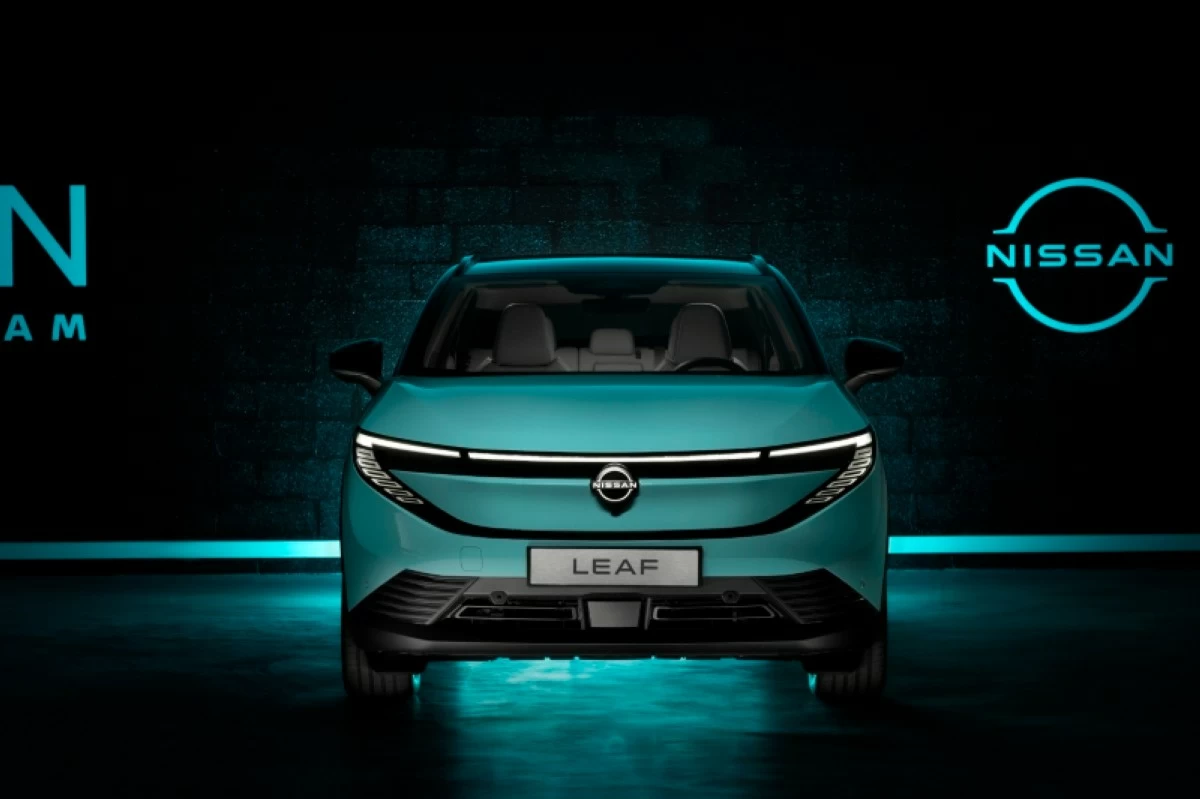
Nissan shootingFormula E team, Viry-Châtillon, France, le 10 juillet 2025 - Photo Benji / DPPI
Nissan plans to complete the reorganization by the end of fiscal year 2025 to streamline processes and better align its design resources with global and regional needs. This announcement fits into a broader Re:Nissan framework, which also includes production capacity cuts and manufacturing consolidation. In recent months, Nissan has stated it will reduce global production capacity from roughly 3.5 million vehicles to 2.5 million and plans to close the Oppama plant in Kanagawa Prefecture, transferring operations to its Kyushu facility. The company also aims for tighter integration between engineering, design, and production teams to shorten development times.
Nissan Philippines here to stay
Despite these global measures, Nissan maintains that it remains firmly committed to key regional markets, including the Philippines. In July, Nissan Philippines President Masao Tsutsumi reassured the public in an interview with local motoring media that the company’s operations in the country would continue without interruption. “Nissan is here to stay,” Tsutsumi said, emphasizing that new models are planned for introduction to the local market. This reiterates Nissan’s message in the global press release that customer-facing operations and market presence will remain strong even as internal structures are streamlined.
Tsutsumi’s comments are crucial as the Philippine market becomes increasingly competitive with new entrants from China and Korea and growing consumer interest in hybrid and electric vehicles. By affirming the stability of Nissan’s local operations, Tsutsumi signals that Nissan Philippines will remain a core part of the company’s Southeast Asian strategy despite the global reorganization. The consolidation of Nissan’s design studios could also influence how quickly advanced models reach markets like the Philippines. With fewer, more integrated hubs, Nissan may accelerate its development of next-generation EVs and hybrids, enabling earlier introductions of these models to emerging markets. This could help Nissan Philippines compete more effectively as other brands enhance their electrification plans.
According to Nissan’s press release, the company sees this restructuring as a way to enhance innovation, stating it will “leverage global creativity while ensuring regional relevance.” This indicates that while regional studios are being closed or downsized, Nissan will continue to gather market-specific insights to inform product development. For Philippine customers, this could translate into vehicles that meet global quality standards while addressing local needs, though some degree of market-specific customization may be reduced.
Industry analysts caution that centralizing design operations can risk losing the nuanced understanding of regional tastes and trends. However, Nissan argues the new system will allow it to combine global expertise with local input more efficiently. The automaker points to its continued investment in its remaining design hubs as evidence that creativity and innovation will remain at the forefront of its strategy.
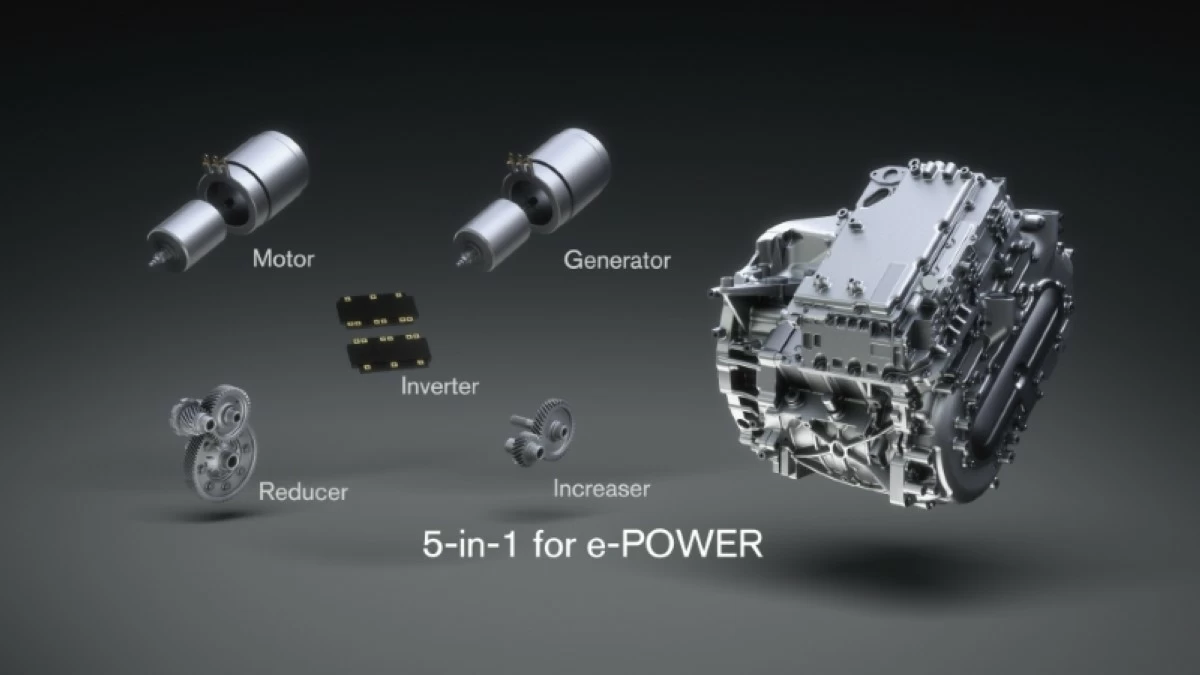
Nissan’s global press release also underscores the company’s focus on electrification. The streamlined design and production pipeline is expected to help Nissan develop future EVs and hybrids on its modular platforms more efficiently, ensuring a consistent rollout across global markets. This could align well with Nissan Philippines’ stated goal of introducing more electrified options to local buyers. Tsutsumi’s assurance that Nissan is here to stay reinforces the importance of the Philippine market in the company’s long-term plans.
In practical terms, this could include expanding aftersales services, increasing hybrid and EV model availability, and investing in customer experience improvements to keep pace with the market’s evolution. Ultimately, Nissan’s official confirmation of its global design studio restructuring marks a pivotal step in its Re:Nissan strategy. For Filipino customers and industry observers, the key question is how these changes will manifest in the vehicles arriving at local showrooms over the next few years. If the plan works as intended, Philippine buyers could benefit from globally developed, technologically advanced models arriving sooner and with improved quality, cementing Nissan’s presence in the country’s automotive landscape.