ADVERTISEMENT

Bringing free design tools to every PH classroom

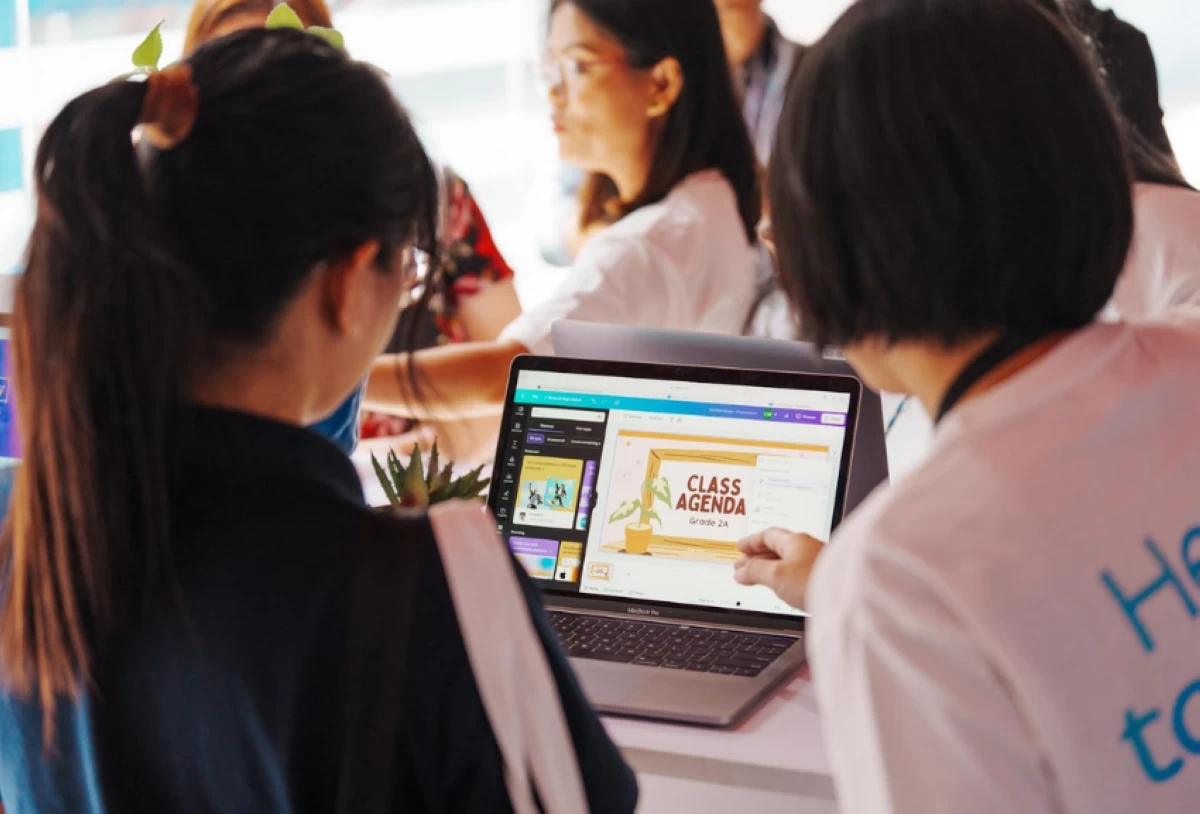
DepEd and Canva join forces to offer free premium Canva Education access to over 800,000 teachers and millions of students nationwide

Published Sep 22, 2025 10:13 am
The Philippines is home to more than 20 million K–12 students and over 800,000 teachers. In an era of rapidly evolving technology, ensuring that both educators and learners have access to reliable digital tools has become essential. To help meet this need, the Department of Education (DepEd) has partnered with Canva, an all-in-one visual communication platform, to provide free premium access to Canva Education for all DepEd teachers, learners, and staff.
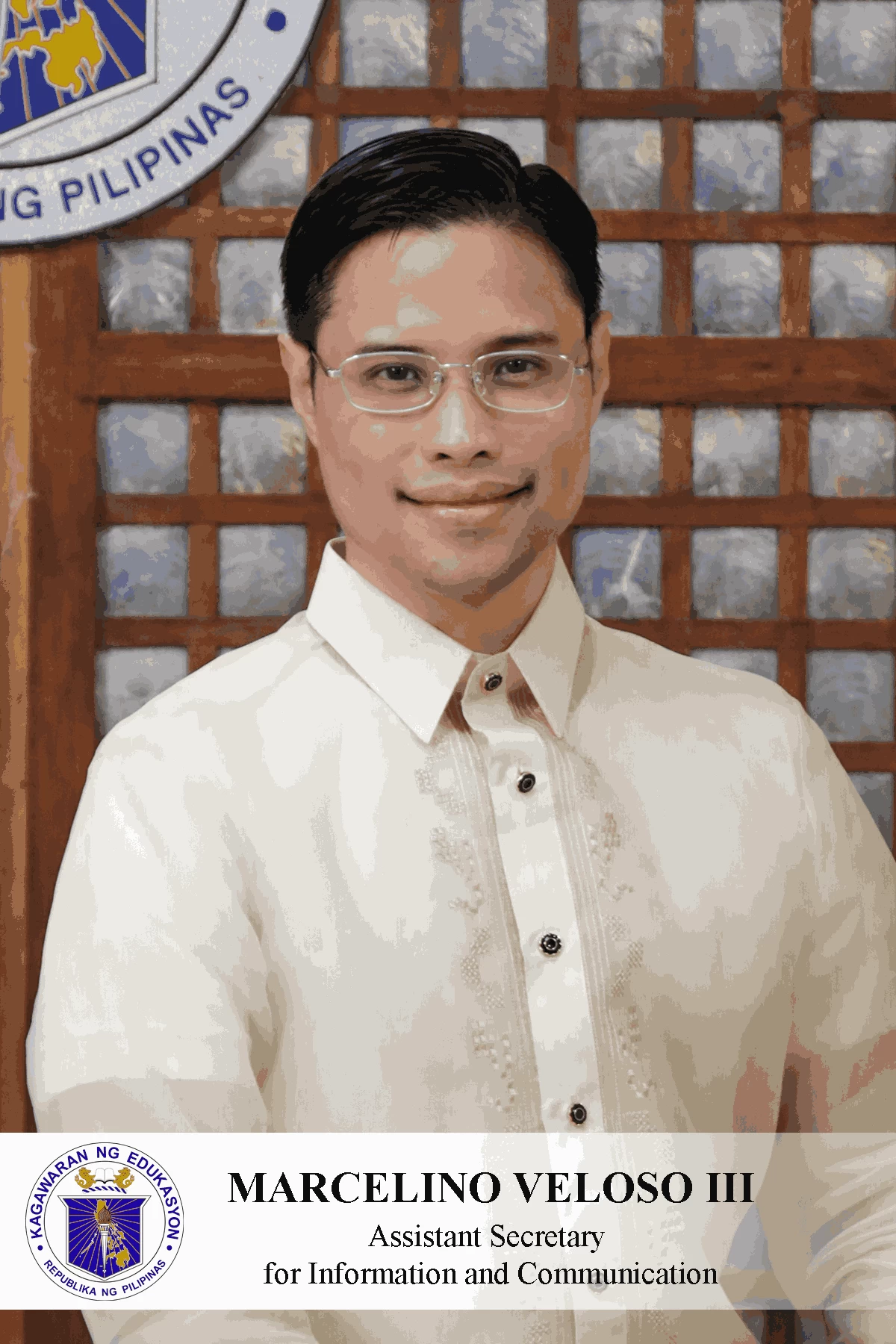
In an interview with Manila Bulletin Lifestyle, DepEd Assistant Secretary Marcelino Veloso III and Canva Philippines country manager Maisie Littaua shared the vision and progress behind this groundbreaking partnership, which aims to equip Filipino educators and learners with essential digital skills, foster creativity, and prepare students for a tech-driven future.
The nationwide rollout follows a Memorandum of Understanding signed in October 2024. For Canva, this collaboration is a natural extension of its mission to democratize design and empower visual communication. “The goal is to plant seeds early and ensure we’re impacting young lives from the classroom up,” Maisie said.
Inclusive and accessible for all
One of the highlights of the initiative is its emphasis on inclusivity. The free premium access to Canva Education ensures that even schools in far-flung areas can benefit, as long as they have internet connectivity. The platform works on both web and mobile and offers offline presentation features—an important advantage given the Philippines’ ongoing connectivity challenges. This mobile-first approach directly addresses the needs of students who may not have laptops or desktop computers.
“These are premium tools that would normally cost an arm and a leg, but with DepEd’s collaboration, every school—from the country’s wealthiest to its most remote—now has access, provided they have connectivity,” Asec. Veloso said.
Canva Education offers thousands of ready-made templates, real-time collaboration features, and seamless integrations with Google Classroom and Microsoft Teams. Teachers can design engaging lesson plans and learning materials in a fraction of the time it once required, while students can experiment with creating their own content.
AI in education
Part of the education system’s evolution is the growing use of artificial intelligence (AI). Canva itself has AI-powered features, which open exciting opportunities but also raise important questions about their role in schools. Asec. Veloso revealed that DepEd is currently crafting a national AI policy for basic education to guide teachers and students in using AI responsibly and effectively.
“AI is a tool, and it’s meant to complement—not replace—critical thinking,” he said. “The bigger question is how to guard against AI replacing learning itself. We faced similar concerns when search engines first emerged in the ’90s. Libraries didn’t vanish; they evolved. Teaching will evolve too.”
Teachers are already seeing the benefits of AI, with some reporting significant reductions in lesson planning time—allowing them to focus on more meaningful tasks. Canva’s AI tools, such as those that generate content from prompts, also challenge students to think creatively about how to articulate ideas. Prompt engineering, or the skill of crafting precise instructions for AI, transforms creativity from a solitary act into a collaborative process. Instead of simply producing an essay, students learn to use language and technology strategically to communicate their ideas.
 Canva Philippines country manager Maisie Littaua
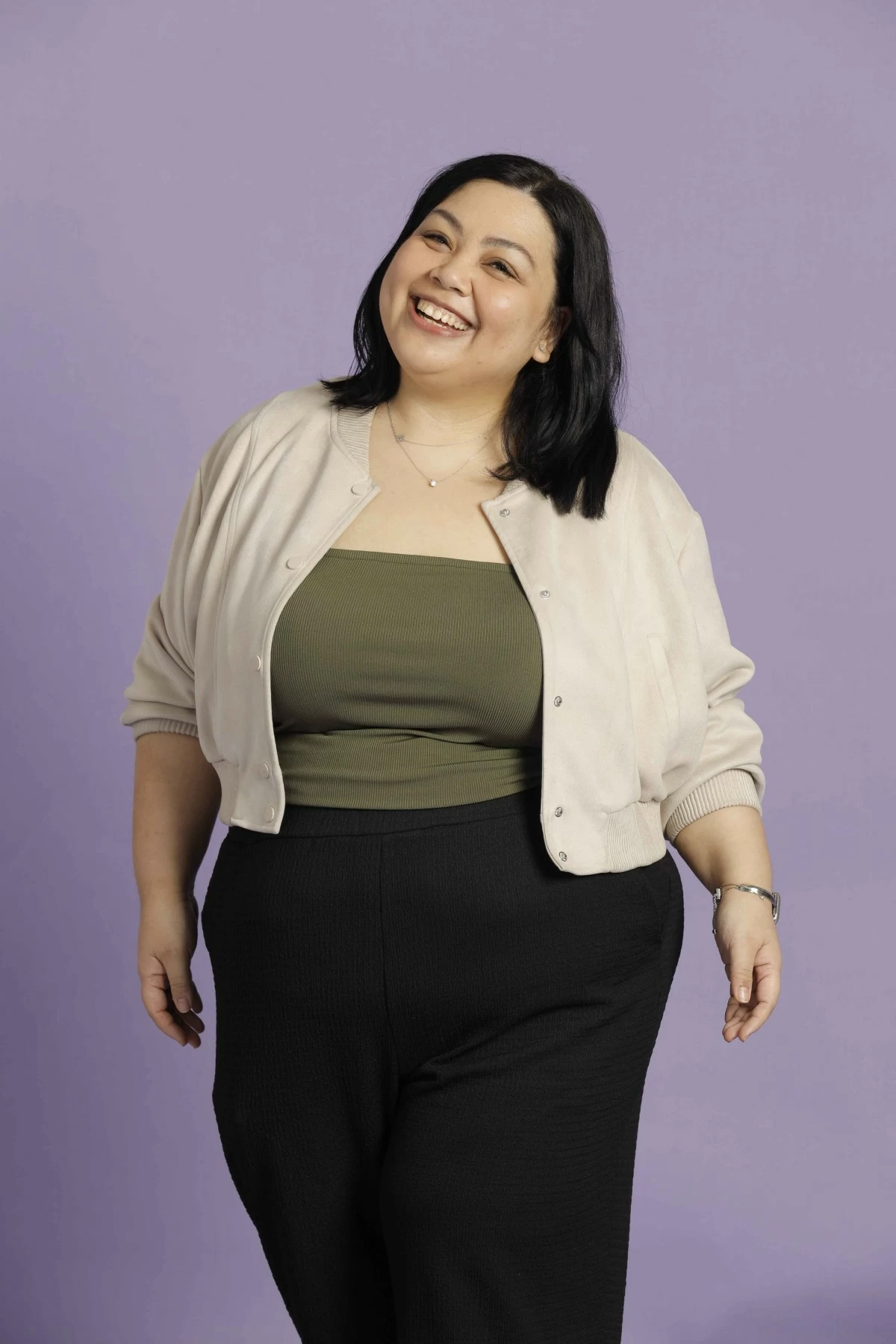
Canva Philippines country manager Maisie Littaua
What’s ahead
For DepEd and Canva, the partnership is more than just a technological upgrade—it signals a cultural shift toward a more inclusive, creative, and AI-ready education system. With the nationwide rollout now live, the goal is to eventually onboard all 800,000-plus DepEd teachers and millions of K–12 learners.
“This is not just about making lesson plans prettier,” Maisie said. “It’s about giving students and teachers the tools to express ideas, collaborate, and thrive in a digital world. Creativity is no longer optional—it’s the new literacy.”
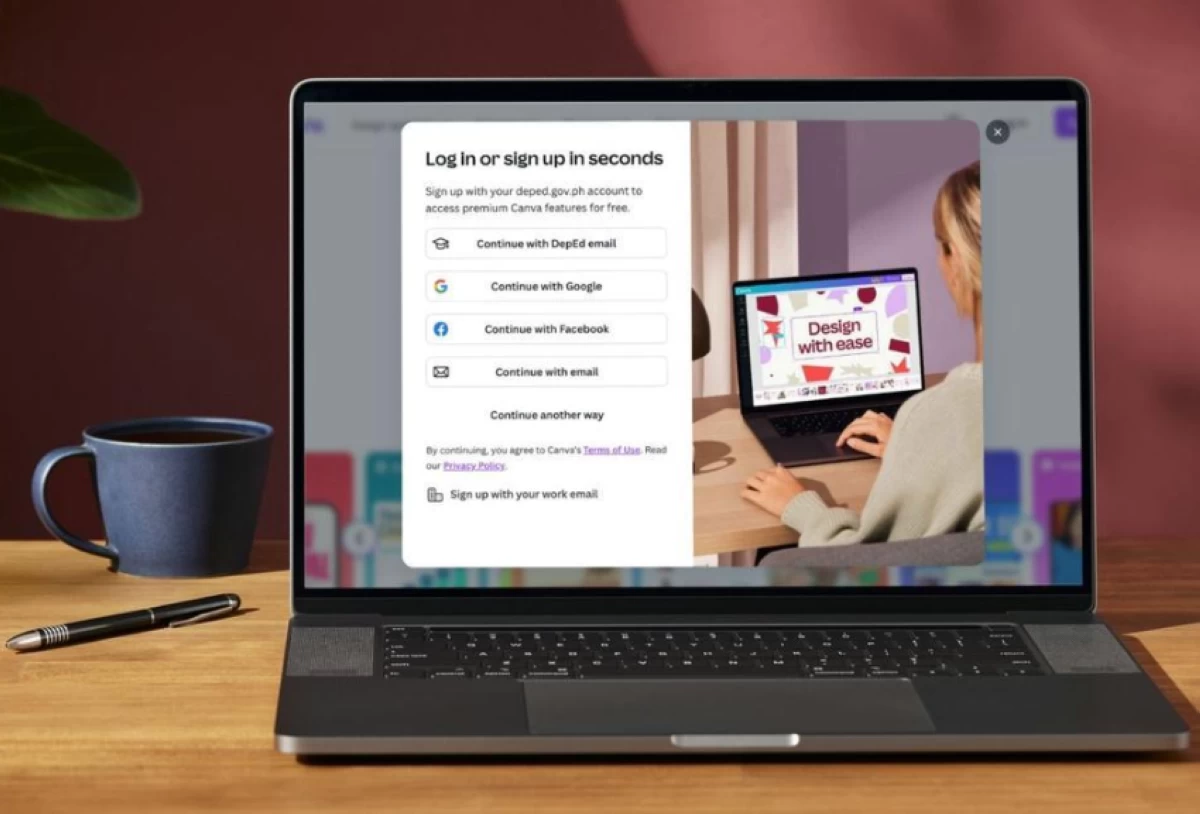
Teachers and students can activate their free Canva Education accounts by signing up with their DepEd email at www.canva.com/education.

Related Tags

DepEd Assistant Secretary Marcelino Veloso III Canva Canva education
ADVERTISEMENT
.most-popular .layout-ratio{ padding-bottom: 79.13%; } @media (min-width: 768px) and (max-width: 1024px) { .widget-title { font-size: 15px !important; } }

{{ articles_filter_1561_widget.title }}

.most-popular .layout-ratio{ padding-bottom: 79.13%; } @media (min-width: 768px) and (max-width: 1024px) { .widget-title { font-size: 15px !important; } }

{{ articles_filter_1562_widget.title }}

.most-popular .layout-ratio{ padding-bottom: 79.13%; } @media (min-width: 768px) and (max-width: 1024px) { .widget-title { font-size: 15px !important; } }

{{ articles_filter_1563_widget.title }}

{{ articles_filter_1564_widget.title }}

.mb-article-details { position: relative; } .mb-article-details .article-body-preview, .mb-article-details .article-body-summary{ font-size: 17px; line-height: 30px; font-family: "Libre Caslon Text", serif; color: #000; } .mb-article-details .article-body-preview iframe , .mb-article-details .article-body-summary iframe{ width: 100%; margin: auto; } .read-more-background { background: linear-gradient(180deg, color(display-p3 1.000 1.000 1.000 / 0) 13.75%, color(display-p3 1.000 1.000 1.000 / 0.8) 30.79%, color(display-p3 1.000 1.000 1.000) 72.5%); position: absolute; height: 200px; width: 100%; bottom: 0; display: flex; justify-content: center; align-items: center; padding: 0; } .read-more-background a{ color: #000; } .read-more-btn { padding: 17px 45px; font-family: Inter; font-weight: 700; font-size: 18px; line-height: 16px; text-align: center; vertical-align: middle; border: 1px solid black; background-color: white; } .hidden { display: none; }
function initializeAllSwipers() { // Get all hidden inputs with cms_article_id document.querySelectorAll('[id^="cms_article_id_"]').forEach(function (input) { const cmsArticleId = input.value; const articleSelector = '#article-' + cmsArticleId + ' .body_images'; const swiperElement = document.querySelector(articleSelector); if (swiperElement && !swiperElement.classList.contains('swiper-initialized')) { new Swiper(articleSelector, { loop: true, pagination: false, navigation: { nextEl: '#article-' + cmsArticleId + ' .swiper-button-next', prevEl: '#article-' + cmsArticleId + ' .swiper-button-prev', }, }); } }); } setTimeout(initializeAllSwipers, 3000); const intersectionObserver = new IntersectionObserver( (entries) => { entries.forEach((entry) => { if (entry.isIntersecting) { const newUrl = entry.target.getAttribute("data-url"); if (newUrl) { history.pushState(null, null, newUrl); let article = entry.target; // Extract metadata const author = article.querySelector('.author-section').textContent.replace('By', '').trim(); const section = article.querySelector('.section-info ').textContent.replace(' ', ' '); const title = article.querySelector('.article-title h1').textContent; // Parse URL for Chartbeat path format const parsedUrl = new URL(newUrl, window.location.origin); const cleanUrl = parsedUrl.host + parsedUrl.pathname; // Update Chartbeat configuration if (typeof window._sf_async_config !== 'undefined') { window._sf_async_config.path = cleanUrl; window._sf_async_config.sections = section; window._sf_async_config.authors = author; } // Track virtual page view with Chartbeat if (typeof pSUPERFLY !== 'undefined' && typeof pSUPERFLY.virtualPage === 'function') { try { pSUPERFLY.virtualPage({ path: cleanUrl, title: title, sections: section, authors: author }); } catch (error) { console.error('ping error', error); } } // Optional: Update document title if (title && title !== document.title) { document.title = title; } } } }); }, { threshold: 0.1 } ); function showArticleBody(button) { const article = button.closest("article"); const summary = article.querySelector(".article-body-summary"); const body = article.querySelector(".article-body-preview"); const readMoreSection = article.querySelector(".read-more-background"); // Hide summary and read-more section summary.style.display = "none"; readMoreSection.style.display = "none"; // Show the full article body body.classList.remove("hidden"); } document.addEventListener("DOMContentLoaded", () => { let loadCount = 0; // Track how many times articles are loaded const offset = [1, 2, 3, 4, 5, 6, 7, 8, 9, 10]; // Offset values const currentUrl = window.location.pathname.substring(1); let isLoading = false; // Prevent multiple calls if (!currentUrl) { console.log("Current URL is invalid."); return; } const sentinel = document.getElementById("load-more-sentinel"); if (!sentinel) { console.log("Sentinel element not found."); return; } function isSentinelVisible() { const rect = sentinel.getBoundingClientRect(); return ( rect.top < window.innerHeight && rect.bottom >= 0 ); } function onScroll() { if (isLoading) return; if (isSentinelVisible()) { if (loadCount >= offset.length) { console.log("Maximum load attempts reached."); window.removeEventListener("scroll", onScroll); return; } isLoading = true; const currentOffset = offset[loadCount]; window.loadMoreItems().then(() => { let article = document.querySelector('#widget_1690 > div:nth-last-of-type(2) article'); intersectionObserver.observe(article) loadCount++; }).catch(error => { console.error("Error loading more items:", error); }).finally(() => { isLoading = false; }); } } window.addEventListener("scroll", onScroll); });

Sign up by email to receive news.