







Advancing peace education in the county
Published Sep 22, 2025 12:05 am
|
Updated Sep 21, 2025 03:58 pm


PEACE BY PEACE
In a landmark national peacebuilding effort, the Philippine government unveiled a comprehensive, two-pronged strategy to embed peace education into the very fabric of society. Through the launch of a premier research Philippine Peace Institute and a historic alliance between its top education agencies, the country is signaling a profound shift from reactive conflict resolution to the proactive cultivation of a culture of peace for all Filipinos.
This renewed vigor was showcased at the 4th National Peace Education Summit, a convergence of over 200 educators, policymakers, and youth leaders. The events of the summit didn't just create headlines; they laid down a deliberate and institutionalized blueprint for the future.
The Philippine peace institute:
Engine of knowledge
At the heart of this new strategy is the newly launched Philippine Peace Institute (PPI), envisioned by the Office of the Presidential Adviser on Peace, Reconciliation and Unity (OPAPRU) as the country's premier peace research and learning hub. The PPI is designed to be more than a think tank; it is an active engine for developing the knowledge and skills necessary to sustain peace.
We envision the PPI to address the gaps that peace research faces in the country. At the moment, peace research faces serious challenges such as the fragmented focus on specific conflict zones and inadequate institutional capacity and funding. By doing so, we are translating research into actionable policies and effective programs for our people and communities who need these peace interventions the most.
The institute will begin by offering two foundational modules. The first introduces peace and conflict, emphasizing that while conflict is natural, violence is not. The second module delves into the history of the Philippine Comprehensive Peace Process, examining the landmark agreements with groups like the MNLF, MILF, and CBA-CPLA to glean lessons from past successes and challenges.
This initiative has already garnered strong support, with partners like the Mindanao Peacebuilding Institute (MPI) pledging solidarity. As MPI Director Gimaidee Ann Moya beautifully put it, “We see the Philippine Peace Institute not as a counterpart, but as a sister—a national loom that can hold a broader tapestry.”
Unified education front
While the PPI develops the "what" of peace education, a historic Memorandum of Understanding (MOU) signed at the summit solidifies the "how." For the first time, OPAPRU has formalized a collaboration with the “three pillars” of the Philippine education system: the Department of Education (DepEd), the Commission on Higher Education (CHED), and the Technical Education and Skills Development Authority (TESDA).
This alliance ensures that peace education will be integrated across all learning levels, from kindergarten to university and vocational training.
Education Secretary Sonny Angara championed the move, highlighting its preventative power.
“Education is more than just transferring knowledge; it is a catalyst for peace in our communities,” he declared. He confirmed that peace education components are already being integrated into the revised K-10 curriculum in subjects like Araling Panlipunan, Values Education, and GMRC.
Angara also stressed the importance of the Alternative Learning System (ALS) to reach out-of-school youth in conflict-affected areas, noting, “In DepEd, it’s never too late to learn.”
Representing higher education, CHED Chairperson Shirley C. Agrupis framed the agreement as a moral commitment.
“This is more than an agreement among agencies. It is a united declaration — that the education sector stands together to nurture a generation of Filipinos who will not only excel in skills and knowledge but who will also live out empathy, dialogue, and reconciliation.”
Adding a crucial, practical dimension, TESDA Director General Jose Francisco Benitez connected peace to livelihood and dignity. He argued powerfully that peace is not an abstract ideal but a tangible skill set.
“Peace is a skill, like writing, coding, or even riding a bike, it can be taught, practiced, and mastered,” he explained.
For TESDA, this means ensuring skills training leads to real jobs and opportunities. “Kapag may trabaho ang tao,” Benitez said, “nagkakaroon siya ng dignidad, ng papel sa komunidad, ng dahilan para piliin ang kapayapaan kaysa gulo.” (When a person has a job, they gain dignity, a role in the community, a reason to choose peace over conflict.)
The synergy between the PPI's research-driven content and the MOU's expansive delivery network creates a powerful, holistic approach. It’s a strategy that recognizes that peace cannot be commanded; it must be learned, practiced, and woven into the daily lives of citizens.
An investment for education is an investment for peace. By strengthening the foundations of peace education and making it an integral part of our peace journey, we are planting the culture of peace, mutual understanding, and solidarity into the hearts and minds of our youth who will one day become our nation’s leaders.
With these new cornerstones in place, the Philippines is building a more resilient and peaceful future, one classroom at a time.
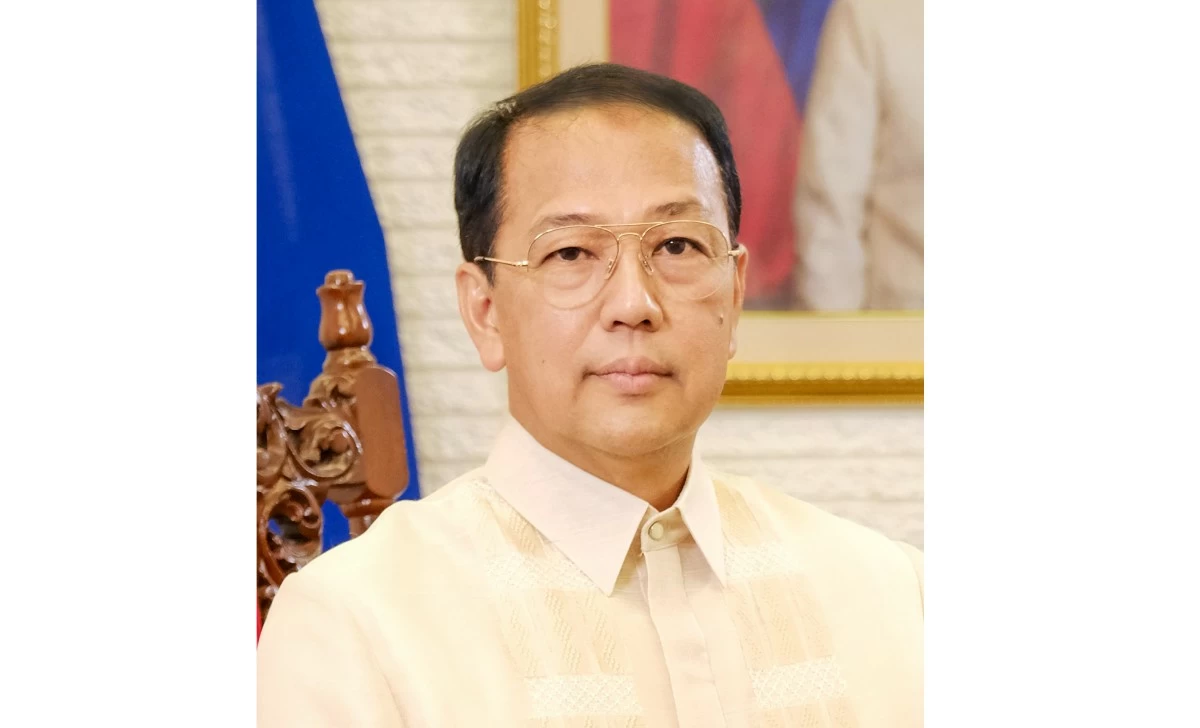
(Secretary Carlito G. Galvez, Jr., is the presidential adviser on peace, reconciliation and unity.)