






Manila Bulletin
 Philippines
National
2026 budget focuses on student health, safe learning spaces, and inclusive education — DepEd
Philippines
National
2026 budget focuses on student health, safe learning spaces, and inclusive education — DepEd
Philippines
National
2026 budget focuses on student health, safe learning spaces, and inclusive education — DepEd
2026 budget focuses on student health, safe learning spaces, and inclusive education — DepEd
Published Sep 22, 2025 08:00 pm


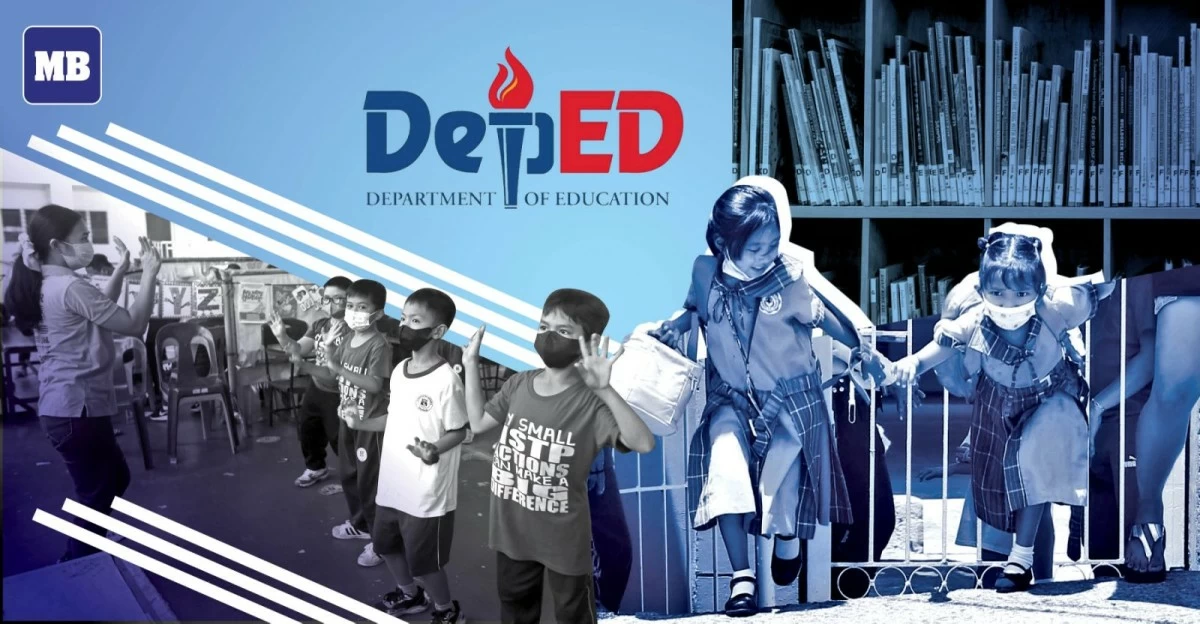
DepEd said its 2026 budget prioritizes student health, mental wellness, and safe learning spaces with expanded feeding, dental, and disaster-response programs. (DepEd / MB Visual Content Group)
The Department of Education (DepEd) on Monday, September 22, said it has placed student health, safety, and inclusive learning at the heart of its proposed 2026 budget.
Highlighting both recent achievements and future goals under the administration of President Marcos, DepEd Secretary Sonny Angara said the proposed budget balances accountability with compassion, ensuring that government spending directly benefits learners.
“Sa edukasyon, hindi lang mahalaga kung ano ang natutunan ng mga bata, kundi kung gaano sila kaligtas, kalusog, at suportado habang sila ay natututo (In education, what children learn is important—but just as vital is how safe, healthy, and supported they are while learning),” Angara said.
“Ang bawat pisong ginagastos ng gobyerno ay dapat maramdaman sa bawat silid-aralan, sa bawat kusina, at sa bawat klinika ng ating mga paaralan (Every peso spent by the government should be felt in every classroom, every kitchen, and every clinic in our schools),” he added.
2024–2025: Key accomplishments
DepEd reported significant gains in learner protection and support for School Year 2024–2025, which include:
- Over 2.2 million learners benefited from the School-Based Feeding Program (SBFP).
- Expanded enforcement of the Anti-Bullying Law and learner rights protection programs.
- Continued efforts to address infrastructure and connectivity gaps in public schools.
Highlights of the DepEd 2026 budget proposal
DepEd’s 2026 budget priorities come at a time when calls for better learning environments, improved mental health programs, and safer schools continue to grow, underscoring the agency’s commitment to both education quality and learner well-being.
DepEd said the National Expenditure Program (NEP) level for its 2026 budget includes provisions to strengthen mental health services in schools.
This includes the creation of 10,000 School Counselor Associate I positions to provide psychosocial and mental health support for learners.
In addition, DepEd is seeking supplemental funding to expand health and disaster-response initiatives, including: universal SBFP coverage for Kindergarten to Grade 3 learners; continued nutrition support for wasted and severely wasted pupils in Grades 4–6 as well as adolescent mothers; establishment of 1,600 central kitchens and 2,500 mobile kitchens nationwide; distribution of dental chairs to about 1,900 central elementary schools; provision of medical and dental supplies to nearly 2,600 school clinics; and creation of temporary learning spaces in disaster-affected areas.
Responsible governance in education
Angara emphasized that DepEd’s proposals reflect transparent and results-driven governance.
“Kung hihingi tayo ng dagdag na pondo, dapat malinaw kung paano ito gagamitin at ano ang magiging resulta para sa ating mga mag-aaral (If we are to request additional funding, it must be clear how it will be used and what outcomes it will bring for our students),” he said.