






Manila Bulletin
 Philippines
National
Health advocacy group urges gov't to reject greenwashing of tobacco firms, health-harming industries
Philippines
National
Health advocacy group urges gov't to reject greenwashing of tobacco firms, health-harming industries
Philippines
National
Health advocacy group urges gov't to reject greenwashing of tobacco firms, health-harming industries
Health advocacy group urges gov't to reject greenwashing of tobacco firms, health-harming industries
By Jel Santos
Published Sep 20, 2025 03:40 pm


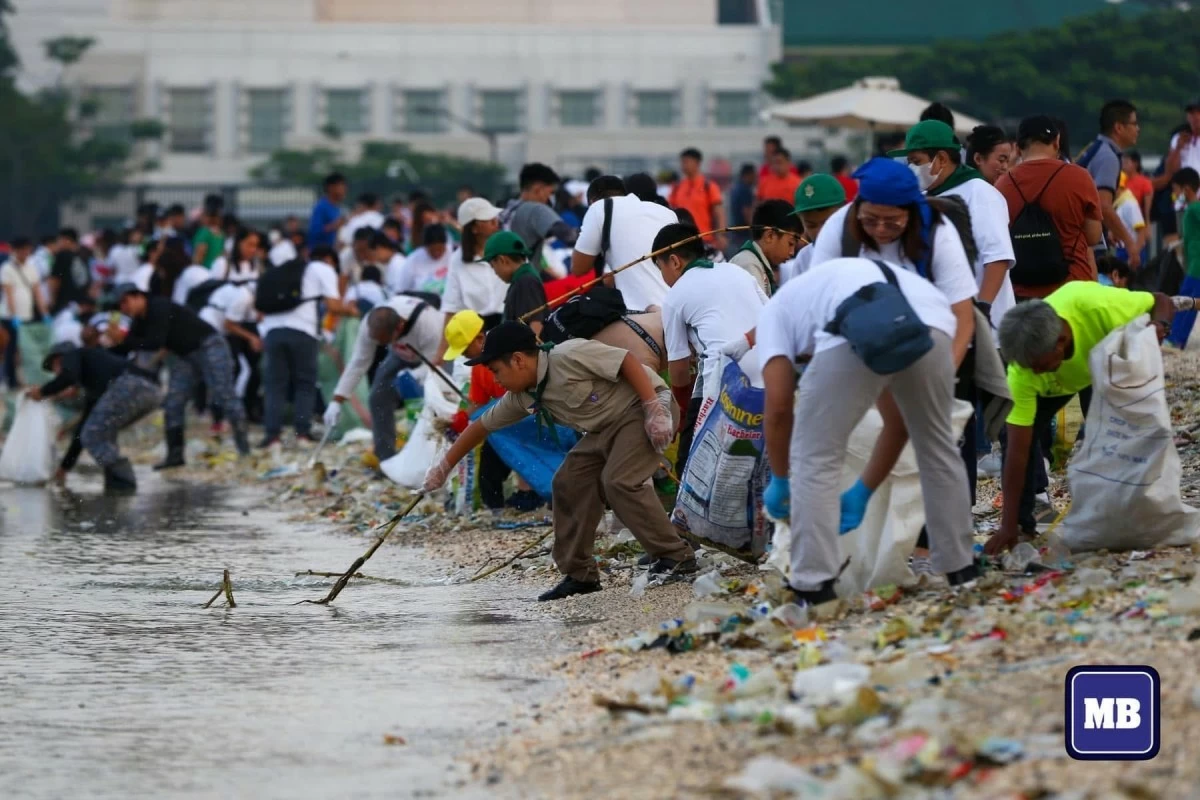
(MB FILE PHOTO)
Government agencies must reject greenwashing attempts of tobacco companies and other health-harming industries, public health advocacy group HealthJustice Philippines said on Saturday, Sept. 20, during the observance of the International Coastal Cleanup Day.
Based on several studies, at least 4.5 trillion cigarette butts are discarded every year, making them the most abundant form of plastic waste in the world while leaching toxic chemicals to soil and waterways.
In a statement, HealthJustice Philippines president Mary Ann Mendoza said that the tobacco industry not only imperils the lives of the public, but destroys the environment.
“It harms both aquatic and terrestrial ecosystems, threatens access to clean water, drives unsustainable consumption, and worsens climate impacts, making it clearly incompatible with the Sustainable Development Goals,” she said, urging the whole of government to “refrain from any engagement with the industry, as such involvement contradicts their mandate to protect the environment.”
The tobacco industry, according to the health advocacy group, has a history of masquerading as corporate social responsibility activities such as tree planting, donations, and clean-up drives to create a false image of environmental stewardship and present itself as a “good corporate citizen.”
Mendoza stressed that such greenwashing of companies “cannot be regarded as genuine acts of social responsibility, as tobacco products are inherently harmful and provide no societal benefit.”
“This holds true for other health-harming industries, such as producers of ultra-processed food, that hide behind good PR despite their negative impacts to health and environment,” she added.
Per Article 5.3 of the WHO Framework Convention on Tobacco Control (FCTC), governments are mandated to shield public health policies from tobacco industry influence, including by “denormalizing” its corporate social responsibility activities.
In the Philippines, this is upheld by the Civil Service Commission–Department of Health Joint Memorandum Circular No. 2010-01, which bars government officials and employees from engaging with the tobacco industry except when strictly necessary for regulation.