






Manila Bulletin
 Philippines
Metro Manila
Mayor Maan on Marikina floods receding in less than 24 hours: 'Not magic, but community strength'
Philippines
Metro Manila
Mayor Maan on Marikina floods receding in less than 24 hours: 'Not magic, but community strength'
Philippines
Metro Manila
Mayor Maan on Marikina floods receding in less than 24 hours: 'Not magic, but community strength'
Mayor Maan on Marikina floods receding in less than 24 hours: 'Not magic, but community strength'
Published Sep 19, 2025 11:21 am


Marikina City Mayor Maan Teodoro said the quick subsiding of floods in the city, despite it being a natural valley, is not magic but the strength of a community that refuses to give up, built on disaster resilience and the discipline of Marikeños.
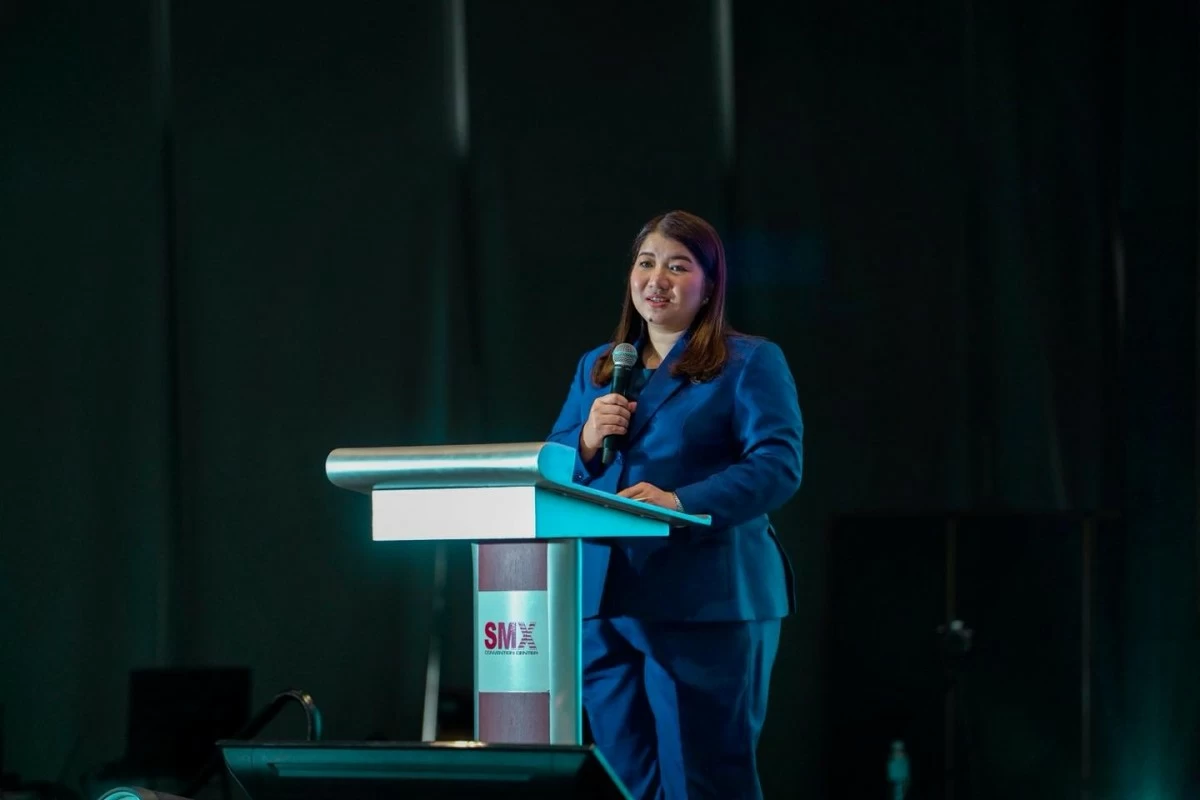
Marikina City Mayor Maan Teodoro speaks at the IoT 2025 Conference: Resilience for All, Future-Proofing Our Communities at the SMX Convention Center. (Photo from Marikina PIO)
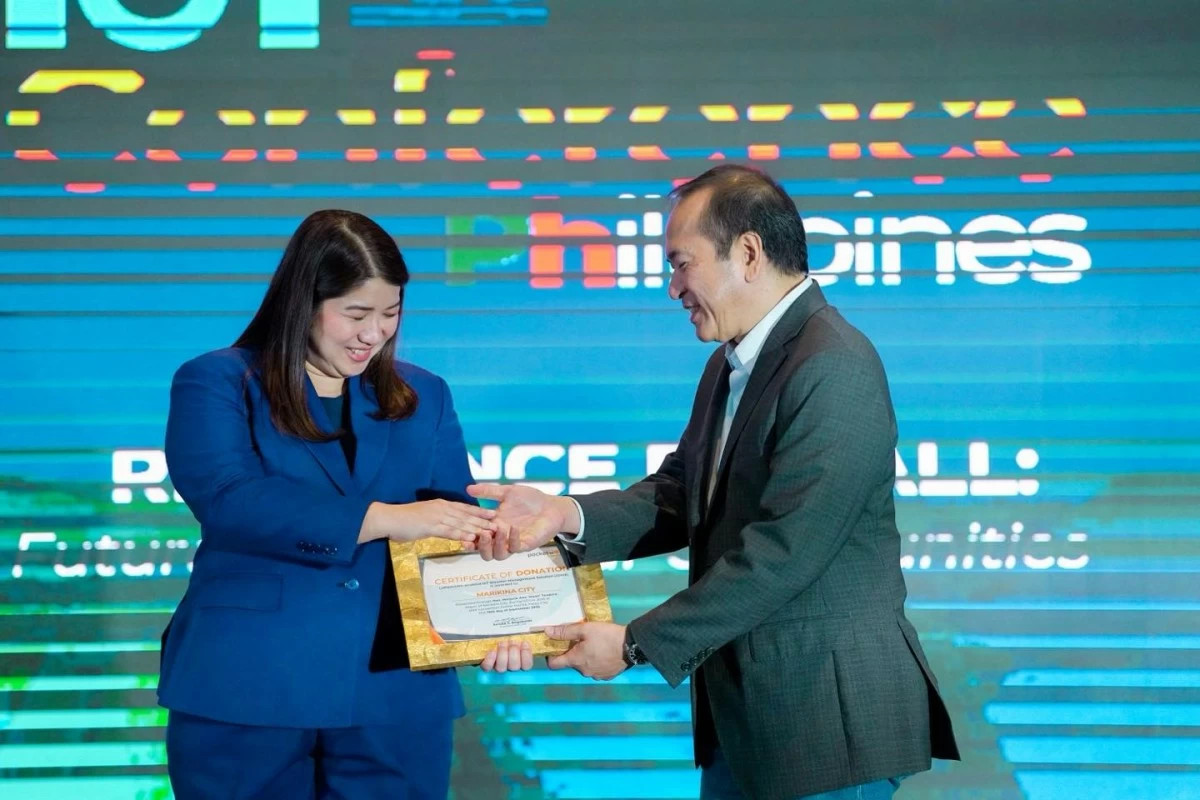
Marikina City Mayor Maan Teodoro speaks at the IoT 2025 Conference: Resilience for All, Future-Proofing Our Communities at the SMX Convention Center. (Photo from Marikina PIO)
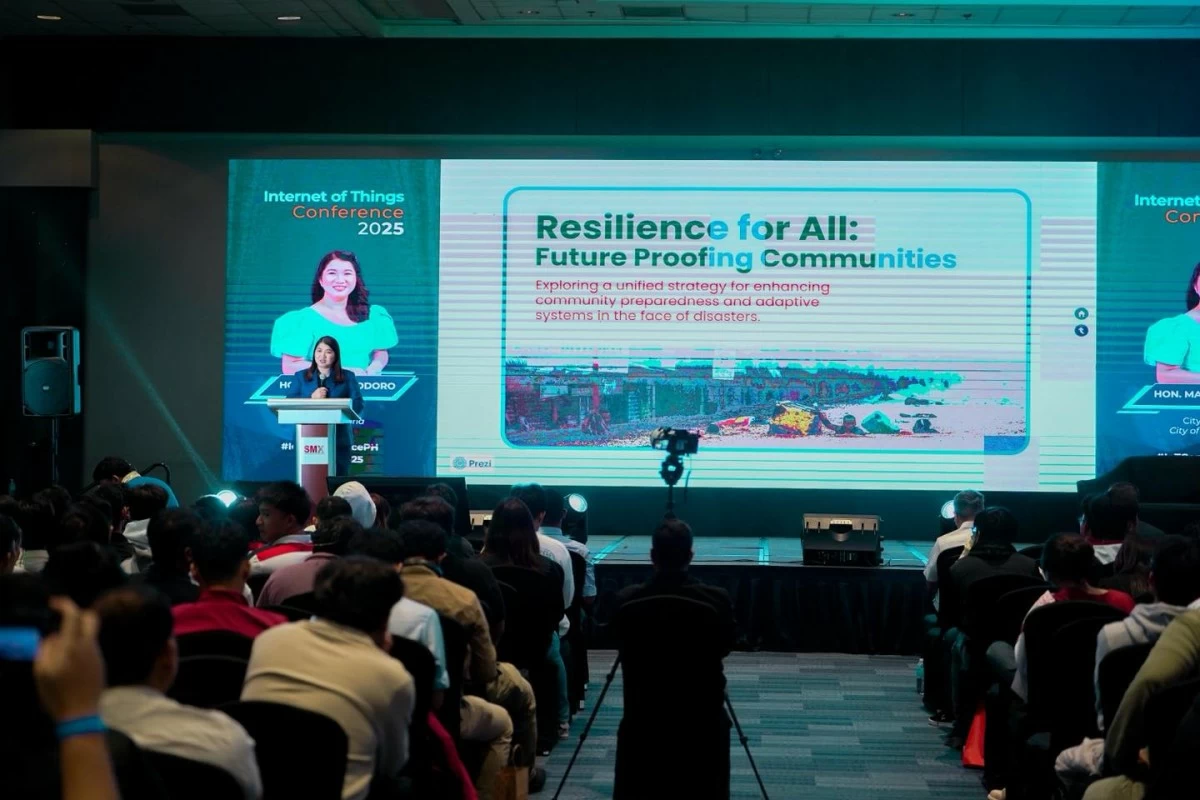
Marikina City Mayor Maan Teodoro speaks at the IoT 2025 Conference: Resilience for All, Future-Proofing Our Communities at the SMX Convention Center. (Photo from Marikina PIO)
Teodoro said this as she shared Marikina's experience in disaster resilience at the recent IoT 2025 Conference: Resilience for All, Future-Proofing Our Communities, held at the SMX Convention Center.
In her speech, she highlighted that Marikina’s resilience is reflected in the widening of the Marikina River, integrated drainage systems, strict waste management, and the culture of discipline among Marikeños.
"Your presence here today reflects something important—that resilience is not the sole responsibility of the government. It is the mission of all who care about the future of our cities," she said.
Teodoro emphasized that the word “resilience” is often overused and associated only with surviving a calamity or seen simply as a Filipino trait, but it should be redefined as a guiding principle.
"In the Philippines, the word 'resilience' is too often spoken of only after the floodwaters have receded, after the rubble has been cleared, after lives have already been disrupted," she said.
“But resilience must be redefined. Not as a cliché, not as a mere trait of a Filipino—but as a guiding principle. A principle that shapes the way we plan our cities, allocate our budgets, design our infrastructure, and govern our communities," she added.
In Marikina, she said that whenever rains or typhoons hit Metro Manila, all eyes turn to the city because it is vulnerable to severe flooding.
"We have seen this again and again. Cameras by the Marikina River, watching the water rise. And yet—despite Marikina being a natural valley, we have shown that the floods can subside in less than 24 hours," Teodoro stated.
The mayor stressed that this is not magic or a miracle, but the result of the city’s flood mitigation efforts and careful preparation.
"Instead of fragmented and reactionary measures, we built an integrated, enforceable, and data-driven strategy anchored on engineering intervention and constant vigilance," she explained.
She noted that, since the administration of her husband, former mayor and now first district rep. Marcelino "Marcy" Teodoro, the local government has widened critical sections of the Marikina River from 60 to 100 meters, reinforced them with slope protection to prevent siltation, and designed them to handle high water flows safely.
"Marikina is not the wealthiest city in Metro Manila. We do not have limitless resources. But we have something more enduring: a strong sense of community. We know each other, we listen to each other, and we face our challenges together," the mayor emphasized.
"That is why our solutions are never born from theory alone. They are rooted in the lived experience of every Marikeño—solutions that may seem like common sense but are always guided by science, informed by data, and strengthened by practice," Teodoro added.
With these efforts, the local government witnessed the return of investor confidence, with businesses that once hesitated, beginning to commit capital. Entrepreneurs from large conglomerates to small homegrown enterprises also chose to expand in the city rather than relocate.
She also shared that Marikina is exploring the Internet of Things (IoT) to unify river gauges, rain monitors, and drainage sensors into a single dashboard.
"We are testing how AI (artificial intelligence) can predict flood timelines and impact zones with greater accuracy," she said.
"To my fellow leaders: let us ensure resilience is not a word we invoke only after calamity, but a reality we build before it strikes. Resilience for all is not a dream; it is a decision. Let us choose it everyday, together," the mayor stressed.
The event was attended by local government leaders, development agencies, academe, civil society, and the private sector.