






Manila Bulletin
 Philippines
National
League of Cities hails return of LGU acceptance of completed nat'l projects
Philippines
National
League of Cities hails return of LGU acceptance of completed nat'l projects
Philippines
National
League of Cities hails return of LGU acceptance of completed nat'l projects
League of Cities hails return of LGU acceptance of completed nat'l projects
Published Sep 19, 2025 11:42 am


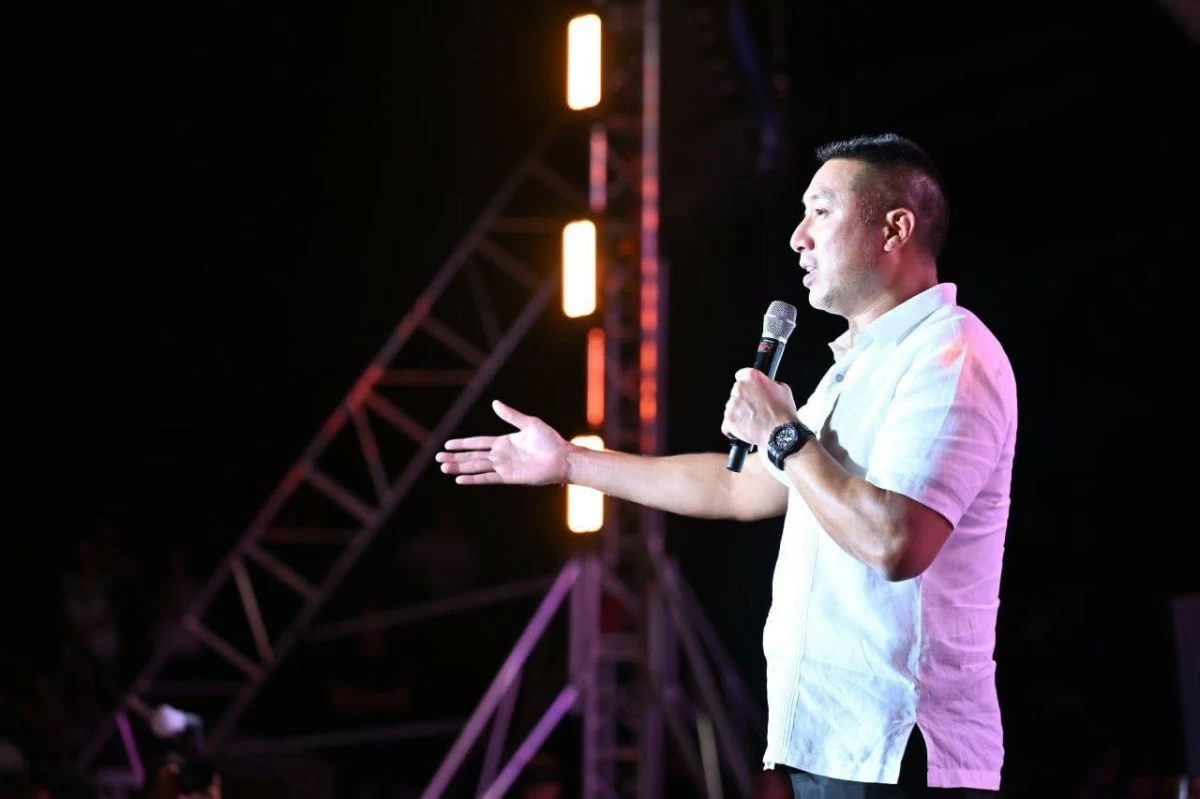
LCP National President and San Juan City Mayor Francis Zamora
The League of Cities of the Philippines (LCP) on Friday, Sept. 19, expressed its support for the President's directive restoring the practice of requiring local government units (LGUs) to formally accept completed projects made by the national government in their respective areas of responsibilities.
According to the league's National President and San Juan City Mayor Francis Zamora, the policy affirms the President’s trust and confidence in LGUs as genuine partners in governance and as frontliners in ensuring accountability.
It also reinforces the critical role of cities in monitoring and reporting on infrastructure projects, thereby strengthening transparency, eliminating inefficiencies, and preventing corruption, particularly the so-called “ghost" projects.
"With this reinstated policy, LGUs will have clearer oversight of project progress and completion within their jurisdictions—information that is essential to informed and effective development planning. This is a win-win solution that safeguards public funds and ensures that infrastructure initiatives truly serve the people," Zamora said.
"The League of Cities of the Philippines stands in solidarity with the national government in fostering stronger collaboration between national agencies and LGUs. We are steadfast in our commitment to transform the President’s renewed trust into concrete results that uplift the lives of our constituents. Our pledge is unwavering: we will work tirelessly to ensure the transparent and effective implementation of this policy for the benefit of every Filipino," he added.
On Sept. 18, Zamora, who also serves as the Metro Manila Council (MMC) president, announced the passing of a resolution urging the national government to seek approval from local government officials before starting any infrastructure projects.
"Kami po ay nagpasa ng isang Metro Manila Council resolution kung saan nagkasundo nga po ang mga LGUs, ang mga mayors ng Metro Manila, na dapat talaga ay magkaroon ng tamang koordinasyon ang pamahalaang nasyonal sa mga lokal na pamahalaan pagdating sa mga proyektong gusto nilang ipatupad (We passed a Metro Manila Council resolution where the LGUs, the mayors of Metro Manila, agreed that the national government should have proper coordination with local governments when it comes to the projects they want to implement)," Zamora said.
"Hindi lamang ito limited sa mga flood control projects, ngunit anumang klaseng infrastructure projects. Hindi lang din ito limited sa Department of Public Works and Highways (DPWH), kundi sa lahat ng national government agencies. Kung ano mang mga infrastucture project ang gusto nilang ipatupad sa aming mga lungsod, dapat po sila ay makipag-ugnayan sa amin at dapat mayroon kaming approval sa proyektong ito (This is not just limited to flood control projects, but any kind of infrastructure projects. This is not just limited to the Department of Public Works and Highways (DPWH), but to all national government agencies. Whatever infrastructure projects they want to implement in our cities, they should contact us and we should have approval for this project)," he added.
The mayor explained that the resolution aims to ensure that all infrastructure projects in their localities are all accounted for and with proper coordination with the relevant LGU officials and agencies.
The move also makes mayors accountable should there be irregularities found in the project.
"Ito’y mahalaga para maiwasan ang mga nangyayari ngayon na bigla na lang nagsisimula ang national government agencies ng kanilang mga proyketo na hindi nakikipagugnayan sa pamahalaang lungsod. Bigla nalang naghuhukay, nagtatayo ng kung ano. Ngayon, kaya na namin suriin kung talaga bang nagawa ng tama, tama ang scope of work, at kung totoo talaga na may proyekto. Of course, we will not accept any project that is substandard or non-existent (This is important so we can avoid what is happening now where national government agencies suddenly start their projects without coordinating with the city government. They just start digging and building something without our knowledge. Now, we can then check if it was really done correctly, the scope of work is correct, and if it is true that there is a project. Of course, we will not accept any project that is substandard or non-existent)," Zamora stressed.