ADVERTISEMENT

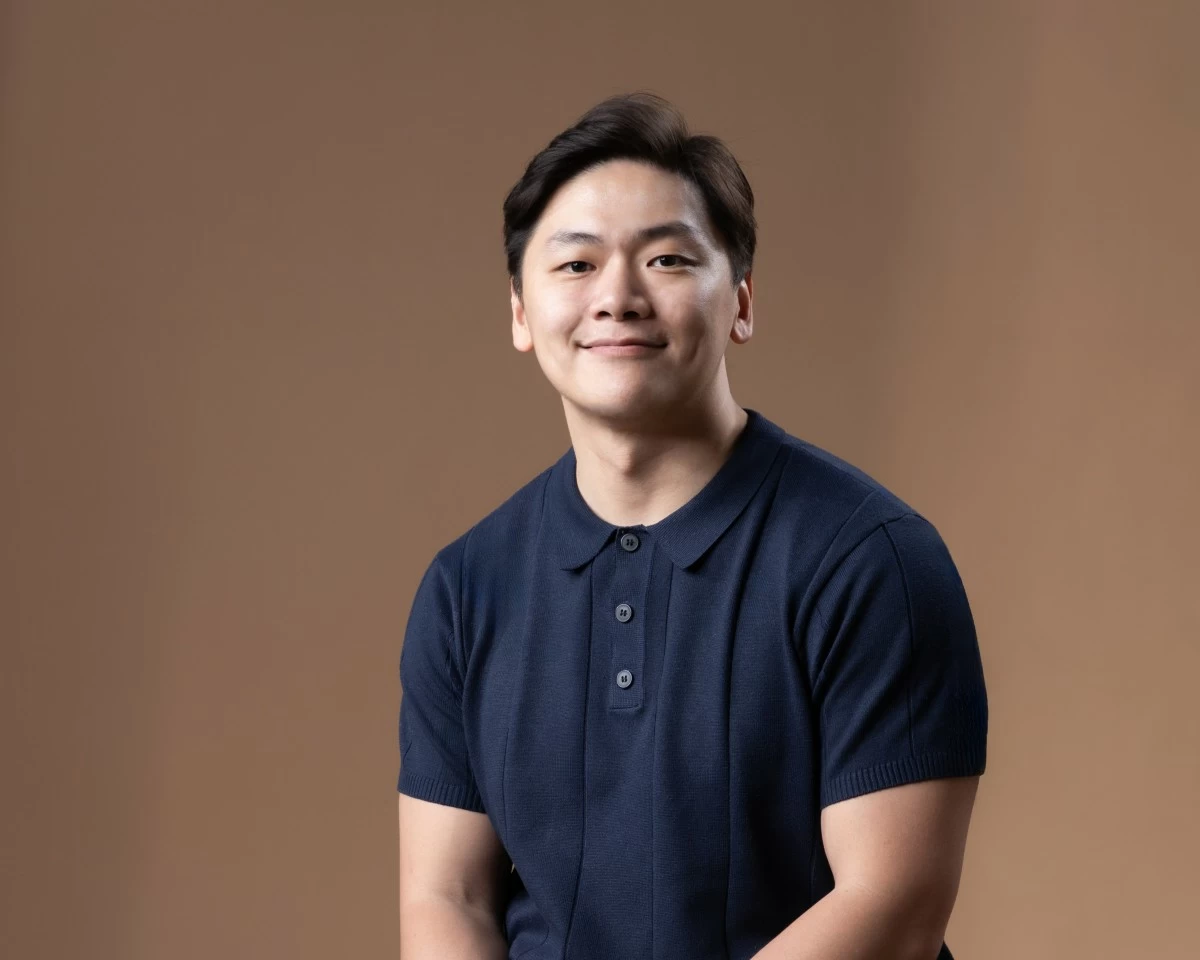
Jerald Sze on 10 years of leading his brand and giving Filipinos 'boundless basics'

Creating confidence, one basic at a time

Published Sep 19, 2025 10:45 am
“What am I going to wear today?” That is one of the many—but constant—questions we ask ourselves throughout our lives. Unlike food or daily routines, clothes are far more personal. They present who we are before we even tell our story. That’s why deciding what pieces to wear often feels more challenging than many of the other choices we make each day.
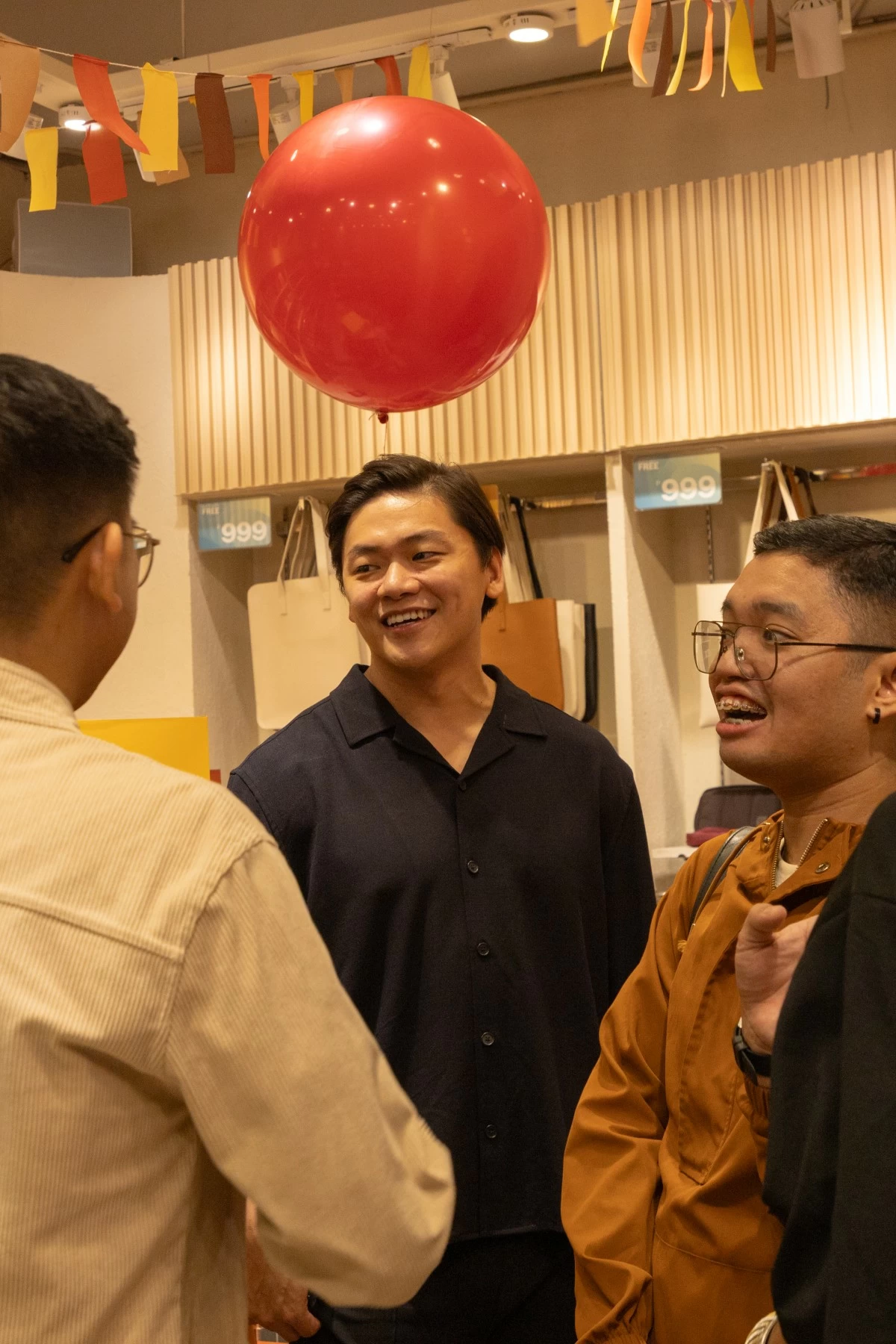
Then-college student Jerald Sze faced the same dilemma. He wanted pieces that made him look put-together—without the overthinking. This concern led him to establish his own clothing brand, Straightforward, offering fuss-free wardrobe essentials that serve as building blocks for personal style.
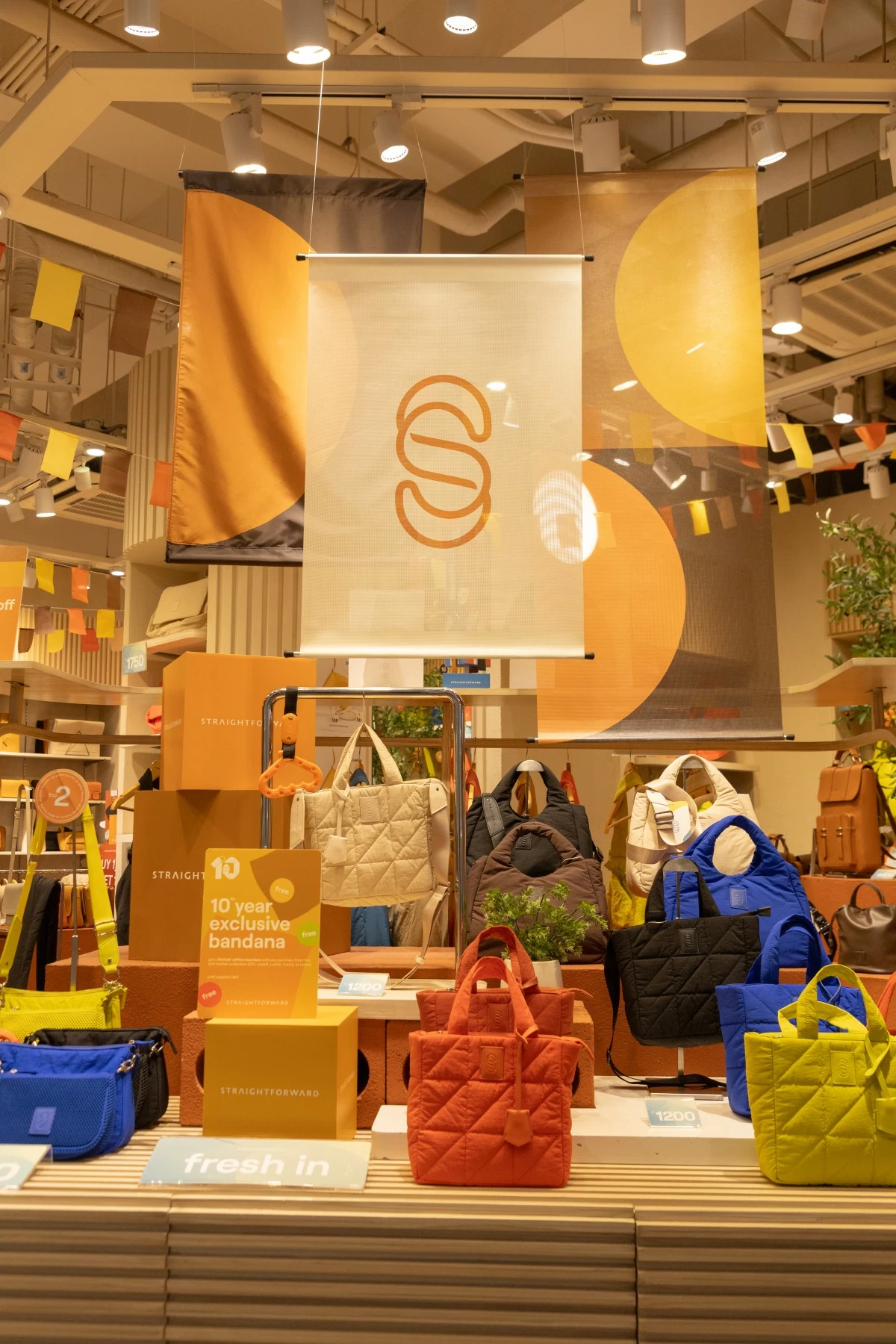
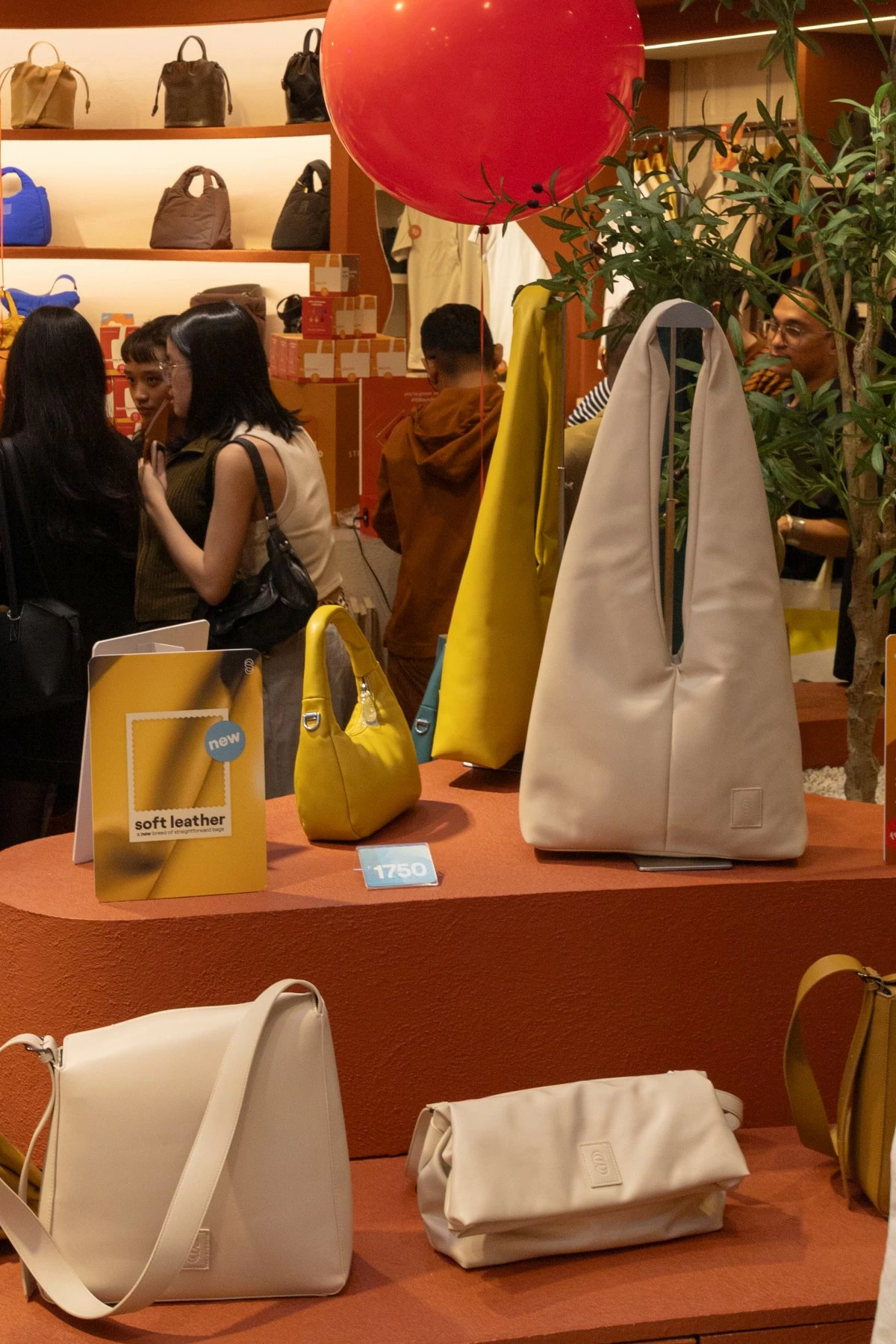
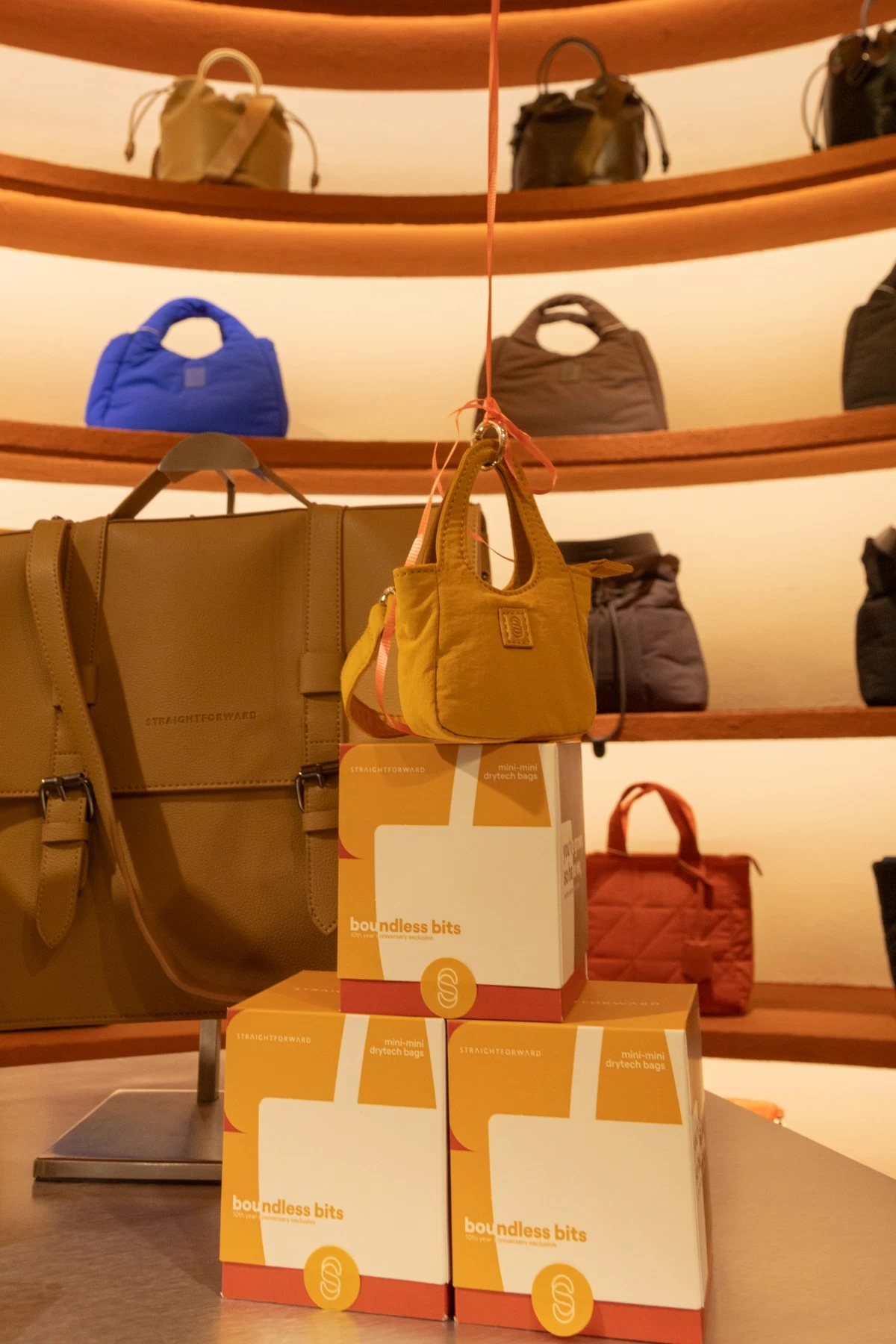
Over the years, Jerald expanded Straightforward’s reach through pop-ups and kiosks. Eventually, the brand evolved into a full-fledged lifestyle label, creating physical spaces that offer customers a complete shopping experience. He believes the brand’s success lies in its products, each of which must pass three tests: timelessness, practicality, and quality.
Now celebrating Straightforward’s 10th anniversary, Jerald—its founder and CEO—sits down with Manila Bulletin Lifestyle to share how each product is made, the challenges he has faced, and what it takes for a homegrown brand to thrive in today’s competitive fashion industry.
Can you walk us through how a Straightforward product is made?
There’s quite a lot that goes into bringing a design to life. Beyond sketches and fabric selection, every Straightforward product has to pass what we call the wear test. It’s not enough that it looks good—it has to feel right when used. For example, in a bag, we ask: How many pockets should there be? Are they accessible? Do the zippers roll smoothly? How does the bag rest on the hip when commuting? Does the person feel safe and secure carrying it? The same goes for apparel: How it moves with you, how it holds up in daily use. This step is often the lengthiest part of production, because it takes time and countless encounters to make sure a design passes not just the look test, but the wear test.
Do you collaborate with creatives or communities in your design process or operations?
Yes—if by collaboration you mean really listening to our customers, then absolutely. You’ll often find me in our stores and at events, talking to customers and getting firsthand feedback. I also spend time on our socials, checking inboxes, and reading through the comment sections. That’s where I get a real feel of what our customers are saying—and even more importantly, what they’re not saying. Those unspoken cues help shape how we design and improve our products.
Over the past 10 years, what lessons have you learned in leading the brand? What have been the most challenging moments?
One moment that really stayed with me was when I met a mother and daughter in one of our stores. The daughter had just earned a scholarship here in the Philippines. They told me, very openly, that the money they saved from tuition would go to buying a Straightforward bag. That stopped me in my tracks. It made me realize that what we do goes beyond fashion or clothes. It’s about the trust people put in us.
When someone chooses us over so many other things they could spend on, that’s a big responsibility. It taught me that our brand is really about keeping that promise: Making sure our customers feel good, look good, and know their trust is never wasted. The hardest part of leading Straightforward has been carrying that responsibility every single day—and making sure we live up to it.
What are you most proud of in the brand’s journey?
I’m proud that we built a homegrown brand from scratch that young Filipinos can trust. Seeing someone wear Straightforward in their everyday life—whether for work, travel, or leisure—reminds me why we do this. It’s about being part of our customers’ success story.
The local fashion scene is highly competitive, with foreign brands adding to the challenge. What does it take for a homegrown brand to thrive today?
It takes relevance and consistency. Relevance—understanding our market deeply and speaking their language. Consistency—delivering quality every single time. Homegrown brands like Straightforward have the advantage of cultural closeness. If we can pair that with world-class quality, we can stand beside any global brand.

Related Tags

Luminaries Jerald Sze Straightforward
ADVERTISEMENT
.most-popular .layout-ratio{ padding-bottom: 79.13%; } @media (min-width: 768px) and (max-width: 1024px) { .widget-title { font-size: 15px !important; } }

{{ articles_filter_1561_widget.title }}

.most-popular .layout-ratio{ padding-bottom: 79.13%; } @media (min-width: 768px) and (max-width: 1024px) { .widget-title { font-size: 15px !important; } }

{{ articles_filter_1562_widget.title }}

.most-popular .layout-ratio{ padding-bottom: 79.13%; } @media (min-width: 768px) and (max-width: 1024px) { .widget-title { font-size: 15px !important; } }

{{ articles_filter_1563_widget.title }}

{{ articles_filter_1564_widget.title }}

.mb-article-details { position: relative; } .mb-article-details .article-body-preview, .mb-article-details .article-body-summary{ font-size: 17px; line-height: 30px; font-family: "Libre Caslon Text", serif; color: #000; } .mb-article-details .article-body-preview iframe , .mb-article-details .article-body-summary iframe{ width: 100%; margin: auto; } .read-more-background { background: linear-gradient(180deg, color(display-p3 1.000 1.000 1.000 / 0) 13.75%, color(display-p3 1.000 1.000 1.000 / 0.8) 30.79%, color(display-p3 1.000 1.000 1.000) 72.5%); position: absolute; height: 200px; width: 100%; bottom: 0; display: flex; justify-content: center; align-items: center; padding: 0; } .read-more-background a{ color: #000; } .read-more-btn { padding: 17px 45px; font-family: Inter; font-weight: 700; font-size: 18px; line-height: 16px; text-align: center; vertical-align: middle; border: 1px solid black; background-color: white; } .hidden { display: none; }
function initializeAllSwipers() { // Get all hidden inputs with cms_article_id document.querySelectorAll('[id^="cms_article_id_"]').forEach(function (input) { const cmsArticleId = input.value; const articleSelector = '#article-' + cmsArticleId + ' .body_images'; const swiperElement = document.querySelector(articleSelector); if (swiperElement && !swiperElement.classList.contains('swiper-initialized')) { new Swiper(articleSelector, { loop: true, pagination: false, navigation: { nextEl: '#article-' + cmsArticleId + ' .swiper-button-next', prevEl: '#article-' + cmsArticleId + ' .swiper-button-prev', }, }); } }); } setTimeout(initializeAllSwipers, 3000); const intersectionObserver = new IntersectionObserver( (entries) => { entries.forEach((entry) => { if (entry.isIntersecting) { const newUrl = entry.target.getAttribute("data-url"); if (newUrl) { history.pushState(null, null, newUrl); let article = entry.target; // Extract metadata const author = article.querySelector('.author-section').textContent.replace('By', '').trim(); const section = article.querySelector('.section-info ').textContent.replace(' ', ' '); const title = article.querySelector('.article-title h1').textContent; // Parse URL for Chartbeat path format const parsedUrl = new URL(newUrl, window.location.origin); const cleanUrl = parsedUrl.host + parsedUrl.pathname; // Update Chartbeat configuration if (typeof window._sf_async_config !== 'undefined') { window._sf_async_config.path = cleanUrl; window._sf_async_config.sections = section; window._sf_async_config.authors = author; } // Track virtual page view with Chartbeat if (typeof pSUPERFLY !== 'undefined' && typeof pSUPERFLY.virtualPage === 'function') { try { pSUPERFLY.virtualPage({ path: cleanUrl, title: title, sections: section, authors: author }); } catch (error) { console.error('ping error', error); } } // Optional: Update document title if (title && title !== document.title) { document.title = title; } } } }); }, { threshold: 0.1 } ); function showArticleBody(button) { const article = button.closest("article"); const summary = article.querySelector(".article-body-summary"); const body = article.querySelector(".article-body-preview"); const readMoreSection = article.querySelector(".read-more-background"); // Hide summary and read-more section summary.style.display = "none"; readMoreSection.style.display = "none"; // Show the full article body body.classList.remove("hidden"); } document.addEventListener("DOMContentLoaded", () => { let loadCount = 0; // Track how many times articles are loaded const offset = [1, 2, 3, 4, 5, 6, 7, 8, 9, 10]; // Offset values const currentUrl = window.location.pathname.substring(1); let isLoading = false; // Prevent multiple calls if (!currentUrl) { console.log("Current URL is invalid."); return; } const sentinel = document.getElementById("load-more-sentinel"); if (!sentinel) { console.log("Sentinel element not found."); return; } function isSentinelVisible() { const rect = sentinel.getBoundingClientRect(); return ( rect.top < window.innerHeight && rect.bottom >= 0 ); } function onScroll() { if (isLoading) return; if (isSentinelVisible()) { if (loadCount >= offset.length) { console.log("Maximum load attempts reached."); window.removeEventListener("scroll", onScroll); return; } isLoading = true; const currentOffset = offset[loadCount]; window.loadMoreItems().then(() => { let article = document.querySelector('#widget_1690 > div:nth-last-of-type(2) article'); intersectionObserver.observe(article) loadCount++; }).catch(error => { console.error("Error loading more items:", error); }).finally(() => { isLoading = false; }); } } window.addEventListener("scroll", onScroll); });

Sign up by email to receive news.