ADVERTISEMENT

Death March of the marathon boys: A review of 'The Long Walk'

Published Sep 19, 2025 09:04 am
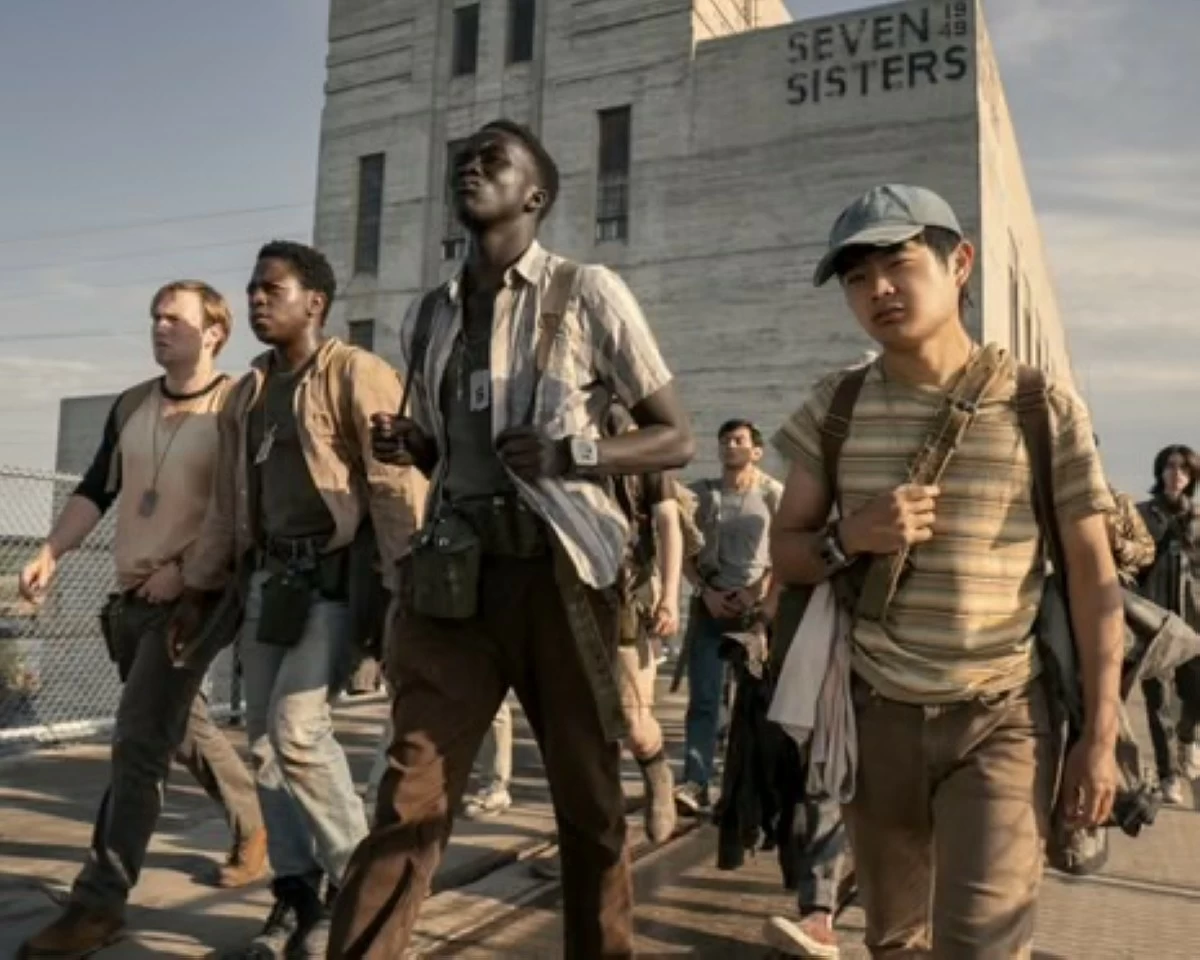
A scene from 'The Long Walk'
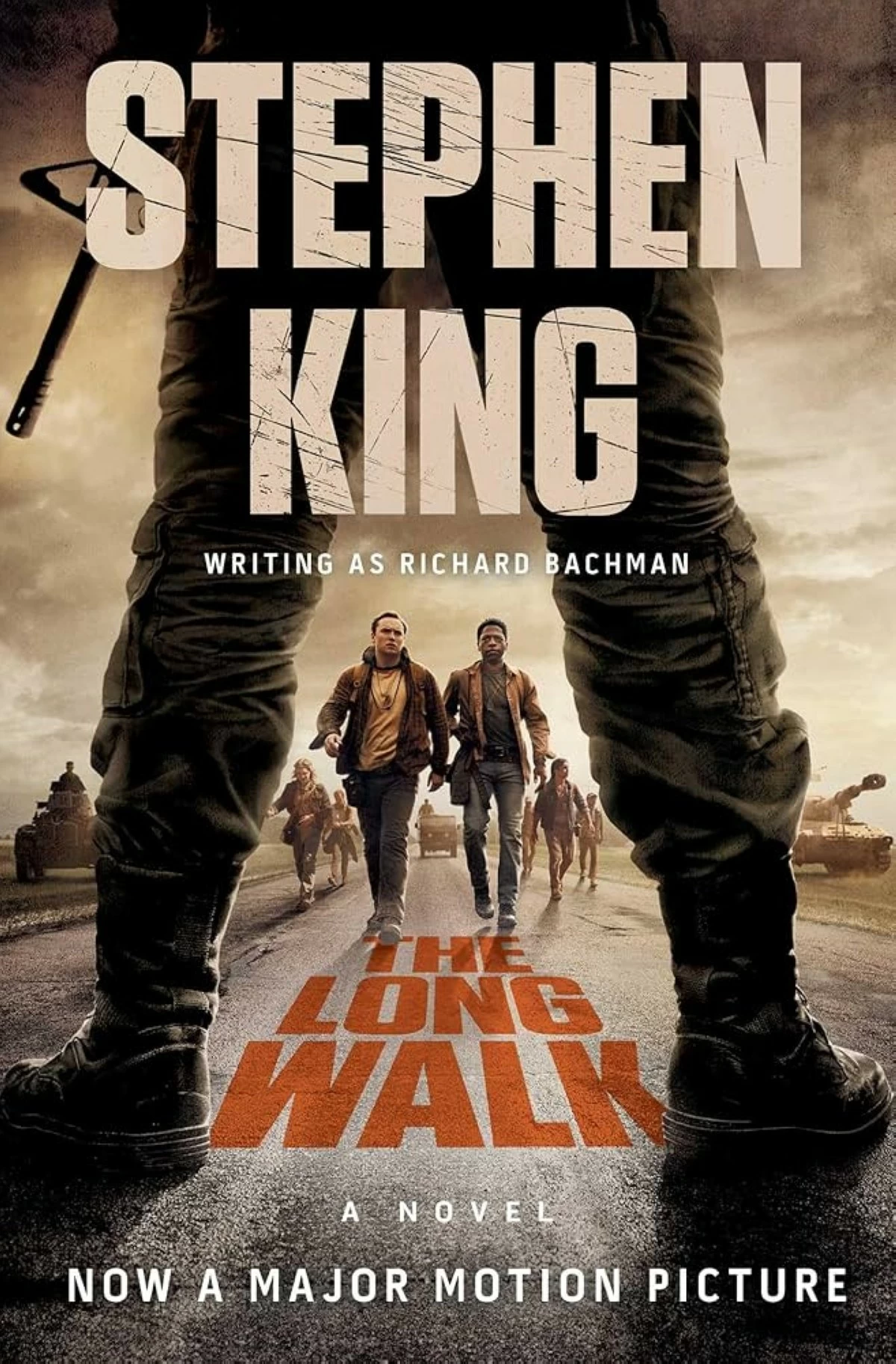
Here is a film that’s based on an old Stephen King novel, one that he wrote under the pseudonym Richard Bachman, and was published way back in 1979. The Long Walk predates Battle Royale and The Hunger Games; so while I’ll describe it as a cross between Stand By Me and The Hunger Games, that would only be for purposes of today’s audiences knowing what to expect.
Directed by Francis Lawrence, who was behind The Hunger Games movies, and with a screenplay by JT Mollner, I will actually give credit for the work they did here, adapting the cumbersome, over-stuffed novel into a lean, mean movie. They’ve pared down the excessive number of characters in the novel, trimmed the ‘fat’, and successfully sped up the action. It works in a way that the novel didn’t, and if horror films got proper Oscar attention and respect, this would even be my front-runner for Best Adapted Screenplay.
The premise has to do with a dystopian USA in economic distress. To keep morale up, once a year, 50 young boys are selected, one from each state, and made to participate in The Long Walk. Think Bataan Death March, but with the consequences of not maintaining a certain walking speed being shot in the head. The Major (Luke Hamill) presides over the death race, and it’s the last one standing that wins the race, earns untold riches, and is granted one wish.
Emotional trauma, physical pain, and camaraderie is written on the cards of each of the boys; and like the film Stand By Me (also written by Stephen King), it’s about friendships created, and going beyond the fact that you’re all rivals for one prize. The film is visceral, graphic, grim, and violent. So what sets it apart and gives the film gravitas are the bonds created by some of the boys.
Most prominent here would be the friendship between Ray Garraty (Cooper Hoffman, son of Philip Seymour, and star of Licorice Pizza) and Peter McVries (David Jonsson, a British actor best known for Rye Lane and portraying the android Andy in Alien: Covenant). The two create a lot of chemistry and propel the film forward, so it’s more than just the physical ordeal of the Walk, but also about defining the human spirit and what makes us better than animals.
We also get strong acting from the boys playing Gary Barkovitch (Charlie Plummer of Lean On Pete), and Hank Olsen (Ben Wang, who we saw in Karate Kid: Legends).
As a dystopian horror/thriller, The Long Walk knows how to get you involved with the fates of the boys, even if we need to suspend disbelief with the premise. And as I mentioned, it’s actually stronger than the source material. Now showing in cinemas.
ADVERTISEMENT
.most-popular .layout-ratio{ padding-bottom: 79.13%; } @media (min-width: 768px) and (max-width: 1024px) { .widget-title { font-size: 15px !important; } }

{{ articles_filter_1561_widget.title }}

.most-popular .layout-ratio{ padding-bottom: 79.13%; } @media (min-width: 768px) and (max-width: 1024px) { .widget-title { font-size: 15px !important; } }

{{ articles_filter_1562_widget.title }}

.most-popular .layout-ratio{ padding-bottom: 79.13%; } @media (min-width: 768px) and (max-width: 1024px) { .widget-title { font-size: 15px !important; } }

{{ articles_filter_1563_widget.title }}

{{ articles_filter_1564_widget.title }}

.mb-article-details { position: relative; } .mb-article-details .article-body-preview, .mb-article-details .article-body-summary{ font-size: 17px; line-height: 30px; font-family: "Libre Caslon Text", serif; color: #000; } .mb-article-details .article-body-preview iframe , .mb-article-details .article-body-summary iframe{ width: 100%; margin: auto; } .read-more-background { background: linear-gradient(180deg, color(display-p3 1.000 1.000 1.000 / 0) 13.75%, color(display-p3 1.000 1.000 1.000 / 0.8) 30.79%, color(display-p3 1.000 1.000 1.000) 72.5%); position: absolute; height: 200px; width: 100%; bottom: 0; display: flex; justify-content: center; align-items: center; padding: 0; } .read-more-background a{ color: #000; } .read-more-btn { padding: 17px 45px; font-family: Inter; font-weight: 700; font-size: 18px; line-height: 16px; text-align: center; vertical-align: middle; border: 1px solid black; background-color: white; } .hidden { display: none; }
function initializeAllSwipers() { // Get all hidden inputs with cms_article_id document.querySelectorAll('[id^="cms_article_id_"]').forEach(function (input) { const cmsArticleId = input.value; const articleSelector = '#article-' + cmsArticleId + ' .body_images'; const swiperElement = document.querySelector(articleSelector); if (swiperElement && !swiperElement.classList.contains('swiper-initialized')) { new Swiper(articleSelector, { loop: true, pagination: false, navigation: { nextEl: '#article-' + cmsArticleId + ' .swiper-button-next', prevEl: '#article-' + cmsArticleId + ' .swiper-button-prev', }, }); } }); } setTimeout(initializeAllSwipers, 3000); const intersectionObserver = new IntersectionObserver( (entries) => { entries.forEach((entry) => { if (entry.isIntersecting) { const newUrl = entry.target.getAttribute("data-url"); if (newUrl) { history.pushState(null, null, newUrl); let article = entry.target; // Extract metadata const author = article.querySelector('.author-section').textContent.replace('By', '').trim(); const section = article.querySelector('.section-info ').textContent.replace(' ', ' '); const title = article.querySelector('.article-title h1').textContent; // Parse URL for Chartbeat path format const parsedUrl = new URL(newUrl, window.location.origin); const cleanUrl = parsedUrl.host + parsedUrl.pathname; // Update Chartbeat configuration if (typeof window._sf_async_config !== 'undefined') { window._sf_async_config.path = cleanUrl; window._sf_async_config.sections = section; window._sf_async_config.authors = author; } // Track virtual page view with Chartbeat if (typeof pSUPERFLY !== 'undefined' && typeof pSUPERFLY.virtualPage === 'function') { try { pSUPERFLY.virtualPage({ path: cleanUrl, title: title, sections: section, authors: author }); } catch (error) { console.error('ping error', error); } } // Optional: Update document title if (title && title !== document.title) { document.title = title; } } } }); }, { threshold: 0.1 } ); function showArticleBody(button) { const article = button.closest("article"); const summary = article.querySelector(".article-body-summary"); const body = article.querySelector(".article-body-preview"); const readMoreSection = article.querySelector(".read-more-background"); // Hide summary and read-more section summary.style.display = "none"; readMoreSection.style.display = "none"; // Show the full article body body.classList.remove("hidden"); } document.addEventListener("DOMContentLoaded", () => { let loadCount = 0; // Track how many times articles are loaded const offset = [1, 2, 3, 4, 5, 6, 7, 8, 9, 10]; // Offset values const currentUrl = window.location.pathname.substring(1); let isLoading = false; // Prevent multiple calls if (!currentUrl) { console.log("Current URL is invalid."); return; } const sentinel = document.getElementById("load-more-sentinel"); if (!sentinel) { console.log("Sentinel element not found."); return; } function isSentinelVisible() { const rect = sentinel.getBoundingClientRect(); return ( rect.top < window.innerHeight && rect.bottom >= 0 ); } function onScroll() { if (isLoading) return; if (isSentinelVisible()) { if (loadCount >= offset.length) { console.log("Maximum load attempts reached."); window.removeEventListener("scroll", onScroll); return; } isLoading = true; const currentOffset = offset[loadCount]; window.loadMoreItems().then(() => { let article = document.querySelector('#widget_1690 > div:nth-last-of-type(2) article'); intersectionObserver.observe(article) loadCount++; }).catch(error => { console.error("Error loading more items:", error); }).finally(() => { isLoading = false; }); } } window.addEventListener("scroll", onScroll); });

Sign up by email to receive news.