

ADVERTISEMENT

Billions for concrete, pennies for nature

Published Sep 19, 2025 09:23 am
In the proposed ₱6.793-trillion 2026 National Budget, the Department of Environment and Natural Resources (DENR) is allocated just a sliver of the pie—less than one percent of total appropriations. The Department of Public Works and Highways (DPWH), meanwhile, commands ₱881.3 billion, or about 13 percent of the entire budget, much of it for flood control and infrastructure programs (DBM/CPBRD budget briefs).
The imbalance is also seen in the government’s Climate Change Expenditure Tracking: of the ₱983 billion tagged for adaptation and mitigation, 76.7 percent goes to DPWH, while only one percent is allotted to DENR. On paper, it looks like climate action. In reality, it risks being greenwashed—because the lion’s share goes to concrete and construction, not to the forests, wetlands, and watersheds that actually prevent floods. Greenpeace has further estimated that ₱1.09 trillion in climate-tagged expenditures since 2023 may be vulnerable to corruption. That is money that should have built resilience, but instead risks being washed away.
This leads to a difficult but essential question: how can we increase funding for environmental protection unless we also ensure those funds are safeguarded, laws are enforced, and violators are held accountable?
Flood control as a cash cow
Flood control has long been one of the most tempting cash cows of corruption. Cement, steel, and dredging are easy to pad, overprice, or leave half-finished.
By contrast, reforestation or mangrove rehabilitation is much harder to inflate. Still, it is not immune. A Davao Today report uncovered so-called “ghost forests” under the National Greening Program: areas supposedly replanted but left bare in reality. When this happens, the betrayal cuts deep—robbing communities not only of funds but of the natural defenses they desperately need.
The scandal of check dam conversions
In the Upper Marikina River Basin Protected Landscape, the betrayal is even more direct. After Typhoon Ondoy, check dams were built to slow water, trap silt, stabilize slopes, and reduce downstream flooding. They were meant to be lifelines for vulnerable communities.
Yet some of these check dams have been converted into private swimming pool resorts—reportedly linked to a former DENR official. These illegal structures, built within the easement of waterways, directly undermine the purpose of the check dams. They divert water, block natural flow, reduce the dams’ ability to buffer floods, and put downstream communities at even greater risk.
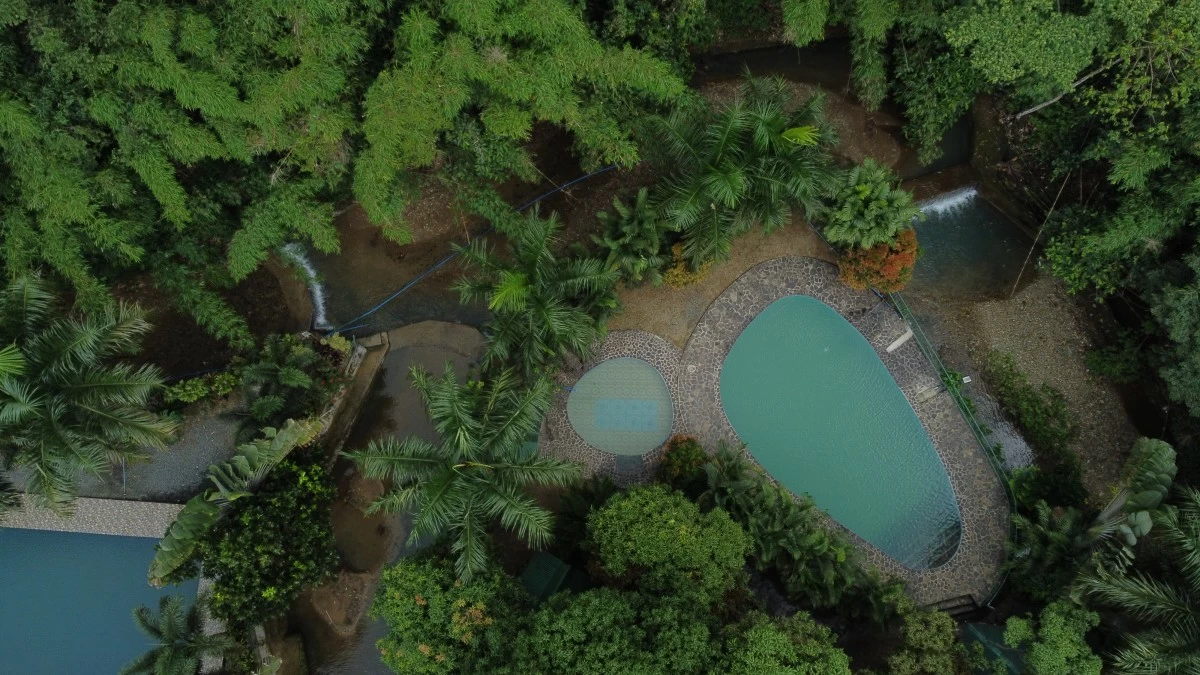
A swimming pool resort in the Upper Marikina Watershed diverts Check Dams built after Ondoy
Section 24 of the National Integrated Protected Areas System (NIPAS) Act, as amended by e-NIPAS, is unambiguous: structures within the easement of waterways inside protected areas must be demolished. You may think this is radical, but it is simply the law. What is truly radical is allowing such structures to remain while communities pay the price in floodwaters and loss.
Nature as the real solution
Science and global best practice show that ecosystems, not endless concrete, are our best flood defenses. Forests absorb rainfall. Mangroves blunt storm surges. Wetlands give rivers space to breathe. Green urban design allows cities to act as sponges rather than basins.
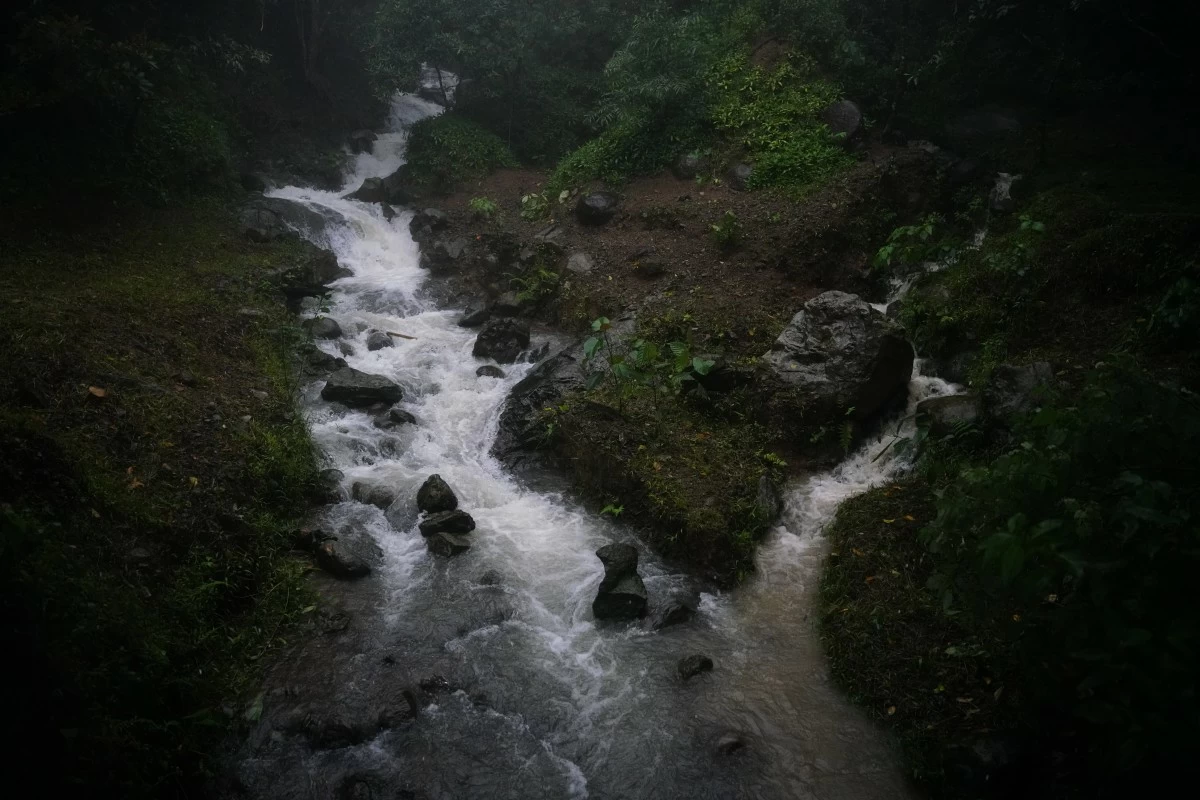
Floodwater management starts in clear and unimpeded forest waterways
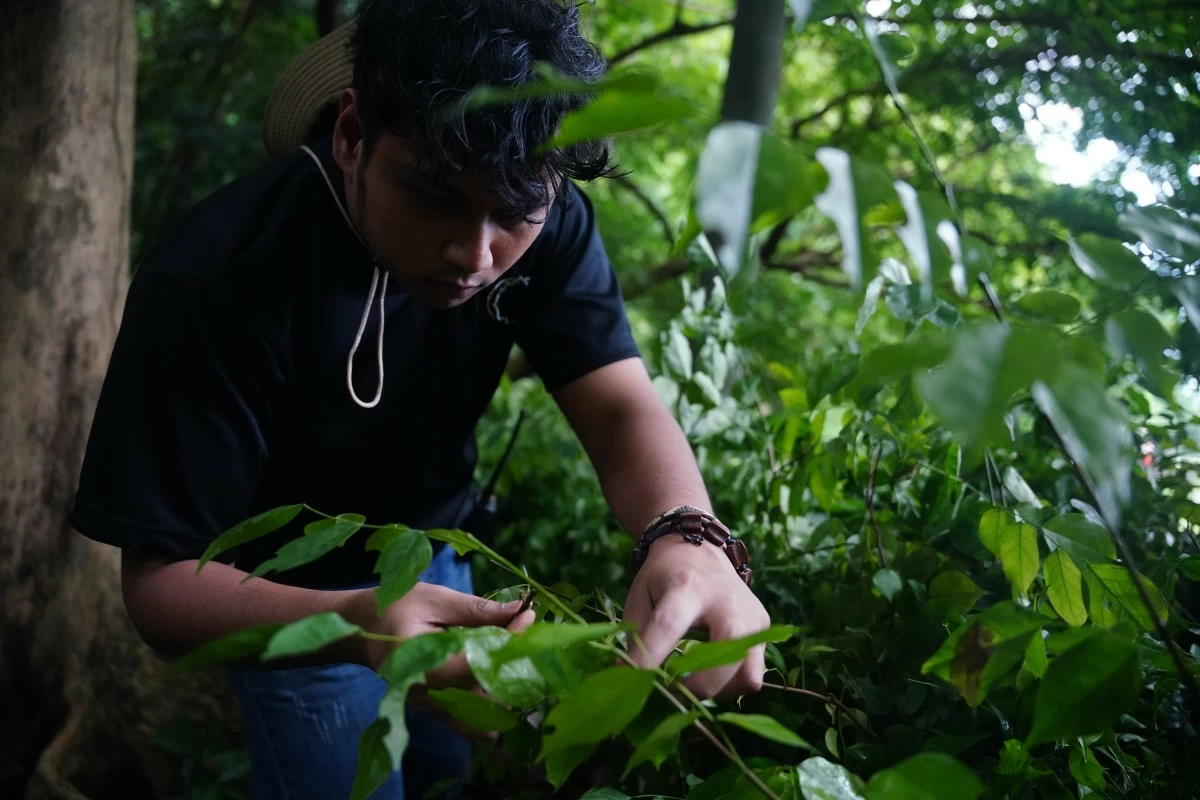
A Masungi park ranger inspects newly delivered seedlings for reforestation of the Upper Marikina Watershed
These solutions are cost-effective, long-lasting, and deliver countless co-benefits: cooler air, cleaner water, biodiversity, and sustainable livelihoods. They don’t just prevent floods—they enhance life.
Yet they rarely get prioritized, because they don’t produce ribbon-cuttings or fatten contractors’ pockets.
Accountability and support
We cannot solve flooding with cement alone, nor by leaving DENR under-resourced. What we need is twofold: greater accountability to prevent corruption, and stronger support for watershed protection and law enforcement. This means filing cases against violators, not merely issuing warnings. It means directing climate budgets to where they truly build resilience—forests, wetlands, and watersheds—while strengthening institutions and cracking down on corrupt practices, much like what Department of Public Works and Highways (DPWH) Secretary Vince Dizon has begun pursuing, to ensure every peso delivers real protection.
Floodwaters on our streets are not just natural disasters—they are mirrors of weak governance. Unless we confront both, we will remain trapped in the same cycle of disaster and waste.
Deep problems require deep solutions
We expect the new DENR Secretary, Raphael “Popo” Lotilla, and President Ferdinand Marcos Jr. to demonstrate real commitment by enforcing Section 24 of the NIPAS Act and demolishing the illegal resort structures built on check dams in Upper Marikina.
Because deep problems—like floods, like corruption—require deep solutions. Not surface-level fixes. Not ghost forests. Not padded contracts. But decisive action to restore what has been lost and let nature defend our future.
------------
Thank you to the Panatang Luntian coalition for hosting a kapihan session this Monday night, where citizens, advocates, and experts unpacked the 2026 budget. These discussions remind us that vigilance is the first step to resilience.
ADVERTISEMENT
.most-popular .layout-ratio{ padding-bottom: 79.13%; } @media (min-width: 768px) and (max-width: 1024px) { .widget-title { font-size: 15px !important; } }

{{ articles_filter_1561_widget.title }}

.most-popular .layout-ratio{ padding-bottom: 79.13%; } @media (min-width: 768px) and (max-width: 1024px) { .widget-title { font-size: 15px !important; } }

{{ articles_filter_1562_widget.title }}

.most-popular .layout-ratio{ padding-bottom: 79.13%; } @media (min-width: 768px) and (max-width: 1024px) { .widget-title { font-size: 15px !important; } }

{{ articles_filter_1563_widget.title }}

{{ articles_filter_1564_widget.title }}

.mb-article-details { position: relative; } .mb-article-details .article-body-preview, .mb-article-details .article-body-summary{ font-size: 17px; line-height: 30px; font-family: "Libre Caslon Text", serif; color: #000; } .mb-article-details .article-body-preview iframe , .mb-article-details .article-body-summary iframe{ width: 100%; margin: auto; } .read-more-background { background: linear-gradient(180deg, color(display-p3 1.000 1.000 1.000 / 0) 13.75%, color(display-p3 1.000 1.000 1.000 / 0.8) 30.79%, color(display-p3 1.000 1.000 1.000) 72.5%); position: absolute; height: 200px; width: 100%; bottom: 0; display: flex; justify-content: center; align-items: center; padding: 0; } .read-more-background a{ color: #000; } .read-more-btn { padding: 17px 45px; font-family: Inter; font-weight: 700; font-size: 18px; line-height: 16px; text-align: center; vertical-align: middle; border: 1px solid black; background-color: white; } .hidden { display: none; }
function initializeAllSwipers() { // Get all hidden inputs with cms_article_id document.querySelectorAll('[id^="cms_article_id_"]').forEach(function (input) { const cmsArticleId = input.value; const articleSelector = '#article-' + cmsArticleId + ' .body_images'; const swiperElement = document.querySelector(articleSelector); if (swiperElement && !swiperElement.classList.contains('swiper-initialized')) { new Swiper(articleSelector, { loop: true, pagination: false, navigation: { nextEl: '#article-' + cmsArticleId + ' .swiper-button-next', prevEl: '#article-' + cmsArticleId + ' .swiper-button-prev', }, }); } }); } setTimeout(initializeAllSwipers, 3000); const intersectionObserver = new IntersectionObserver( (entries) => { entries.forEach((entry) => { if (entry.isIntersecting) { const newUrl = entry.target.getAttribute("data-url"); if (newUrl) { history.pushState(null, null, newUrl); let article = entry.target; // Extract metadata const author = article.querySelector('.author-section').textContent.replace('By', '').trim(); const section = article.querySelector('.section-info ').textContent.replace(' ', ' '); const title = article.querySelector('.article-title h1').textContent; // Parse URL for Chartbeat path format const parsedUrl = new URL(newUrl, window.location.origin); const cleanUrl = parsedUrl.host + parsedUrl.pathname; // Update Chartbeat configuration if (typeof window._sf_async_config !== 'undefined') { window._sf_async_config.path = cleanUrl; window._sf_async_config.sections = section; window._sf_async_config.authors = author; } // Track virtual page view with Chartbeat if (typeof pSUPERFLY !== 'undefined' && typeof pSUPERFLY.virtualPage === 'function') { try { pSUPERFLY.virtualPage({ path: cleanUrl, title: title, sections: section, authors: author }); } catch (error) { console.error('ping error', error); } } // Optional: Update document title if (title && title !== document.title) { document.title = title; } } } }); }, { threshold: 0.1 } ); function showArticleBody(button) { const article = button.closest("article"); const summary = article.querySelector(".article-body-summary"); const body = article.querySelector(".article-body-preview"); const readMoreSection = article.querySelector(".read-more-background"); // Hide summary and read-more section summary.style.display = "none"; readMoreSection.style.display = "none"; // Show the full article body body.classList.remove("hidden"); } document.addEventListener("DOMContentLoaded", () => { let loadCount = 0; // Track how many times articles are loaded const offset = [1, 2, 3, 4, 5, 6, 7, 8, 9, 10]; // Offset values const currentUrl = window.location.pathname.substring(1); let isLoading = false; // Prevent multiple calls if (!currentUrl) { console.log("Current URL is invalid."); return; } const sentinel = document.getElementById("load-more-sentinel"); if (!sentinel) { console.log("Sentinel element not found."); return; } function isSentinelVisible() { const rect = sentinel.getBoundingClientRect(); return ( rect.top < window.innerHeight && rect.bottom >= 0 ); } function onScroll() { if (isLoading) return; if (isSentinelVisible()) { if (loadCount >= offset.length) { console.log("Maximum load attempts reached."); window.removeEventListener("scroll", onScroll); return; } isLoading = true; const currentOffset = offset[loadCount]; window.loadMoreItems().then(() => { let article = document.querySelector('#widget_1690 > div:nth-last-of-type(2) article'); intersectionObserver.observe(article) loadCount++; }).catch(error => { console.error("Error loading more items:", error); }).finally(() => { isLoading = false; }); } } window.addEventListener("scroll", onScroll); });

Sign up by email to receive news.