







Why you shouldn't ignore viral pneumonia
How this illness is often an unrecognized killer
Published Sep 18, 2025 09:56 pm


At A Glance
- Pneumonia can develop either primarily from the virus or as a post-viral bacterial pneumonia.
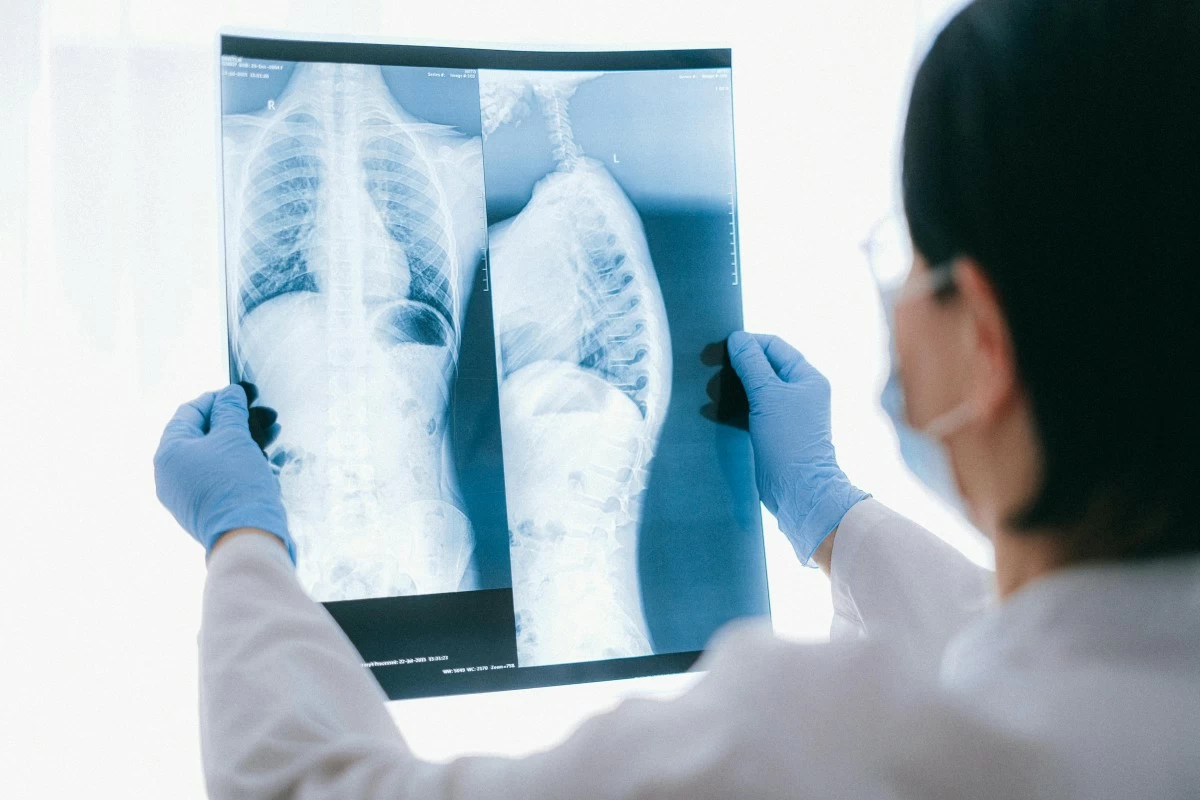
In the last two weeks, I’ve had three elderly patients end up in the hospital with severe pneumonia. This isn’t uncommon in my infectious diseases practice since I help take care of very sick patients with lung infections. What is unusual about these cases is that they were not caused by the usual bacterial pathogens but instead were caused by viruses. One patient had both influenza and respiratory syncytial virus (RSV), another had RSV only, and the last one was infected with human metapneumovirus (HMPV).
Most respiratory viruses cause mild disease and resolve with supportive care. These include common cold viruses such as rhinoviruses, enteroviruses, and adenoviruses. These viruses usually stay in the upper airway (the nose, sinuses, mouth, and throat) and cause an upper respiratory tract infection which can be very annoying but is otherwise harmless. We know, however, that some respiratory viruses can attack the lungs and cause a bad pneumonia. Seasonal influenza kills about 290,000 to 650,000 people every year by causing viral pneumonia or exacerbating preexisting comorbid conditions. Pandemic influenza, such as the Spanish flu, killed millions. And of course, the recent Covid-19 pandemic caused a lot of viral pneumonia that killed at least seven million people, including nearly 67,000 Filipinos.
What about RSV and HMPV? Neither of these viruses is new to humans. HMPV was discovered in 2001 but has likely been circulating in humans for decades. RSV was discovered in 1956, but has been around for much longer than that. These viruses have been causing pneumonia for a long time, but are only being increasingly recognized. The difference is that we now have a lot of molecular tools available in hospital laboratories that can test for multiple bacteria, viruses, and fungi at the same time and report the results in a few hours.
RSV is traditionally one of the most important respiratory pathogens in young children. It causes more than 100,000 deaths worldwide among children less than five years old. When we started routinely testing for respiratory viruses in adults, it became apparent that RSV causes a significant amount of serious illness in the elderly as well as those with chronic heart and lung problems. RSV can be more deadly than the flu in these populations, although it is still less deadly than SARS-CoV-2 in unvaccinated patients.
There are two serotypes of RSV, and unfortunately, there is no long-lasting immunity to either serotype. This means that you can get reinfected with RSV many times in your life. Unlike influenza, which is usually accompanied by fever, RSV patients can be afebrile or only develop a mild temperature elevation. This is partly the reason why people tend to underestimate RSV until they start developing shortness of breath. Government surveillance programs are usually centered around influenza-like illnesses, for which the criterion for testing includes fever, so RSV outbreaks can be easily missed.
There are no known effective antivirals for RSV. There are prophylactic medicines using monoclonal antibodies such as nirsevimab that can be given to children at high risk for RSV, but these are not available locally. Recently, three effective RSV vaccines have been approved for use in adults. These significantly decrease the risk of hospitalization, especially in elderly adults and those with comorbid conditions. Two vaccines are available locally in the Philippines. One vaccine is approved for use in those 60 years old and above, while another is approved for those 50 years old and above, especially for those with significant comorbidities. One vaccine is also approved for use in pregnant women since they can pass on the antibodies to their babies and provide protection in the first six months of life.
HMPV presents with similar symptoms to RSV but is less virulent. HMPV sits between influenza and RSV in terms of severity of infection and can be deadlier than the flu in older patients with comorbid conditions. There are no effective antivirals or vaccines for HMPV, although research is ongoing on these interventions.
When should you suspect that you have viral pneumonia? Influenza has a very typical symptom set, including high fever, muscle and joint pains, and cough and cold. When it causes pneumonia, additional symptoms can include pain with coughing, as well as shortness of breath. Viral pneumonias tend to have little or no phlegm. Pneumonia can develop either primarily from the virus or as a post-viral bacterial pneumonia. Influenza and other respiratory viruses can predispose to bacterial pneumonia because these take a toll on the immune system, and the attendant lung inflammation makes it easier for bacteria to invade. Covid-19 pneumonia is similar to influenza pneumonia but can be associated with the usual Covid-19 symptoms of loss of taste and smell. RSV and HMPV are more insidious since fever may be absent, but once there is shortness of breath, it is time to go to the emergency room, especially if you are elderly or immunocompromised.
All three of my patients are recovering nicely. The one who was coinfected with influenza also received oseltamivir while the others got supportive treatment. Two of them did end up in the ICU for a short period of time, and this shows how serious viral pneumonia can be. Everyone should get an influenza vaccine once a year. Those who are 50 years and older should also get the conjugated pneumonia vaccine (PCV13, PCV15, or PCV20), which protects against the most common cause of bacterial pneumonia, Streptococcus pneumoniae. RSV vaccines are now available as a single dose and are recommended in elderly patients, especially those with comorbid conditions. As always, one of the cheapest and most effective protective measures for preventing infection with respiratory viruses is wearing a high-quality mask when in enclosed and crowded spaces. Viral respiratory infections are not a joke, and they can turn deadly if we underestimate them.