







Why Filipinos Play Videos Out Loud
Published Sep 18, 2025 06:12 am
|
Updated Nov 7, 2025 10:22 am


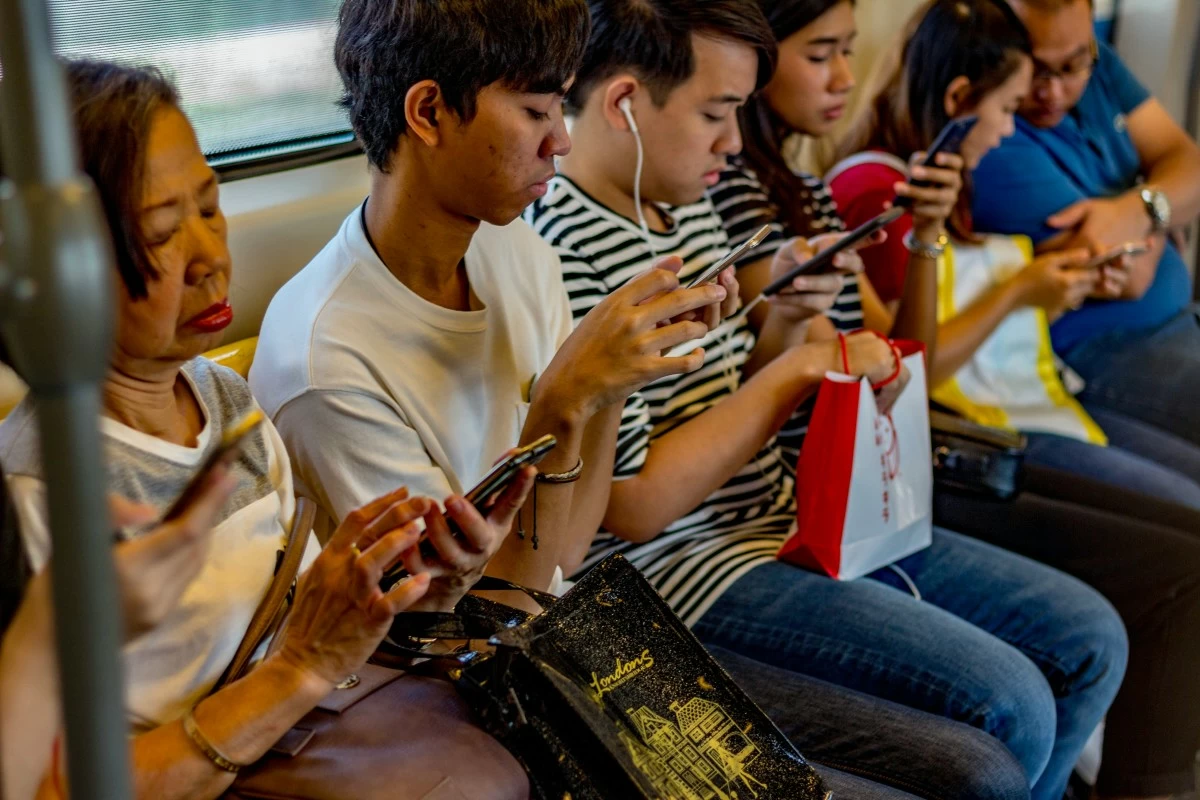
One afternoon on a jeep in UP Diliman, I found myself involuntarily watching, or rather, listening to a teleserye episode playing from the phone of the passenger beside me. The volume was so loud that soon everyone in the jeep knew that the bida had just discovered her husband’s secret. By the time the jeep reached Vinzons Hall, I found myself craning my neck to catch a glimpse of the screen. Nobody in the jeep complained. In fact, a few students chuckled and exchanged sly smiles.
Scenes like this are common. In barangay halls, waiting sheds, and even in the market, we hear YouTube videos, vlogs, and TikTok music blaring from a speaker. For many, this is simply background noise. For others, it’s a daily irritation - one more layer of noise in our already noise-polluted cities. The usual question in everyone’s head is: “Why can’t they just wear earphones?”
Anthropologists might suggest that we begin with the idea of soundscapes, or the acoustic environment that shapes how we experience the world. In many Filipino homes, televisions and radios are kept on all day, creating a familiar soundscape that signals warmth, presence, and life. The familiar chatter of a teleserye or a noontime show fills not just the room but the silence, which can otherwise feel too eerie. When space is communal, as it often is in cramped urban housing, privacy is secondary to being together.
That sense of shared sound carries over into public space. Jeeps, sari-sari stores, and even sidewalks become extensions of the household, where private media becomes public entertainment. Playing a video out loud recreates that domestic soundscape, making a bus ride or waiting time feel less lonely. What may seem as a breach of social etiquette can actually be a recognition that we are in this shared space together. It can even be an unspoken invitation to others: listen with me, laugh with me, react with me.
There are practical reasons, too. Earphones may be cheap but they are not universal; they break easily, get lost, and for many are not worth replacing when daily expenses are already a struggle. Some simply forget to use them, or find them uncomfortable after hours of use. Others prefer the fuller, more immersive sound that speakers provide; a tiny rebellion against the shoddy, isolated audio of cheap earphones. In this sense, playing content loudly can be as much about convenience and comfort as it is about culture.
We also need to consider the mental state of those committing the ‘social faux pas.’ Overwork and long commutes tend to narrow our attention. When we are tired, our focus collapses onto what we are watching or listening to, and we become less conscious of our surroundings. The loud sound isn’t always meant to be inconsiderate, it’s simply not thought about actively. We may not register that others can hear it, or that they might find it irritating.
Political economy gives us another layer of explanation. The noisy jeep or waiting shed reflects deeper issues: scarce public space, poor transport infrastructure, and the long hours people spend in transit. In these spaces, claiming sound can be a way of claiming presence; of personalizing an otherwise impersonal (or depersonalized?) system.
None of this means we should excuse all public noise. Mutual respect remains important. But perhaps we can listen differently, and ask what this everyday habit tells us about the kind of lives people lead. The public soundscape is not just a product of an individual’s rudeness but of social and economic pressures, as well as our cultural preference for shared experience.
Which is why the solution cannot just be to tell people to “be quiet.” We need better-designed public spaces - waiting areas where people can sit comfortably, public transport that isn’t unbearably cramped, affordable infrastructure for entertainment and rest. When people have access to quieter, safer, more humane spaces, they can choose silence if they want it.
Until then, the soundscape of public life – often noisy, messy, communal - will continue to be part of our lives, reminding us that we are not alone, even when we wish we were.