







Why Antique is a cultural gem worth seeking out
Visiting the province's trove of historical landmarks and skilled handicrafts
By Poch Eulalia
Published Sep 18, 2025 08:35 pm


At A Glance
- Even in just a short weekend stay, the various sights and the local culture we were exposed to were enough to leave irreplaceable memories.
Initially, our visit to Antique was meant to be brief. We had flown over to witness a performance by the Philippine Philharmonic Orchestra, organized by the Cultural Center of the Philippines and the Office of Senator Loren Legarda. Though seeing as it was the weekend, we found it fit to tag along another day to see what sights Antique had to offer. It was a decision we did not come to regret, as the sights and stops we made were well worth our time. Here are some highlights from our visit that breathe life into the province.
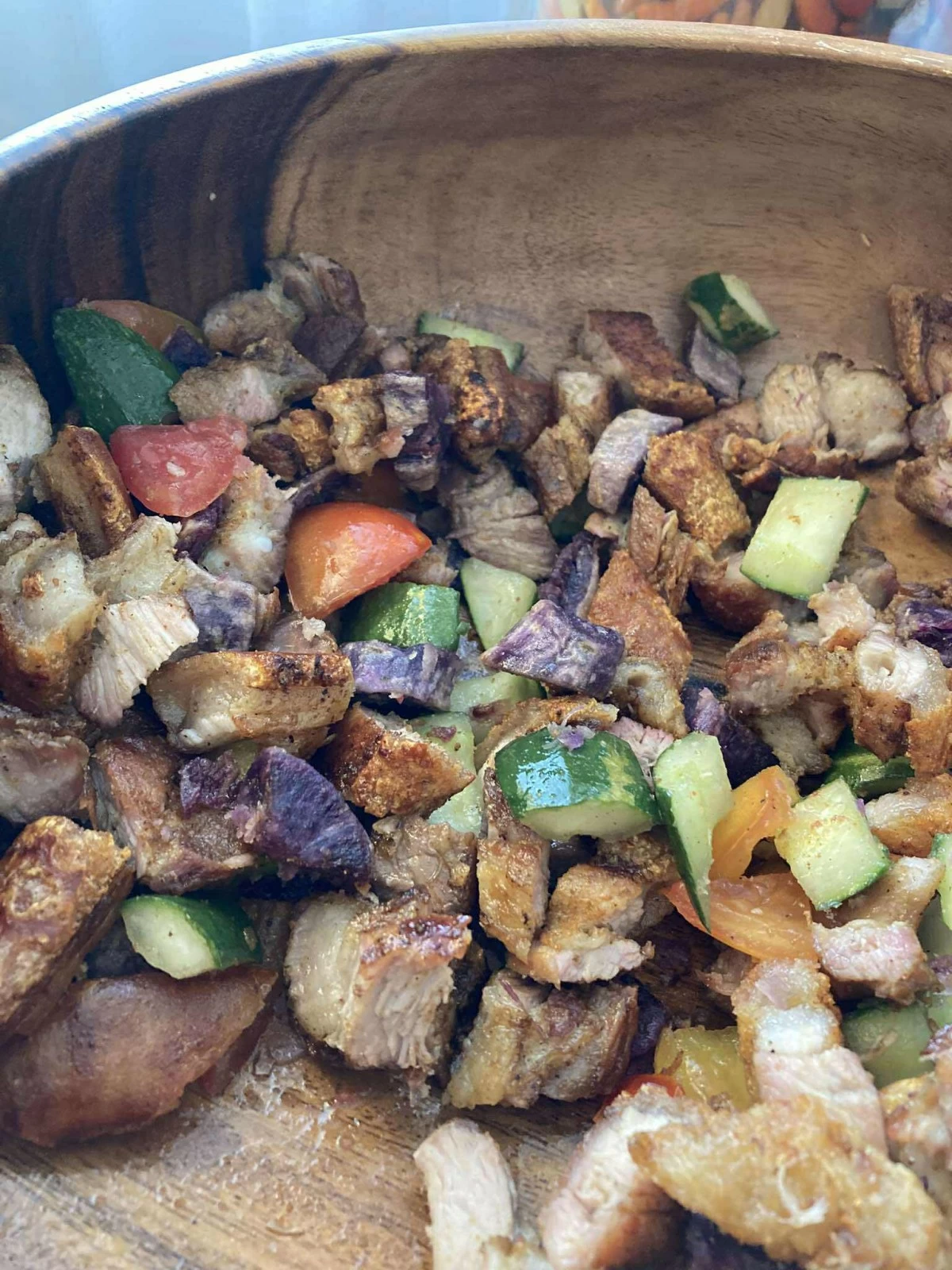
LOCAL EATS Pork Binuog
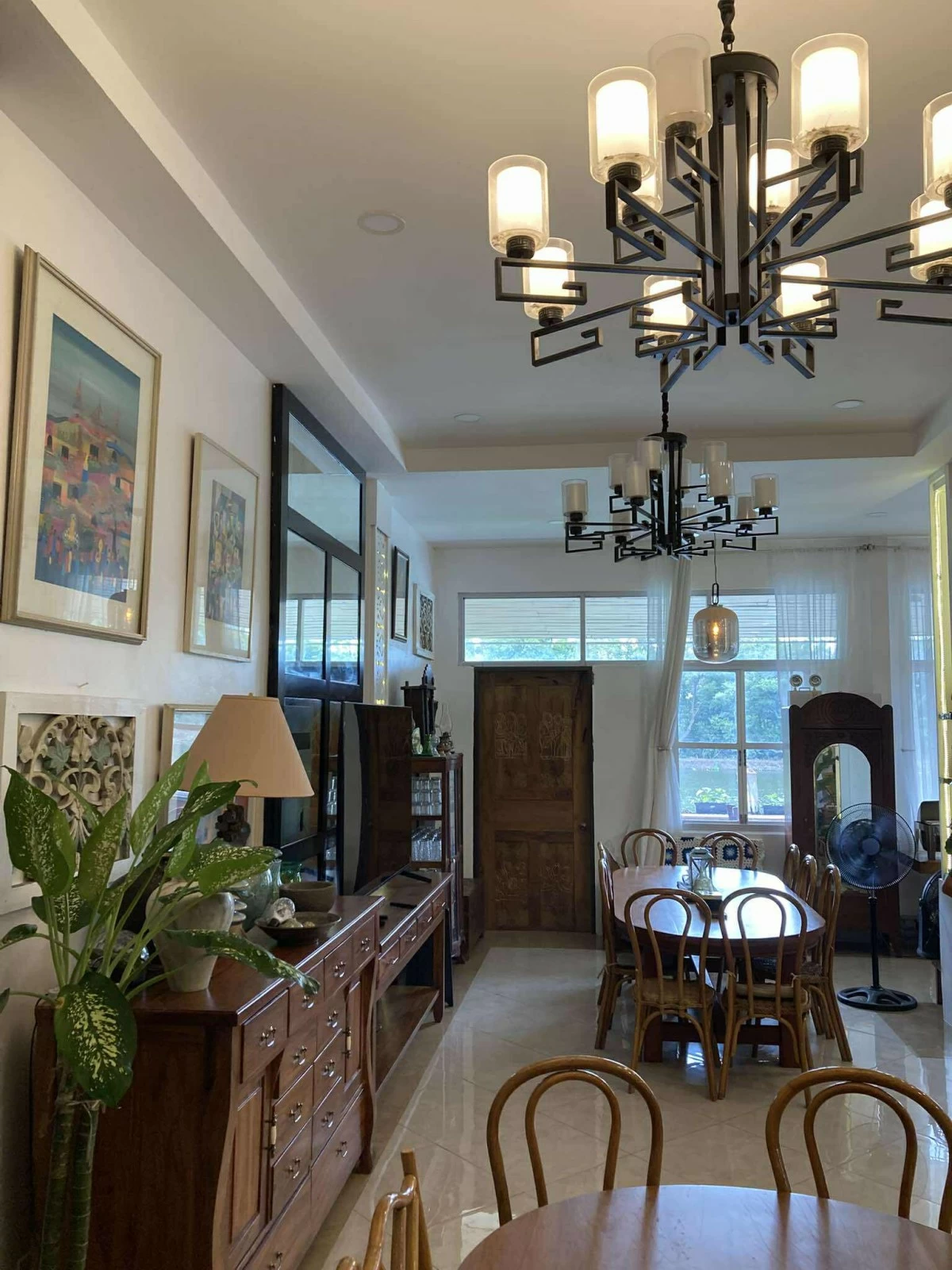
FEELS LIKE HOME Interior of the Camiña Balay nga Bato dining area
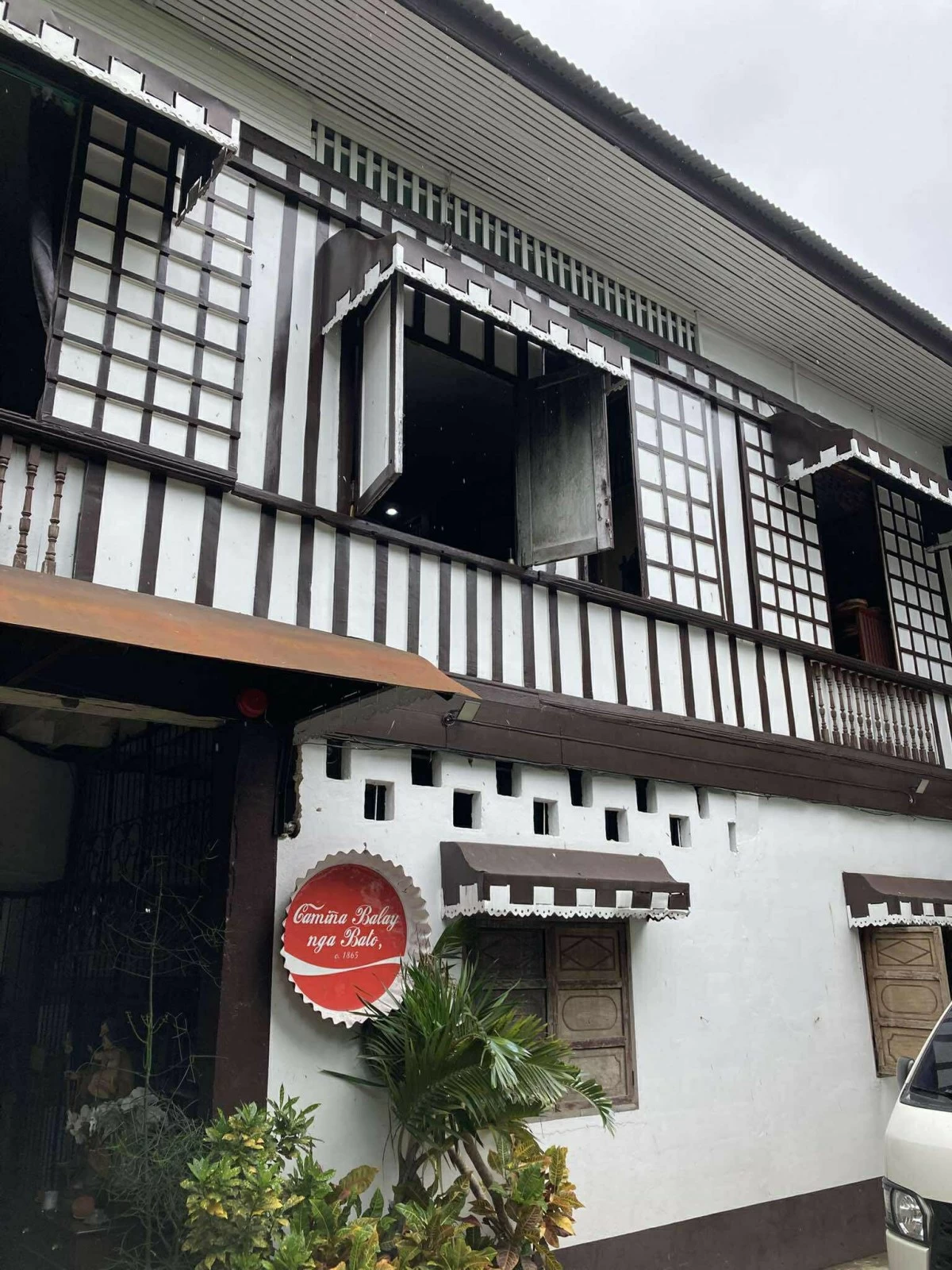
HOME SWEET HOME Camiña Balay nga Bato was built in 1865.
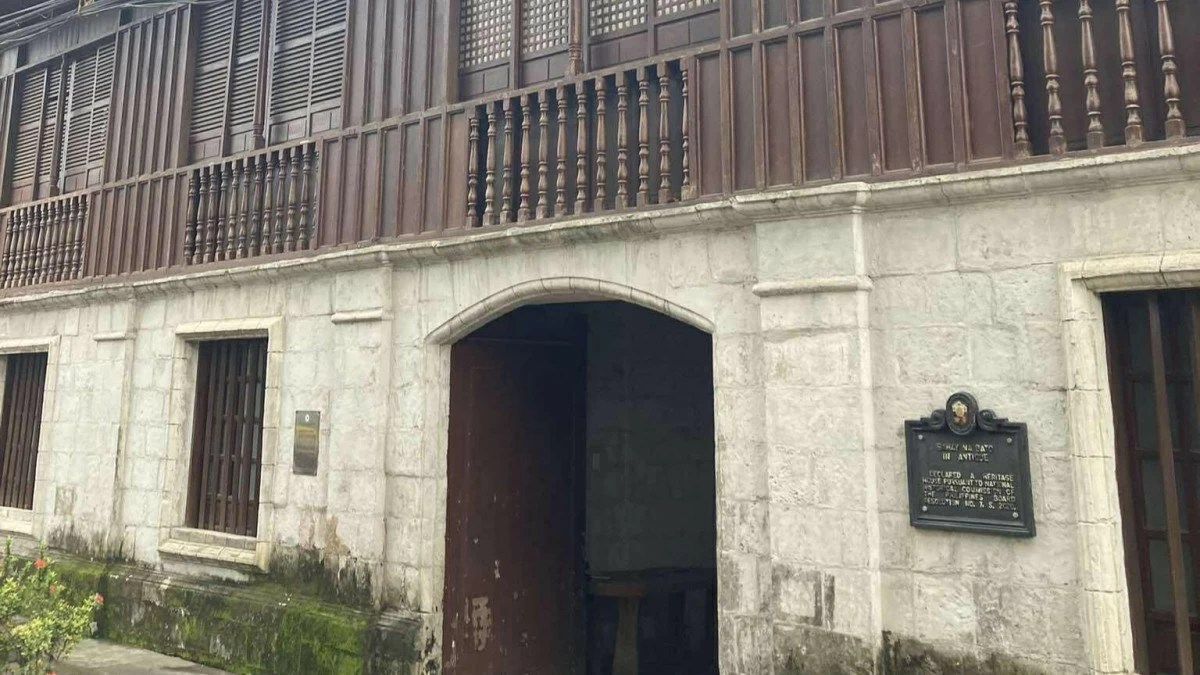
While a regular visit to Antique could be done through a direct flight, we took the longer route by arriving in Iloilo and going on a road trip to maximize our sightseeing. It’s a four- to five-hour drive, but there’s an endless charm in peering out a vehicle’s window and seeing vast fields, carabaos bathing in muddy waters, and an abundance of trees covering mountains in the distance. Our first stop was Camiña Balay nga Bato, a 160-year-old heritage house where we had our lunch. We had our fill of batchoy and other local dishes, with the signature Pork Binuog entree being a fan favorite. Before leaving, we helped ourselves to a cup of their tablea chocolate to warm us up for the rest of the drive.
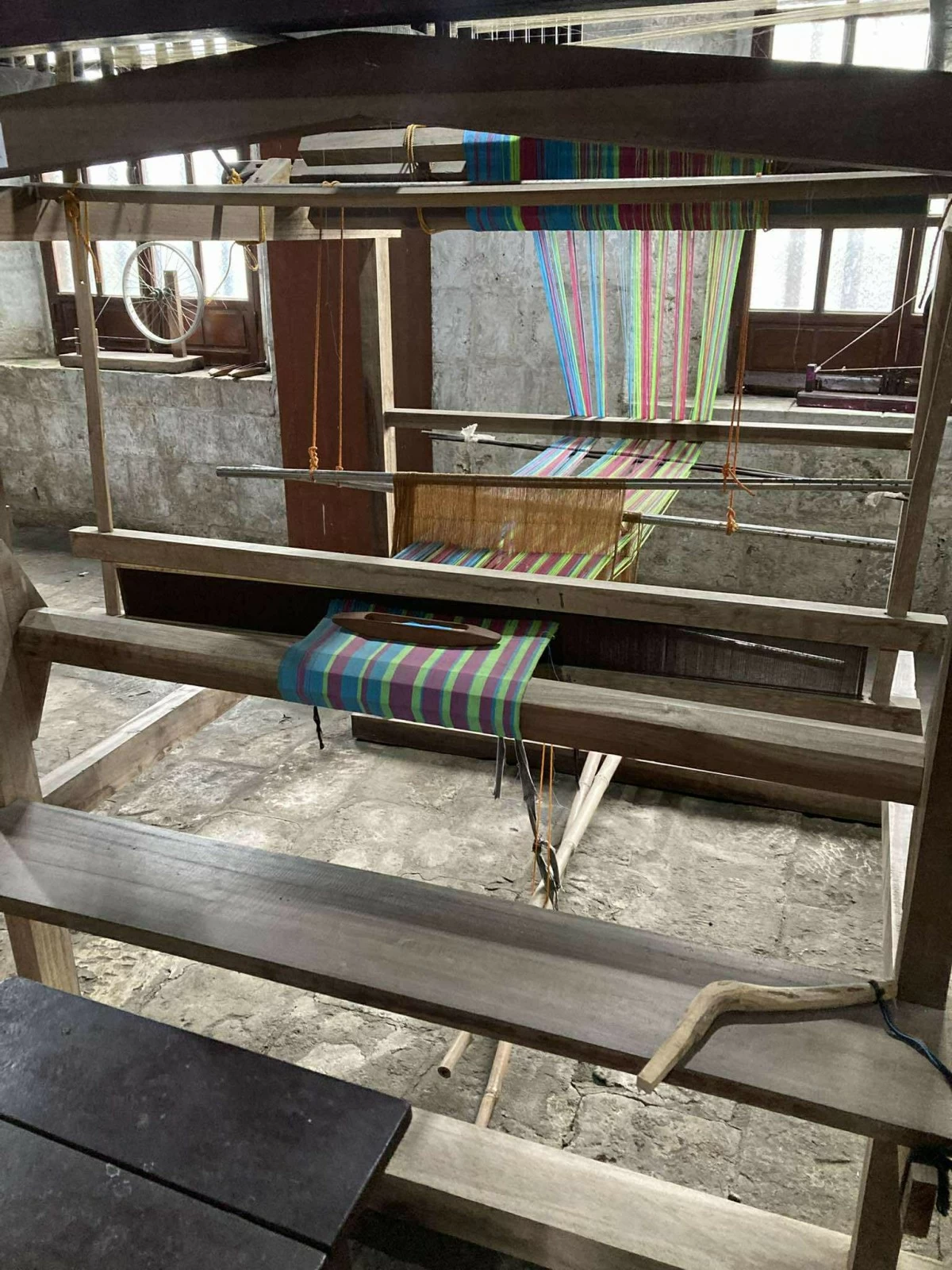
BLAST FROM THE PAST A traditional weaving device on display at the Bahay na Bato in Antique.
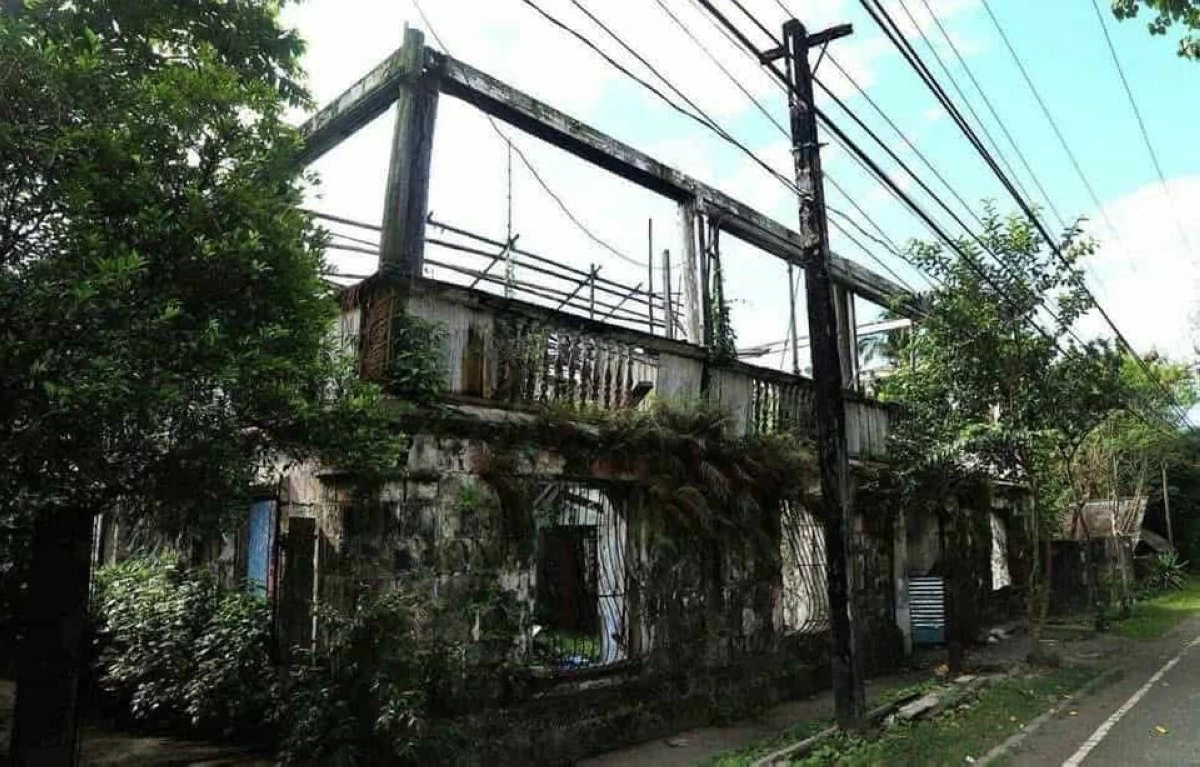
BEFORE AND AFTER This bahay na bato in Antique underwent a restoration process to bring it back to its original glory.
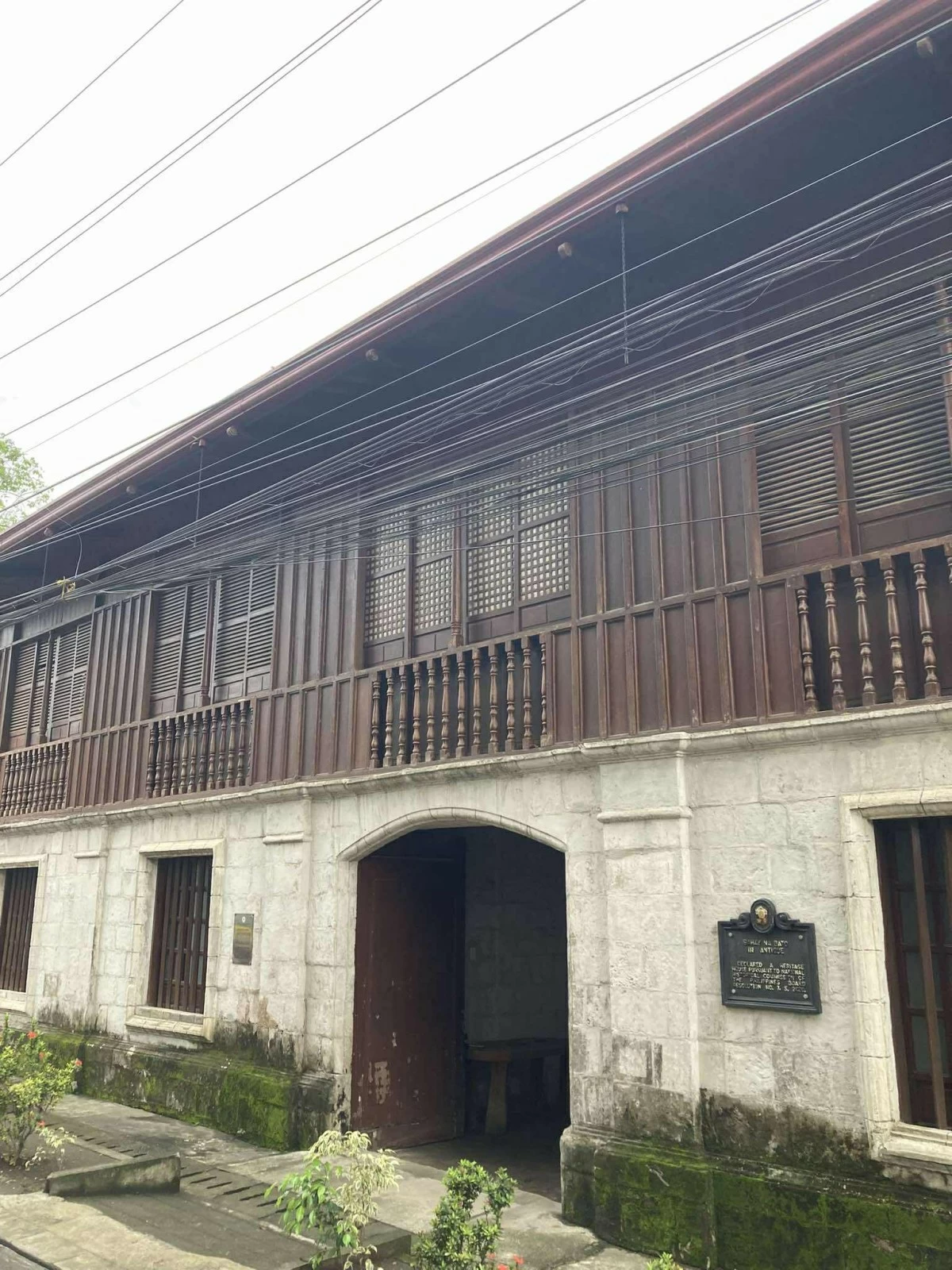
BEFORE AND AFTER This bahay na bato in Antique underwent a restoration process to bring it back to its original glory.
As we arrived in Antique, our first stop was the restored bahay na bato known as the Casa Gella-Agurin. It is estimated to have been built 200 years ago and was originally owned by a Spanish family before being turned over to Dr. Raymundo Azurin. In World War II, the house was used as a Japanese garrison and, in later years, was used as a medical facility to treat wounded Filipino soldiers and civilians. There are various artworks and two traditional weaving machines inside for guests to admire. After touring the house, you can also swing by next door to Antojitos Cafe for a refreshing drink and some snacks.
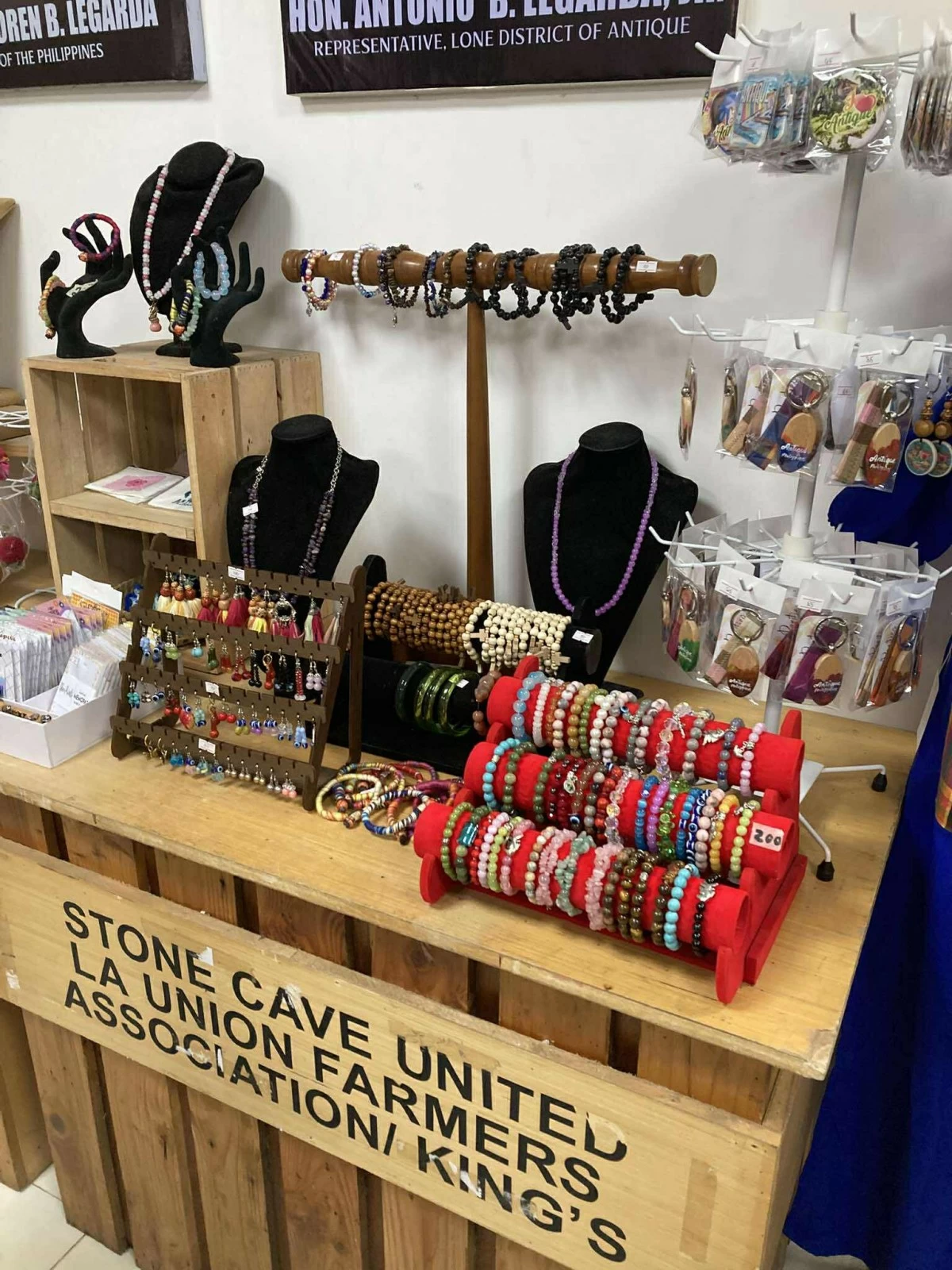
SUPPORT LOCAL Various artisan crafts made by locals being sold at Tindahang Lokal.
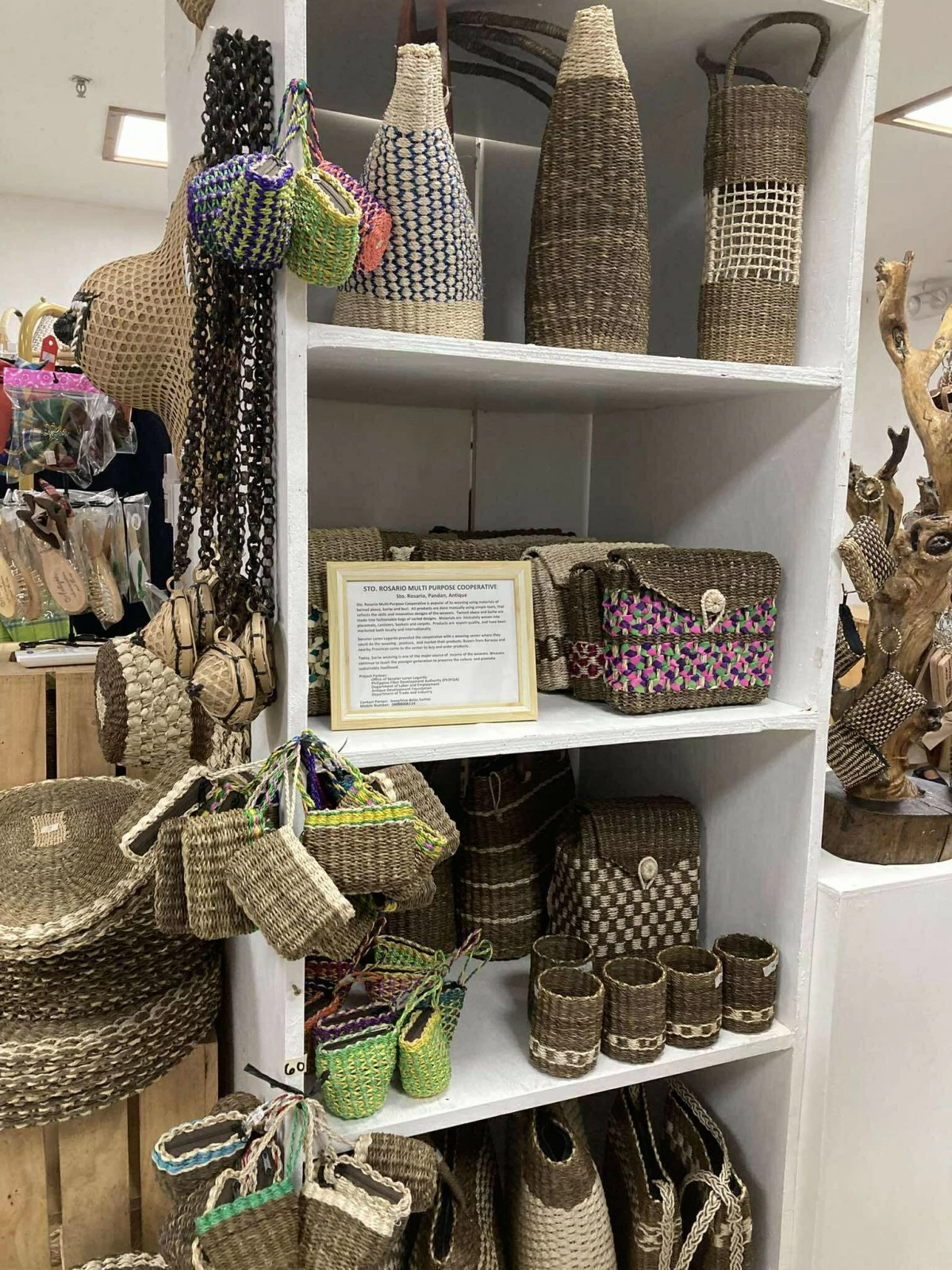
SUPPORT LOCAL Various artisan crafts made by locals being sold at Tindahang Lokal.
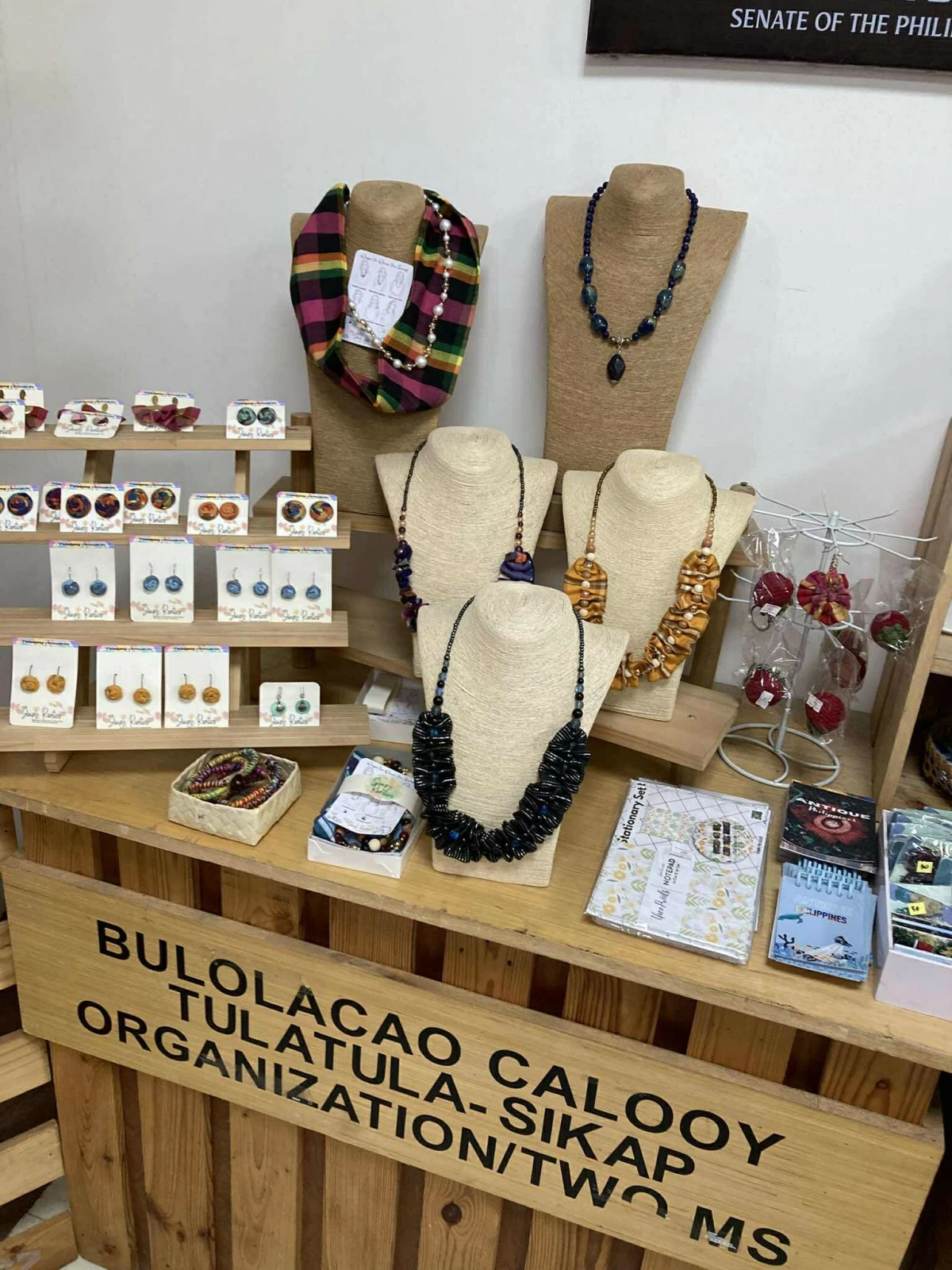
SUPPORT LOCAL Various artisan crafts made by locals being sold at Tindahang Lokal.
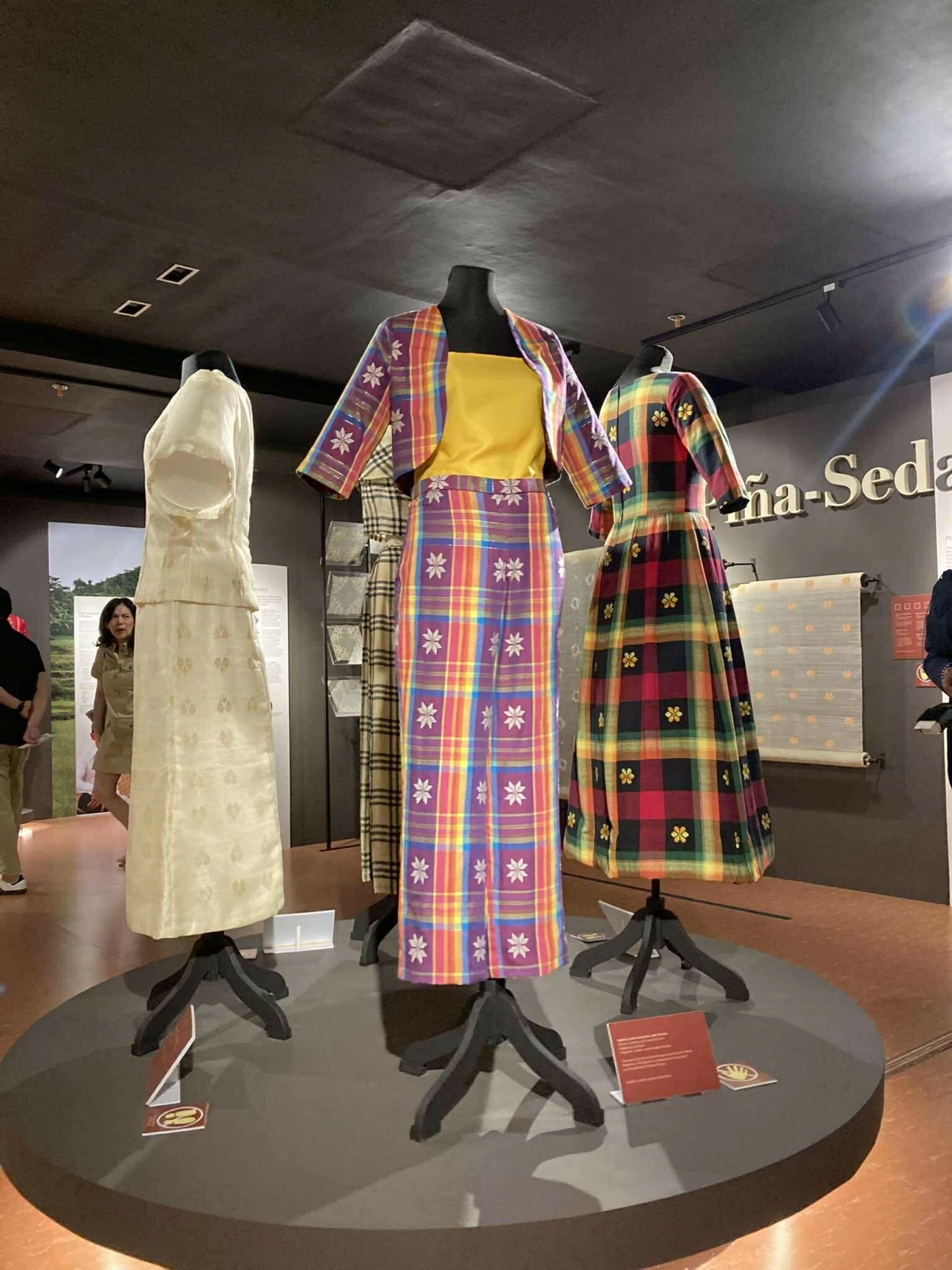
DRESS TO IMPRESS Outfits made using local fabrics on display at the National Museum of the Philippines San Jose de Buenavista.
Another worthwhile stop was the restored Old Capitol Building in San Jose de Buenavista. Here you’ll find the National Museum of the Philippines San Jose de Buenavista branch, which showcases various local textiles. By the entrance, you’ll also find the Tindahang Lokal, where anyone can buy indigenous crafts and goods. There is also a library on the second floor for those who wish to research or read for leisure.
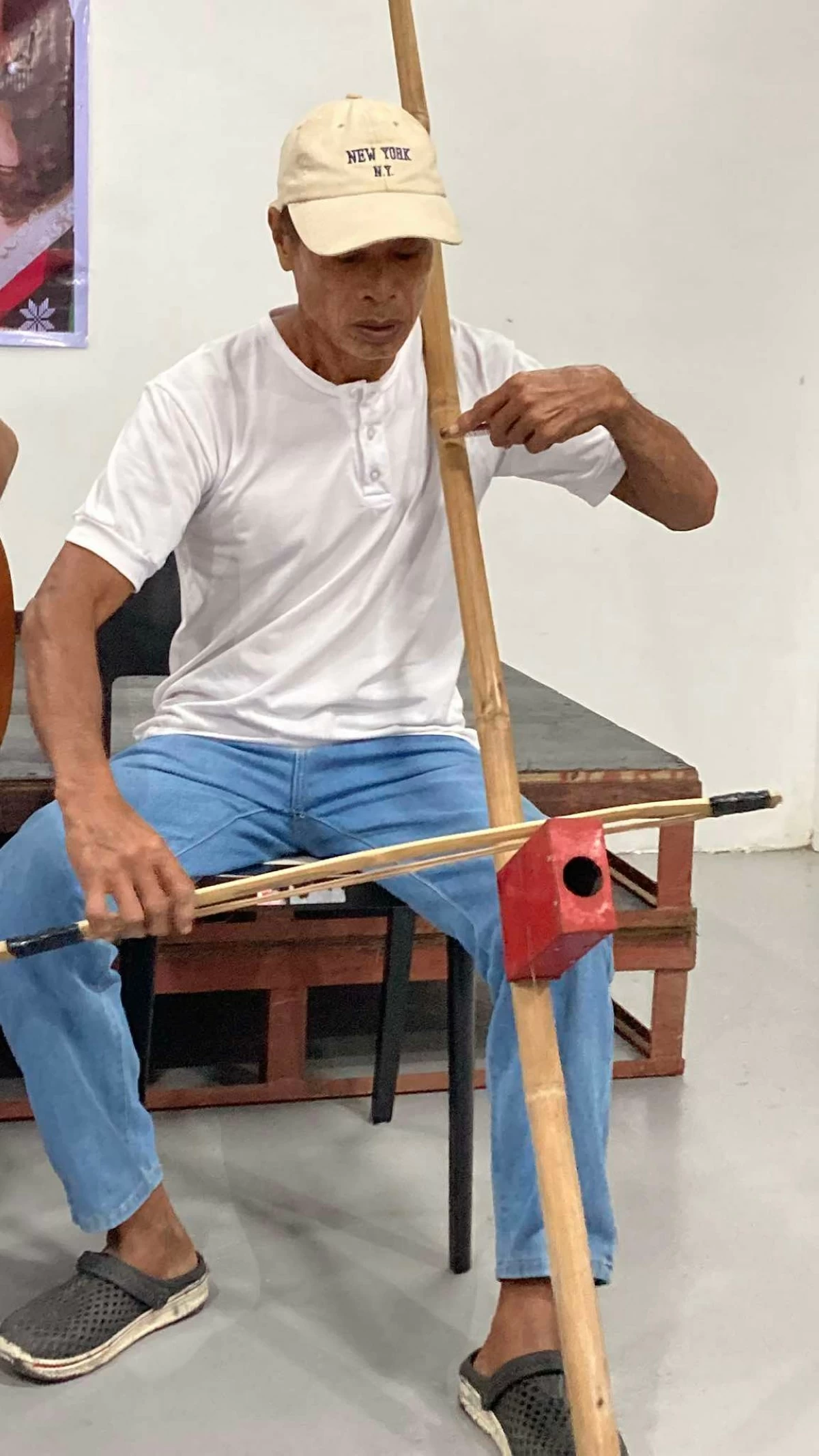
PLAY US A TUNE Liberato Ibon plays a tune on the instrument his father created.
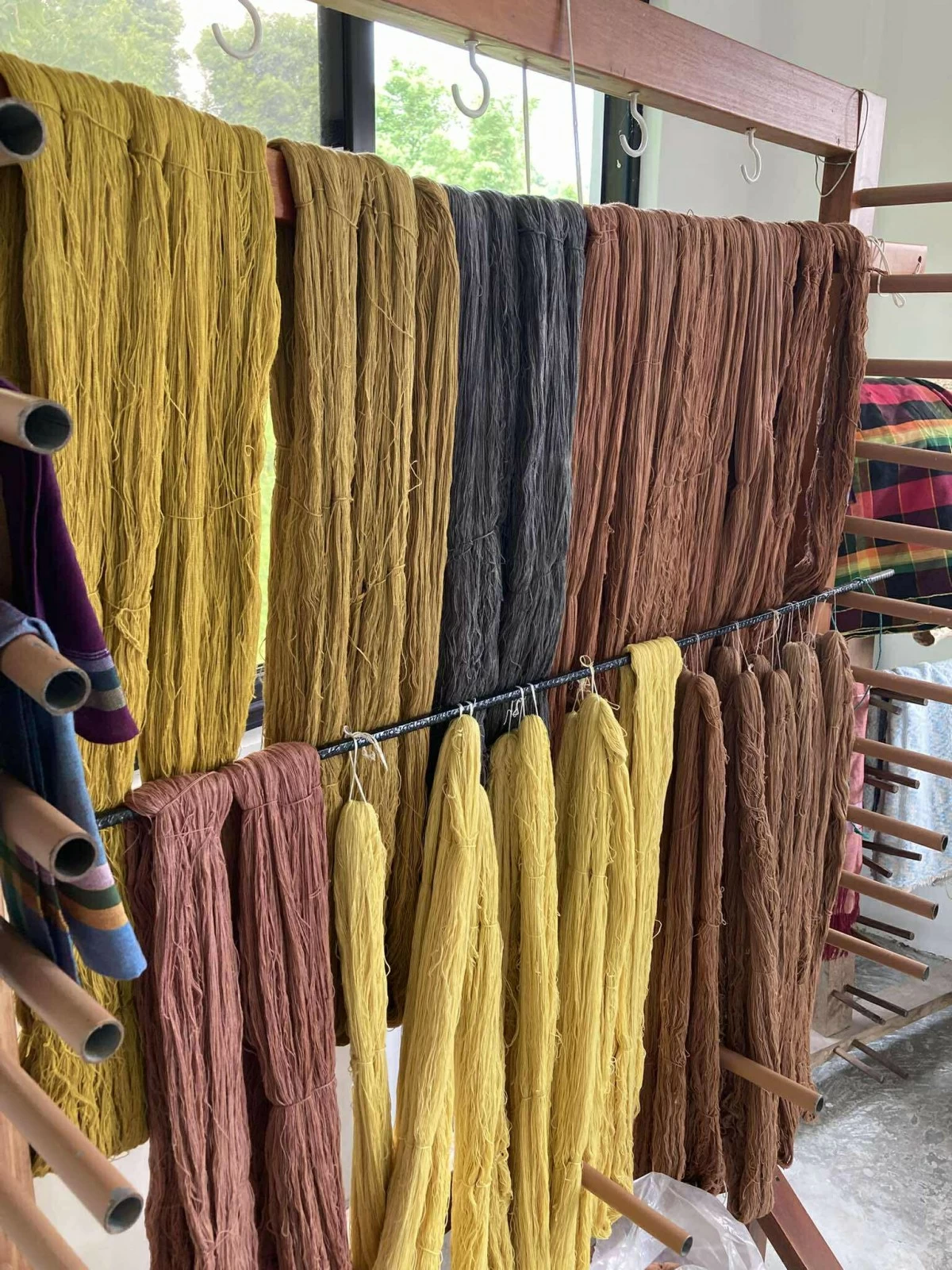
VIVID COLORS These fabrics were dyed using natural materials.
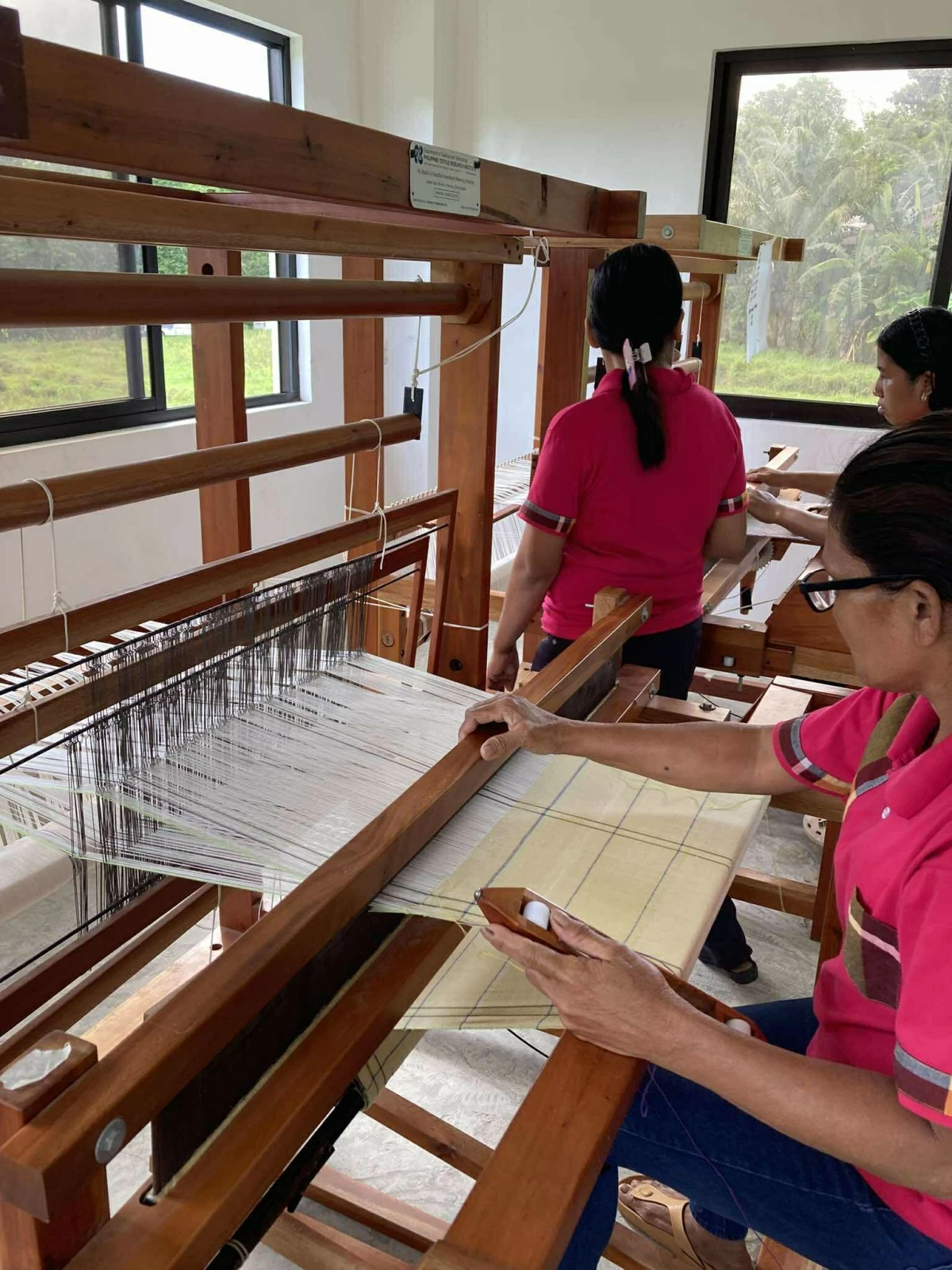
ARTISANS AT WORK Weavers demonstrate how to use the traditional weaving devices.
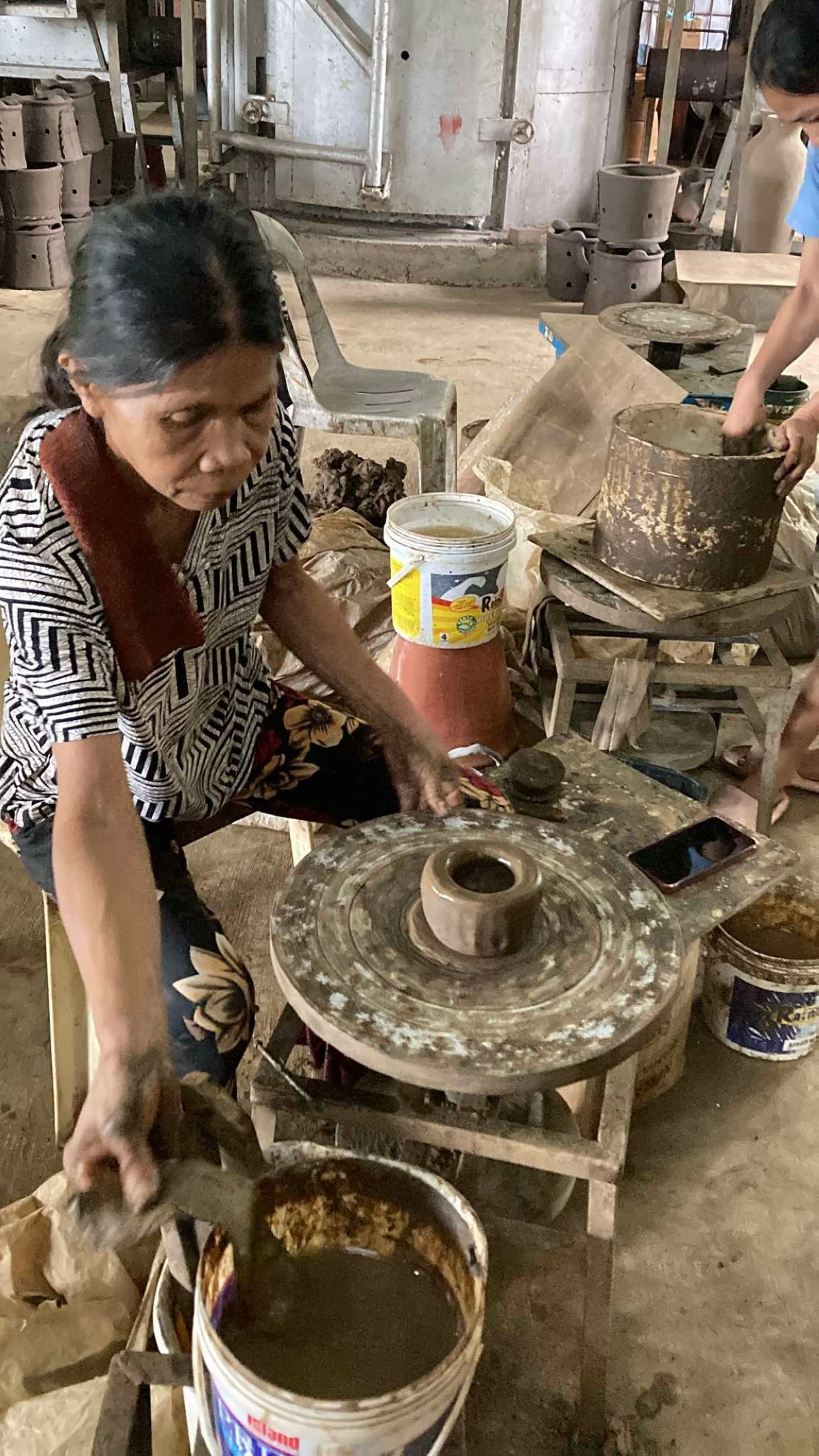
MOLDED INTO LIFE A potter shows their handiwork when it comes to making the pot.
The next day, we went to check out various artisan communities. In Barangay Bari, Sibalom, we met with local potters who demonstrated the delicate process that goes into making pottery. These artists learned their crafts from previous generations, with some tools even being passed down from their ancestors. Works of students from the nearby school are also on display. Afterwards, we made our way to a cotton processing center and the Parangabuhian weaving and dyeing center to see different types of fabrics made by locals. We also visited a natural dye hub branch put up by the Department of Science and Technology’s Philippine Textile Research Institute, where we learned how natural resources are used to create colorful fabrics. A little bit later in the day, we visited another Tindahang Lokal branch and were greeted by a performance from local musicians. One of the performers, Liberato Ibon, serenaded us with an unusual instrument referred to as “ngotngot.” He claims his father created the stringed instrument, and he learned to play by watching him.
Once it was time to fly back, there was a lingering thought of wanting to return to Antique once more to see more of what it has to offer. Even in just a short weekend stay, the various sights and the local culture we were exposed to were enough to leave irreplaceable memories. Certainly, it’s a testament to how Antique holds itself as a cultural gem worth seeking out.