







PH desperately needs reform
Published Sep 18, 2025 12:00 am
|
Updated Sep 17, 2025 06:22 pm


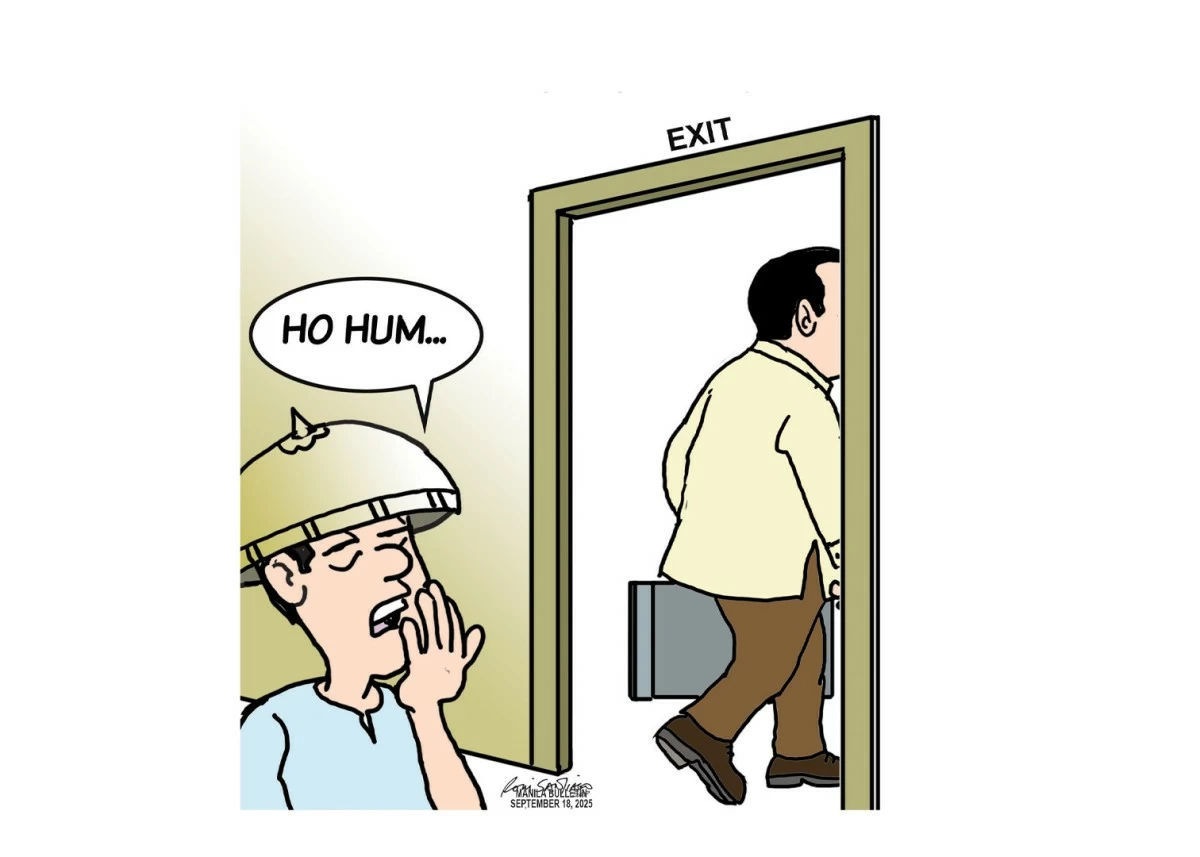
In a move that sent shockwaves through the Philippine political landscape, House Speaker Martin Romualdez announced his resignation amid intensifying scrutiny over the controversial flood control projects and rising public unrest. The gesture was swift, symbolic, and—at least on the surface—signaled accountability. But is this a turning point, or merely to release political pressure?
For weeks, the country has been battered not just by rain and rising waters, but by a flood of public anger. Billions have reportedly been funneled into infrastructure meant to protect lives and livelihoods, yet entire barangays remain underwater, their residents clinging to rooftops, both literally and metaphorically. The disconnect between budget allocations and real-world outcomes has never been more stark—or more painful to say the least.
Romualdez’s resignation, while dramatic, feels less like a full admission of command responsibility and more like a strategic retreat. It appeases some calls for accountability, yes. But the deeper question remains: Will this act quell the storm of public frustration, or will it fuel further demands for transparency and systemic reform?
If the resignation is meant to pacify an enraged citizenry, it may offer only temporary relief. Filipinos have seen this playbook before—when the political pressure mounts, a figurehead takes the fall. But the machinery that enables inefficiency, patronage, and misgovernance often remains untouched.
What’s at stake here is not just the fate of one political figure, but the credibility of institutions. We should not view the flood control controversy as mere engineering failures or misallocated budgets. It’s a mirror reflecting decades of bureaucratic abuses, lack of long-term planning, and a culture of impunity. If a speaker can resign, but no one is prosecuted, no audits are completed, and no reforms are enacted, then little has truly changed.
Romualdez’s departure, while significant, must not distract us from the broader and more pressing need—a system overhaul. The Philippines does not merely need new personalities in power; it needs new principles guiding public service. Integrity must no longer be optional. Competence must be demanded, not just during crises, but every day.
Let’s not view the people’s anger, not just about flooded streets or broken promises. This is about the long-standing erosion of trust. Every failed project, every unfulfilled plan, chips away at the social contract between government and the governed. And while resignations can be viewed as part of a cleansing process, they do not rebuild that trust alone.
The nation now stands at a crossroads. Romualdez’s resignation could become a turning point, but only if it leads to genuine accountability and reform. That means independent investigations into the flood control spending. It means restructuring oversight mechanisms. It means nurturing a political culture where public service is not a means to enrich oneself, but a calling to serve others.
But more importantly, it means investing in character—not just infrastructure. We need leaders who are transparent not because they are watched, but because they are principled. We need a bureaucracy that serves with competence and compassion, not compliance and cowardice.
Systemic change is slow, often painful, and always resisted by those who benefit from the status quo. But without it, no resignation can heal the damage already done.
Resignations are easy. Reform is hard.