

ADVERTISEMENT

How to safely charge your electrified vehicle amid unpredictable weather

ACMobility offers EV charging tips

Published Sep 20, 2025 08:36 am  |  Updated Sep 20, 2025 02:20 pm

At A Glance

  • Read your EV's manual to safely charge electric vehicles during extreme heat, heavy rain, and potential flooding in the Philippines.
  • Use the Evro app along with ACMobility's charging network and Greenstrum's maintenance efforts to access reliable and compatible charging infrastructure.
  • Check vehicle condition, choose the correct chargers, and follow safety measures to protect both the driver and the battery.
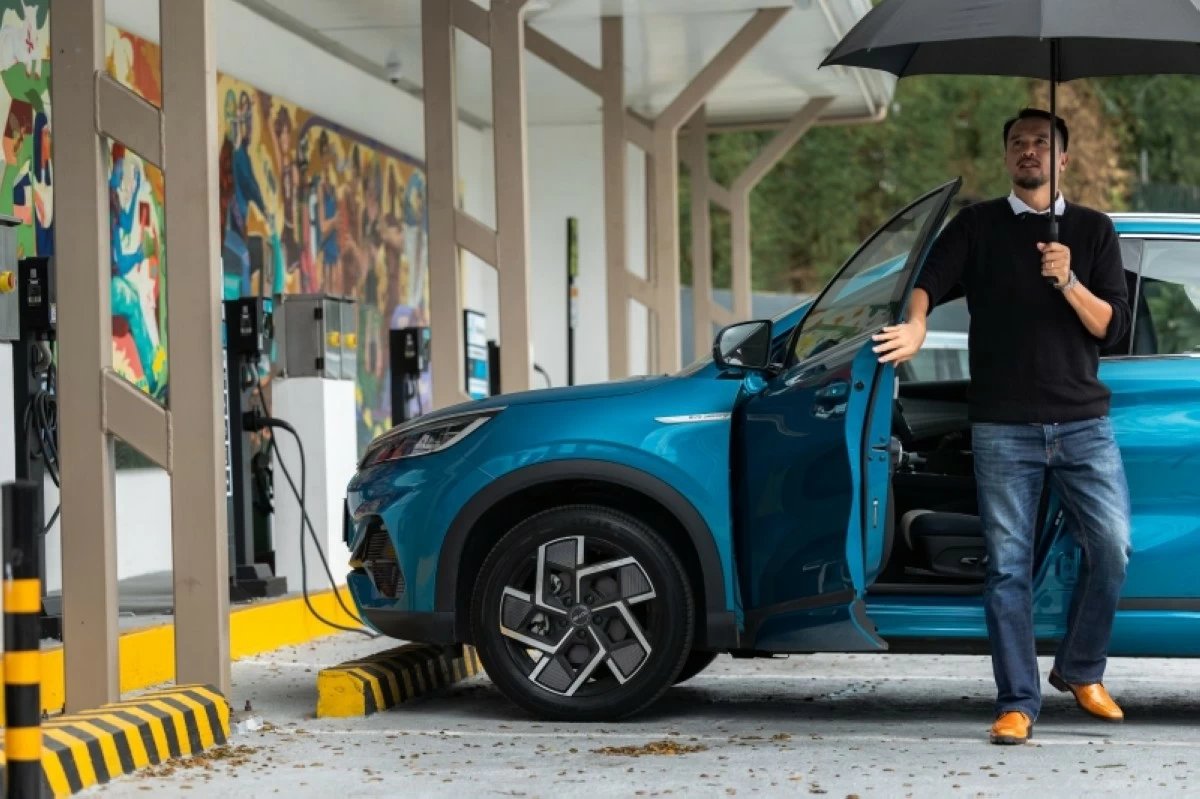
As electric vehicle adoption grows in the Philippines, concerns about charging safety during unpredictable weather remain at the forefront for many owners. With weeks shifting between high temperatures and prolonged rainfall, it is imperative that EV drivers seek reliable information on how to keep their EVs powered up safely in any weather condition.
ACMobility, which operates one of the country’s largest EV charging networks, has outlined practical tips and safety measures to help EV owners charge their vehicles confidently during extreme heat or heavy rain. The company’s goal is to equip drivers with clear, actionable steps that minimize risk while maintaining vehicle performance.
1. Use the app to find available stations
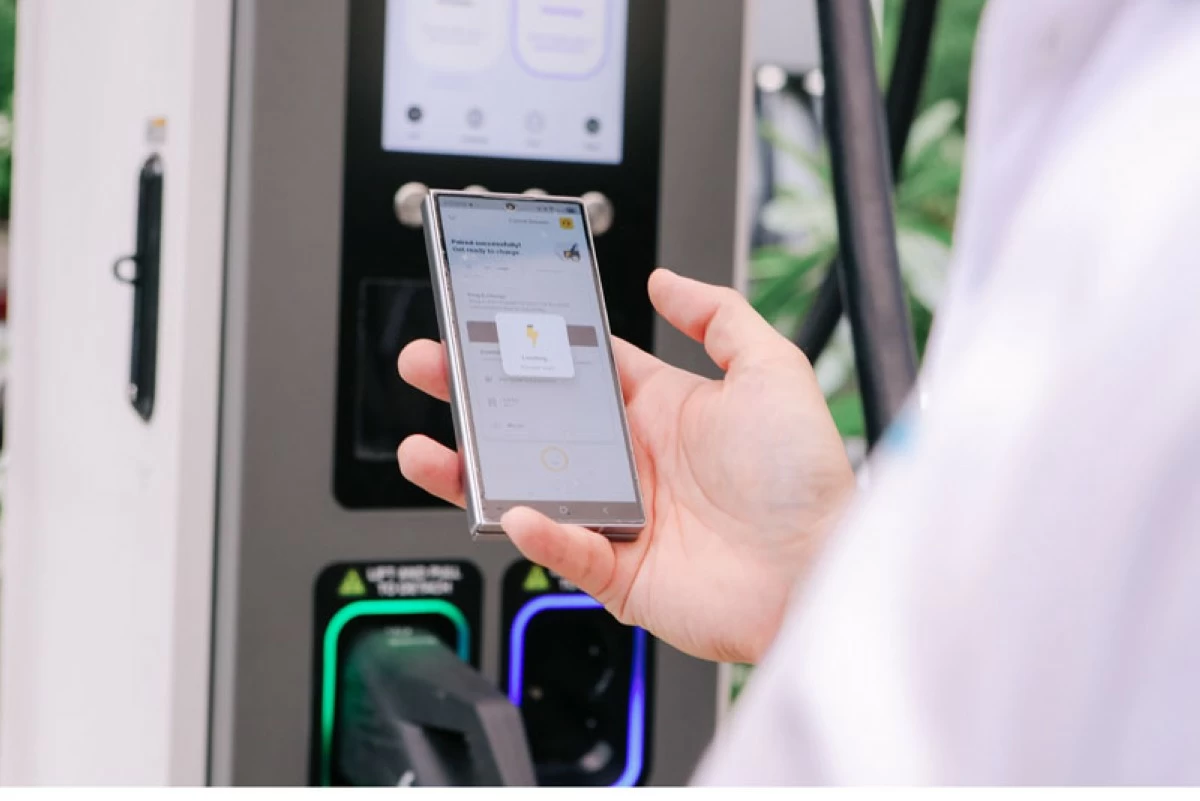
Before setting out, EV owners are encouraged to check the availability of charging stations. The EVRO app, which currently lists more than 240 Department of Energy-registered public charging stations nationwide, allows users to find nearby stations, view their operational status in real time, and manage payment transactions within a single platform. This is particularly important during weather disruptions, when access to reliable information helps drivers plan their trips more effectively.
2. Check your car
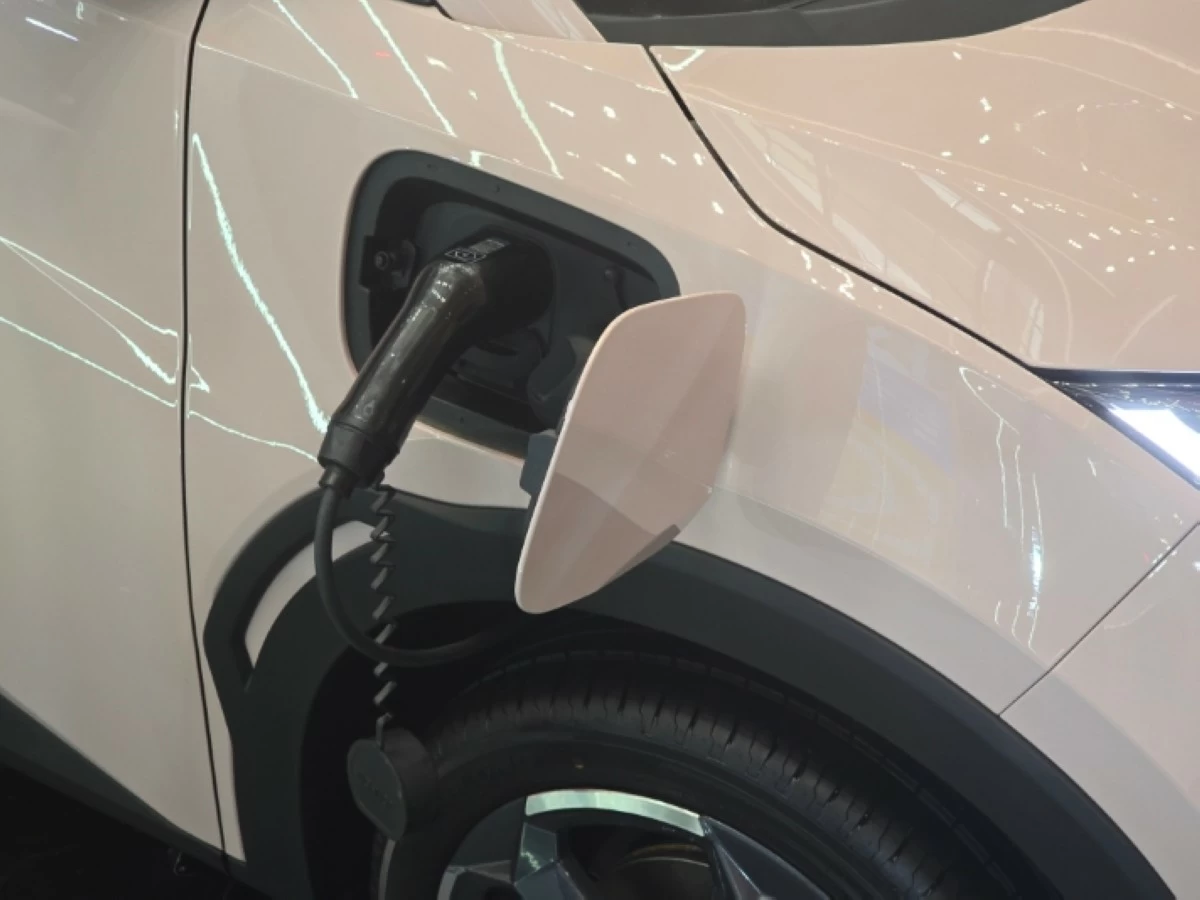
Drivers are also advised to review their vehicle manuals and follow manufacturer guidelines on charging procedures, equipment compatibility, and emergency features. This step becomes critical after a vehicle has been exposed to floodwaters, as owners should check for signs of water intrusion in the charging port, undercarriage, or cabin, and watch for battery warning lights before plugging in. In extreme heat, letting the vehicle cool down before charging can help preserve battery health.
3. Use the correct charger
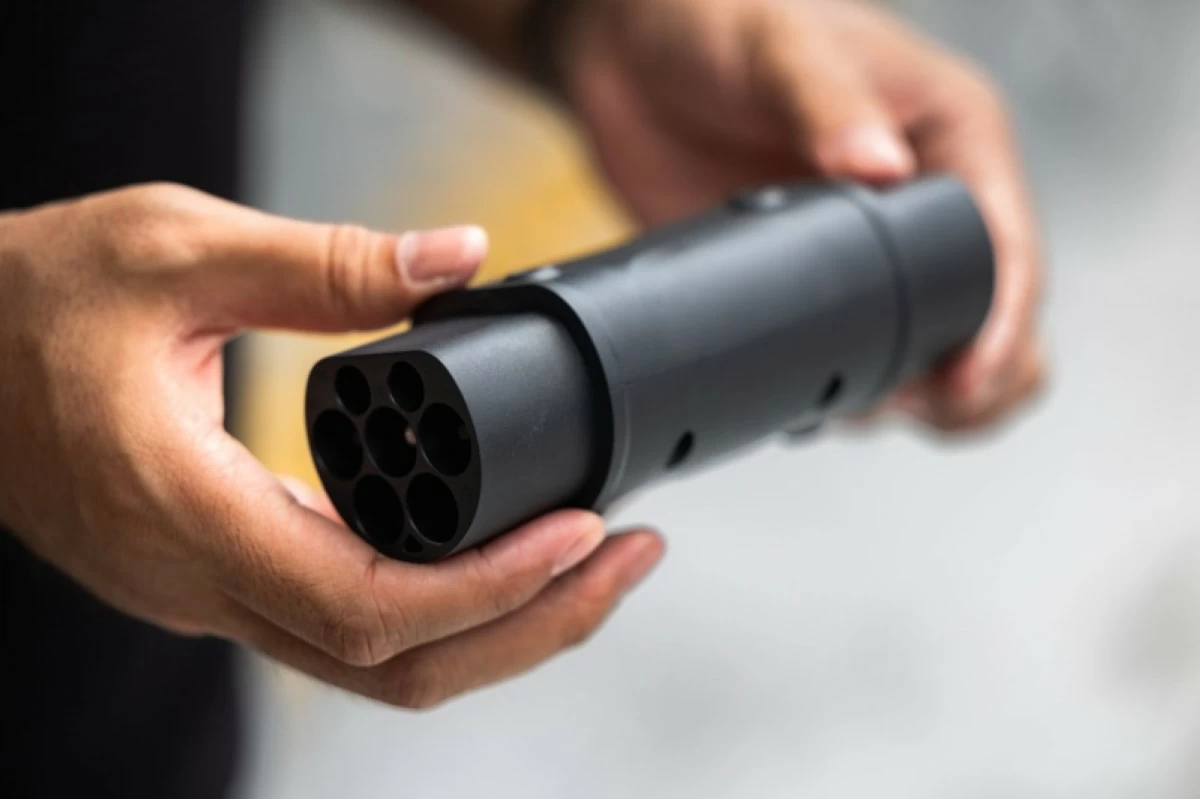
Another key safety measure is to use the correct charger for the vehicle. ACMobility’s network includes both AC and DC chargers. AC units provide up to 22 kW of power, while DC units offer options from 60 kW to 480 kW, with the fastest chargers capable of bringing an EV from 20 percent to 80 percent in as little as 20 minutes. Each type of charger uses a specific connector, with AC chargers supporting Mennekes (Type 2) and GB/T connectors, and DC chargers supporting CCS2 connectors. The Evro app can help users identify compatible charging stations and connectors based on their registered vehicles.
4. Check the charging station
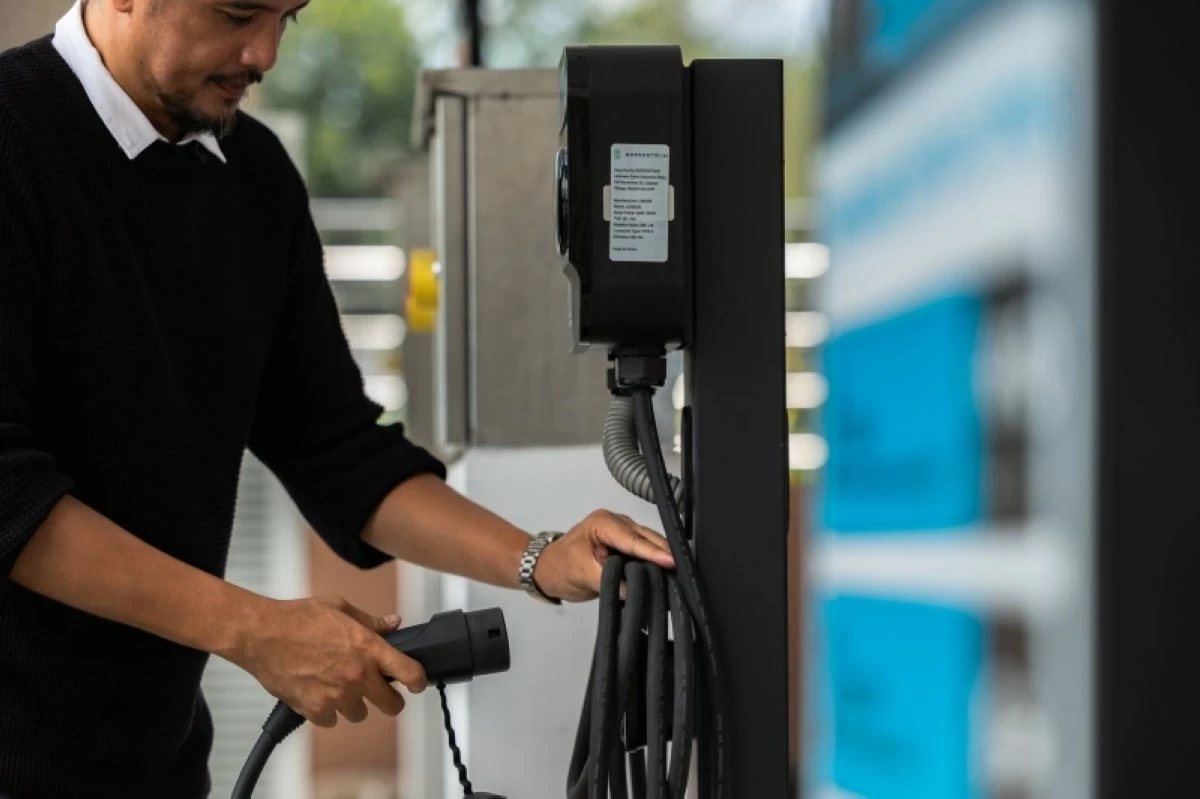
Safety also extends to how and where a vehicle is parked during charging. Even though ACMobility’s stations are built with proper grounding and level surfaces, inclement weather conditions could wreak havoc on the physical environment surrounding the chargers, and drivers should inspect the area for visible damage or hazards. This minimizes the chance of accidents or wear on the equipment.
If anything appears unusual during charging, such as sparks, system errors or unusual sounds, the safest response is to immediately step back, end the session using the Evro app if possible, and promptly contact the station’s support team or emergency services. Power sources should be switched off before taking any further action.
Safety first
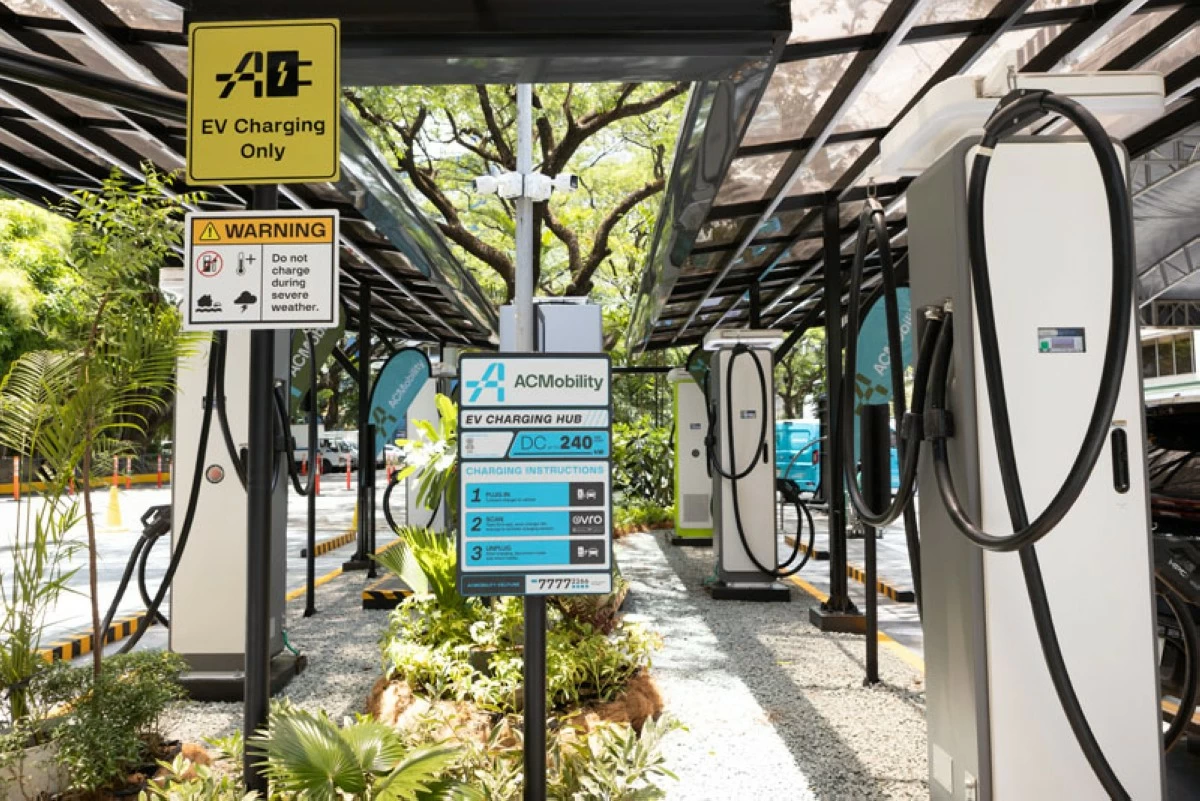
Behind these services is ACMobility’s subsidiary Greenstrum, which manages installation, maintenance, and compliance with Department of Energy, Department of Trade and Industry, and international standards. Charging stations typically undergo inspection and maintenance at least twice a year, with additional checks as needed to ensure safety and reliability.
ACMobility notes that while its charging stations are built for all-weather performance, EV owners should still exercise caution during extreme conditions to ensure safety and maintain a smooth charging experience.
As the country moves toward wider electric vehicle adoption, initiatives like these aim to build confidence among drivers and make charging a routine part of everyday life, regardless of the weather.

Related Tags

battery electric vehicle (BEV) Plug-in Hybrid Electric Vehicle (PHEV)
ADVERTISEMENT
.most-popular .layout-ratio{ padding-bottom: 79.13%; } @media (min-width: 768px) and (max-width: 1024px) { .widget-title { font-size: 15px !important; } }

{{ articles_filter_1561_widget.title }}

.most-popular .layout-ratio{ padding-bottom: 79.13%; } @media (min-width: 768px) and (max-width: 1024px) { .widget-title { font-size: 15px !important; } }

{{ articles_filter_1562_widget.title }}

.most-popular .layout-ratio{ padding-bottom: 79.13%; } @media (min-width: 768px) and (max-width: 1024px) { .widget-title { font-size: 15px !important; } }

{{ articles_filter_1563_widget.title }}

{{ articles_filter_1564_widget.title }}

.mb-article-details { position: relative; } .mb-article-details .article-body-preview, .mb-article-details .article-body-summary{ font-size: 17px; line-height: 30px; font-family: "Libre Caslon Text", serif; color: #000; } .mb-article-details .article-body-preview iframe , .mb-article-details .article-body-summary iframe{ width: 100%; margin: auto; } .read-more-background { background: linear-gradient(180deg, color(display-p3 1.000 1.000 1.000 / 0) 13.75%, color(display-p3 1.000 1.000 1.000 / 0.8) 30.79%, color(display-p3 1.000 1.000 1.000) 72.5%); position: absolute; height: 200px; width: 100%; bottom: 0; display: flex; justify-content: center; align-items: center; padding: 0; } .read-more-background a{ color: #000; } .read-more-btn { padding: 17px 45px; font-family: Inter; font-weight: 700; font-size: 18px; line-height: 16px; text-align: center; vertical-align: middle; border: 1px solid black; background-color: white; } .hidden { display: none; }
function initializeAllSwipers() { // Get all hidden inputs with cms_article_id document.querySelectorAll('[id^="cms_article_id_"]').forEach(function (input) { const cmsArticleId = input.value; const articleSelector = '#article-' + cmsArticleId + ' .body_images'; const swiperElement = document.querySelector(articleSelector); if (swiperElement && !swiperElement.classList.contains('swiper-initialized')) { new Swiper(articleSelector, { loop: true, pagination: false, navigation: { nextEl: '#article-' + cmsArticleId + ' .swiper-button-next', prevEl: '#article-' + cmsArticleId + ' .swiper-button-prev', }, }); } }); } setTimeout(initializeAllSwipers, 3000); const intersectionObserver = new IntersectionObserver( (entries) => { entries.forEach((entry) => { if (entry.isIntersecting) { const newUrl = entry.target.getAttribute("data-url"); if (newUrl) { history.pushState(null, null, newUrl); let article = entry.target; // Extract metadata const author = article.querySelector('.author-section').textContent.replace('By', '').trim(); const section = article.querySelector('.section-info ').textContent.replace(' ', ' '); const title = article.querySelector('.article-title h1').textContent; // Parse URL for Chartbeat path format const parsedUrl = new URL(newUrl, window.location.origin); const cleanUrl = parsedUrl.host + parsedUrl.pathname; // Update Chartbeat configuration if (typeof window._sf_async_config !== 'undefined') { window._sf_async_config.path = cleanUrl; window._sf_async_config.sections = section; window._sf_async_config.authors = author; } // Track virtual page view with Chartbeat if (typeof pSUPERFLY !== 'undefined' && typeof pSUPERFLY.virtualPage === 'function') { try { pSUPERFLY.virtualPage({ path: cleanUrl, title: title, sections: section, authors: author }); } catch (error) { console.error('ping error', error); } } // Optional: Update document title if (title && title !== document.title) { document.title = title; } } } }); }, { threshold: 0.1 } ); function showArticleBody(button) { const article = button.closest("article"); const summary = article.querySelector(".article-body-summary"); const body = article.querySelector(".article-body-preview"); const readMoreSection = article.querySelector(".read-more-background"); // Hide summary and read-more section summary.style.display = "none"; readMoreSection.style.display = "none"; // Show the full article body body.classList.remove("hidden"); } document.addEventListener("DOMContentLoaded", () => { let loadCount = 0; // Track how many times articles are loaded const offset = [1, 2, 3, 4, 5, 6, 7, 8, 9, 10]; // Offset values const currentUrl = window.location.pathname.substring(1); let isLoading = false; // Prevent multiple calls if (!currentUrl) { console.log("Current URL is invalid."); return; } const sentinel = document.getElementById("load-more-sentinel"); if (!sentinel) { console.log("Sentinel element not found."); return; } function isSentinelVisible() { const rect = sentinel.getBoundingClientRect(); return ( rect.top < window.innerHeight && rect.bottom >= 0 ); } function onScroll() { if (isLoading) return; if (isSentinelVisible()) { if (loadCount >= offset.length) { console.log("Maximum load attempts reached."); window.removeEventListener("scroll", onScroll); return; } isLoading = true; const currentOffset = offset[loadCount]; window.loadMoreItems().then(() => { let article = document.querySelector('#widget_1690 > div:nth-last-of-type(2) article'); intersectionObserver.observe(article) loadCount++; }).catch(error => { console.error("Error loading more items:", error); }).finally(() => { isLoading = false; }); } } window.addEventListener("scroll", onScroll); });

Sign up by email to receive news.