







Chicken output, imports seen higher next year
Published Sep 18, 2025 12:06 pm
|
Updated Sep 18, 2025 01:33 pm


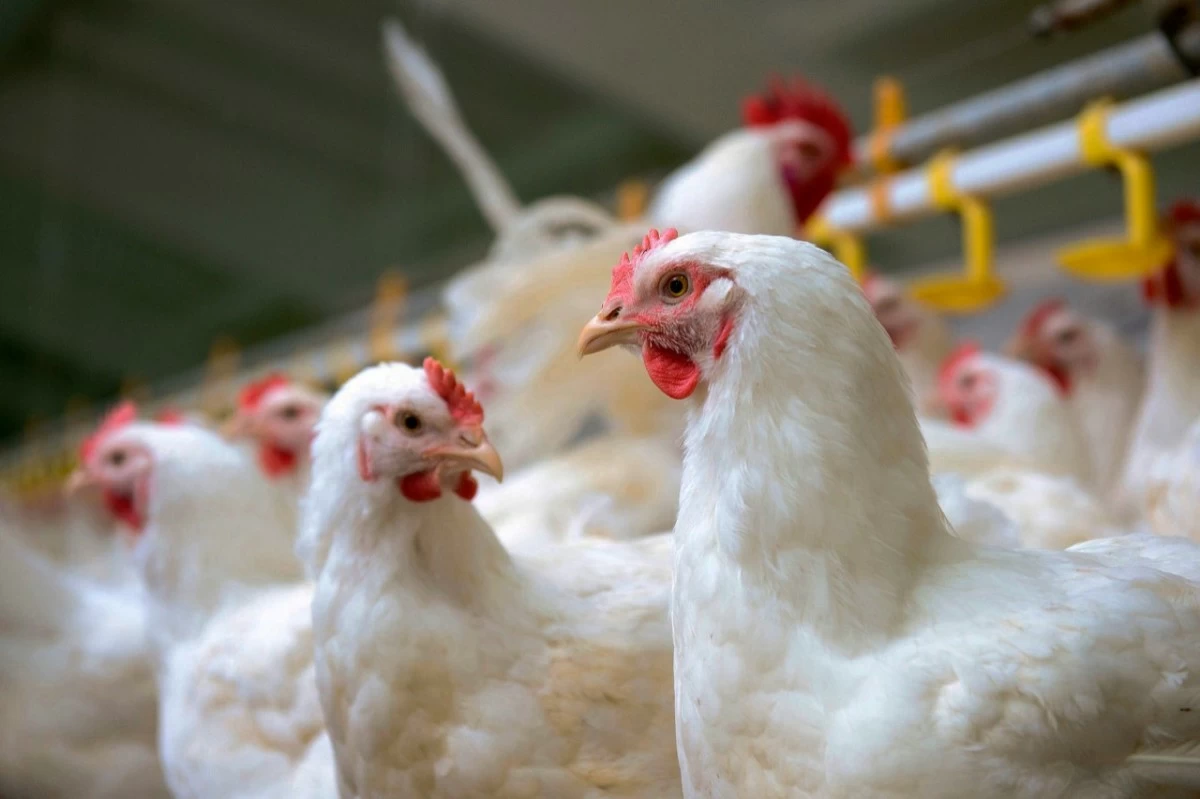
The Philippines is expected to produce and import more chicken next year amid rising demand and stronger measures against bird flu, according to the United States Department of Agriculture (USDA).
Based on a Sept. 16 report by the USDA’s Foreign Agricultural Service (FAS), domestic production of chicken will reach 1.81 million metric tons (MT) in 2026, up seven percent from this year’s estimate of 1.69 million MT.
The foreign agency said the growth will be driven by the planned commercial rollout of the country’s first vaccine against highly pathogenic avian influenza (HPAI), also known as bird flu.
Last month, the Food and Drug Administration (FDA) approved the commercial use of Volvac BEST AI + ND, developed by German pharmaceutical firm Boehringer Ingelheim.
The vaccine provides immunity against H5N1, the most aggressive subtype of the bird flu virus, which causes high mortality rates in chickens. It also provides protection against the most severe form of Newcastle disease.
The USDA noted that enhanced biosecurity measures implemented by poultry farms across the country will complement the vaccine.
The foreign agency said the continued impact of African swine fever (ASF) on pork supply further encourages chicken production, as consumers shift to lower-priced meat alternatives.
It added that the sustained growth of the food service sector, along with the overall heightened demand, incentivizes producers to boost production.
Meanwhile, the USDA is projecting chicken meat imports to grow by two percent to 560,000 MT next year from the 2025 estimate of 550,000 MT.
Alongside growing demand and competitive pricing of imported meat, the report noted that the lifting of temporary trade restrictions related to bird flu will facilitate the arrival of more chickens into the Philippines.
The Department of Agriculture (DA) has lifted trade restrictions on poultry products from countries previously affected by bird flu, including the likes of Brazil, Australia, Japan, France, and six US states.
Brazil, in particular, is expected to remain the largest supplier of chicken meat to the Philippines next year after the lifting of its import ban in July.
Data from the Bureau of Animal Industry (BAI) showed that the Philippines has imported 154.54 million MT of chicken from January to April, of which Brazil supplied nearly 60 percent of total.
The USDA said the resumption of exports from six US states will further increase import volumes, solidifying the US’ position as the second-largest supplier of chicken meat to the Philippines.
Based on the four-month BAI data, the US accounted for 43.36 million MT or 28 percent of the total imports. In comparison, chicken imports from Brazil stood at 92.23 million MT.
The USDA said the increase in the number of accredited foreign suppliers of chicken meat would further hike imports next year.
In terms of consumption, the foreign agency expects chicken meat demand next year to reach 2.38 million MT, buoyed by population and economic growth.
“Robust growth in chicken meat consumption is expected to continue, driven by lower retail prices compared to other major animal proteins, increasing consumer preference for healthier alternatives, and the wide availability of chicken products,” it said.