







Philippines champions farmers' rights in global forum
Published Sep 16, 2025 01:40 pm


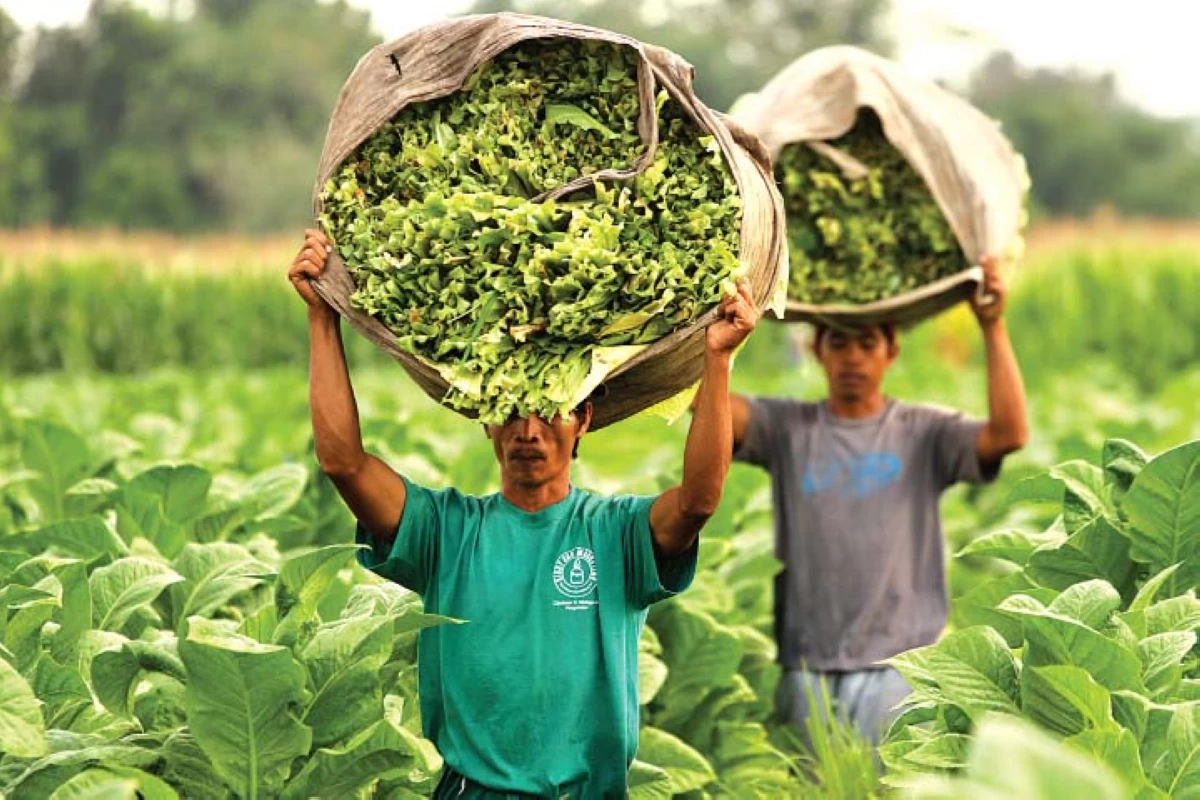
(Manila Bulletin file photo)
The Philippines is leading the charge in uplifting the livelihoods and safeguarding the rights of farmers amid challenges threatening food producers worldwide, as it hosts the Second Global Symposium on Farmers’ Rights.
Bureau of Plant Industry (BPI) Director Gerald Glenn Panganiban, whose agency serves as the country’s implementing arm for the symposium, noted that there are gaps in global policies that are delaying much-needed progress for farmers.
Pangilinan shared during the forum’s opening session on Tuesday, Sept. 16, that farmers still face limited access to diverse and high-quality seeds, often limiting their produce.
He said the protection of traditional knowledge remains uneven, putting indigenous practices at risk of being lost to time.
Likewise, he explained that legal literacy on farmers’ rights is still low in rural communities, making them vulnerable to unscrupulous individuals or policies.
“These gaps threaten not only farmers’ livelihoods but also the country’s agricultural biodiversity and food security,” said Panganiban.
Panganiban said the Global Symposium on Farmers’ Rights is a critical measure in addressing these challenges, as it seeks to provide farmers the necessary support in performing their livelihoods.
In particular, the symposium seeks to uphold Article 9 of the International Treaty on Plant Genetic Resources for Food and Agriculture (ITPGRFA), which embodies the Farmers’ Rights.
As indicated in the treaty, this covers the protection of traditional knowledge relevant to plant genetic resources for food and agriculture; the right to equitably participate in sharing benefits arising from the utilization of plant genetic resources for food and agriculture; and the right to participate in making decisions, at the national level, on matters related to the conservation and sustainable use of plant genetic resources for food and agriculture.
Panganiban, who was designated as the national focal point of the Philippines for the ITPGRFA, said bringing together international delegates, civil society organizations (CSOs), and research institutions under one roof can help strengthen these rights.
“This gives us an opportunity to share our experience in advancing farmers’ rights, as enshrined in the article, and to learn from our fellow contracting partners,” he said.
Over the past decade, the official said the country has made notable progress in recognizing and safeguarding farmers’ rights through various initiatives.
He said these efforts focused on preserving traditional knowledge, improving farmers’ access to seeds, and strengthening their participation in decision-making processes.
For instance, farmers now hold formal seats in policymaking bodies such as the National Seed Industry Council and the Plant Variety Protection Board, which oversee the registration and protection of plant varieties.
For BPI, Panganiban said the agency has supported over 80 community seed banks across the country in an effort to protect traditional and climate-resilient varieties.
It has also conducted training sessions on inbred rice seed production, hydroponics, and organic peri-urban and urban gardening to promote participatory plant breeding practices.
“These significant milestones mark a transition from viewing farmers merely as beneficiaries of innovation to recognizing them as active co-creators of agricultural knowledge and technology,” said Panganiban.
“Moving forward, we remain committed to advancing these initiatives and expanding our efforts to protect farmers’ rights, especially in the face of evolving global challenges,” he added.
ITPGRFA treaty technical officer Mario Marino said the Philippines’ hosting of the global symposium reflects the country’s strong adoption of Farmers’ Rights.
Marino specifically pointed to the country’s “active role in conservation and sustainable use of plant genetic resources,” which heavily involves farmers.
He said the outcomes of the Second Global Symposium on Farmers’ Rights will be presented at the 11th session of the governing body of the ITPGRFA in Lima, Peru, in November, which seeks to uphold all aspects of the treaty.
“So, the Philippines can take the credit for organizing this, but also to relaunch the relevance to put the farmers at the center,” Marino told reporters.