






Manila Bulletin
 Philippines
National
'Grabe pa sa mafia': Zubiri calls on BSP to regulate unchecked interest rates of online lending apps
Philippines
National
'Grabe pa sa mafia': Zubiri calls on BSP to regulate unchecked interest rates of online lending apps
Philippines
National
'Grabe pa sa mafia': Zubiri calls on BSP to regulate unchecked interest rates of online lending apps
'Grabe pa sa mafia': Zubiri calls on BSP to regulate unchecked interest rates of online lending apps
By Dhel Nazario
Published Sep 16, 2025 04:42 pm


Senate Majority Leader Juan Miguel “Migz” Zubiri expressed concern over the absence of any law that caps interest rates on online lending applications, warning that the gap leaves millions of Filipinos exposed to predatory practices.
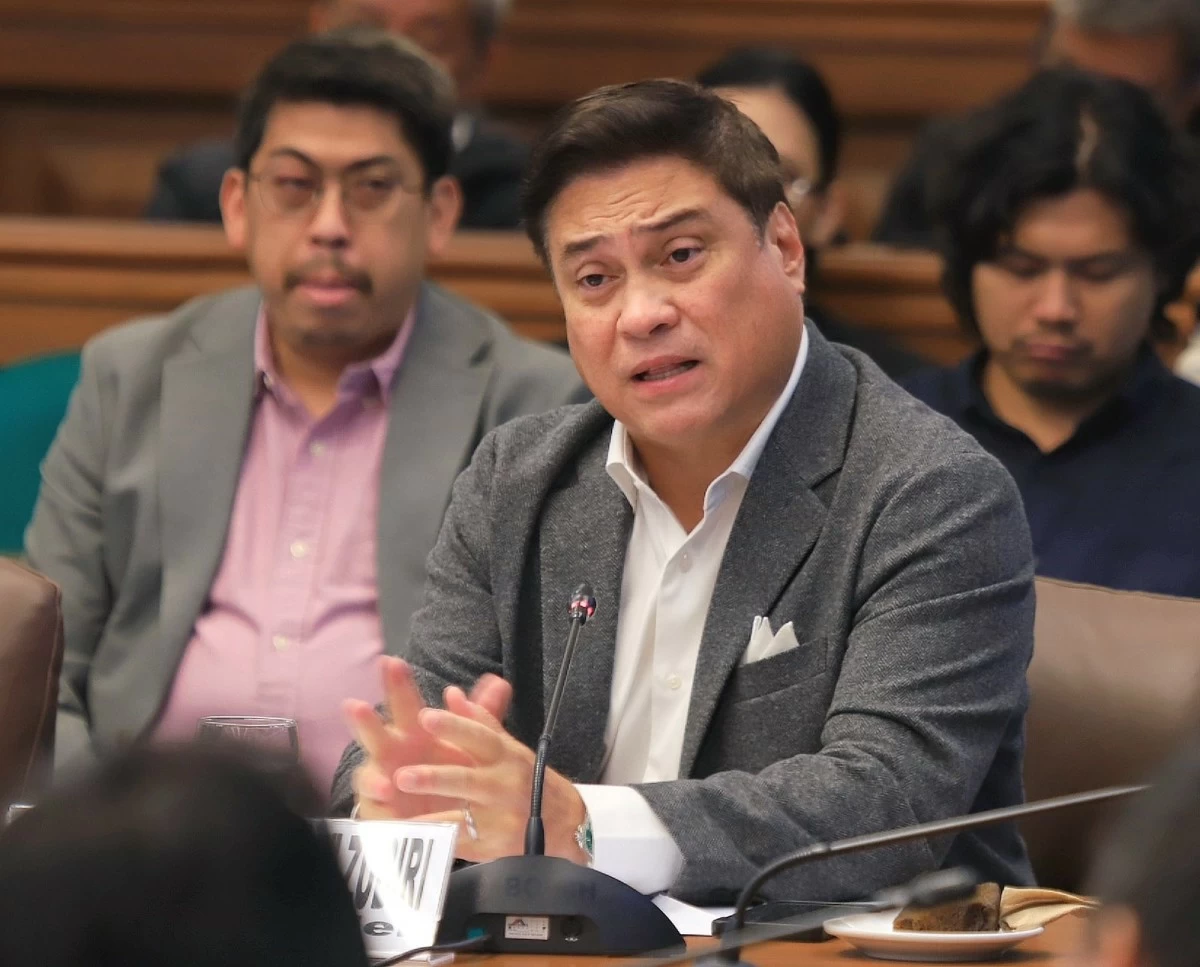
Senator Juan Miguel "Migz" Zubiri (Senate Public Relations and Information Bureau)
At the hearing of the Senate Committee on Games and Amusement on Tuesday, Sept. 16, he questioned why the Securities and Exchange Commission (SEC) – and not the Bangko Sentral ng Pilipinas (BSP) – oversees these digital lenders despite the central bank’s long reputation for strict financial supervision.
Zubiri said this discovery raised troubling questions about the government’s ability to protect borrowers, particularly minimum wage earners and other vulnerable groups, from crushing debt and harassment.
“Ibig mong sabihin wala po tayong cap? So kung meron po kayong lending app application, na-grant po, pwede po silang magcharge up to 20% a week? Wala po pala tayong batas para po diyan? (Do you mean to say we don’t have a cap? So if they have a lending app application that’s been granted, they can charge up to 20% a week? We don’t have a law for that?)” Zubiri asked the SEC.
“Unfortunately, your Honor, yes po,” SEC lawyer Romarie Abrazaldo replied, confirming that the Usury Law has been suspended and that no substitute regulation currently limits interest rates on these platforms.
The senator’s disbelief was evident as he reflected on the consequences of this policy gap for ordinary Filipinos who often sign contracts without understanding their hidden risks.
“Oh my, so mas grabe pa sa Mafia ito, sa Yakuza (Oh my, so this is even worse than the Mafia, than the Yakuza),” Zubiri said.
“Unfortunately, ang problema diyan, marami sa ating mga kababayan lalo na yung mga minimum wage earners, hindi po nila naiintindihan ang fine print ng kontrata. Kaya nga yung mga bangko, napaka-thorough…grabe yung due diligence na dapat gawin nyo. Yung online lending applications, parang bangko yan eh (Unfortunately, the problem there is that many of our fellow citizens, especially minimum wage earners, do not understand the fine print of the contract. That’s why banks are very thorough—the due diligence you should be doing is really strict. Online lending applications are just like banks),” Zubiri noted.
“Tapos kung di ka pa makabayad, grabe yung papahiyain ka. At tatanungin ko din sa Privacy Commission and other government agencies: pwede bang gawin yun na papahiyain yung tao? Kasi as part of your loan agreement with the lending app, magbibigay ka ng sampung tao hangang dalawampung tao pati celfone nila. It is a shame campaign (And if you still can’t pay, they really go as far as shaming you. I will also ask the Privacy Commission and other government agencies: is it allowed to do that, to shame a person? Because as part of your loan agreement with the lending app, you are required to provide 10 to 20 contacts along with their cellphone numbers. It’s basically a shame campaign),” he added.
By invoking a 2024 Supreme Court ruling that called a 3 percent monthly interest rate unconscionable, Zubiri underscored that even modest caps had been deemed abusive in the past.
Yet, as Abrazaldo pointed out, borrowers seeking relief must still bring cases to court, an explanation that left Zubiri unsatisfied and sharpened his critique of the regulator’s limited reach.
Abrazaldo said the SEC is still reviewing possible actions, but Zubiri countered with a grim reminder of the human cost of bureaucratic delay.
“Every time you spend studying it, there’s a person hanging himself from the ceiling. Because of these abusive online lending apps … maybe you should do a review, an audit, sa mga kumpanyang ito na binigyan nyo ng permit (to these companies that you permitted),” he lamented.
Before this exchange, Zubiri had already laid out why he believes the BSP, not the SEC, should oversee lending platforms, drawing on his experience as a former chairman of the Senate Cooperatives Committee.
The senator illustrated the BSP’s diligence by recalling how cooperative banks complain of stringent requirements but benefit from the discipline those rules enforce.
“The BSP is probably one of the best-run branches of government,” he declared.
Zubiri laid out a clear remedy: reassign the job of regulating online lending to the BSP.
“Bottom line, pag hindi po maba-ban at ang gusto po ng gobyerno ay highly regulated, ayaw naman po nating ma-veto ito, I would suggest that we give it to the BSP. Let’s transfer the responsibility from the SEC,” he said.
“Maybe what we should do is let the SEC concentrate on corporations and let’s give the lending regulation to the BSP kasi sila talaga ang expert tsaka mabilis gumalaw ang BSP (because they are really the experts and the BSP moves quickly)," he added.