






Manila Bulletin
 Business
Trade & Industry
Car sales fall in August, hit by seasonal slump, 'ghost month' tradition
Business
Trade & Industry
Car sales fall in August, hit by seasonal slump, 'ghost month' tradition
Business
Trade & Industry
Car sales fall in August, hit by seasonal slump, 'ghost month' tradition
Car sales fall in August, hit by seasonal slump, 'ghost month' tradition
Published Sep 16, 2025 02:58 pm


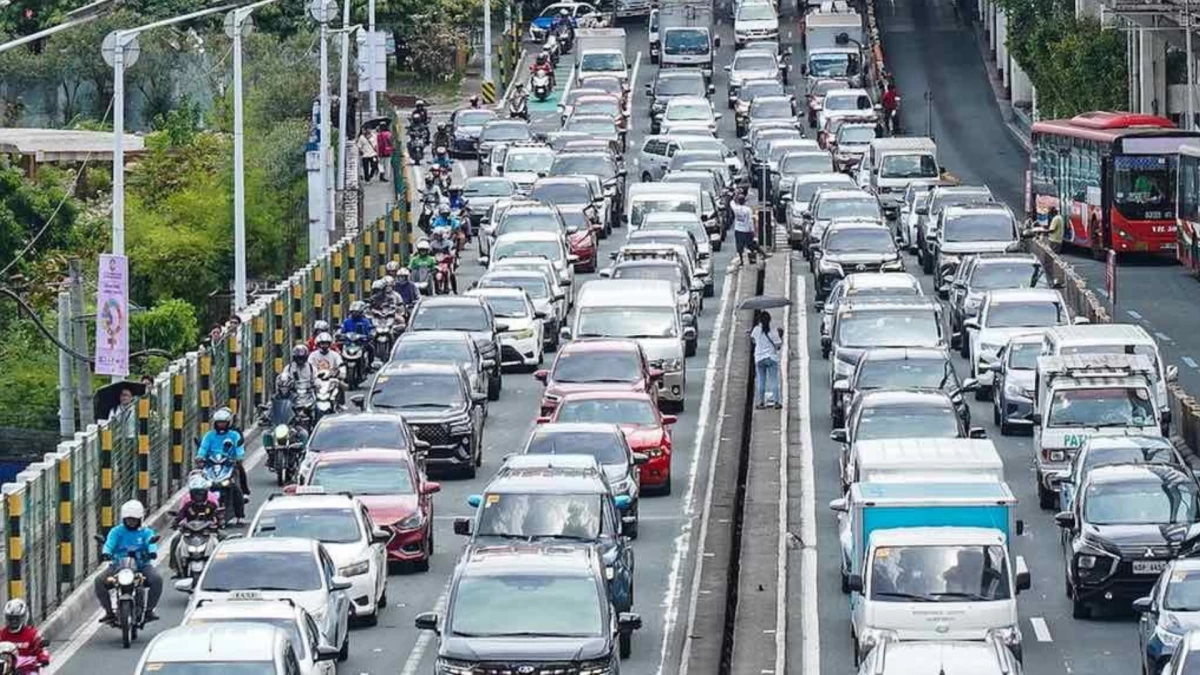
(Photo by John Louie Abrina I MB)
The so-called “ghost month” took a toll on the automotive industry in August, as year-to-date vehicle sales growth came to a near halt at 0.2 percent as sales declined across nearly all car segments, marking the slowest growth rate of the year.
Ghost month, which falls in August, usually coincides with people avoiding big purchases as part of a Chinese tradition that important decisions made during this time may attract bad luck.
Based on a joint report by the Chamber of Automotive Manufacturers of the Philippines, Inc. (CAMPI) and the Truck Manufacturers Association (TMA), such avoidance could have contributed to the 5.5 percent month-on-month dip.
Car sales in August reached 36,174 units, lower than 38,295 in July. This is also a 7.6 percent drop from 39.155 vehicles sold in August of last year.
From January to August, car sales grew slightly at 0.2 percent to 305,381 units from 304,765 units from the same period last year.
Commercial vehicles, which continue to be the top driver of sales for the industry with a market share of nearly 80 percent, fell to 28,583 units in August from 30,175 in the previous month.
Over the eight-month period, a total of 244,023 commercial vehicles have been sold, up 8.7 percent from 224,438 units last year.
Sales of passenger cars in August, which reversed their downward trend in July, dropped 6.5 percent to 7,591 units from 8,120 units.
The segment saw 61,538 units sold from January to August, a sharp 23.6 percent decline from 80,327 units during the same period in 2024.
Despite these figures, CAMPI remains optimistic about seeing high car sales within the last four months of the year.
The industry group is banking on “evolving consumer preferences and a growing shift toward sustainable mobility” as it seeks to reach 500,000 units this year.
“CAMPI and TMA reaffirm their commitment to supporting innovation and advancing the automotive sector’s contribution to national development,” it said.
Such innovation in the sector is evident in the sales of electric vehicles (EVs), which have now cornered six percent of the country’s total sales.
For the first eight months of the year, EVs stood at 18,439 units, nearly 80 percent of which are hybrid EVs.
Sought for comment, Rizal Commercial Banking Corp. (RCBC) Chief Economist Michael Ricafort said the entry of new EV players into the country could further boost sales in the coming months, as they bring in competition, even in pricing.
Ricafort said he expects sales to rebound before the end of the year as the industry recovers from the impact of recent flooding and storms that reduced the number of business days.
“For the coming months, better weather conditions would help improve vehicle sales data, especially towards the Christmas holiday season and amid lower interest rates that help increase demand for vehicles and auto loans to finance vehicle purchases,” he told Manila Bulletin.
CAMPI-TMA data showed that Toyota Motor Philippines Corp. remained the industry’s top player, with a 47.93 percent market share, selling a total of 146,357 units.
Mitsubishi Motors Philippines Corp. followed this with an 18.96-percent market share, Nissan Philippines Inc. with 4.96 percent, Ford Group Philippines with 4.89 percent, and Suzuki Philippines Inc. with 4.75 percent.