







Cash under fire: Can Purisima's proposal clean up corruption?
Published Sep 15, 2025 12:05 am
|
Updated Sep 14, 2025 03:30 pm


SPEAKING OUT
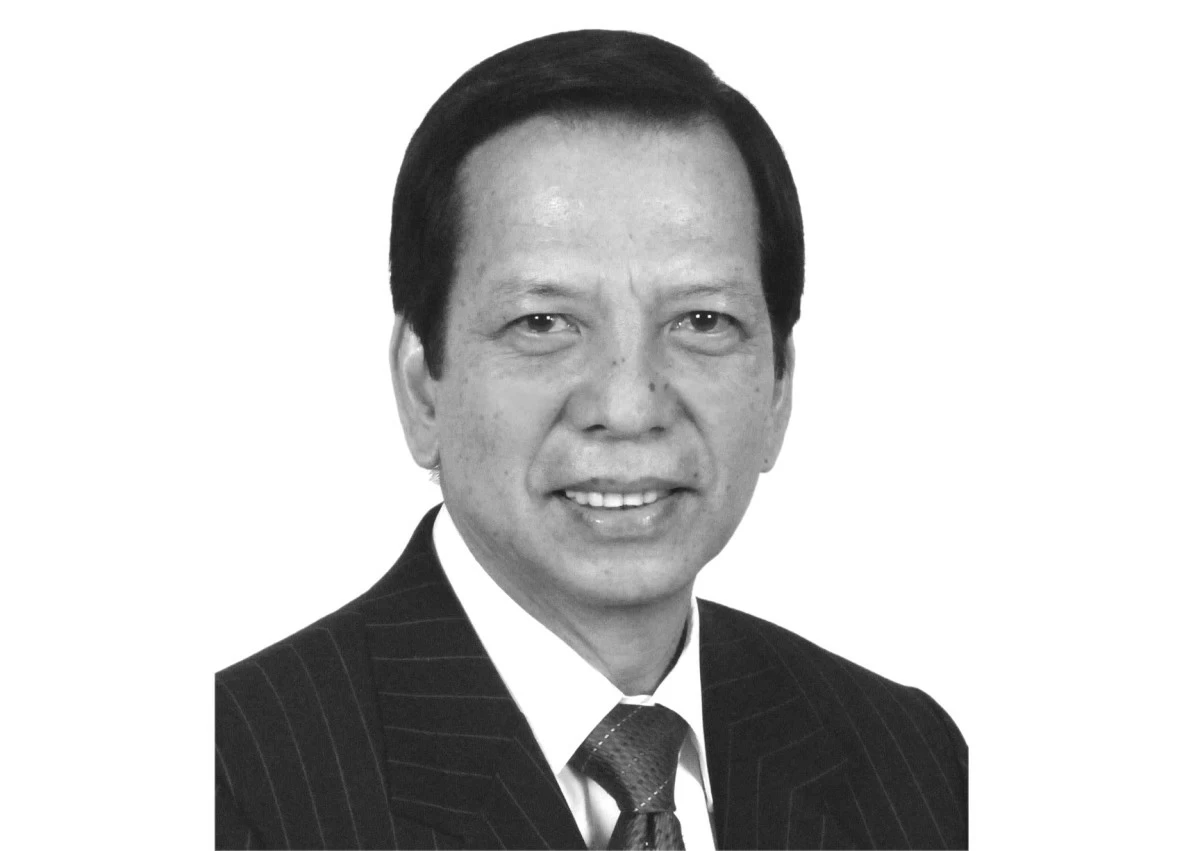
In a country where envelopes stuffed with bills have long been synonymous with backdoor deals, former Finance Secretary Cesar V. Purisima is calling for a radical rethink of how cash flows through the Philippine economy. His proposal? Limit high-value cash transactions, lower the top currency denomination, and push for a digital-first financial system.
This isn’t just a technocratic tweak—it’s a full-on assault on the mechanics of corruption.
The rationale
Purisima argues that cash is the lifeblood of illicit activity: “Bribes, kickbacks and under-the-table deals thrive in cash precisely because it is untraceable, untaxed and invisible to regulators,” he wrote in a recent post. With the country reeling from scandals in flood control projects and public works, he believes it’s time to cut off corruption at its source.
His recommendations include:
-Setting caps on cash transactions, similar to European models.
-Requiring banks to flag large withdrawals.
-Lowering the top denomination from ₱1,000 to ₱500 or ₱200.
-Implementing predictable demonetization cycles, like Singapore and Switzerland.
-Accelerating digital payment adoption, especially in government procurement.
Pros: Why it could work
-Transparency boost: Digital payments leave audit trails, making it harder to hide illicit transfers.
-Tax compliance: More visible transactions mean better tax enforcement and higher revenue.
-Deterrence by design: Lower denominations make large bribes physically bulkier and riskier to transport.
-Modernization: Encourages financial inclusion and tech adoption, especially among small businesses.
-Global alignment: Brings the Philippines closer to international best practices in anti-money laundering.
Cons: What could go wrong
-Exclusion risks: Rural and low-income Filipinos may struggle with digital access, risking marginalization.
-Privacy concerns: Increased surveillance of financial activity could raise civil liberty issues.
-Implementation hurdles: Banks and regulators may lack the infrastructure or coordination to monitor effectively.
-Resistance from informal sector: Many small vendors and freelancers rely on cash for flexibility and speed.
-Political pushback: Entrenched interests may resist reforms that threaten their access to untraceable funds.
What’s next?
Purisima’s proposal is gaining traction among reform-minded economists and transparency advocates, but it will require bold political will and public buy-in. The challenge lies not just in policy design, but in execution—ensuring that reforms don’t punish the poor while trying to catch the powerful.
As the Philippines stands at a crossroads, this cash crackdown could be a defining moment in its fight against corruption. Whether it becomes law or fades into the background will depend on how loudly the public demands accountability. ([email protected])