ADVERTISEMENT

4 hours can save a life

Published Sep 15, 2025 12:05 am  |  Updated Sep 15, 2025 03:09 pm
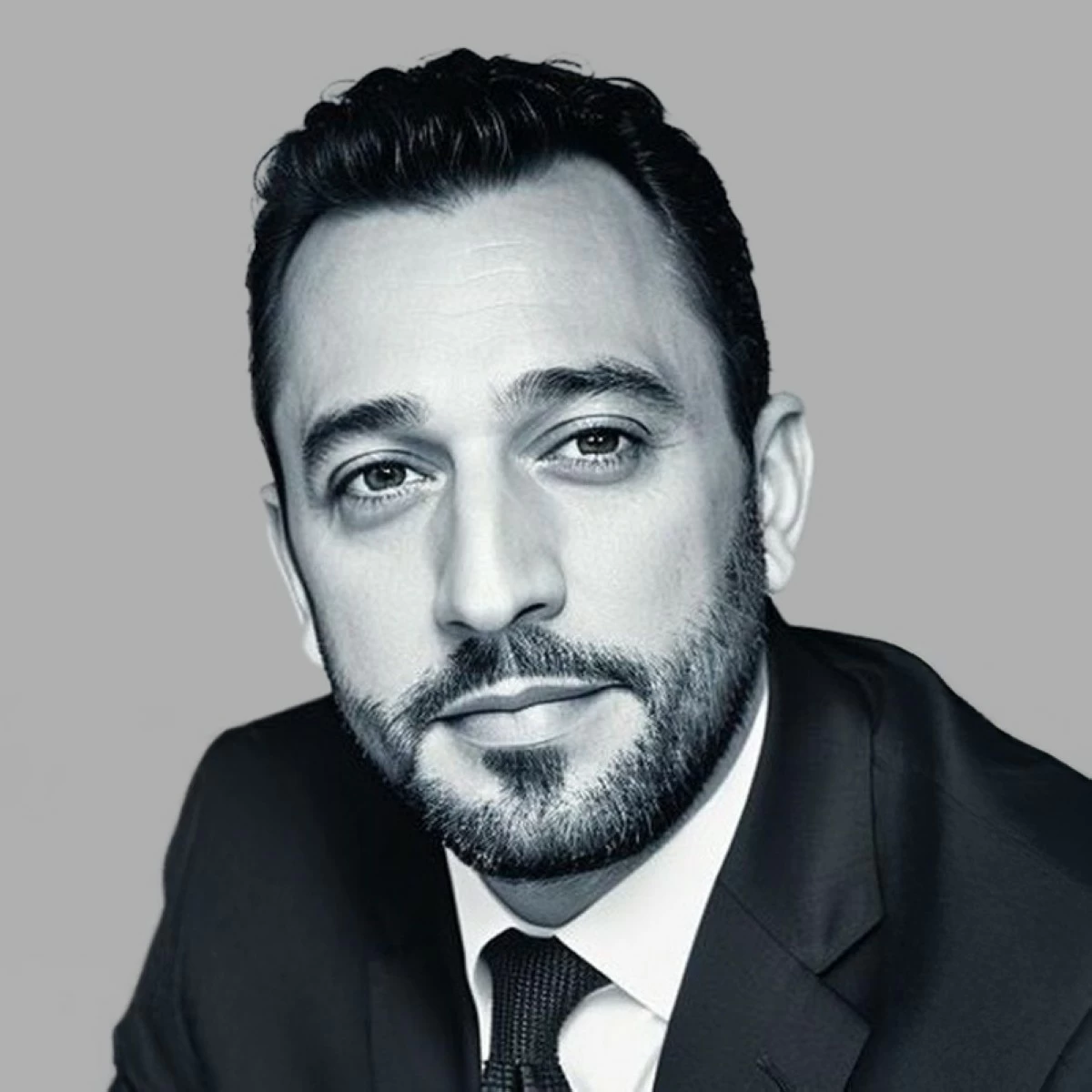
 Dr. Stuart Bennett, President and Group CEO, The Medical City
Dr. Stuart Bennett, President and Group CEO, The Medical City
By Dr. Stuart Bennett, President and Group CEO, The Medical City
Every year, millions of Filipinos bring themselves and their loved ones to emergency rooms, full of anxiety, distress, and often pain. For conditions like heart attack and stroke, every minute of delay can mean permanent disability or even death. Yet across the country, many ERs still face the same challenges: overcrowding, long queues, and uncertainty.
At The Medical City, we believe the hours immediately after a patient enters the ER are the most critical. Those hours should be filled with action, not waiting. Together with our doctors, nurses, and staff, we have asked ourselves a simple question: How can we ensure no patient or family is left uncertain in their moment of greatest need?
And as myself an Emergency Physician, I can say with certainty and experience that time is life. The minutes after a stroke or heart attack can determine whether someone survives and in what condition. Filipino healthcare workers are among the most skilled and compassionate in the world. The challenge is not about dedication but about systems that must be strengthened and better organized.

That is why we are setting a clear benchmark: every patient who comes into an emergency room should receive a final diagnosis or designation within four hours of registration. Four hours should not be considered exceptional care; it should be the minimum standard every Filipino can count on, no matter where they live or which hospital they visit.
Medicine has long recognized the urgency of time. The “golden hour” in trauma, the door-to-balloon time for heart attacks, and the treatment window for stroke all point to the same truth: delay costs lives. A four-hour ER standard builds on this truth. It ensures patients are triaged quickly, diagnostic tests are completed, and treatment decisions are made without delay. It also restores dignity, giving families clarity instead of uncertainty and patients the reassurance that their lives are not on hold.
Meeting this standard requires systems patients can trust: organized processes, capable teams, and strong coordination between ER, diagnostics, and specialty care, supported by the right training and technology. At The Medical City, we have already begun this journey and extended this four-hour target across our network. It has not been easy, but we have proven that it is possible, and all know that it is absolutely necessary.
No single hospital can transform emergency care alone. That is why we welcome the call of Secretary of Health Dr. Ted Herbosa to make four hours the national standard. With the right government policies and public-private collaboration, we can change how Filipinos experience emergency care. This is not only about hitting a target. It is about restoring trust and showing families that their time, dignity, and lives matter.
The choice before us is clear: accept delays as inevitable, or demand better. We believe Filipinos deserve better. A four-hour ER standard is not negotiable; it is the baseline of care. At The Medical City, we are committed to it and call on our colleagues across the healthcare system to join us.
Because behind every patient is a family, a future, and a life worth saving.
And four hours can really make a difference.
Dr. Stuart Bennett is the President and Group CEO of The Medical City. He spent more than a decade as a front-line military surgeon in the UK Royal Navy, serving as a nuclear submarine officer and as a Green Beret with a Royal Marines Commando Unit . Following his full time MBA at London Business School and Columbia GSB, he moved into Equity Capital Markets at Merrill Lynch London and then Private Equity in Singapore and Dubai. With a rare blend of clinical, financial, and operational expertise, Dr. Bennett has since led transformative healthcare projects across Africa, the Middle East, and South Asia. Today, he brings this global experience to the Philippines, guiding The Medical City’s mission to deliver world-class healthcare rooted in trust, innovation, and malasakit.
ADVERTISEMENT
.most-popular .layout-ratio{ padding-bottom: 79.13%; } @media (min-width: 768px) and (max-width: 1024px) { .widget-title { font-size: 15px !important; } }

{{ articles_filter_1561_widget.title }}

.most-popular .layout-ratio{ padding-bottom: 79.13%; } @media (min-width: 768px) and (max-width: 1024px) { .widget-title { font-size: 15px !important; } }

{{ articles_filter_1562_widget.title }}

.most-popular .layout-ratio{ padding-bottom: 79.13%; } @media (min-width: 768px) and (max-width: 1024px) { .widget-title { font-size: 15px !important; } }

{{ articles_filter_1563_widget.title }}

{{ articles_filter_1564_widget.title }}

.mb-article-details { position: relative; } .mb-article-details .article-body-preview, .mb-article-details .article-body-summary{ font-size: 17px; line-height: 30px; font-family: "Libre Caslon Text", serif; color: #000; } .mb-article-details .article-body-preview iframe , .mb-article-details .article-body-summary iframe{ width: 100%; margin: auto; } .read-more-background { background: linear-gradient(180deg, color(display-p3 1.000 1.000 1.000 / 0) 13.75%, color(display-p3 1.000 1.000 1.000 / 0.8) 30.79%, color(display-p3 1.000 1.000 1.000) 72.5%); position: absolute; height: 200px; width: 100%; bottom: 0; display: flex; justify-content: center; align-items: center; padding: 0; } .read-more-background a{ color: #000; } .read-more-btn { padding: 17px 45px; font-family: Inter; font-weight: 700; font-size: 18px; line-height: 16px; text-align: center; vertical-align: middle; border: 1px solid black; background-color: white; } .hidden { display: none; }
function initializeAllSwipers() { // Get all hidden inputs with cms_article_id document.querySelectorAll('[id^="cms_article_id_"]').forEach(function (input) { const cmsArticleId = input.value; const articleSelector = '#article-' + cmsArticleId + ' .body_images'; const swiperElement = document.querySelector(articleSelector); if (swiperElement && !swiperElement.classList.contains('swiper-initialized')) { new Swiper(articleSelector, { loop: true, pagination: false, navigation: { nextEl: '#article-' + cmsArticleId + ' .swiper-button-next', prevEl: '#article-' + cmsArticleId + ' .swiper-button-prev', }, }); } }); } setTimeout(initializeAllSwipers, 3000); const intersectionObserver = new IntersectionObserver( (entries) => { entries.forEach((entry) => { if (entry.isIntersecting) { const newUrl = entry.target.getAttribute("data-url"); if (newUrl) { history.pushState(null, null, newUrl); let article = entry.target; // Extract metadata const author = article.querySelector('.author-section').textContent.replace('By', '').trim(); const section = article.querySelector('.section-info ').textContent.replace(' ', ' '); const title = article.querySelector('.article-title h1').textContent; // Parse URL for Chartbeat path format const parsedUrl = new URL(newUrl, window.location.origin); const cleanUrl = parsedUrl.host + parsedUrl.pathname; // Update Chartbeat configuration if (typeof window._sf_async_config !== 'undefined') { window._sf_async_config.path = cleanUrl; window._sf_async_config.sections = section; window._sf_async_config.authors = author; } // Track virtual page view with Chartbeat if (typeof pSUPERFLY !== 'undefined' && typeof pSUPERFLY.virtualPage === 'function') { try { pSUPERFLY.virtualPage({ path: cleanUrl, title: title, sections: section, authors: author }); } catch (error) { console.error('ping error', error); } } // Optional: Update document title if (title && title !== document.title) { document.title = title; } } } }); }, { threshold: 0.1 } ); function showArticleBody(button) { const article = button.closest("article"); const summary = article.querySelector(".article-body-summary"); const body = article.querySelector(".article-body-preview"); const readMoreSection = article.querySelector(".read-more-background"); // Hide summary and read-more section summary.style.display = "none"; readMoreSection.style.display = "none"; // Show the full article body body.classList.remove("hidden"); } document.addEventListener("DOMContentLoaded", () => { let loadCount = 0; // Track how many times articles are loaded const offset = [1, 2, 3, 4, 5, 6, 7, 8, 9, 10]; // Offset values const currentUrl = window.location.pathname.substring(1); let isLoading = false; // Prevent multiple calls if (!currentUrl) { console.log("Current URL is invalid."); return; } const sentinel = document.getElementById("load-more-sentinel"); if (!sentinel) { console.log("Sentinel element not found."); return; } function isSentinelVisible() { const rect = sentinel.getBoundingClientRect(); return ( rect.top < window.innerHeight && rect.bottom >= 0 ); } function onScroll() { if (isLoading) return; if (isSentinelVisible()) { if (loadCount >= offset.length) { console.log("Maximum load attempts reached."); window.removeEventListener("scroll", onScroll); return; } isLoading = true; const currentOffset = offset[loadCount]; window.loadMoreItems().then(() => { let article = document.querySelector('#widget_1690 > div:nth-last-of-type(2) article'); intersectionObserver.observe(article) loadCount++; }).catch(error => { console.error("Error loading more items:", error); }).finally(() => { isLoading = false; }); } } window.addEventListener("scroll", onScroll); });

Sign up by email to receive news.