







The colonial mindset: A review of 'Magellan'
Published Sep 14, 2025 08:33 pm



Director Lav Diaz (2nd from left) with the main cast of 'Magellan' at Cannes Film Festival.
Chosen to represent the Philippines in the Academy Awards’ Best International Feature Film category, Magellan, written and directed by Lav Diaz, has a rare ‘under three hours’ running time for the renowned ‘slow cinema’ director. It’s an epic historical drama that first screened in Cannes 2025, and stars Mexican actor Gael Garcia Bernal as the early-16th-century Portuguese explorer Ferdinand Magellan.
I mention the running time of two hours and 40 minutes for Magellan, as Lav is notorious for championing slow cinema, and most of his films will run from five hours to a lengthy eleven hours. His 2016 entry to the Berlin Film Festival, A Lullaby to the Sorrowful Mystery, was eight hours long. This highly contemplative pacing, with his super-long, lingering takes, is all part of his immersive approach to filmmaking - and yes, it is fair to ask, 'immersive for whom.' It is a challenge to watch a Lav film, so if only for the sake of this being actually viewed by Academy Awards jurors, I was happy to note how this Magellan is relatively brief for Lav.
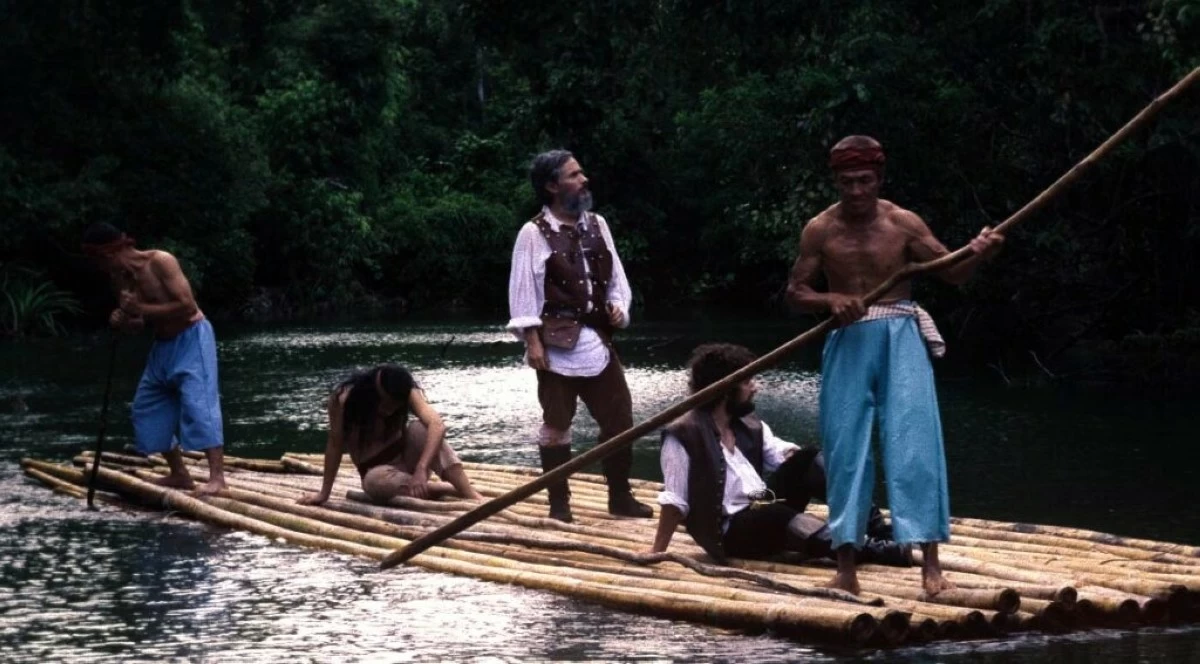
A scene from 'Magellan'
As for the film itself, it can be dubbed "The Revisionist Historical Lesson" or "How Lapulapu Is Stricken From the History Books," according to Lav Diaz. As a screenplay writer, Lav is not necessarily pining for authenticity or historical accuracy, but is more after giving us his own take on Magellan as a historical figure, his motivation, and his personal issues. While from Portugal, Fernão de Magalhães (Magellan) sailed to the Philippines under the Spanish flag, and set about establishing both Spanish colonialism and Christianity in this country.
In fact, when we first encounter Magellan, it’s during the conquest of Malacca (the Spice Islands) in 1511, and it is for Portugal. The narrative stretches to 1521, and his death at Mactan in the Philippines. It’s a full decade of conquest and the ruining of people in the name of European power. At best, it depicts Magellan and his ilk as profiteers, engaged in a global race to secure land, riches, and commodities through plunder.
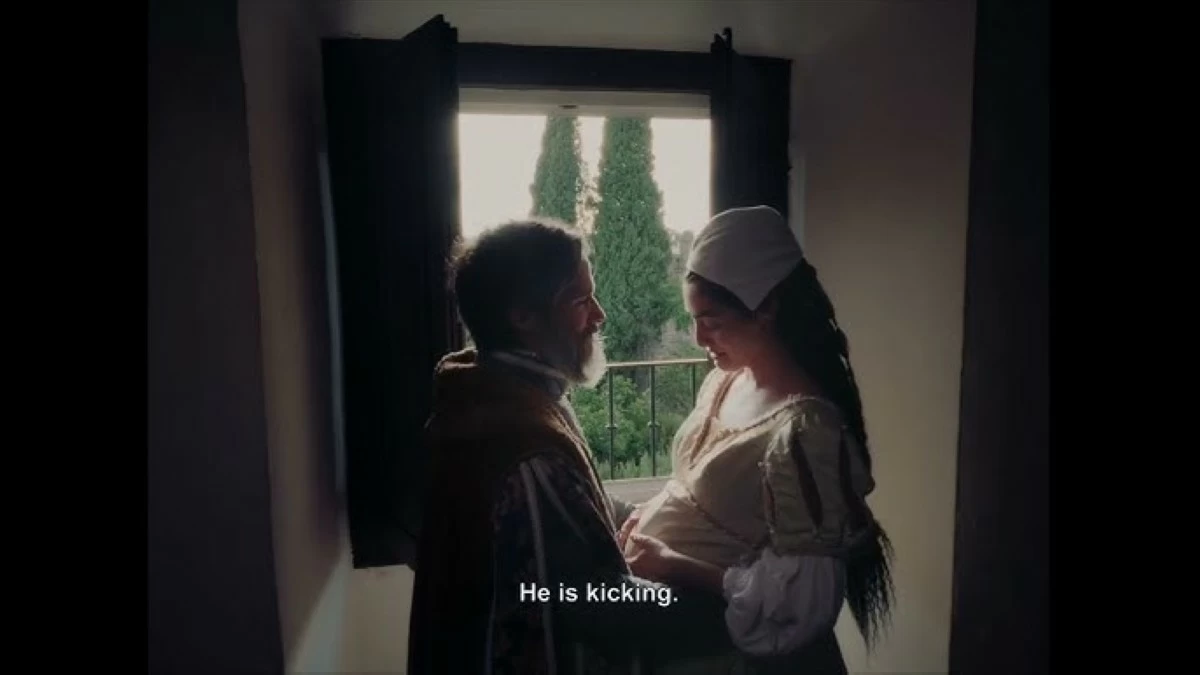
The other main character in the film is Enrique (Amado Arjay Baron), an indigenous man whom Magellan ‘liberates’ and takes with him on his subsequent journeys. Called ‘civilized’ by the other Europeans, Enrique becomes the near-silent observer, representing those who have been conquered and colonized. How he comes full circle at the end of the film is a statement of some kind being made by Lav.
Known for shooting in black and white, Lav surprises us by shooting this film in color, in a muted palette of browns, mossy greens, and blues. One will especially like the extended sequence of their sea voyage in three galleons and the rough justice meted out in the course of the journey.
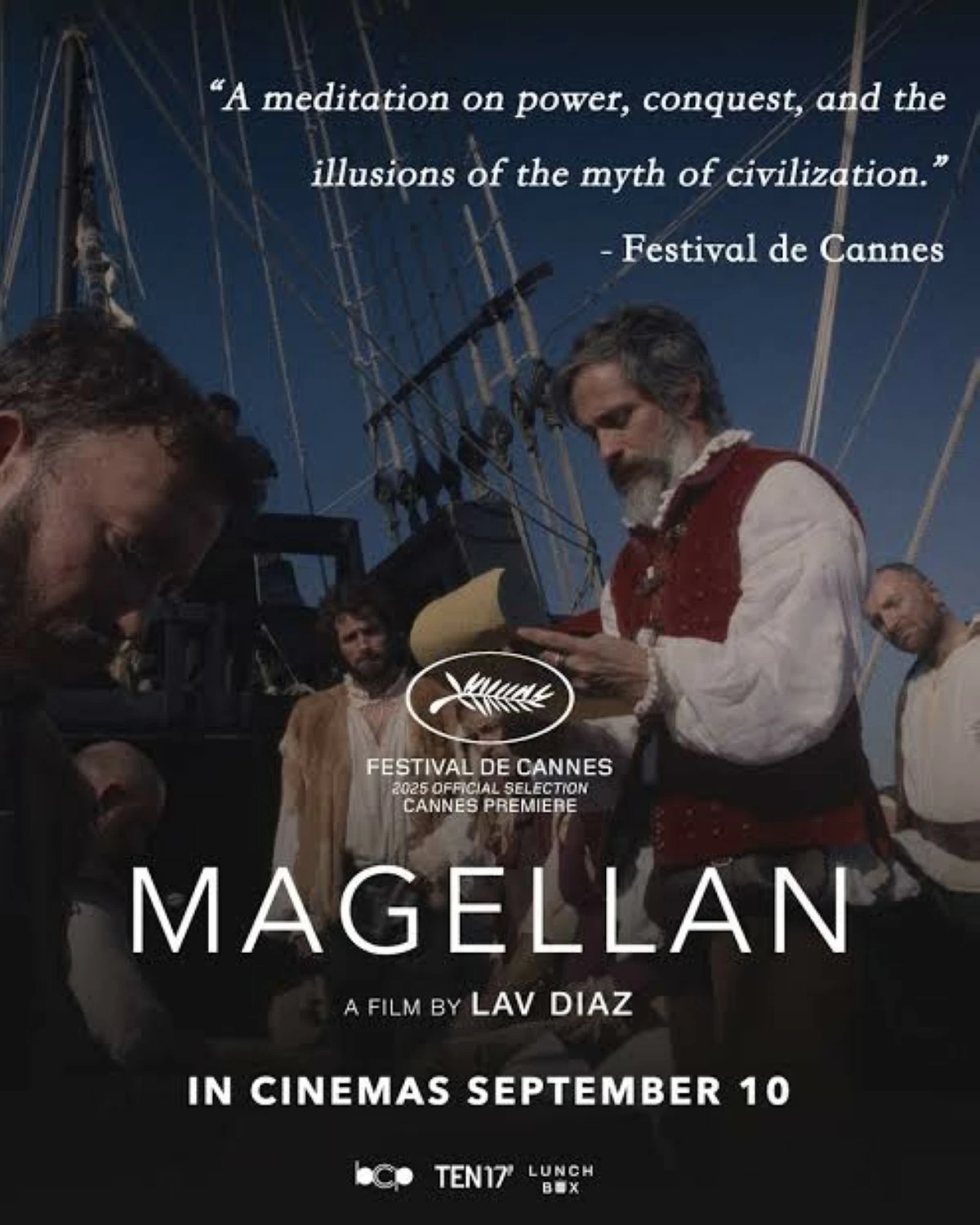
While the message is extra loud in terms of what the impact of the colonial mindset is, it’s said so quietly. In such measured tones, I’m wondering if the audience of today will get that it’s also a pointed reference to what is going on in the world today - how so many want their viewpoint to prevail. And are ready to do so, regardless of the cost.
"Magellan" is a striking film with a barbed perspective of history; I’m just not certain if the world beyond film aficionados and cinema enthusiasts is ready for Lav, or ever will be.