







These thrilling mystery novels are a must-read
Published Sep 13, 2025 10:37 am


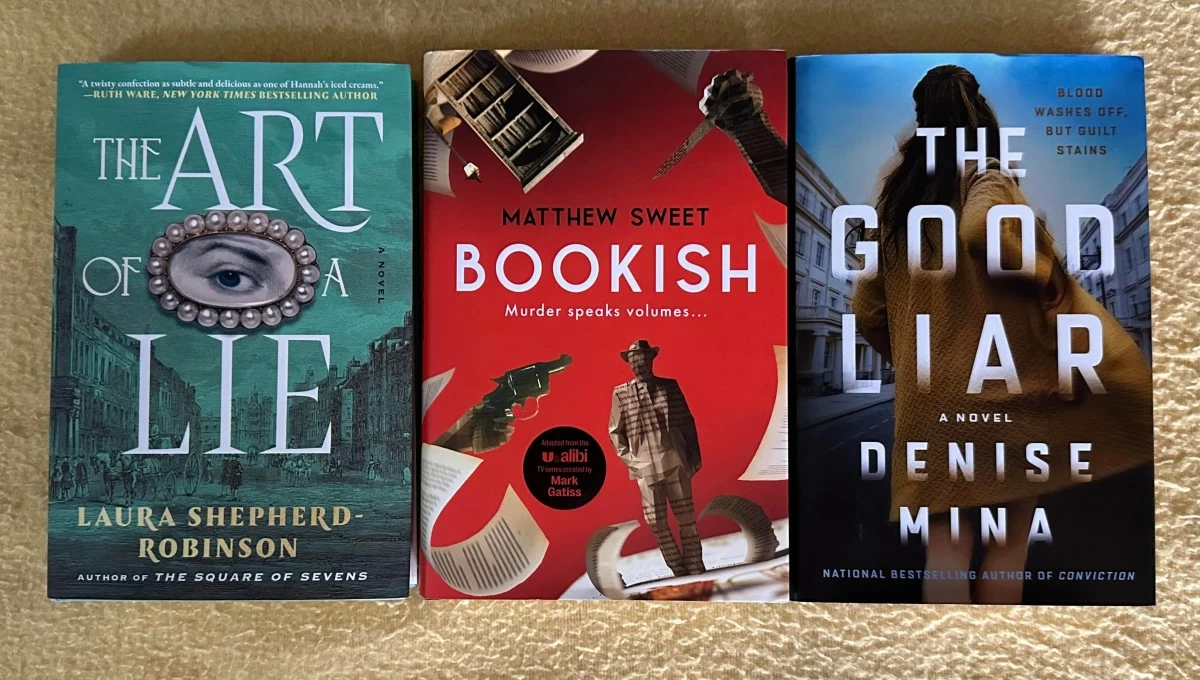
From the 18th century to post-war 1946, and on to present-day London, these novels provide mystery and thrills, while the City acts as a potent backdrop.
"The Art of A Lie" by Laura Shepherd-Robinson
Set in 18th-century Georgian London, this is the latest from the author of Square of Sevens, and it’s historical fiction with a tense and thrilling psychological war of wits. Hannah Cole runs a confectionery shop in Piccadilly, and when the story opens, the author, turned magistrate Henry Fielding, calls on her as part of his investigation into the violent murder of her husband, Jonas, in a reported street robbery. There’s also a friend of her late husband, William Devereux, who visits and mentions the new Italian delight called ‘ice cream’. Revealed is that a large amount of money was left by her husband, and Fielding feels there’s more to the robbery story than meets the eye. Was the money acquired by ill-gotten means, and should the probate court withhold the money? Was Jonas leading a double life in the illegal gambling dens of London? Is Devereux after more than offering his condolences?
Georgian London is a milieu where suppliers don’t like women in trade, so it’s interesting to have all this as a historical footnote, and how others with shops alongside that of Hannah Cole include a Mr. Fortnum. It’s this attention to detail, to atmosphere, and blending the historical and factual with her made-up characters that Robinson excels in. The Henry Fielding character is a nice touch, with people coming up to him to say how much they enjoyed "The History of Tom Jones," his comic novel. And it’s explained how, at this point, he was setting up the Bow Street Runners, London’s first professional police force. And the title could refer to either of the main characters, Hannah and William - they’re both complicit in fabricating a life that’s founded on facts they’d rather not see the light of day. So what we have is a thrilling, historical Crime Fiction novel, and Shepherd-Robinson has done it again!
"Bookish" by Matthew Sweet
Based on the TV series that Sweet co-wrote with Mark Gatiss, we now have in book form three of the cases that became memorable episodes. It’s 1946, post-World War II London, and we’re on Archangel Lane, where Gabriel Book is the proprietor of an independent bookshop. He’s married to Trottie, who runs the wallpaper shop situated beside Book’s. Early on, much is made of the name of Gabriel’s shop and the confusion caused by the apostrophe. Book helps the local police solve crimes and puzzling cases utilizing his skills at deduction, and the books he has on hand, like an outdated version of Google search. The shop is also a magnet for waifs and strays who become Gabriel’s ‘regulars’ and supporting staff. There’s Nora, a true crime enthusiast and shop assistant, and there’s Jack, recently released from prison, and Dog, a connoisseur of ginger biscuits.
It’s wonderful ‘old-school’ crime-solving, and a warm-hearted exploration of books, murder, and the dark secrets we keep. Told over three tales, you’ll love how the stories evoke a sense of community among those who live on Archangel Lane - from the chemist, to the butcher, the owner of the local pub, and so on. How the marriage between Gabriel and Trottie is one of convenience is at first hinted at, then properly explored, and it just adds to the drama and human pathos that’s to be found while crimes are being committed and solved. The first tale has to do with the staged suicide of one in the community and why it happened; the second brightly brings in post-war film making and shooting on location at the Lane, along with a fatal accident by poisoning. The third brings us back to the days of grand London hotels and European royalty in exile. Wonderful sense of time and place in this novel.
"The Good Liar" by Denise Mina
Professor Claudia O’Sheil is a blood spatter expert at the Royal College of Forensic Scientists at Regent’s Park, London. Recently widowed, when we first meet her, her mentor and support is Lord Philip Ardmore - and he was instrumental in her gaining the reputation as a forensics expert and being awarded an MBE. She’s now being asked to tender a career-defining speech in front of colleagues, the press, judicial luminaries, and important guests. But it’s revealed that what she has in mind to say is very far from what Lord Ardmore would want her to, or even suspect she would utter. A year ago, her expert testimony helped put William Stewart in prison for murdering his father and his father’s young fiancée in a bloody rampage that happened at Chester Terrace, home of Jonty Stewart, said father, and a close friend of Ardmore.
The flashbacks to that murder night, and subsequent events, show how Claudia may have been manipulated, and made a puppet to the machinations of those in Power. And when her husband James and his friend, lawyer Charlie (who’s defending William), both die under very similar circumstances and in the same place but a year apart, there’s a chilling reality that Claudia has to face, despite its improbability. Does she protect her children and livelihood with continued complicity, or does she blow the conspiracy apart, reveal the truth, and wreak havoc upon herself and those close to her? The novel becomes an exploration of Power, of class, and the rich protecting themselves; and from Claudia’s side, the lengths one is ready to go to for family, for truth, and for resolution. It’s a tightly drawn web that Mina spins, and conspiracy theorists will get an extra kick from this narrative.