







Jeho Bitancor's art soars with potent social commentary
How 'Pangil sa Pakpak' offers striking visuals of our political climate
By S.C. Fojas
Published Sep 13, 2025 12:41 am
|
Updated Sep 13, 2025 10:34 am


At A Glance
- For Jeho Bitancor, art is more than a fixed object, it is a lively force with the ability to influence perspectives.
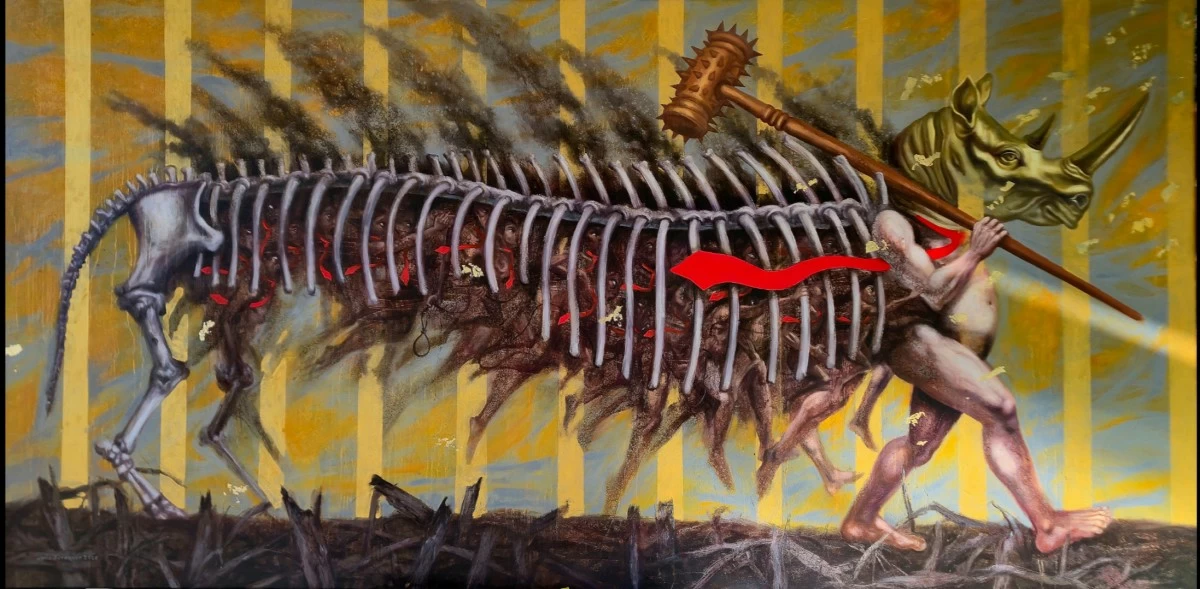
'TAGAHASIK NG LAGIM,' 48x96 inches, oil on canvas, 2025
In a world full of political contradictions and social worries, artist Jeho Bitancor bravely gives shape to the unseen tensions that can tear us apart. His exhibit, “Pangil sa Pakpak” (Fang on a Wing), is more than just a collection of paintings; it is a poetic and intense examination of these dangers. With a skillful mix of symbolic imagery and layered techniques, Jeho creates a visual language that both mourns and calls for action.
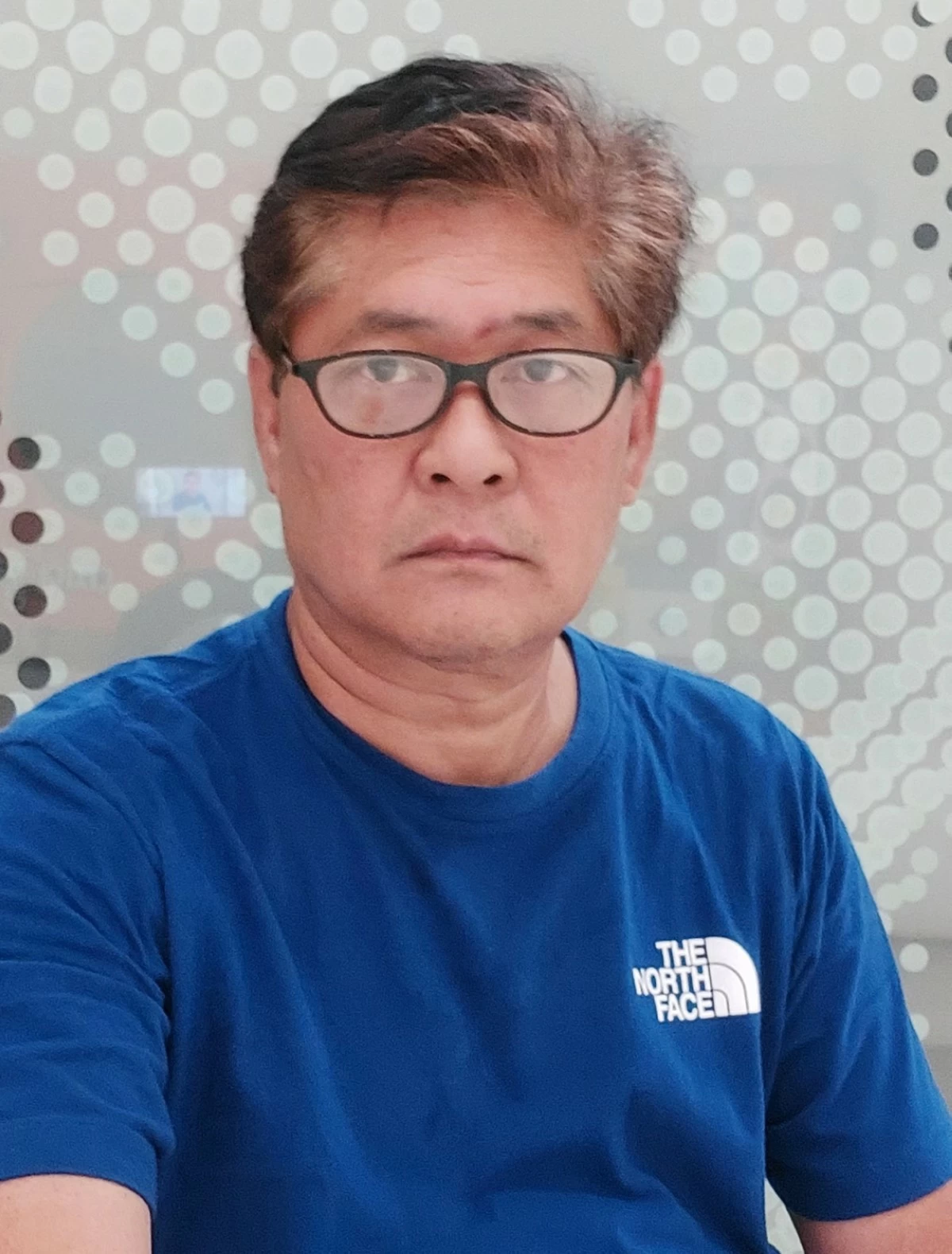
MEET THE ARTIST Jeho Bitancor
The title itself is a powerful contrast and serves as the main idea of the exhibit. Jeho explains, “While we associate pangil or fang with something negative like danger, pain, or even death, pakpak or wing, on the other hand, provides the opposite meaning. It allows us to imagine life, freedom, and beauty.” The tension between these two opposing ideas, the threat to what we cherish, is the core of the show. It acts as a stark reminder that what we hold dear is always at risk from ignorance or malice.
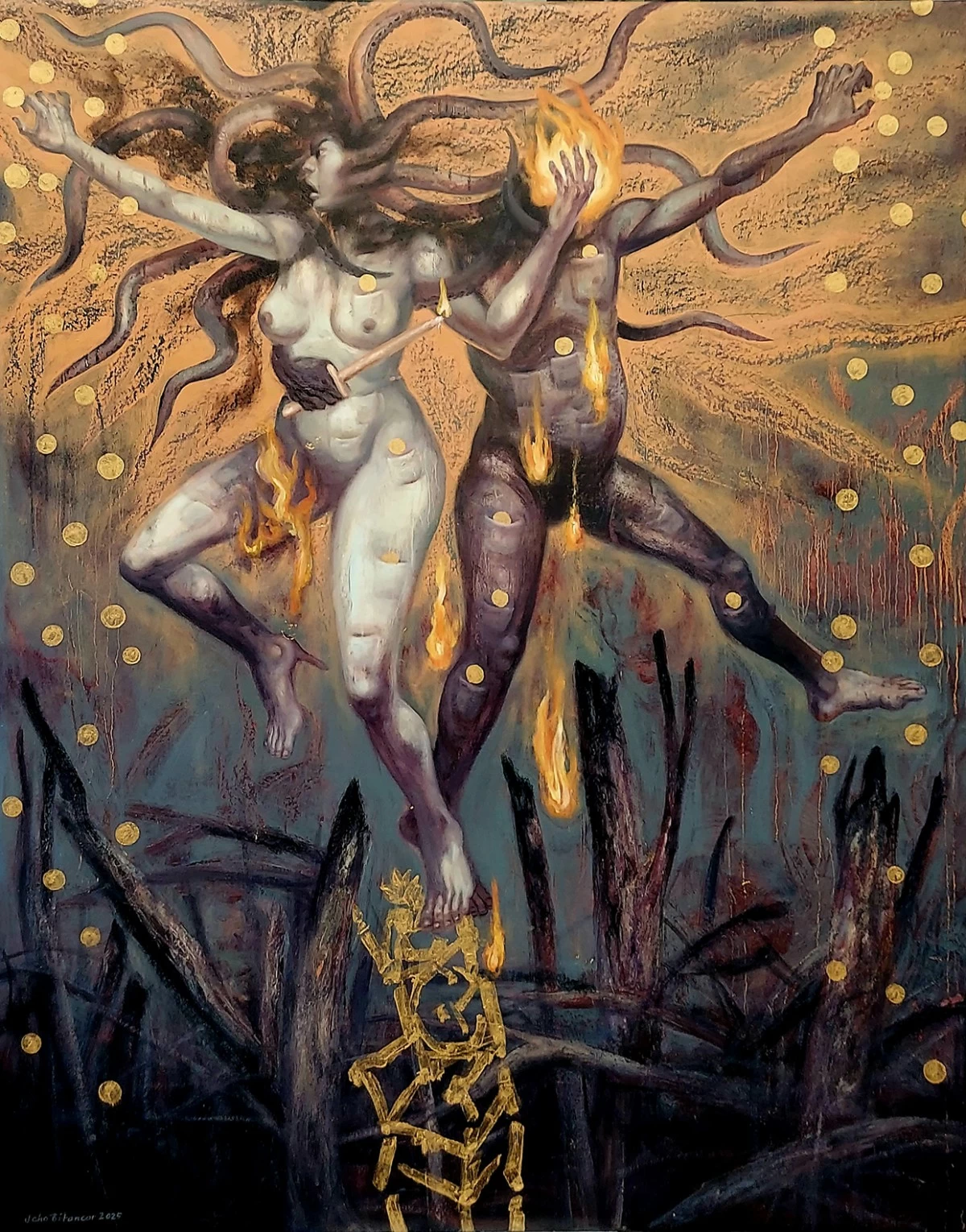
'AGAWANG TRONO,' 60x48 inches, oil on canvas, 2025
One of the exhibit’s standout pieces, “Tagahasik ng Lagim (Sower of Terror),” powerfully illustrates this theme. The painting, a striking oil on canvas, directly comments on the rise of authoritarian leaders. Jeho mentions “strong men” who are supported by “ignorance and malice,” can “destroy democratic ideas and lead to economic ruin and social collapse.” This work serves as a chilling reflection, not only from the artist’s experiences in the Philippines but also of similar social issues in some of the world’s strongest nations.
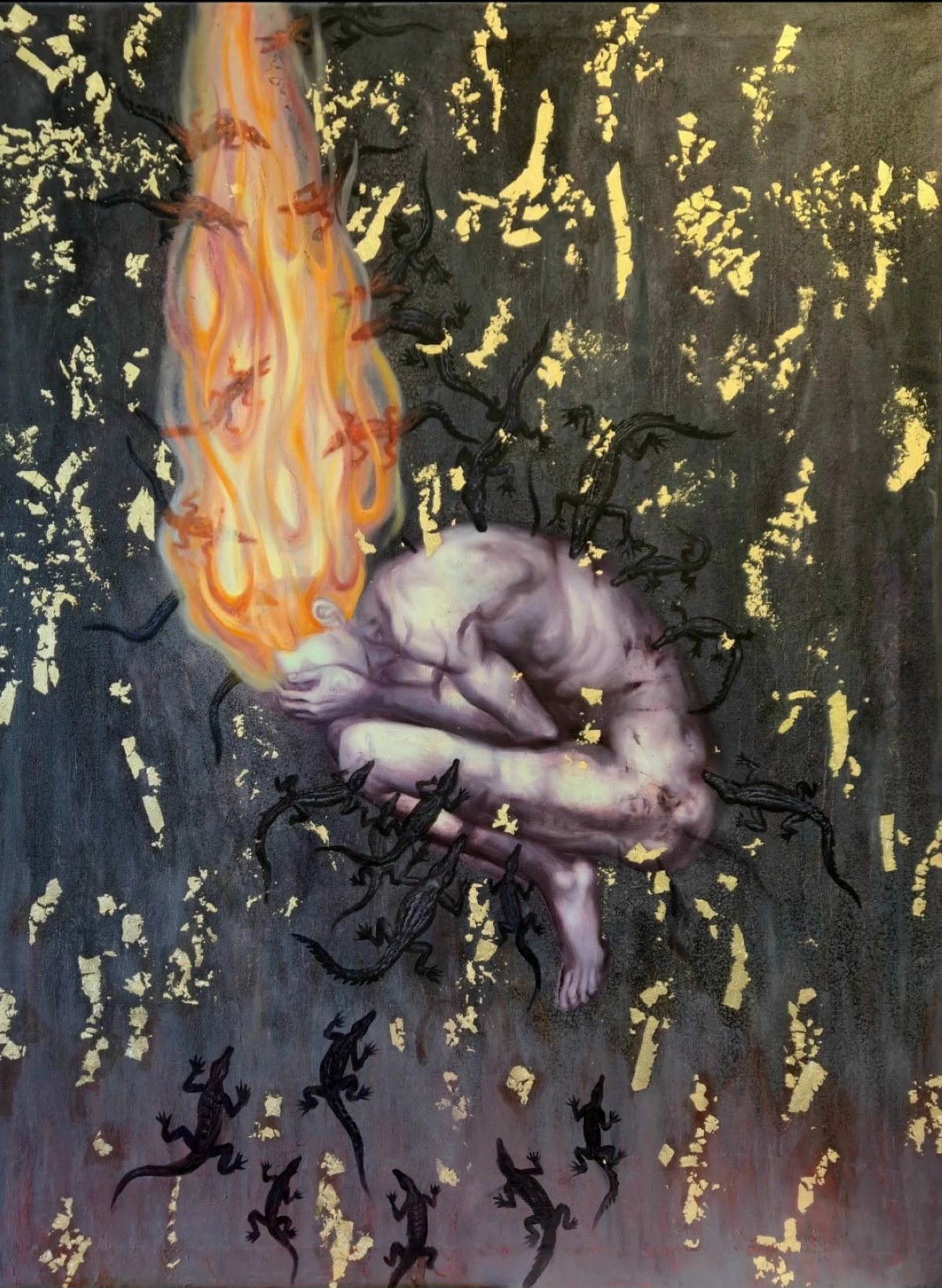
'LIYAB SA ISIP,' 48x48 inches, oil on canvas, 2025
Aside from its heavy content, the exhibit showcases Jeho’s technical skill and deep artistic philosophy. Mainly using oil and paints on canvas, he describes his creative process as a journey from the abstract to the concrete. “An idea is floating above my head until it is formed on paper,” he explains. He purposely strays from traditional techniques, building his works in stages that he has developed over the years. This process ranges from the “ugly phase” of sketching and blocking to the final, careful application of highlights and dark values. “I use rubbing, glazing, and scumbling to achieve the effect that I want,” he said. “So there is ‘noise’ in my painting, not just a simple application of paint."
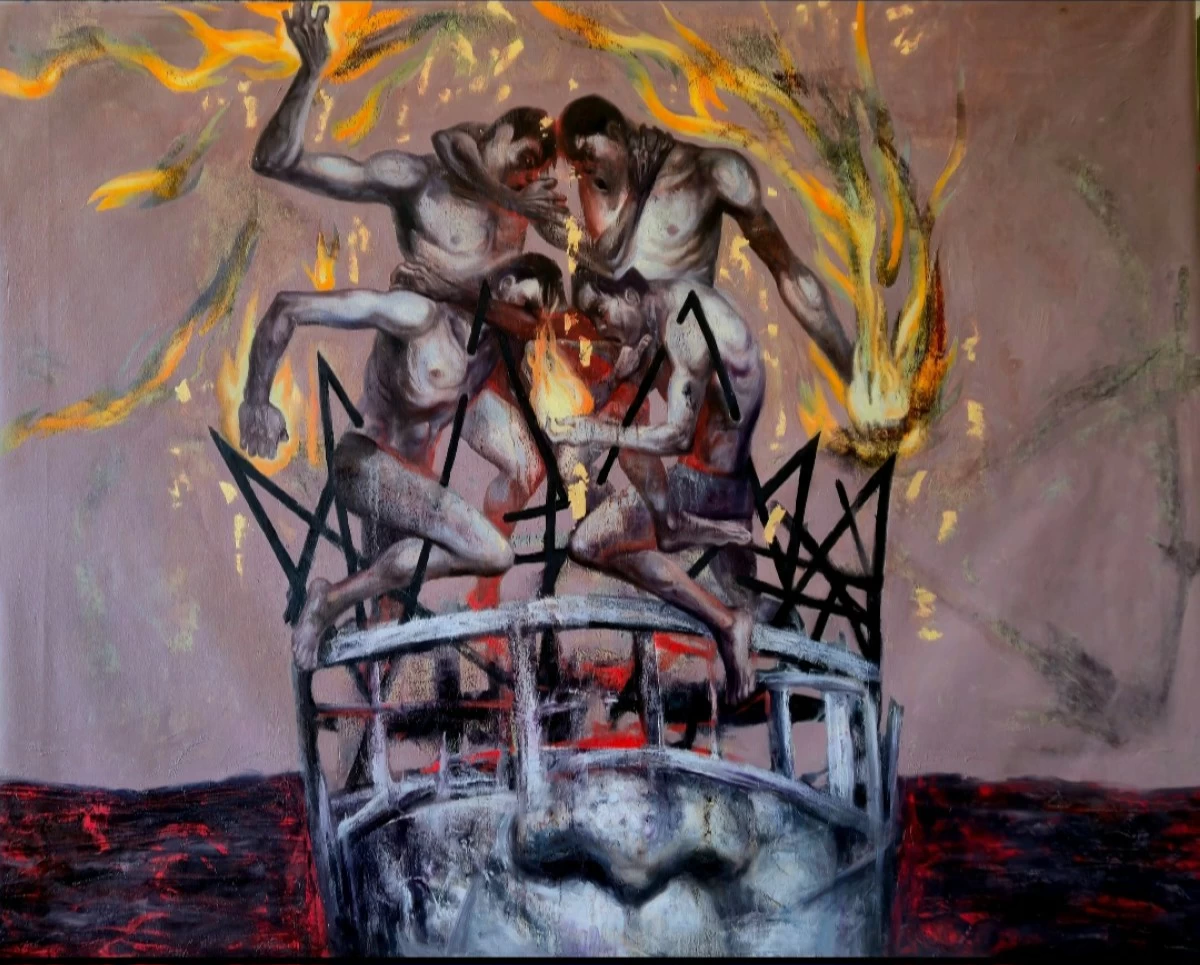
'NAGTUTUNGGALING MAGKAURI,' 48x60 inches, oil on canvas, 2025
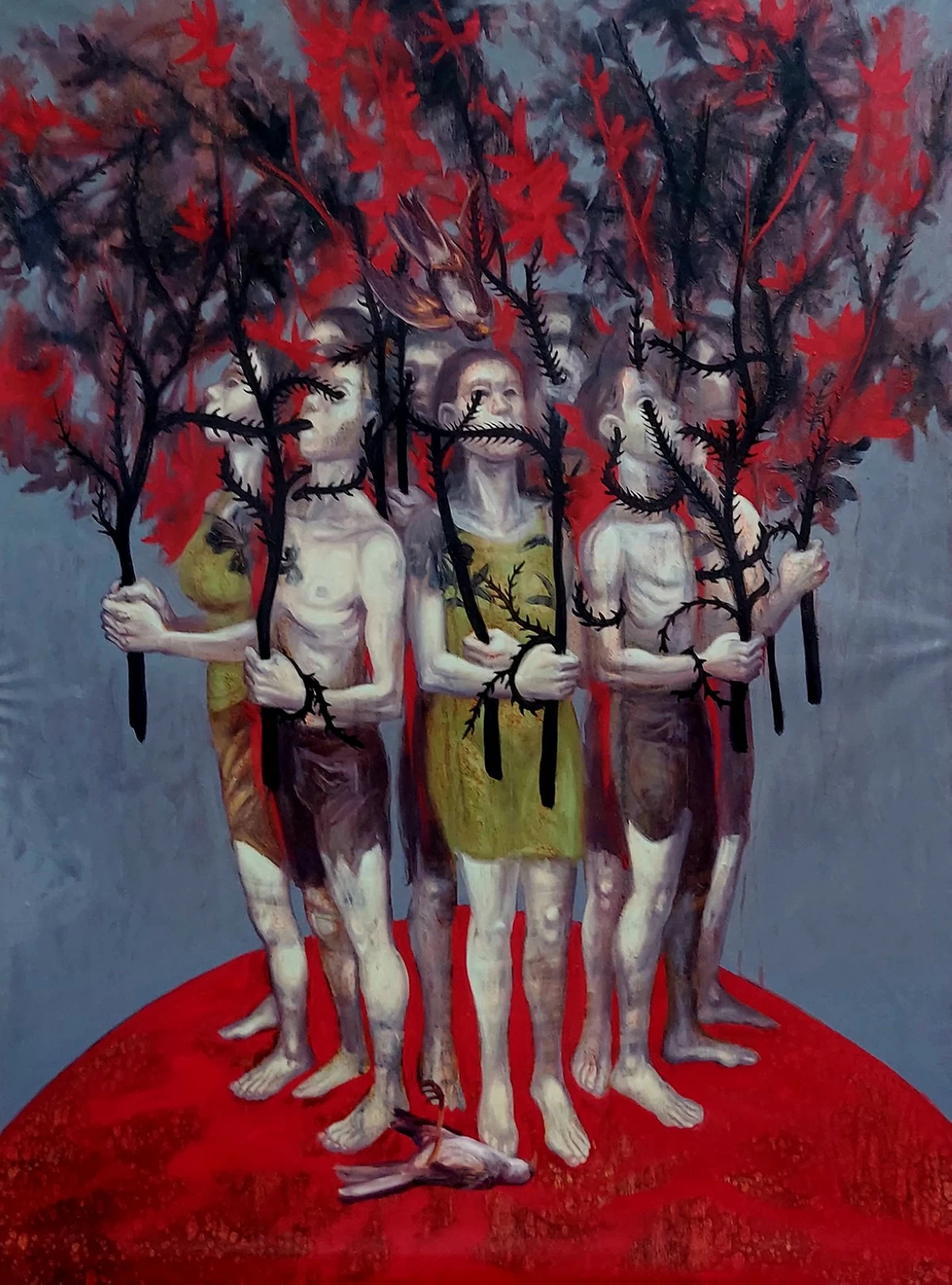
'SANLAKSANG NALINLANG,' 48x36 inches, oil on canvas, 2025
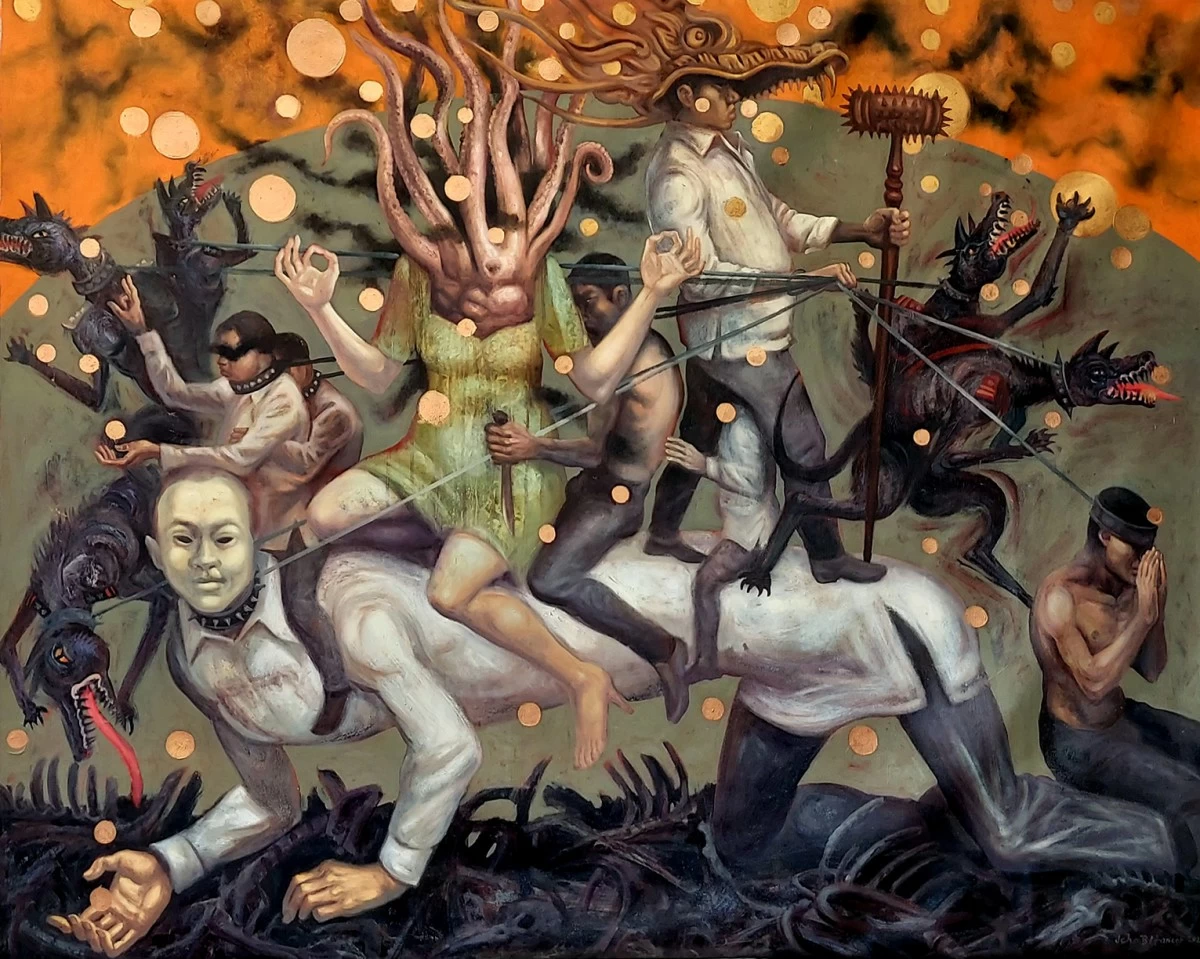
'SABWATAN NG MGA SUKAB,' 48x60 inches, oil on canvas, 2025
For Jeho, art is more than a fixed object—it is a lively force with the ability to influence perspectives. While he acknowledges that “art cannot really stop a bullet,” he firmly believes in its power to “make abstract thoughts visible and understandable images that become our collective memory.” He sees art as a storehouse of a generation’s emotions, aspirations, anxieties, and struggles. It serves as a tool for social justice, exposing truths, and offering insights that can lead us to a better future. Yet, he also sees the main challenge: “The only problem is when art is ignored. Art without an audience means no communication.”
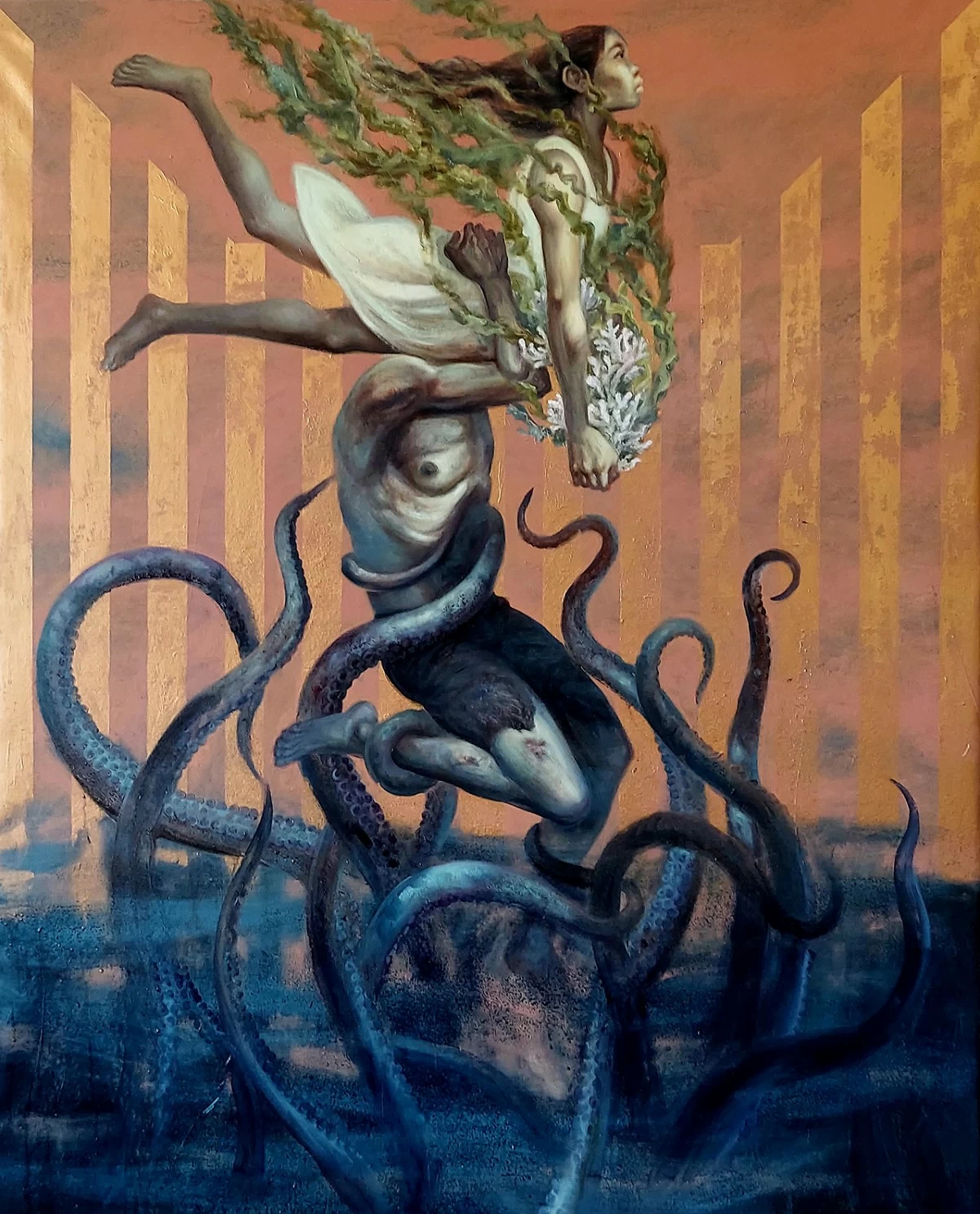
'TANGAN ANG YAMAN,' 60x48 inches, oil on canvas, 2025
This belief fuels his advice to young artists who want to address social and political issues. He urges them to go beyond just talent and hard work. “Creating art that comments on social and political issues requires talent, knowledge, hard work, and social awareness,” he emphasized. He encourages them to ask basic questions: “What should your content be? How do you place yourself in relation to history and Geopolitics? What class do you belong to, and are you advocating for it?” It is a call to be more than just a painter, it is a call to be a scholar, a humanist, and someone deeply aware of the world’s realities.

'ULOS SA ULUPONG,' 48x60 inches, oil on canvas, 2025
In “Pangil sa Pakpak,” Jeho Bitancor does not just showcase beautiful paintings. He offered a powerful and moving dialogue in which viewers can connect emotionally and intellectually with the very threats that overshadow our shared existence. He reminded us that despite the looming “fang,” there is still hope for the “wing” to inspire, to communicate, and to provoke swift action.
“Pangil sa Pakpak” runs until Oct. 4 at Altro Mondo Gallery, Chino Roces Avenue, Makati City.