ADVERTISEMENT

7 gifts only grandparents can give

More than hugs and stories, they help grandchildren grow with identity, security, and belonging

Published Sep 13, 2025 01:17 pm
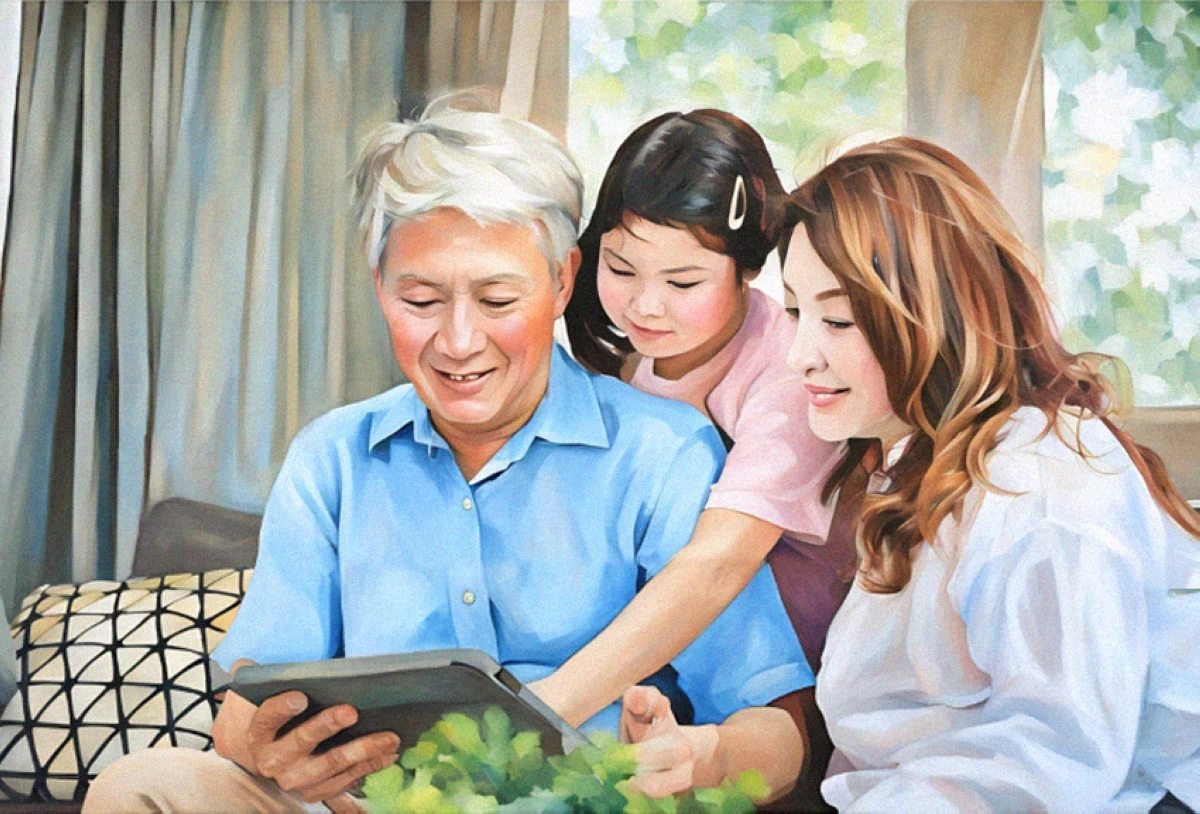
In the Philippines, it’s common to see grandparents playing an active role in raising their grandchildren. Whether it’s helping with school pick-ups, passing down family traditions, or simply offering a comforting presence at home, these moments should never be taken for granted.
Registered psychologist Dr. Elaine Rose S. Ferrer, currently affiliated with MindCare Club, explains how this unique bond between two generations plays an important role in strengthening children’s mental health and emotional security. She highlights seven meaningful ways grandparents enrich their grandchildren’s lives.
1. Provide a sense of security
Grandparents, compared to parents, often have more time and patience to be fully present. “They are not pressured to perform everyday parental tasks, so their presence is a calmer one,” explains Dr. Elaine. She describes this as a kind of “soft authority,” firm yet gentle, creating an environment where children feel both grounded and protected. “Safety and security are very important for children, as these reduce the risk of stress, anxiety, and depression.”
2. Nurture emotional wellbeing
Close bonds with grandparents assure children that they have a safe and steady space to turn to. “Having these feelings of warmth and comfort lowers the risk of anxiety and may even encourage kids to express themselves, rather than bottling up their struggles,” says Dr. Elaine. “When children internalize stress, it can manifest as depression or even social withdrawal.” This shows how grandparents serve as emotional anchors in a child’s life, especially during times of change or challenge.
3. Cope with challenges
From school stress to family transitions, having grandparents as a steady source of unconditional support helps children build resilience. “They become more confident to explore, be curious, even behave in ways knowing that there is no immediate judgment from them. It’s like there’s a certain level of freedom in these bonds that fosters a trusting and caring relationship,” explains Dr. Elaine. Knowing that someone will listen with patience and without judgment gives children the confidence and courage to face challenges.
4. Model healthy relationships
Grandparent bonds shape how children relate to others later in life. Warm, consistent, and loving relationships set the foundation for secure attachments, teaching children that they can trust others and form meaningful connections. In contrast, inconsistent or absent bonds may leave children questioning their self-worth or struggling with doubts about whether people will be there for them. “The quality of the bond truly matters,” emphasizes Dr. Elaine. “When grandparents provide steady affection and presence, it becomes a protective factor that helps children grow into confident, resilient adults.”
5. Connect kids to family identity
Whether it’s listening to stories from the past or joining in family rituals, grandparents play a vital role in keeping traditions alive. These experiences give children a sense of familiarity and pride in their roots. “Belonging boosts self-esteem because kids feel connected and important to the family,” says Dr. Elaine. “It tells a child, ‘This is who I am, and this is where I come from.’ The more children take part in these traditions, the stronger their sense of identity and belonging becomes. It’s both personal and deeply engaging.”
6. Teach intergenerational lessons
Grandparents impart wisdom earned over time, and children get to learn that life’s struggles can be endured and overcome. As Dr. Elaine explains, “Banking on the rituals, traditions and stories, I think grandparents exude this wisdom and perspective that you’ll get by, you’ll get through this.” She adds, “Most importantly, endurance across time, which integrates hardships and healing as we grow older and wiser.”
7. Expand a child’s support system
Grandparents’ presence reminds children that love and guidance can come from more than one source. “Grandparents are extensions of our nuclear family, so having them around or being present in child care also widens the children’s support system—emotionally and psychologically,” notes Dr. Elaine.
Parents often wonder if they’re doing enough to nurture the bond between their kids and their own parents. Dr. Elaine reminds us that it’s not about quantity, but it’s about presence. “Having quality interactions deepens the roots and emotional connectedness in their relationship.”
No matter how often or how little they see each other, what matters most are the meaningful interactions that become a part of a child’s core memory. Beyond the warmth of their lolo’s and lola’s love, they gain identity, security, and a legacy of care that connects generations.

Related Tags

Parenting Grandparents
ADVERTISEMENT
.most-popular .layout-ratio{ padding-bottom: 79.13%; } @media (min-width: 768px) and (max-width: 1024px) { .widget-title { font-size: 15px !important; } }

{{ articles_filter_1561_widget.title }}

.most-popular .layout-ratio{ padding-bottom: 79.13%; } @media (min-width: 768px) and (max-width: 1024px) { .widget-title { font-size: 15px !important; } }

{{ articles_filter_1562_widget.title }}

.most-popular .layout-ratio{ padding-bottom: 79.13%; } @media (min-width: 768px) and (max-width: 1024px) { .widget-title { font-size: 15px !important; } }

{{ articles_filter_1563_widget.title }}

{{ articles_filter_1564_widget.title }}

.mb-article-details { position: relative; } .mb-article-details .article-body-preview, .mb-article-details .article-body-summary{ font-size: 17px; line-height: 30px; font-family: "Libre Caslon Text", serif; color: #000; } .mb-article-details .article-body-preview iframe , .mb-article-details .article-body-summary iframe{ width: 100%; margin: auto; } .read-more-background { background: linear-gradient(180deg, color(display-p3 1.000 1.000 1.000 / 0) 13.75%, color(display-p3 1.000 1.000 1.000 / 0.8) 30.79%, color(display-p3 1.000 1.000 1.000) 72.5%); position: absolute; height: 200px; width: 100%; bottom: 0; display: flex; justify-content: center; align-items: center; padding: 0; } .read-more-background a{ color: #000; } .read-more-btn { padding: 17px 45px; font-family: Inter; font-weight: 700; font-size: 18px; line-height: 16px; text-align: center; vertical-align: middle; border: 1px solid black; background-color: white; } .hidden { display: none; }
function initializeAllSwipers() { // Get all hidden inputs with cms_article_id document.querySelectorAll('[id^="cms_article_id_"]').forEach(function (input) { const cmsArticleId = input.value; const articleSelector = '#article-' + cmsArticleId + ' .body_images'; const swiperElement = document.querySelector(articleSelector); if (swiperElement && !swiperElement.classList.contains('swiper-initialized')) { new Swiper(articleSelector, { loop: true, pagination: false, navigation: { nextEl: '#article-' + cmsArticleId + ' .swiper-button-next', prevEl: '#article-' + cmsArticleId + ' .swiper-button-prev', }, }); } }); } setTimeout(initializeAllSwipers, 3000); const intersectionObserver = new IntersectionObserver( (entries) => { entries.forEach((entry) => { if (entry.isIntersecting) { const newUrl = entry.target.getAttribute("data-url"); if (newUrl) { history.pushState(null, null, newUrl); let article = entry.target; // Extract metadata const author = article.querySelector('.author-section').textContent.replace('By', '').trim(); const section = article.querySelector('.section-info ').textContent.replace(' ', ' '); const title = article.querySelector('.article-title h1').textContent; // Parse URL for Chartbeat path format const parsedUrl = new URL(newUrl, window.location.origin); const cleanUrl = parsedUrl.host + parsedUrl.pathname; // Update Chartbeat configuration if (typeof window._sf_async_config !== 'undefined') { window._sf_async_config.path = cleanUrl; window._sf_async_config.sections = section; window._sf_async_config.authors = author; } // Track virtual page view with Chartbeat if (typeof pSUPERFLY !== 'undefined' && typeof pSUPERFLY.virtualPage === 'function') { try { pSUPERFLY.virtualPage({ path: cleanUrl, title: title, sections: section, authors: author }); } catch (error) { console.error('ping error', error); } } // Optional: Update document title if (title && title !== document.title) { document.title = title; } } } }); }, { threshold: 0.1 } ); function showArticleBody(button) { const article = button.closest("article"); const summary = article.querySelector(".article-body-summary"); const body = article.querySelector(".article-body-preview"); const readMoreSection = article.querySelector(".read-more-background"); // Hide summary and read-more section summary.style.display = "none"; readMoreSection.style.display = "none"; // Show the full article body body.classList.remove("hidden"); } document.addEventListener("DOMContentLoaded", () => { let loadCount = 0; // Track how many times articles are loaded const offset = [1, 2, 3, 4, 5, 6, 7, 8, 9, 10]; // Offset values const currentUrl = window.location.pathname.substring(1); let isLoading = false; // Prevent multiple calls if (!currentUrl) { console.log("Current URL is invalid."); return; } const sentinel = document.getElementById("load-more-sentinel"); if (!sentinel) { console.log("Sentinel element not found."); return; } function isSentinelVisible() { const rect = sentinel.getBoundingClientRect(); return ( rect.top < window.innerHeight && rect.bottom >= 0 ); } function onScroll() { if (isLoading) return; if (isSentinelVisible()) { if (loadCount >= offset.length) { console.log("Maximum load attempts reached."); window.removeEventListener("scroll", onScroll); return; } isLoading = true; const currentOffset = offset[loadCount]; window.loadMoreItems().then(() => { let article = document.querySelector('#widget_1690 > div:nth-last-of-type(2) article'); intersectionObserver.observe(article) loadCount++; }).catch(error => { console.error("Error loading more items:", error); }).finally(() => { isLoading = false; }); } } window.addEventListener("scroll", onScroll); });

Sign up by email to receive news.