







Finance chief courts Japan, cites reforms for loan deals
By Derco Rosal
Published Sep 12, 2025 11:10 am
|
Updated Sep 12, 2025 01:31 pm


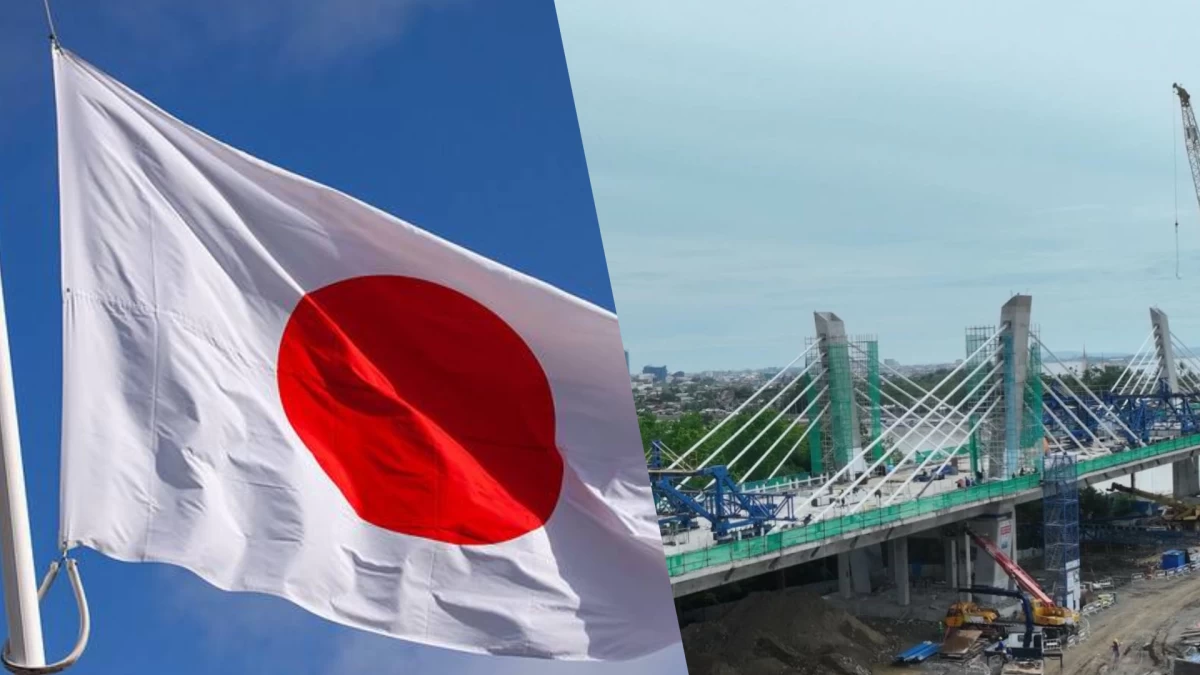
Amid the recent flood control scandals preoccupying the Philippine government, Japan has assured that it will continue extending low-cost loans for big-ticket bridge, spillway, and maritime projects.
This reaffirmation comes as investigations into anomalous flood control projects are being conducted alongside the congressional budget hearings.
Finance Secretary Ralph G. Recto led the Philippine delegation on Thursday, Sept. 11, to court the Japanese government. He anchored his invitation on the two “A-” investment-grade ratings the Philippines has received from leading Japan-based debt watchers.
“This is your vote of confidence in our fiscal management, our investment climate, and our growth trajectory—and we intend to keep earning it,” Recto said.
Recto also told Japanese investors that the Philippine government “has undertaken sweeping reforms to make the country one of the most attractive and hospitable destinations for foreign investments in Asia.”
Among these reforms is the Corporate Recovery and Tax Incentives for Enterprises to Maximize Opportunities for Reinvigorating the Economy (CREATE MORE) Act, “which provides a more competitive and generous package of fiscal and non-fiscal incentives.”
“The law also resolves a long-standing concern of Japanese exporters by exempting export-oriented enterprises from value-added tax (VAT),” the DOF said.
To review the progress of Japan-funded infrastructure projects, Recto, leading the country’s economic and infrastructure team, also met with Mori Masafumi, Special Advisor to the Prime Minister of Japan.
“Today’s discussions confirmed steady progress in cooperation across various fields, including large-scale infrastructure development, disaster prevention, information and communications, energy, and the Mindanao peace process,” Masafumi said.
Recto assured the Japanese government that this investor confidence would be matched with proper and transparent implementation of existing and pipeline projects.
For Japan’s fiscal year (FY) 2025-2026, Tokyo is set to finance the 2.6-kilometer Second San Juanico Bridge, which will connect Leyte and Samar through Babatngon and Sta. Rita. The project is expected to reduce travel time, lower transport costs, and create new economic opportunities for businesses and workers in the Visayas.
Also in the pipeline is the Parañaque Spillway Project, which aims to reduce flooding in Laguna Lakeshore communities by up to 37 percent during severe storms. The spillway will divert excess water from Laguna Lake to Manila Bay through an underground system spanning Muntinlupa, Parañaque, Las Piñas, and Bacoor, thereby protecting households and livelihoods.
Finally, the Philippine Coast Guard (PCG) Support Facility in Subic Bay is designed to enhance the agency’s capacity, thereby improving maritime safety for fisherfolk, travelers, and coastal communities.
As of March, Japan remained the Philippines’ largest official development assistance (ODA) provider, with commitments amounting to about $14.19 billion (around ₱805.8 billion), or 39.2 percent of the total ODA portfolio.
Last year, Japan infused $13.23 billion (around ₱756 billion) into the country’s ODA portfolio, accounting for a third of the $39.6 billion total. This was six percent higher than the $37.3 billion recorded in 2023.