







When flooding enters your home
Property inspection service company shares causes and solutions to residential flooding
Published Sep 11, 2025 08:55 pm


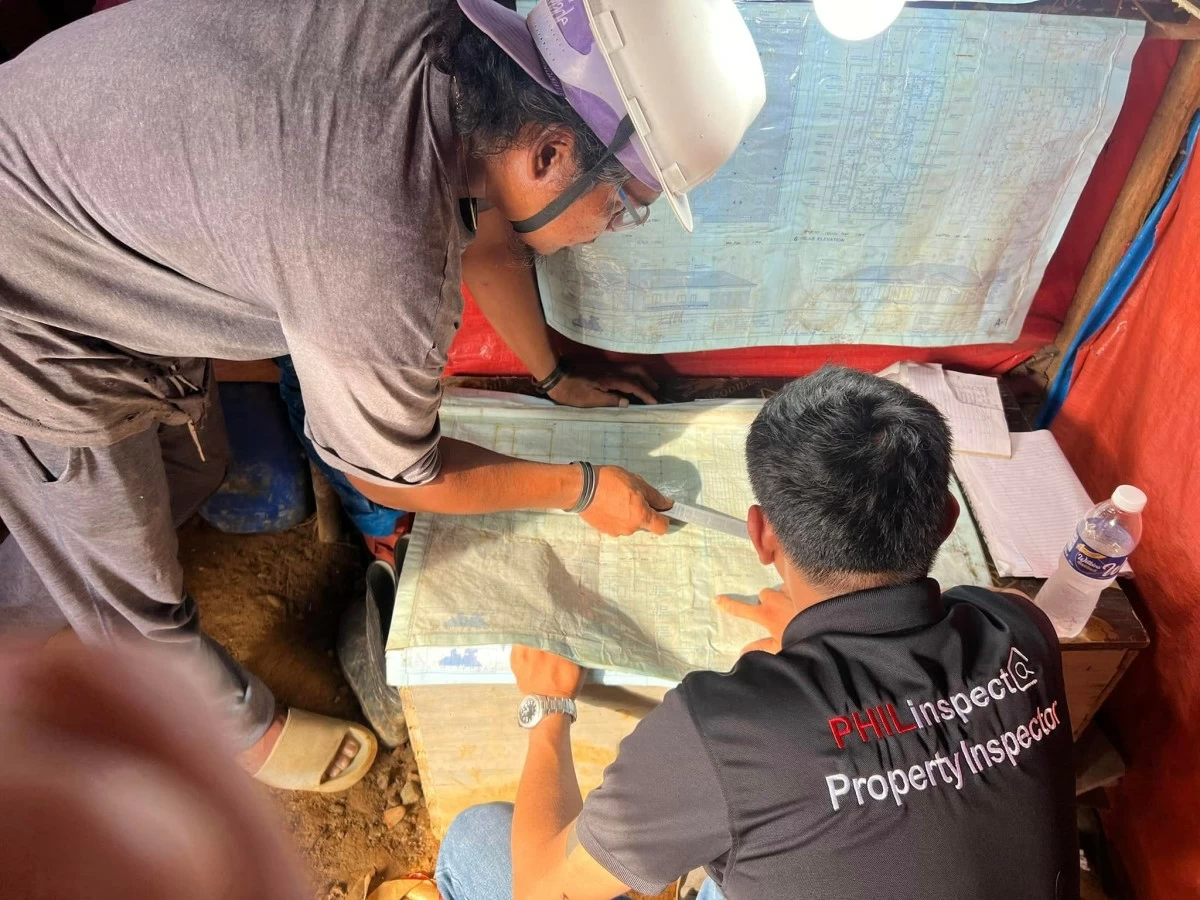
Regular inspection and maintenance can help address residential flooding.
Homeowners are always wary of floodwaters flowing into their properties due to heavy rainfall. A flooded home can be devastating and lead to significant financial losses, health risks, and emotional distress.

Mark Christopher Ignacio, president and CEO of Philinspect Property Inspection Services
Residential flooding is a complex issue; however, Mark Christoper Ignacio, founder and CEO of Philinspect Property Inspection Services, breaks down the factors:
Wrong slope or elevation
When the natural slope of the land or the elevation of the house is incorrect, water will always move toward the property instead of away from it. Over time, this improper grading leads to ponding around foundations, which can cause seepage, soil erosion, and even undermine structural stability. This is a fundamental engineering issue that should be addressed during site preparation, but is often overlooked in fast-paced developments.
Missing trench drain or catch basin
A well-designed property must include proper drainage infrastructure, such as trench drains and catch basins. Without these, stormwater has no dedicated path to flow, leading to pooling around the house or direct entry into low-lying areas. The absence of these critical features not only causes flooding but can also accelerate wear and tear on finishing materials like tiles, paint, and waterproofing membranes.
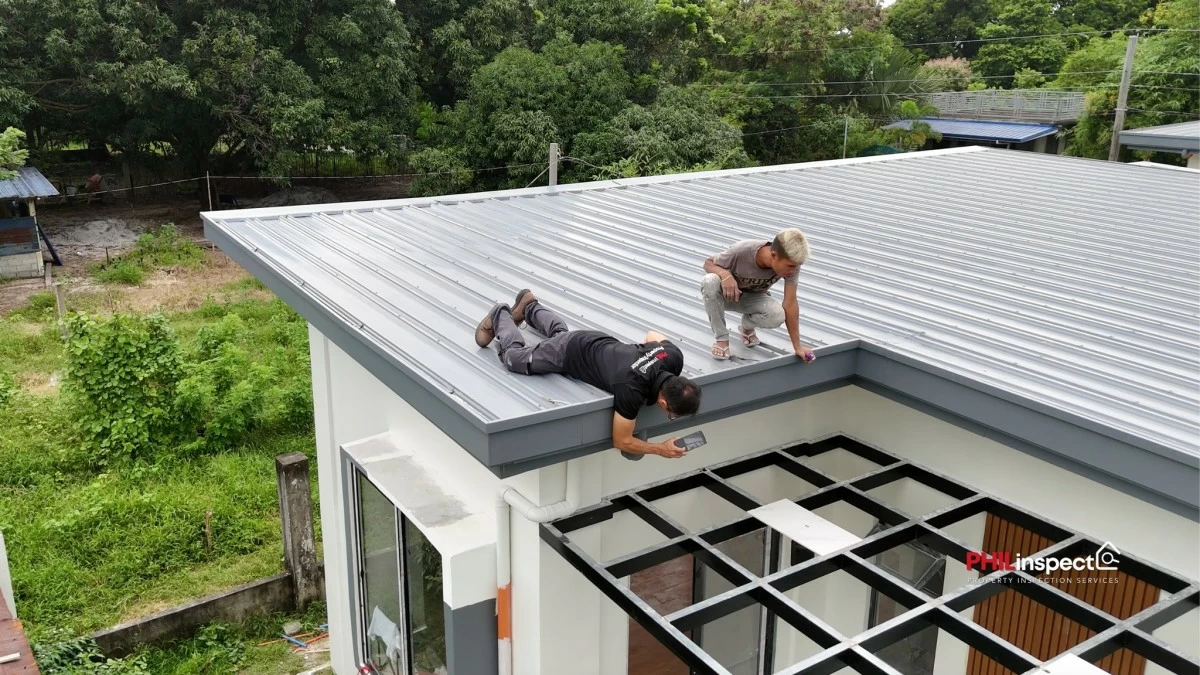
A clogged gutter is a common cause of flooding in homes.
Clogged gutter or downspout
Gutters and downspouts are designed to control roof runoff and direct it safely away from the property. When these are clogged with leaves, debris, or construction residue, water backs up and spills over into walls, windows, and foundations. Continuous overflow may lead to leaks, mold growth, and degradation of both interior and exterior finishes. This is one of the most common and preventable causes of household flooding.
Street water flowing into the property
If the road or community drainage system is poorly engineered, street water can easily spill into private lots. This happens when the street level is higher than the property’s finished grade or when perimeter defenses like curbs and swales are absent. The risk here is not only property damage but also contamination, since street water often carries pollutants, waste, and bacteria into living spaces.
When choosing a home, checking a property’s susceptibility to flooding is a practical way to prevent potential issues. As a third-party inspector, he leads a team of licensed and certified inspectors to conduct comprehensive property assessments. They also hold quarterly roof and waterproofing inspections.
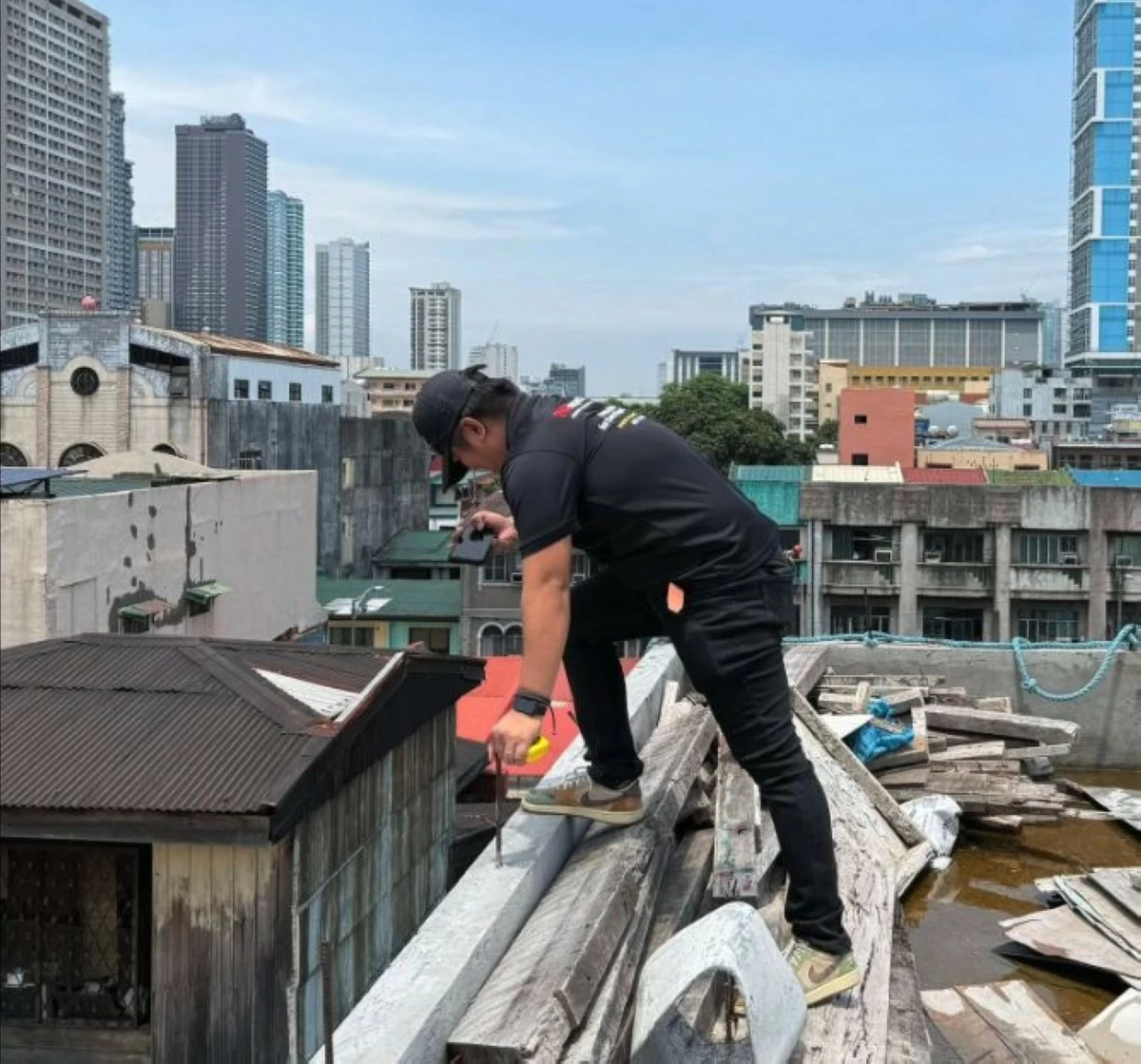
Inspectors are engineers with a PRC license and training abroad.
Regular checkups mean fewer surprises and long-term savings. Protecting the home can save homeowners from costly repairs, water damage, and loss of value. If flooding is already a problem, Ignacio recommends several solutions:
Correcting slope and elevation
If grading is wrong, homeowners may need professional re-sloping around the house to ensure water drains away naturally. This involves reshaping soil and landscaping or installing French drains to redirect water. While it may require upfront investment, it prevents far greater costs in structural repairs and water damage later on.
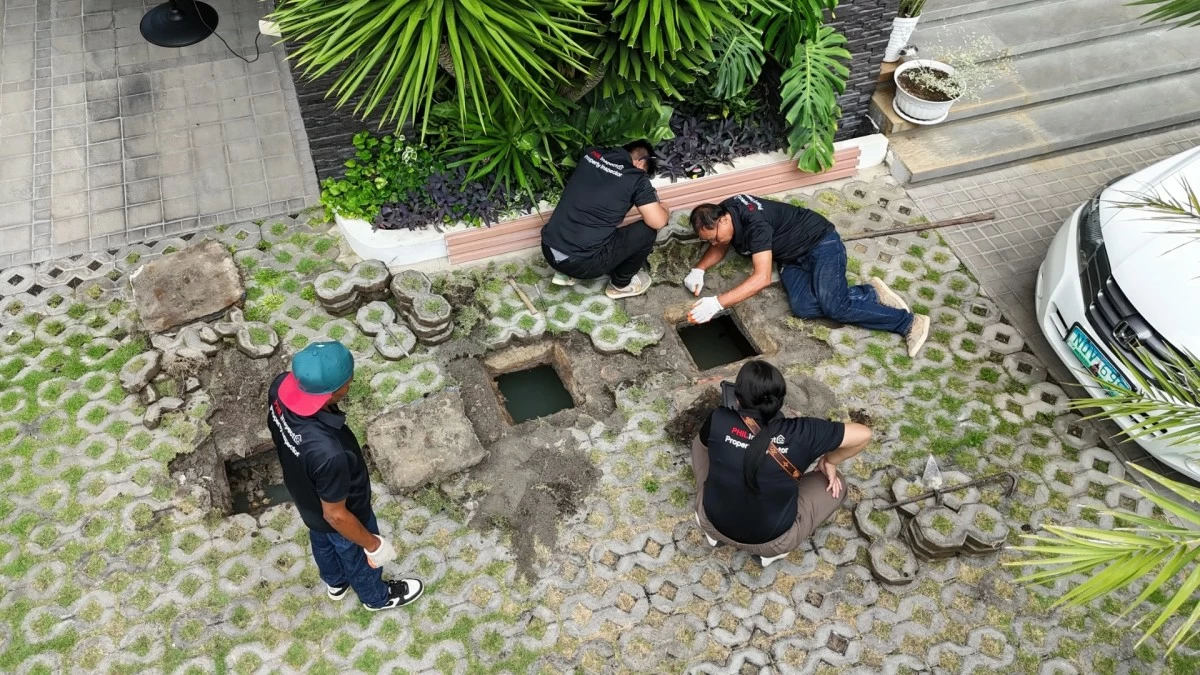
Drainage systems must be maintained properly to prevent flooding.
Installing proper drainage systems
The addition of trench drains, catch basins, and sump pumps provides controlled pathways for stormwater. These systems are particularly important for properties in flood-prone areas or developments without comprehensive drainage planning. An engineer can design these solutions to match the property’s layout and local rainfall conditions.
Regular gutter and downspout maintenance
Homeowners should schedule cleaning at least twice a year and more frequently during the rainy season. Installing gutter guards can also reduce blockages. Beyond cleaning, ensuring downspouts discharge water far enough from the foundation is key. Extending them by even a few feet can make a big difference in preventing seepage.
Perimeter protection and community coordination
For issues caused by street water, homeowners can build perimeter barriers, swales, or small retaining walls to deflect runoff. In cases where public drainage is inadequate, coordination with the homeowners’ association or local government is often necessary. Collective solutions, like upgrading community drainage, are sometimes the only way to fully resolve this risk.