






Manila Bulletin
 Philippines
National
Study reveals Filipino hardwood behind Juan Luna's iconic Spoliarium frame
Philippines
National
Study reveals Filipino hardwood behind Juan Luna's iconic Spoliarium frame
Philippines
National
Study reveals Filipino hardwood behind Juan Luna's iconic Spoliarium frame
Study reveals Filipino hardwood behind Juan Luna's iconic Spoliarium frame
By Jel Santos
Published Sep 11, 2025 12:35 pm


(PHOTO: DOST)
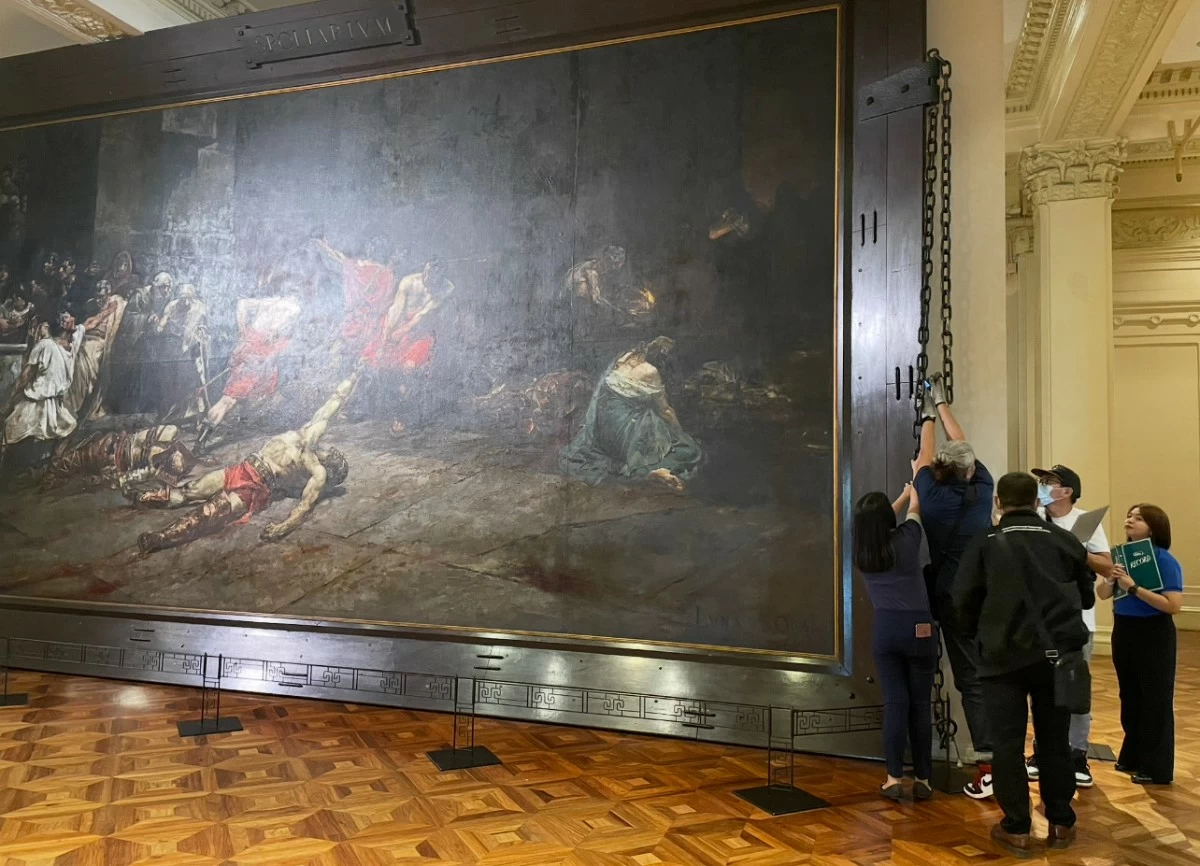
The frame of Juan Luna’s Spoliarium is made of Yakal, a durable hardwood native to the Philippines, a recent study uncovered.
The study was conducted by the Department of Science and Technology–Forest Products Research and Development Institute (DOST-FPRDI) in partnership with the National Museum of the Philippines (NMP).
DOST-FPRDI identified the wood as Shorea astylosa, commonly known as Yakal, which is known for its strength and resistance to decay.
DOST Secretary Renato U. Solidum Jr. said the findings highlight the importance of science in preserving national treasures.
“This is the kind of science that goes beyond the laboratory. By uncovering the very materials that hold our cultural treasures together, we are able to connect history, art, and technology,” he said in a statement.
Examining Luna’s paintings
The agency said the study is part of a wider initiative to trace the history of Luna’s works through wood identification.
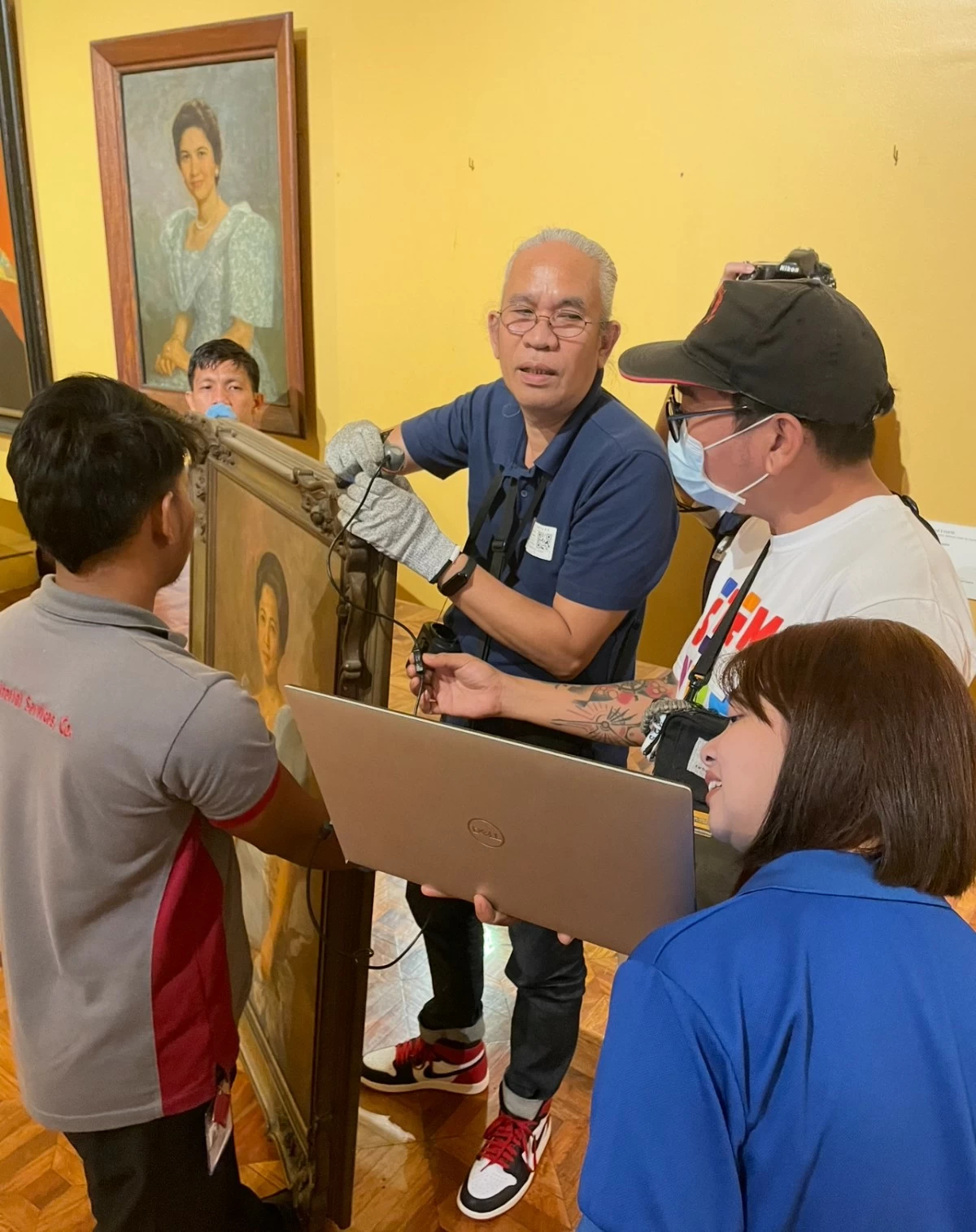
DOST reported that three of six Luna oil-on-panel paintings in the National Fine Arts Collection (Mi hermano en nuestra celda en la Fuerza de Santiago, Altos hornos de Vizcaya, and Chula Madrileña) were painted on Philippine-native species Ipil and Batikuling.
(PHOTO: DOST)
These findings suggest that these works were created during Luna’s time in the Philippines, the agency said.
Meanwhile, it noted that the other three paintings were confirmed to have been made in Europe, based on their wood species and characteristics.
Preserving cultural heritage
DOST-FPRDI Director Rico J. Cabangon said the collaboration with NMP shows how science and technology can safeguard cultural heritage.
“This is science, technology, and innovation at work—protecting our heritage, enriching our identity as scientists and researchers, historians, artists, but most of all as Filipinos,” Cabangon said.
“DOST-FPRDI, through collaboration with NMP, ensures that masterpieces like Juan Luna’s Spoliarium and other works are preserved for generations to come.”