






 Philippines
National
Teachers urge Congress: Divert flood control funds to education, support Last Mile Schools bill
Philippines
National
Teachers urge Congress: Divert flood control funds to education, support Last Mile Schools bill
Teachers urge Congress: Divert flood control funds to education, support Last Mile Schools bill


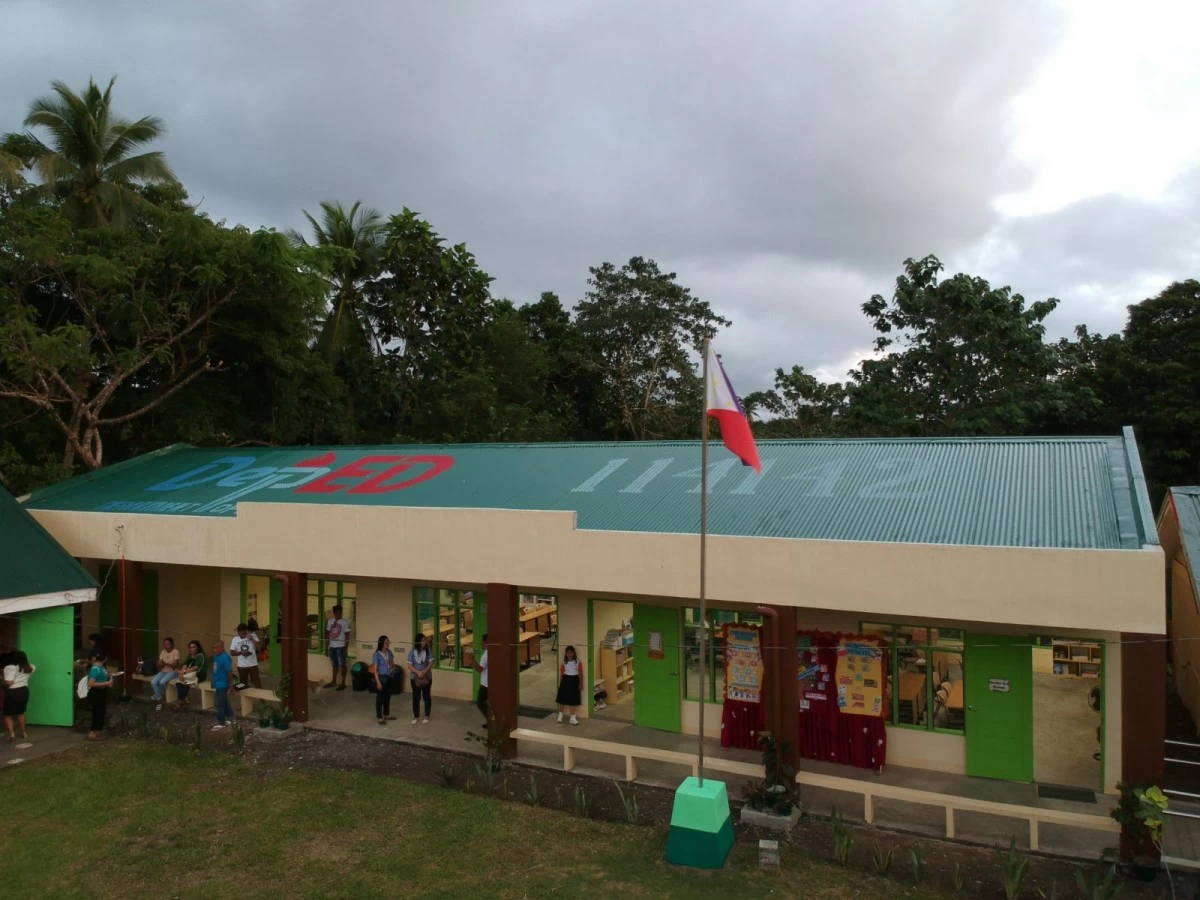
A group of teachers has urged lawmakers to prioritize education over infrastructure projects, particularly flood control programs, as Congress deliberates on the 2026 national budget.
The Teachers’ Dignity Coalition (TDC), during the September 8 hearing of the House Committee on Basic Education, reiterated its strong support for the proposed Last Mile Schools bill, which seeks to provide facilities and resources for small, remote, and underserved public schools across the country.
“This measure is essential in providing long-overdue support to learners in the countryside, especially those from marginalized communities, indigenous peoples, and the Bangsamoro,” said TDC National Chairperson Benjo Basas, who attended the hearing as a resource person.
Calls for stronger support to teachers in far-flung schools
Basas detailed the group’s proposed enhancements to the bill, including:
Installing water, sanitation, and hygiene (WASH) facilities in every last-mile school.
Establishing solar power systems to ensure a sustainable electricity supply.
Constructing public roads and improving transport access for better connectivity.
He also pushed for greater recognition of teachers serving in Geographically Isolated, Disadvantaged, and Conflict-Affected Areas (GIDCA).
According to TDC, teachers assigned to GIDCA deserve stronger incentives. “We are proposing not only a special hardship allowance but also a two-salary-grade increase once they have completed three years of teaching service in these communities,” Basas said.
Redirect questionable funds to education
Linking the issue of last-mile schools to broader fiscal priorities, the TDC urged Congress to reallocate funds from infrastructure projects to education.
“We urge Congress to reconsider its budget priorities. Instead of pouring funds into questionable flood control projects for 2026, these resources should be redirected to education—particularly to strengthen last-mile schools and improve our public school system,” Basas said.
What is the Last Mile Schools bill?
The Last Mile Schools bill aims to provide adequate classrooms, facilities, and learning resources to remote schools serving marginalized, indigenous, and conflict-affected communities.
Lawmakers and teacher advocates argue that passing the measure would be a crucial step toward addressing long-standing educational inequities in the Philippines.
As Congress continues its budget deliberations, education stakeholders such as TDC are pressing legislators to ensure that funding gaps in basic education take precedence over questionable infrastructure projects.