







PM Vargas' twin bills offer solutions to learning crisis
Published Sep 10, 2025 07:27 am


At A Glance
- Deputy Majority Leader Quezon City 5th district Rep. PM Vargas doubled down on his pro-education advocacy by filing twin bills that will benefit millions of the country's young learners.
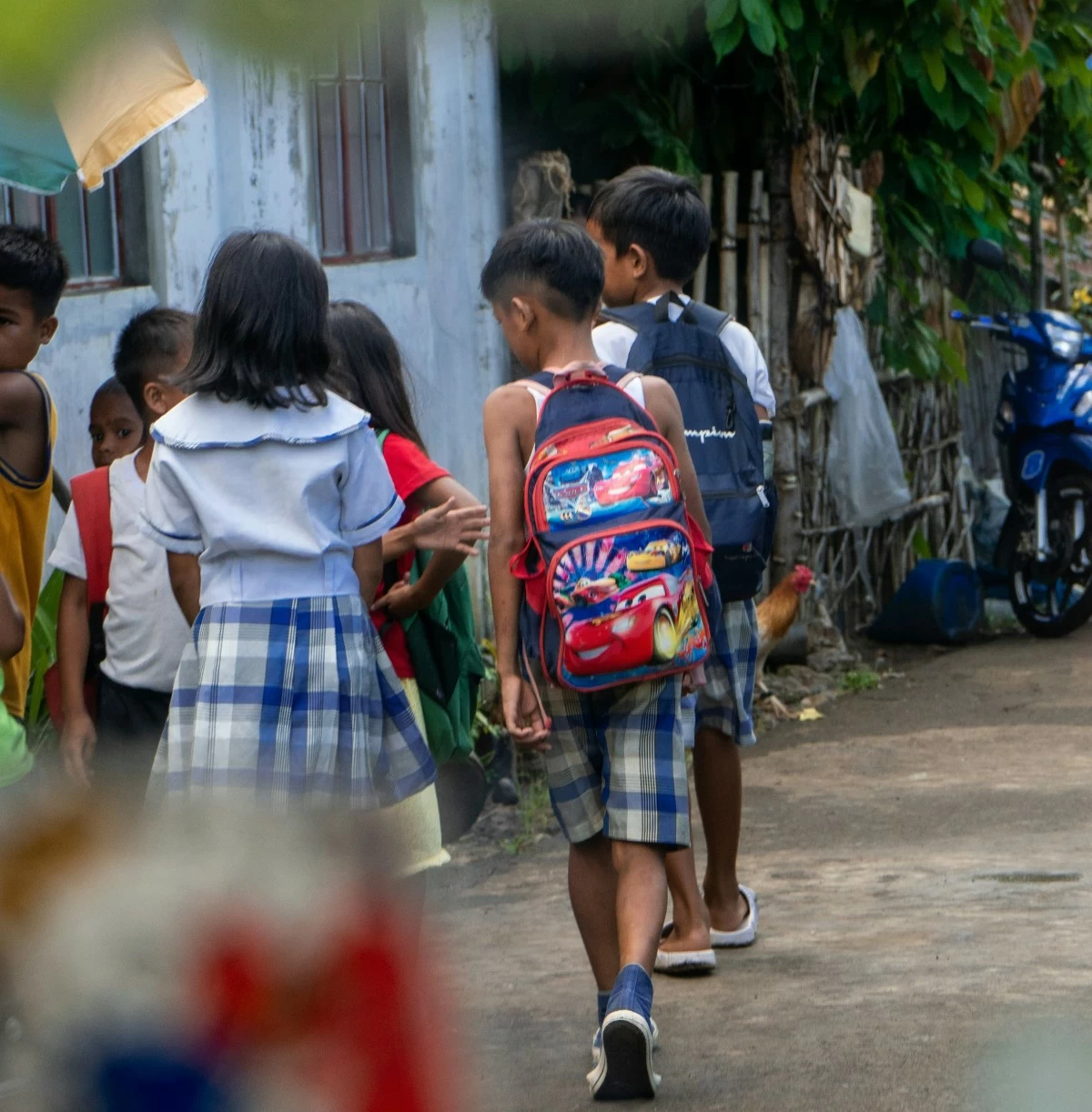
(Unsplash)
Deputy Majority Leader Quezon City 5th district Rep. PM Vargas doubled down on his pro-education advocacy by filing twin bills that will benefit millions of the country's young learners.
Filed by Vargas in the current 20th Congress were House Bill (HB) No.2266 or the proposed Last Mile School Act and HB No.2264 or the proposed Digital Public Libraries and Reading Centers Act.
According to the second-termer, the Philippines continues to face a severe learning crisis and literacy crisis, with recent studies showing that only one in every 10 Filipino Grade 5 students can read at the expected level, while millions of children in remote and disadvantaged areas remain without access to proper schooling or learning facilities.
“These measures are not just about building classrooms or setting up libraries—they are about breaking barriers to learning and ensuring that no child, whether in the most far-flung community or the busiest urban barangays, is left behind," Vargas said.
Vargas' Last Mile Schools Act institutionalizes the establishment of public schools in geographically isolated, disadvantaged, and conflict-affected areas.
It also mandates the construction of access roads, electrification, and internet connectivity to ensure that learners in Indigenous Peoples (IP) communities and other underserved sectors can exercise their constitutional right to education.
Meanwhile, the Digital Public Libraries and Reading Centers Act seeks to modernize Republic Act (RA) No. 7743 by equipping libraries and barangay reading centers with e-books, online research tools, and fast internet access.
The measure also ensures that every public school will have digitized textbooks and computer facilities, bridging the digital divide and promoting lifelong learning.
The ranking solon from Quezon City said the proposed reforms respond directly to the recommendations of EDCOM II, which called for the urgent investment in both physical access to schools and community-based literacy support systems to reverse the country’s declining literacy rates.
Incidentally, International Literacy Day was observed last Sept. 8. For Vargas, the occasion is "more than just a reminder that literacy is a fundamental skill".
“It is a time to call for action from my fellow legislators to take every step we can to make sure education becomes accessible, equitable, and relevant in every corner of the Philippines,” he said.
International Literacy Day is celebrated as a way to promote literacy and the importance of reading and writing as well as motivate individuals around the world to read more, improve literacy skills and provide educational opportunities for children who do not have access to them.